
Best Basketball Shoes to Protect Ankles Made Simple: A Clear Buying Guide for 2026
Disclosure: We may earn a commission when you buy through links on this page, at no extra cost to you. As an Amazon Associate I earn from qualifying purchases. Learn more

A first time buyer guide to the best basketball shoes to protect ankles, explaining collar height, stability, fit, bracing, and safe return to play checks.
If you have rolled an ankle before, or you land in traffic under the basket a lot, shoe choice stops being about style and starts being about confidence. Finding the best basketball shoes to protect ankles is less about one magic feature and more about how collar, base, fit, and lacing work together. This guide explains the basics in plain language first, then shows you how to compare options without guesswork.
Use the comparison table below to note collar height, outsole width, and weight for each option. Then work through the sections that follow, because a stable shoe that fits poorly protects very little, while a well fitted shoe with a wide base and firm heel can make a real difference to how secure you feel.


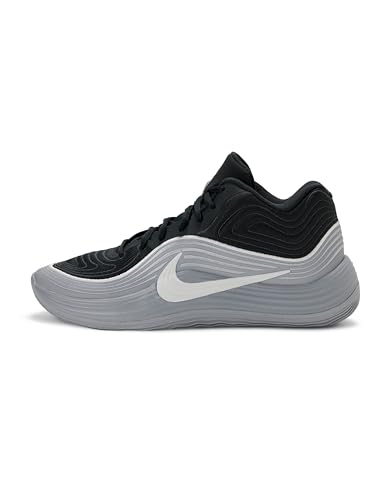


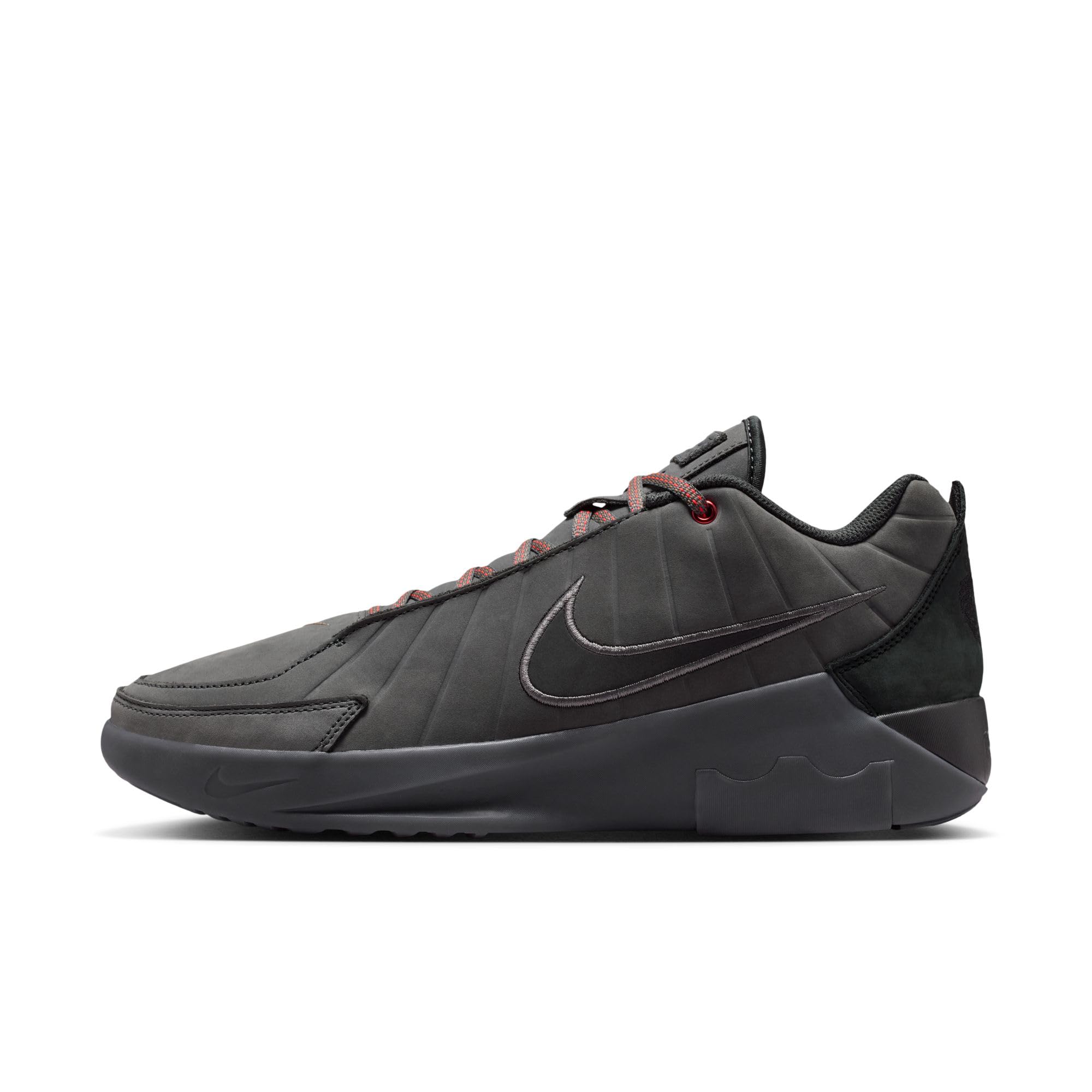
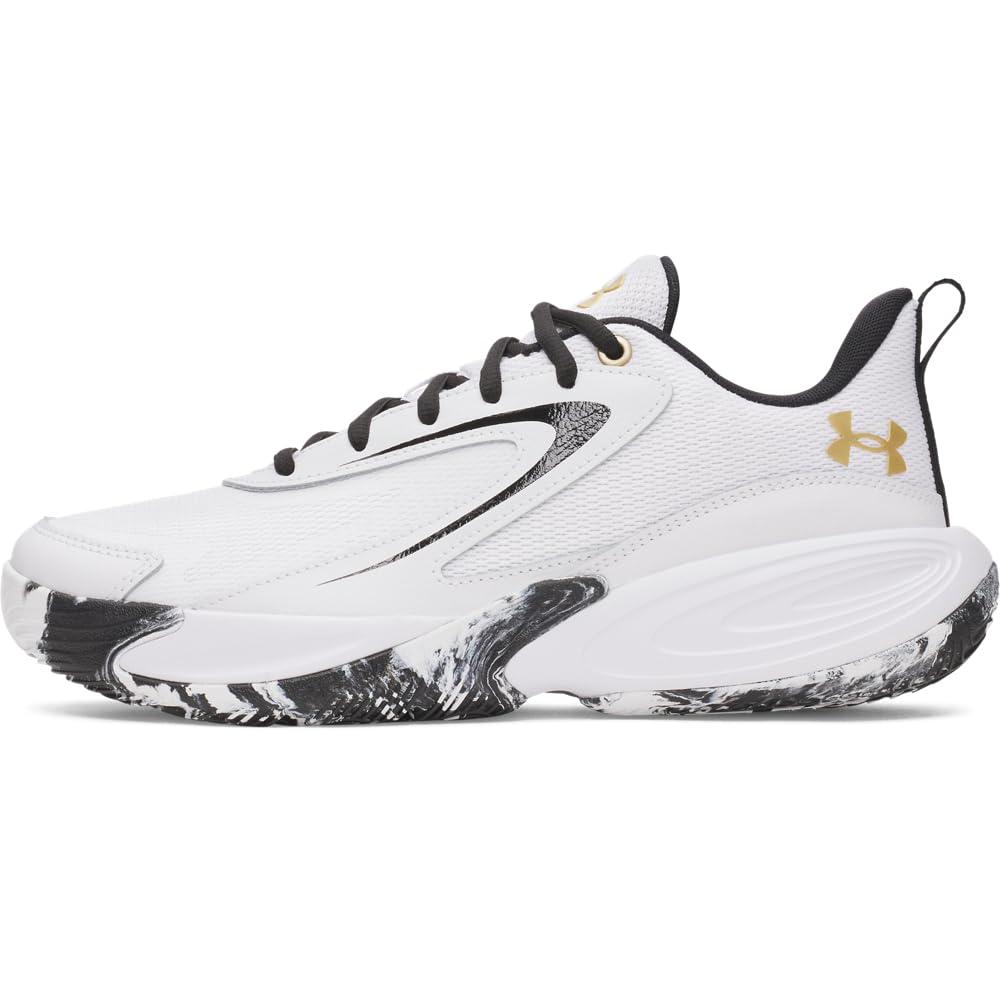
Basketball Shoes That Protect Ankles 101: The Basics
Most ankle injuries in basketball happen when a player lands on another foot or lands off balance and the ankle rolls inward. A protective shoe tries to limit that roll and to keep the foot centered over the sole at the moment of landing. It does this with a wide and flat outsole, a firm heel counter that cups the back of the foot, an upper that locks the midfoot down, and materials that resist stretching sideways.
Collar height is the term you will see most. High collars rise above the ankle bone, mid collars sit near it, and low collars sit below it. Height alone does not guarantee protection, which surprises many first time buyers. A low shoe with a wide base and excellent lockdown can feel more stable than a tall shoe with a narrow, tippy sole. Treat collar height as one factor in a system, and judge the whole shoe by how your foot behaves inside it during a hard plant and cut.
One safety note matters before any purchase. Shoes reduce risk, they do not remove it, and they are not a treatment for an injured ankle. If you have swelling that will not settle, pain on the outside of the ankle that lingers for days, repeated giving way, or any numbness, stop playing and see a doctor or physiotherapist before you return. Talk with your clinician about whether a brace, taping, or strength work should come before new shoes.
Key Specs Explained in Plain English
Skill Level and Intended Use
Beginners who play lightly can choose a balanced protective shoe with a mid or high collar and moderate cushioning, since their main need is stability at low speed. Intermediate players who cut hard and play weekly should prioritize base width and lockdown over collar height alone. Advanced players with a sprain history often pair a stable shoe with a brace, and they replace shoes sooner because worn foam changes how the foot lands. Match the shoe to your actual minutes and intensity, not to the hardest game you might play once a year.
Performance Characteristics
Grip keeps your foot from sliding out from under you, so look for a tread pattern with wide grooves that bite on your main court surface and shed dust well. Stability comes from a flat contact area and an outsole that flares slightly wider than the upper, which resists tipping. Forgiveness describes how the shoe behaves on an imperfect landing: a firm heel and a midsole that does not collapse on one side give you a moment to recover. Test this by standing in the shoe and shifting your weight to the outer edge; it should resist, not roll.
Materials and Construction
Supportive uppers often use dense woven textile, synthetic leather, or layered panels that hold their shape under sideways force, while very soft knit uppers can stretch too much for players who need containment. Some shoes add a composite or plastic shank in the midfoot to limit twisting. Check the heel counter by squeezing the back of the shoe; it should feel firm, not collapsible. Seams and overlays around the ankle collar should lie flat, because any ridge there becomes a blister or pressure point during a long game.
Safety and Support Checks
There is no single certification that proves a basketball shoe prevents sprains, so be wary of any listing that implies a medical guarantee. Instead, run your own checks: the shoe should not twist easily in your hands, the heel should not slip when laced tightly, and the base should stay flat when you press down on one side. Players returning from injury should follow the return to play plan their clinician set, including any brace requirement, rather than relying on a shoe label. If pain, swelling, or instability appears during play, stop and get assessed rather than lacing tighter and continuing.
Portability and Storage
Protective shoes tend to be bulkier, so think about how you will carry and store them. A shoe that holds its shape in a gym bag keeps its heel counter working, while a shoe crushed under heavy gear for days can deform. Store the pair in a ventilated bag, loosen the laces after play, and keep any brace stored flat and clean with the shoes so you never play without it by accident. If you travel for games, pack the shoes in your carry bag rather than checked luggage when you can, so a lost bag does not cost you your protective setup.
For a wider starting point, our guide to the best basketball shoes explains general court shoe traits. Readers focused on collar design can compare with our guide to the best ankle basketball shoes, and those comparing dedicated support models can read our guide to the best basketball shoes for ankle support.
Rookie Mistakes to Avoid
- Assuming taller always means safer. A tall collar on a narrow base can still tip, so judge width, heel firmness, and lockdown together.
- Buying loose to fit a brace later. Try shoes on with the exact brace and socks you will wear, or the fit will be wrong in both directions.
- Ignoring heel slip. A heel that lifts on every step lets the foot shift before a landing, which removes much of the protection you paid for.
- Returning too soon after a sprain. New shoes do not heal ligaments, so follow medical advice and rebuild strength before full speed play.
- Keeping shoes past their stable life. Compressed foam and smooth tread quietly reduce stability, even when the upper still looks fine.
Getting Started: Setup and First Use
When your shoes arrive, lace them fully using the top eyelet, which many players skip even though it is the one that locks the heel. Wear them around the house and then for light drills before a full game, so you can spot pressure points and adjust lacing while the stakes are low. Store them out of direct sun and extreme heat, and check wear before each use, especially at the outer heel and forefoot where stability is lost first.
A useful know how step is the single leg balance test your clinician may suggest: stand in the shoes on one foot for thirty seconds on a flat floor. Wobbling badly in a new shoe is useful information about fit and about your own ankle strength. Pair the shoes with balance and calf work if your clinician approves it, because stronger ankles plus stable shoes protect better than either one alone.
FAQs
How long do basketball shoes that protect ankles last?
Expect about one season of regular play, or roughly 75 to 100 hours of court time, before foam compression starts to reduce stability. The support features fade gradually, so a shoe can look intact while protecting less than it did when new. Track your hours, watch the outer heel for uneven wear, and replace the pair when landings start to feel loose or your ankle feels tired sooner in games than it used to.
Does indoor versus outdoor play matter for ankle protection shoes?
Yes, because worn tread changes how your foot plants, and planting is where protection happens. Outdoor asphalt wears softer indoor outsoles quickly, leaving a smooth surface that can slip on dust or moisture. Outdoor models use harder rubber that keeps its edges longer. Whichever you choose, wipe the soles before and during indoor games, since a clean, gripping outsole is a genuine safety feature and not just a performance detail.
Is a premium ankle protection shoe worth it for a beginner?
Not usually, because most beginners get the protection they need from a well fitted mid price shoe with a wide base and firm heel. Premium models add lighter materials and refined cushioning, which help frequent players more than new ones. Spend first on correct fit, and on a brace if your clinician recommends one. Upgrade later when you know your position, your court, and how your ankles respond to a full season.
What size shoe should I get for ankle protection?
Choose the size that locks your heel with about a thumb width of space at the toes, tried on with your game socks and any brace you wear. A longer shoe lets the foot slide forward and defeats the heel counter, while a shorter shoe cramps the toes and changes how you land. Measure in the evening, fit the larger foot, and walk, jog, and shuffle sideways in the store to confirm the heel stays put.
Players who already know they have unstable ankles can read our guide to the best basketball shoes for weak ankles, and anyone planning to play in a brace should also check our guide to the best basketball shoes for ankle braces for fit advice specific to that setup.
Our Verdict
Judge these shoes as a system: a wide and flat base, a firm heel counter, and lockdown that keeps your foot centered, fitted with your brace and socks. Collar height helps only when those basics are right. Compare the product table above against that checklist, talk with your clinician about your own ankle history and personal needs, and the best basketball shoes to protect ankles for you will be the pair that feels stable on your very first hard plant and cut.


