
Best Ankle Basketball Shoes: Support, Grip and Fit Guide for 2026
Disclosure: We may earn a commission when you buy through links on this page, at no extra cost to you. As an Amazon Associate I earn from qualifying purchases. Learn more

Best ankle basketball shoes for players who want extra ankle coverage, court grip and cushioning for jumps and cuts.
The best ankle basketball shoes pair a supportive collar with solid court grip, cushioning for repeated jumps, and a lockdown fit that keeps your foot from sliding during cuts. They suit players who want extra ankle coverage for jumps, landings, and fast direction changes.
Shoes cannot prevent every sprain, but the right pair gives your ankle a steadier base. The product table shows high tops from several makers, and the sections below explain what to compare before you order.


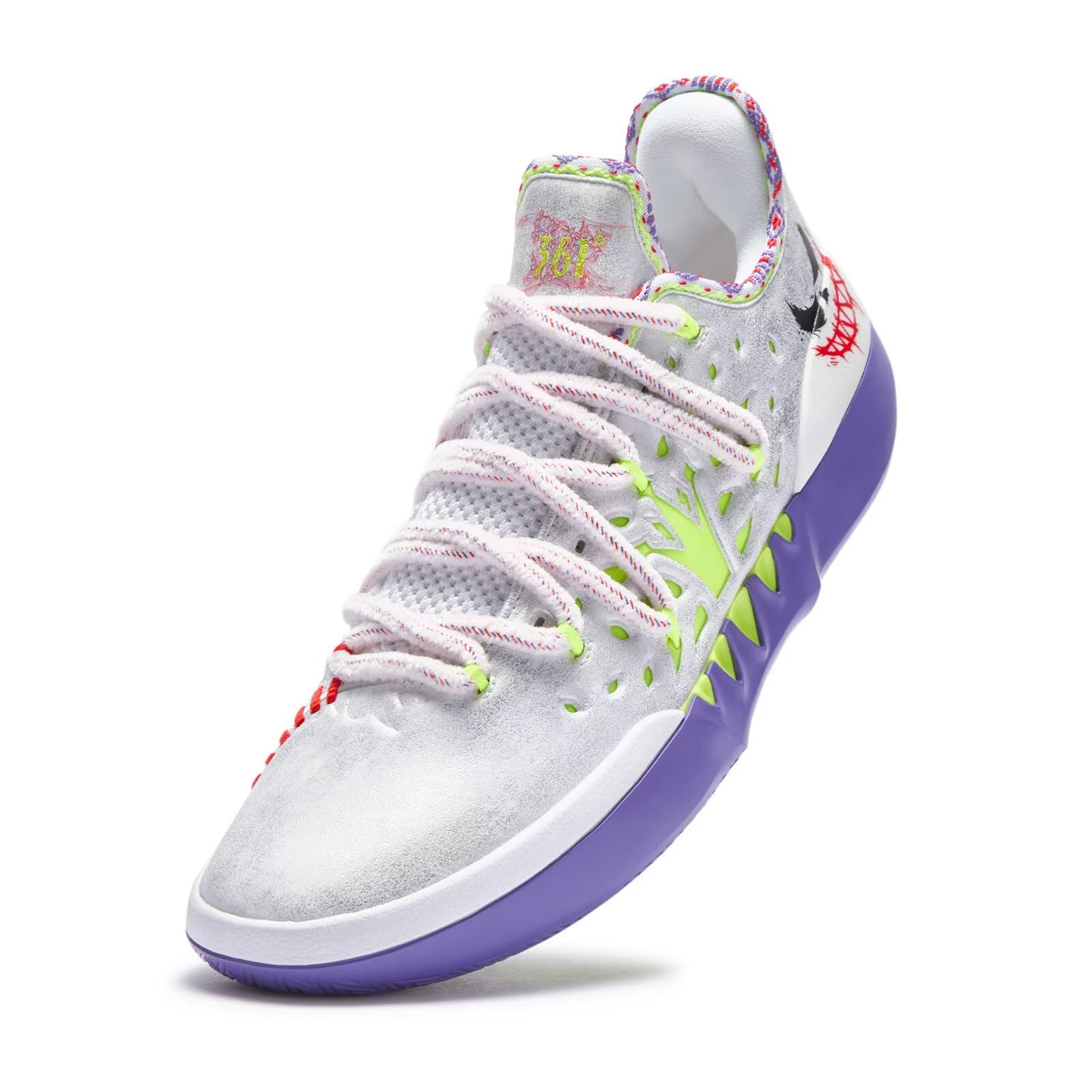

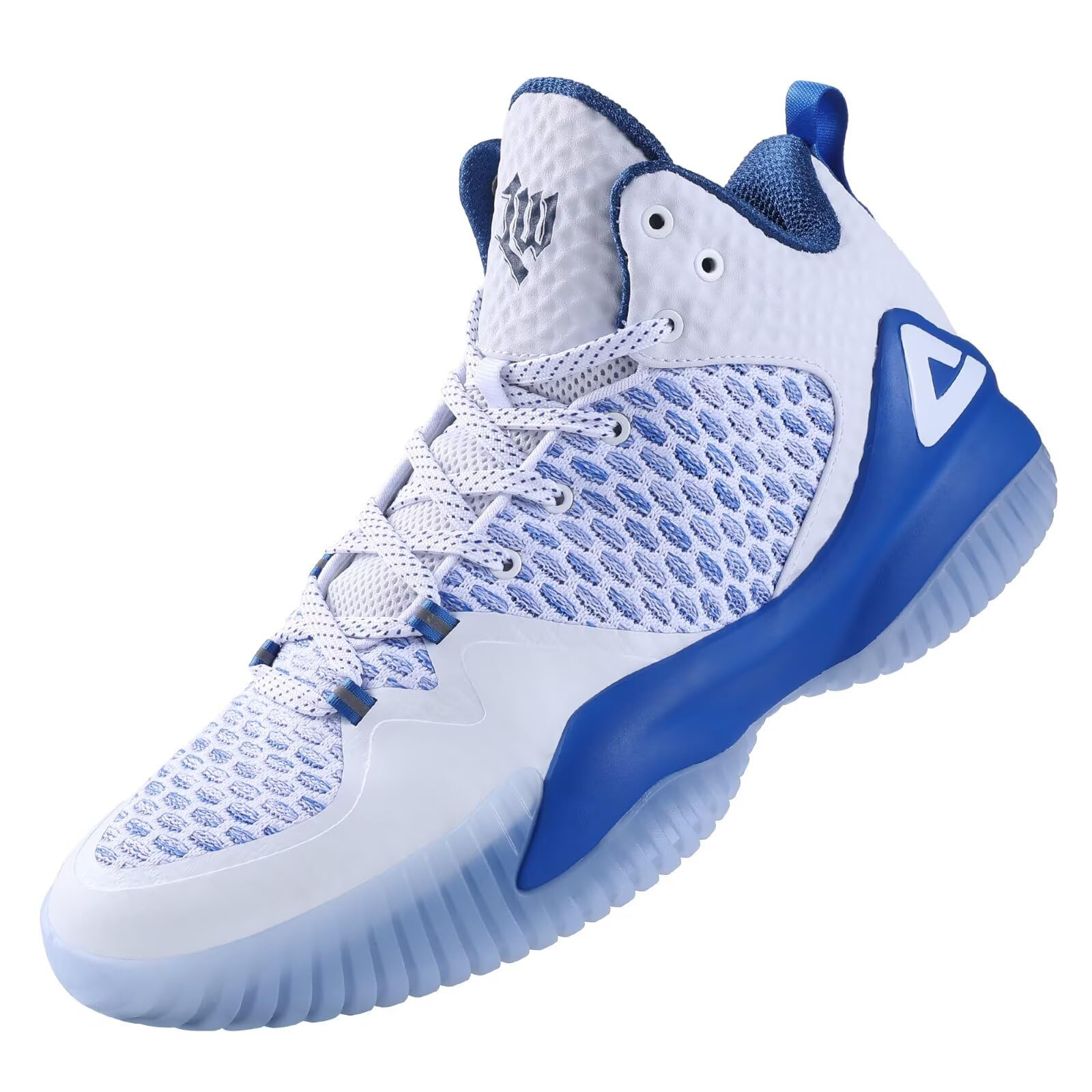
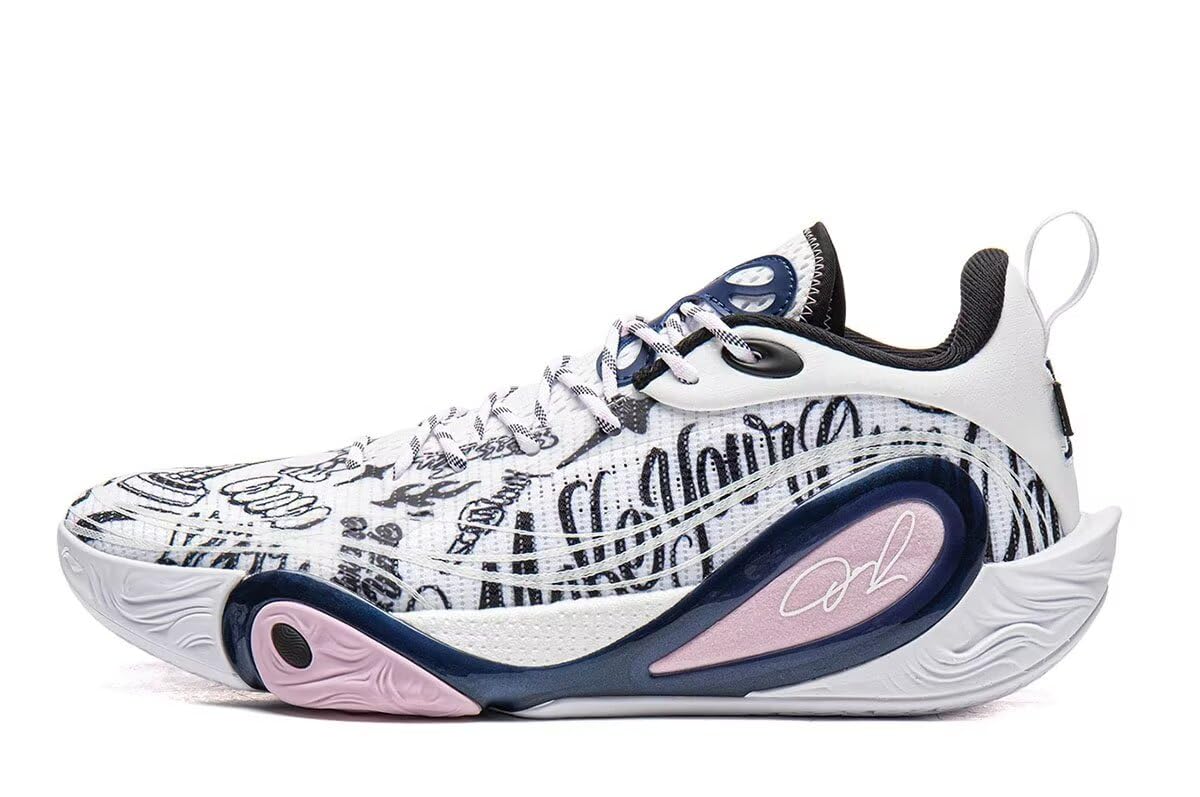

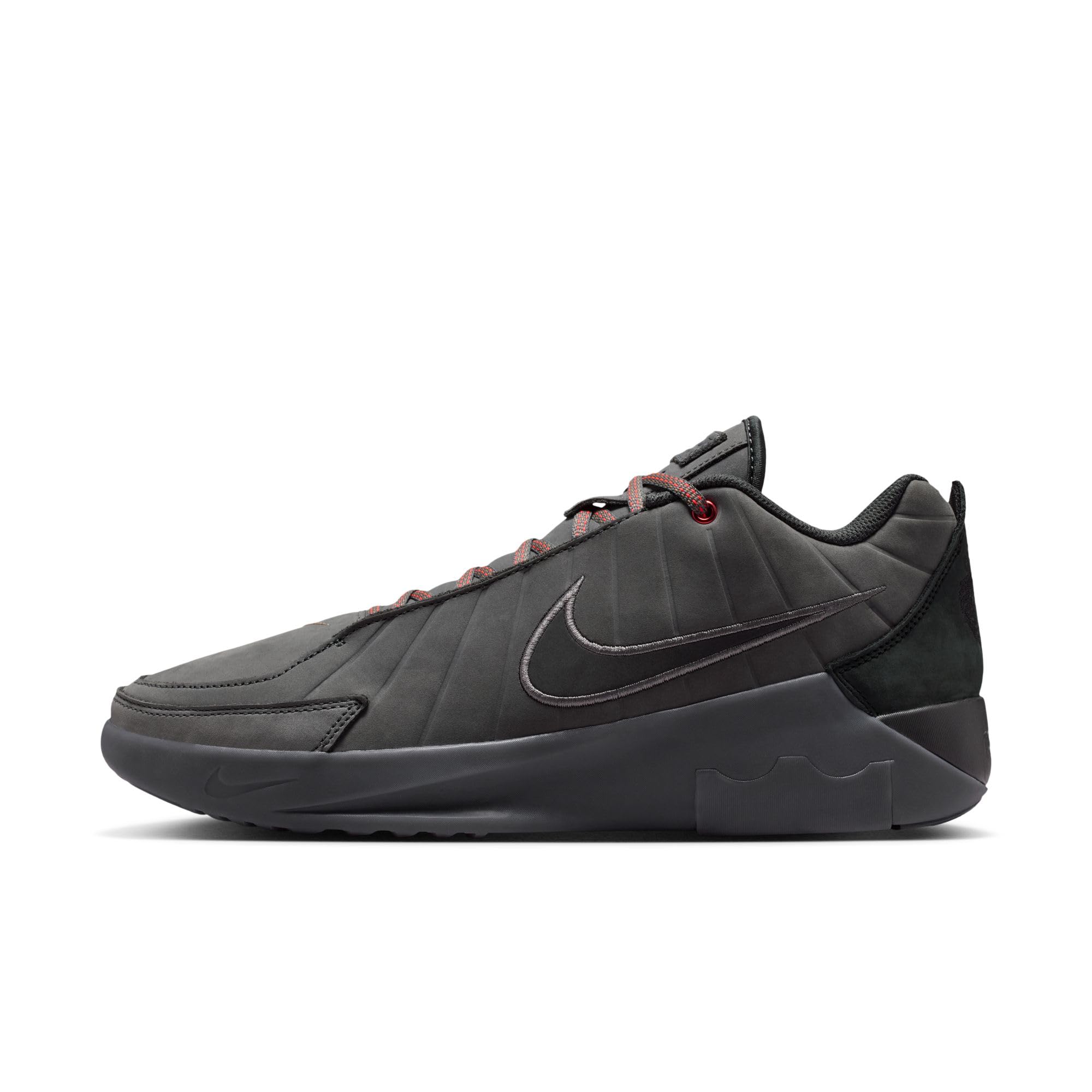
Who Should Buy Ankle Basketball Shoes
High and mid top basketball shoes suit guards and forwards who cut hard, big players who land in traffic, and anyone returning to the court who wants more coverage around the ankle. They also suit outdoor players, since reinforced uppers and tougher rubber handle rough courts.
If you play only occasionally, a well fitting mid top may be enough, while frequent players benefit from stronger cushioning and a more durable outsole.
Key Features to Compare
- Ankle coverage and support: Higher collars and secure lacing help the ankle feel stable during lateral moves.
- Court grip: Outsole pattern and rubber grip affect stops, cuts, and confidence on indoor courts.
- Cushioning for jumps: Impact cushioning protects feet and knees during repeated jumps and landings.
- Lockdown fit: A snug midfoot fit keeps the foot from sliding inside the shoe during quick moves.
- Durability: Reinforced sides and tough outsoles handle outdoor courts and frequent play better.
For related comparisons, see best basketball shoes, best basketball shoes for ankle support, best basketball shoes for ankle braces, best basketball shoes for weak ankles, and best basketball shoes for bad ankles alongside this guide when you weigh nearby options.
Matching Shoes to Your Position and Style of Play
Quick guards who change direction constantly usually want a lower weight, a close fit, and strong lateral containment, so the foot stays on the footbed during hard cuts. A high top that is too heavy can slow them down, so look for a collar that supports without feeling bulky.
Forwards and centers land in traffic and absorb more force, so they tend to favour thicker cushioning, a wider base, and a firm heel counter. Wing players sit between the two and often do best with a balanced cushioned shoe that has a secure strap or lacing system around the midfoot.
Cushioning, Weight, and Traction Trade-offs
Soft, thick cushioning feels comfortable and protects joints on hard landings, but it can feel unstable if the midsole is tall and narrow. Lower, firmer setups feel more connected to the floor and help quick cuts, though they offer less impact protection for heavier players.
Traction is the other balance. Herringbone and multidirectional patterns grip clean indoor floors very well but wear quickly outdoors, while harder rubber lasts on asphalt and concrete with a little less bite. If you play on both surfaces, a durable rubber outsole and a second pair for indoor games is a sensible plan.
Fit, Size, and Ankle Braces
Try basketball shoes with game socks and lace them as you would for play, then check lateral moves and jumps if possible. The ankle should feel supported without cutting circulation or limiting needed movement. If you use an ankle brace, fit shoes with the brace on, since brace bulk changes size needs. Talk with your clinician about persistent ankle pain, swelling, or instability, since shoes alone do not treat ankle injuries.
Leave toe room for jumps and stops, and make sure the heel stays planted when you push off. Sizing differs between makers, so read buyer fit notes and keep the return terms handy.
Everyday Use and Care
Use ankle basketball shoes for court play and break them in with practice before a competitive game. Keep laces snug at the midfoot and ankle, and check grip before games, since dust reduces traction. Replace worn outsoles promptly, because smooth grip raises slip risk on quick stops.
Clean court shoes after play, let them dry at room temperature, and avoid machine heat that warps cushioning. Check laces, eyelets, and outsoles regularly, and rotate pairs if you play often. Good care keeps support and grip consistent through a season.
Mistakes to Avoid
The most common mistake is buying ankle shoes for support while ignoring fit, grip, and cushioning balance. Another mistake is playing in worn shoes with smooth outsoles. Check fit with a brace if you wear one, confirm lateral stability, and replace shoes when grip or cushion fades.
Avoid ordering in a rush because of a sale deadline. Recheck size, fit, and return terms first, and if two options seem equal, choose the one with the better fit and the court surface you play on most.
Frequently Asked Questions
Do high top shoes prevent ankle sprains?
High tops can add a feeling of support, but they do not guarantee protection against sprains. Strength, balance, landing technique, and court condition also matter. If you have repeated sprains, talk with your clinician about bracing and rehab, not shoes alone.
Should I wear a brace with ankle basketball shoes?
Many players do, especially after an ankle injury. Fit shoes with the brace on, since braces change volume needs. A brace plus a supportive shoe can feel more stable, but get clinician guidance on brace type and use.
How tight should basketball shoes be?
Snug at the midfoot and ankle, with toe room for jumps and stops. Overly tight shoes cause numbness and blisters, while loose shoes let feet slide. Lace fully for games and adjust if feet swell during play.
Indoor or outdoor courts: does it matter?
Yes. Outdoor courts wear outsoles faster and need tougher rubber, while indoor courts reward grip and clean soles. Match the outsole to your main court, and wipe soles before indoor games to keep grip consistent.
When should I replace basketball shoes?
Replace them when cushion feels flat, outsoles wear smooth, or support loosens. Grip loss and uneven wear show first during cuts and stops. Do not wait for a slip or ankle twist to replace worn court shoes.
Final Thoughts
The best ankle basketball shoes come down to a secure ankle collar, reliable grip, cushioning that suits your game, and a fit you have checked with your own socks or brace.
Use the product table to compare your shortlist, then choose the pair you trust on the court you play on most.


