
Best Basketball Shoes for Vertical Jump 2026 Guide Tips
Disclosure: We may earn a commission when you buy through links on this page, at no extra cost to you. As an Amazon Associate I earn from qualifying purchases. Learn more
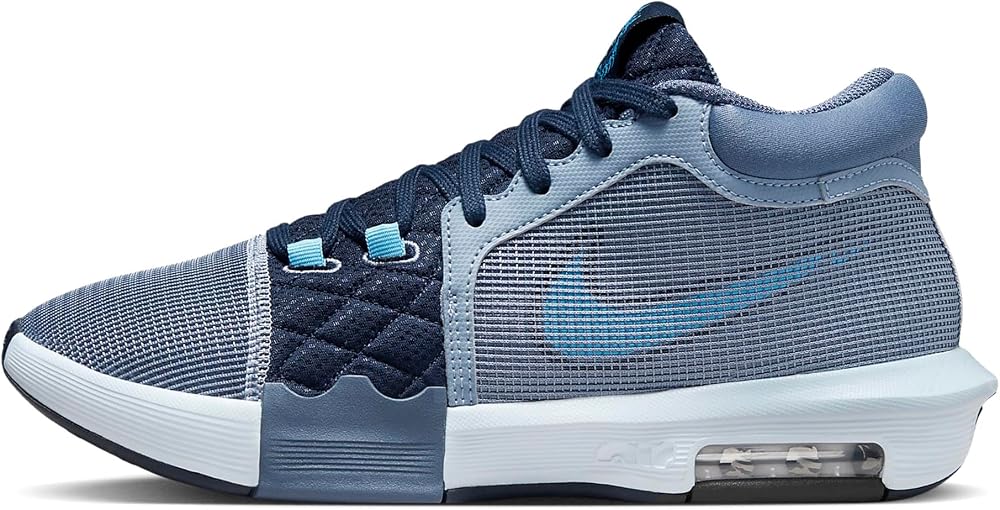
A practical guide to the best basketball shoes for vertical jump: responsive cushioning, lockdown and traction.
The best basketball shoes for vertical jump help you leave the floor quickly and land safely, which takes a different balance of features than a general basketball shoe. Responsive cushioning returns energy at takeoff, a locked down fit keeps the foot stable through the jump, and traction grips the floor the instant you plant. The comparison table below shows the main jump focused approaches so you can compare them side by side.
No shoe adds inches to your vertical by itself, since jumping comes from strength, technique, and practice. The right shoe removes barriers, such as slipping, heel lift, or dead cushioning, so your training shows up fully on court. This guide explains the features that matter for jumping and landing, and how to train safely alongside better footwear.


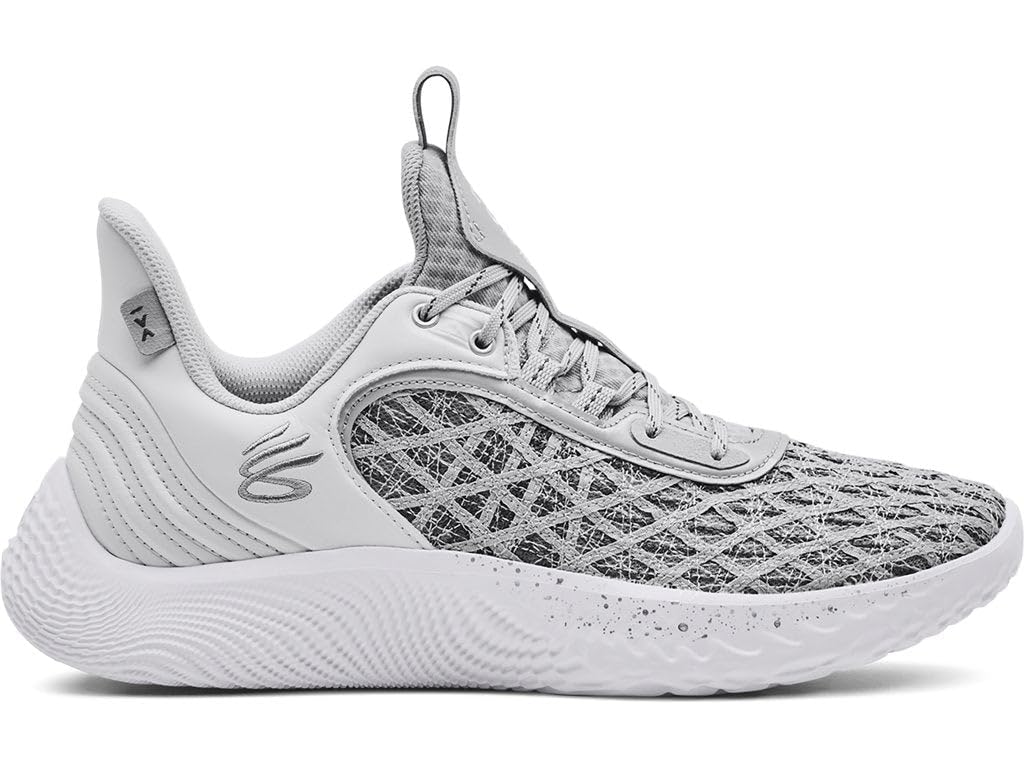

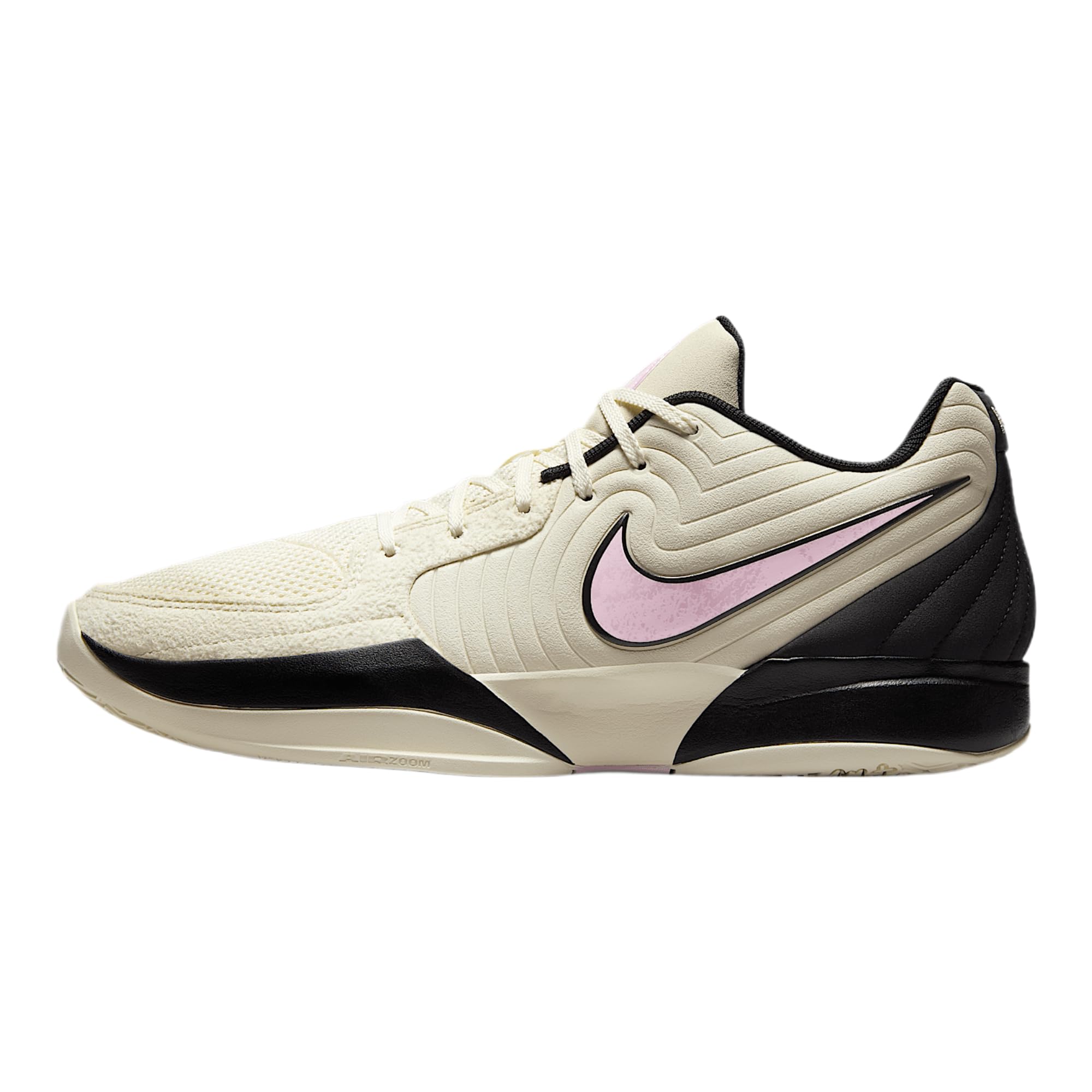

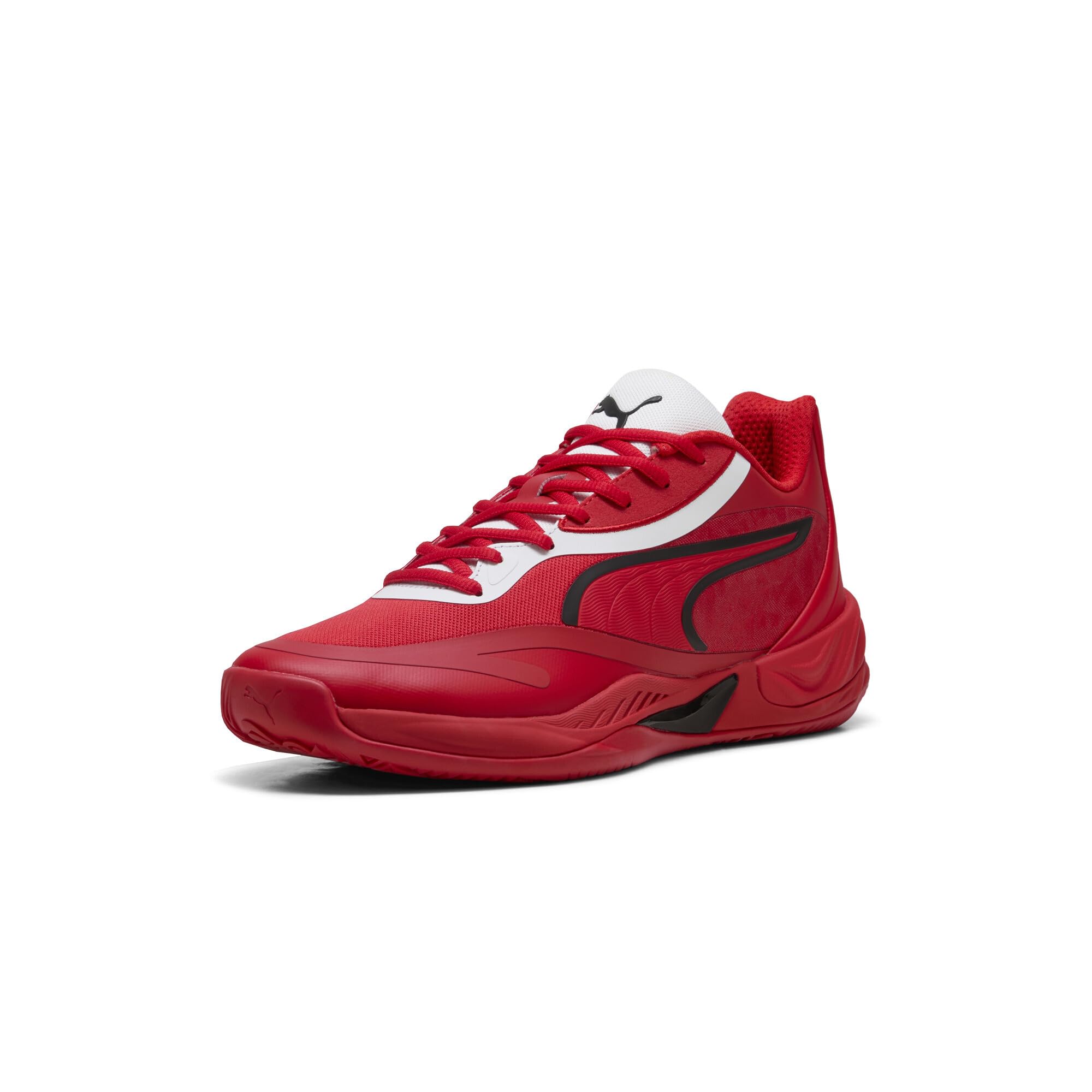


Basketball Shoes for Vertical Jump: Responsive Cushioning and Energy Return
Jumping shoes use responsive foam or air units that compress at takeoff and spring back quickly, giving a lively feel underfoot. That responsiveness helps the foot transition from plant to launch without a dead mushy feeling that wastes effort. Very soft foam feels comfortable but absorbs energy, while firmer responsive foam returns more of it, so try shoes with actual jumps rather than by pressing foam with a hand. When you compare the best basketball shoes for vertical jump, start with responsive cushioning, lockdown and traction.
Cushioning placement matters too, since forefoot cushioning drives takeoff while heel cushioning absorbs landing impact. A shoe with responsive forefoot foam and stable heel cushioning suits jumpers better than a shoe with uniform soft foam throughout. Replace shoes when foam feels flat, since dead cushioning stops returning energy and increases landing stress.
Lockdown, Fit, and Foot Stability
Lockdown keeps the foot from sliding inside the shoe during plant and takeoff, which wastes power and risks ankle rolls. A snug midfoot fit, a secure lacing system, and a heel counter that grips without squeezing all contribute to lockdown. Try shoes on and jump in place, checking for heel lift and forefoot sliding before committing.
Fit for jumping follows standard rules with extra attention to heel hold. Leave a thumbnail width beyond the longest toe, since toes need room on landing, and use heel lock lacing to anchor the heel. A shoe that fits well standing still can still slip during jumps, so try with lateral moves and vertical jumps in the store or at home before a full game.
Traction for Plant and Takeoff
Traction decides whether a plant foot grips instantly or slides and bleeds power. Herringbone and multidirectional tread patterns grip indoor courts well and shed dust during play, while rubber compound affects grip on different floor finishes. Wipe soles during breaks on dusty courts, since dust buildup causes the slips that ruin takeoff timing.
Court condition changes traction needs, so a shoe that grips a clean court may slide on a dusty one. Try shoes on your usual court surface and note how grip feels after several minutes of play, not just on the first step. Consistent grip through a full game matters more than peak grip on a fresh sole.
Weight, Court Feel, and Landing Protection
Light shoes help jumping because less weight on the foot means less effort per jump over a full game. The lightest shoe is not always best, since cutting weight by removing cushioning and support increases landing stress. Balance weight against landing protection, favouring the lightest shoe that still cushions landings and holds the foot securely.
Landing protection comes from heel cushioning, a stable base, and a shoe that keeps the foot aligned on impact. A wide stable base resists rolling on off balance landings, which are common after rebounds and blocks. Strength work for calves, ankles, and hips protects joints far more than any shoe, so pair good footwear with landing technique practice.
Training That Actually Improves Vertical Jump
Vertical jump improves through strength training, plyometrics, and technique work, with shoes playing a supporting role. Squats, deadlifts, and calf raises build the leg power that drives jumping, while plyometric drills such as box jumps and depth jumps train fast force production. Progress gradually, since tendons adapt more slowly than muscles and overloaded tendons become sore or injured.
Technique matters as much as strength: a quick arm swing, a deep but fast countermovement, and a landing that absorbs force through hips and knees all add height and safety. Film your jumps occasionally to check form, and rest between intense jump sessions so muscles and tendons recover. Any sharp pain, swelling, or pain that changes how you walk deserves rest and clinician advice before continuing jump training.
Care, Rotation, and Replacement for Jumpers
Jumping wears cushioning faster than steady running, since repeated impacts compress foam aggressively. Rotate two pairs when you train jumps often, so foam recovers between sessions and lasts longer. Air shoes after every session and avoid heat, which breaks down foam and glue faster.
Replace jumping shoes when responsiveness fades, when the midsole creases deeply, or when traction wears smooth in plant zones. Worn shoes change landing mechanics and increase joint stress, so replacing on time protects knees and ankles. Note the start date of each pair and track jump session frequency to judge replacement honestly.
For the wider basketball range, see best basketball shoes. Jump specific guides include best shoes for vertical jump and best basketball shoes to jump higher.
Frequently Asked Questions
Do basketball shoes really help vertical jump?
Shoes help by removing barriers such as slipping, heel lift, and dead cushioning, but they do not add inches by themselves. Responsive cushioning returns energy at takeoff, lockdown keeps the foot stable, and traction grips the plant foot instantly. Real jump gains come from strength training, plyometrics, and technique work. A good jumping shoe lets training show up fully on court, while a poor shoe wastes effort through slipping and instability.
What cushioning is best for jumping?
Responsive foam or air units that spring back quickly suit jumping best, since they return energy at takeoff rather than absorbing it. Forefoot responsiveness drives launch, while heel cushioning absorbs landing impact. Very soft foam feels comfortable but wastes energy and feels unstable during plants. Try shoes with actual jumps, since hand pressing foam does not show how it performs under body weight and speed.
Should jumping shoes be high top or low top?
Collar height matters less for jumping than lockdown, cushioning, and traction. High tops add ankle support that helps players with ankle history, while low tops feel lighter and freer for quick movements. Choose collar height by ankle stability and personal preference, then judge the shoe by heel hold, forefoot lockdown, and landing cushioning. A well fitting low top with strong lockdown beats a loose high top for jumping.
How do I land safely when jumping?
Land softly with knees bent, hips back, and feet aligned under the body, absorbing force through muscles rather than stiff joints. Avoid landing on straight legs or on a single foot when possible, since those landings stress knees and ankles. Strength work for calves, hips, and core supports safe landings, and technique practice builds good habits. Sharp pain, swelling, or limping after jumping means resting and seeking clinician advice before training again.
How often should I replace jumping shoes?
Replace jumping shoes when responsiveness fades, midsoles crease deeply, or traction wears smooth in plant zones, which for frequent jumpers may be every few months. Repeated impacts compress foam faster than steady play, so jumpers wear shoes out sooner than casual players. Rotate two pairs to extend life and let foam recover between sessions. Track session frequency and start dates to judge replacement by use rather than by appearance alone.
Final Thoughts
Jumping shoes should be judged by responsive cushioning, lockdown, traction, and landing protection working together. The right pair removes slipping, heel lift, and dead foam so your strength and technique show up fully at takeoff and landing. Use the product table above to compare jump focused approaches, then pair good shoes with strength and technique training for real gains. The best basketball shoes for vertical jump support explosive play safely, and persistent pain still deserves rest and clinician advice alongside any footwear change.


