
Best Basketball Shoes to Jump Higher: What Shoes Can and Cannot Do
Disclosure: We may earn a commission when you buy through links on this page, at no extra cost to you. As an Amazon Associate I earn from qualifying purchases. Learn more

Do basketball shoes help you jump higher? Learn what cushioning, weight, traction and lockdown add to a vertical jump.
Shoppers searching for the best basketball shoes to jump higher usually want a quick fix, but the honest answer is more useful: shoes cannot add inches on their own, though the right pair helps you use the jump you already have. Jump height comes mostly from leg strength, technique and body mass. A good shoe supports that by being light, gripping the floor and returning energy on takeoff.
This guide explains which shoe features matter for jumping, how to choose between bouncy and stable styles, and what training does that no shoe can. The product table lists current pairs known for responsive feel.


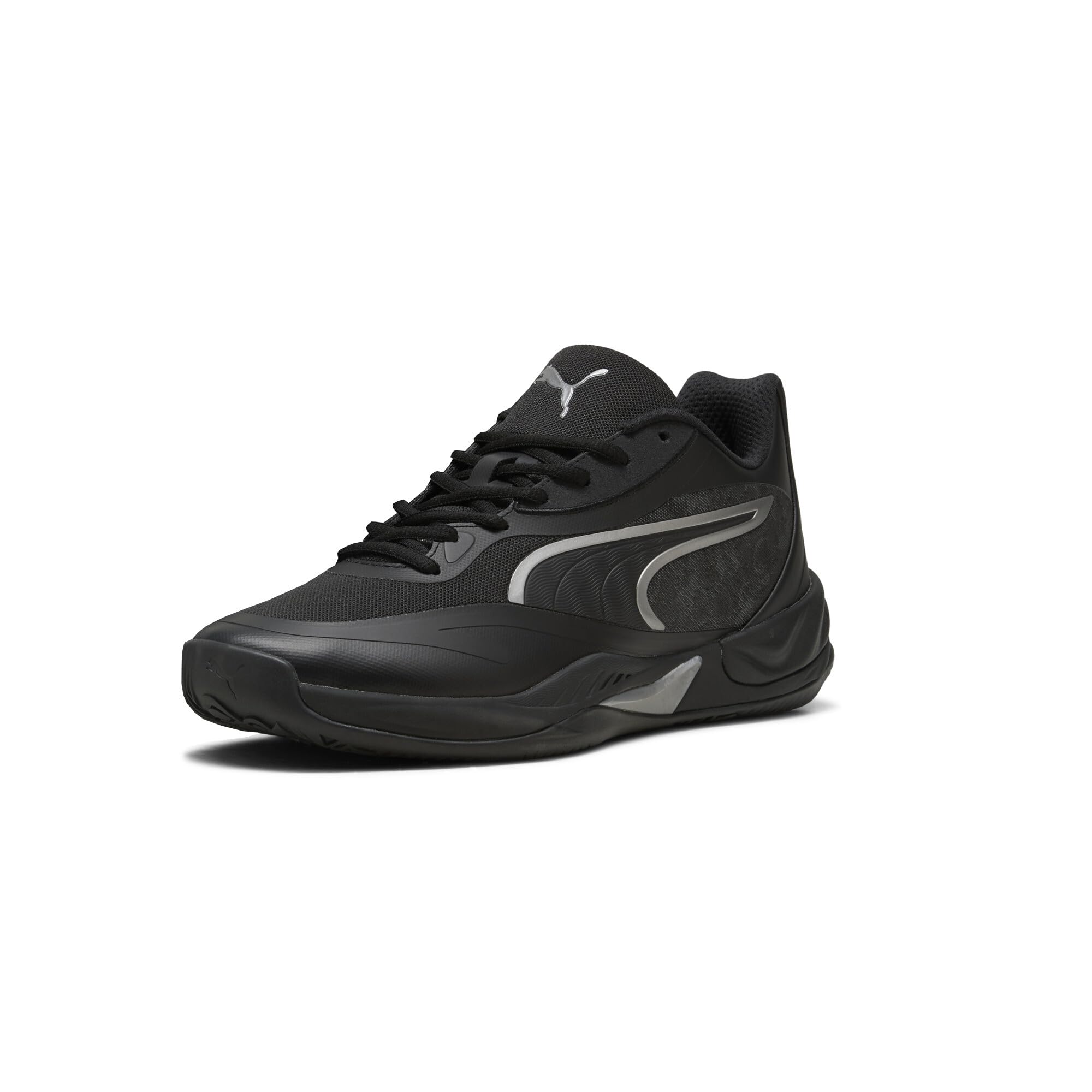


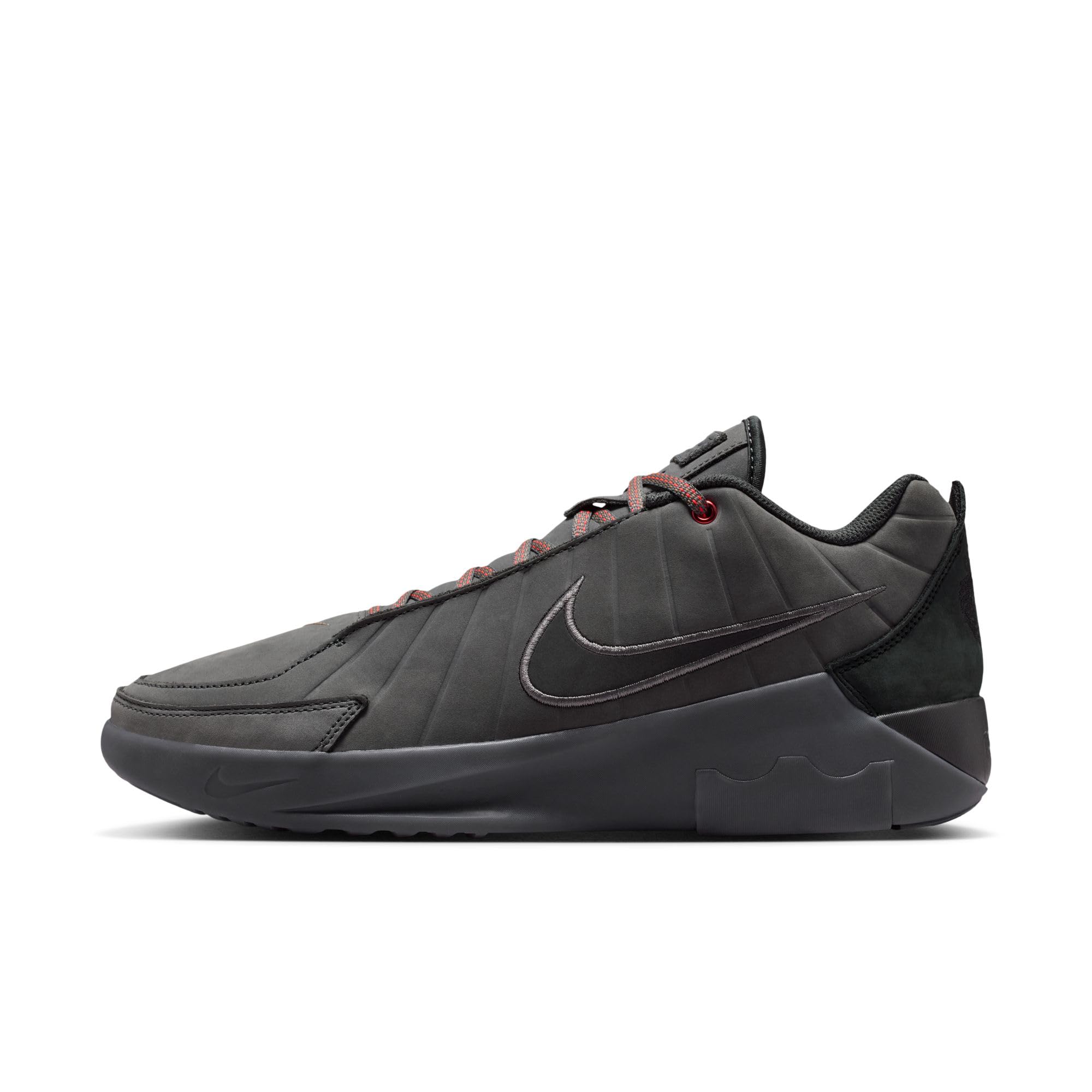
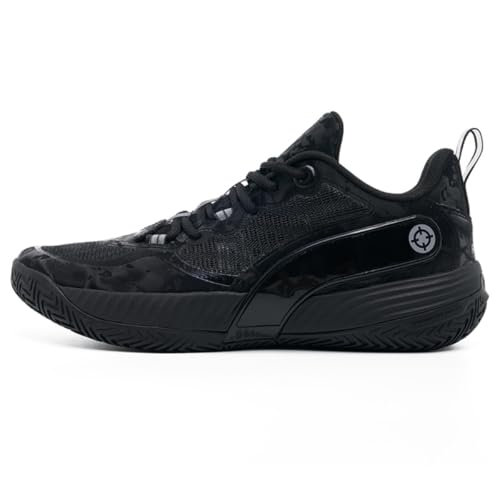
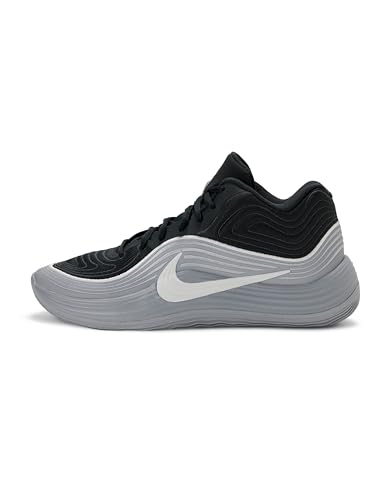
What Shoes Can Actually Do for Your Jump
A jump is a push against the floor. Anything that wastes that push costs height. A slippery sole wastes it, a loose shoe that lets the foot slide wastes it, and heavy shoes slow the leg on the way up. Good shoes remove those losses.
Foam that rebounds can also help a little. Responsive cushioning stores energy as you load the jump and returns part of it, though the effect is small compared with training. Treat claims of big gains from a shoe alone with doubt.
Cushioning Types for Jumpers
Responsive foam feels lively and springs back quickly, which suits players who want energy on takeoff and quick second jumps. Firmer, more stable cushioning feels less bouncy, but it keeps the foot steady on landings, which matters for players who jump and land hard near the rim.
The right balance depends on how you play. Guards who explode off the dribble often like a lighter, springier forefoot. Big men and heavier players usually need a firm heel to protect landings.
Weight and Lockdown
A lighter shoe is easier to lift, and every gram on the foot costs a little energy over a long game. Very light shoes can give up durability and support, so look for a shoe that is light enough to feel quick while still locking the foot in place.
Lockdown means the foot does not slide inside the shoe. A secure midfoot and heel let you transfer force straight into the floor. Lace the shoe firmly, use the top eyelet to lock the heel, and make sure no part of the upper bunches under the arch.
Traction at Takeoff
Traction is what turns leg force into height. A tread with a clean, grippy pattern lets you push without slipping on takeoff, and it keeps cuts and stops reliable. Wipe the soles during breaks on dusty courts, and replace shoes once the pattern is smooth.
Landing Support Matters More Than Takeoff
Most injuries happen on the way down, not up. A stable heel, a wide base and a secure fit protect ankles and knees on landing. If a shoe is bouncy but wobbles on landing, it is the wrong shoe, however good it feels on takeoff.
Training Still Does the Heavy Lifting
Strength work for the legs and hips, plyometric drills and good jumping form raise your vertical far more than any shoe. Squats, lunges and calf raises build force, while box jumps and depth jumps train explosive power. Progress gradually, rest between hard sessions, and learn to land softly. A coach or trainer can check your form and build a plan that fits your level.
- Strength work two or three times a week.
- Plyometrics with full recovery between sets.
- Landing practice, with knees tracking over the toes.
- Enough sleep and food to recover.
Fit and Choosing a Pair
Try pairs late in the day with your game socks. You want a snug heel and midfoot with a little room at the toes for landings. Jump on the spot in the shoes if you can, and notice whether the foot slides or the shoe feels heavy.
See also our guide to the best basketball shoes for vertical jump and the best shoes to jump higher.
Position and Body Type Differences
Guards and wings who rely on quick, repeated jumps often favor a lighter shoe with a responsive forefoot. Players around the rim land harder and more often, so heel cushioning and a stable base matter more to them than a few grams of weight. Heavier players compress soft foam faster, which is why a firmer midsole usually works better for them than a plush one.
Whatever your position, choose the shoe that lets you jump and land with confidence. A shoe you trust encourages full effort, and full effort is where height comes from.
Common Mistakes When Shopping for Jump Shoes
The most common mistake is buying on a promise of extra inches. No shoe delivers that, so judge each pair on weight, grip, fit and stability. Another is choosing the softest cushioning, which feels bouncy in the shop but can wobble on landings. A third is ignoring wear: foam that has gone flat no longer returns energy, so replace shoes when the cushioning feels dead.
Frequently Asked Questions
Can shoes really help me jump higher?
A little, mainly through light weight, grip and responsive cushioning, but they cannot replace training. Jump height depends mostly on strength, technique and body weight.
What training helps vertical jump?
Leg and hip strength work, plyometrics and good technique help most. Progress gradually, rest between hard sessions and learn landing form to protect knees and ankles.
Do I need special insoles to jump higher?
No insole adds meaningful height. A supportive insole can improve comfort and fit, which helps you train consistently.
How should jump shoes fit?
Snug in the midfoot and heel, with a little toe room for landings. A loose shoe slips at takeoff, and a tight one causes blisters and numbness.
When should I stop jumping because of pain?
Stop at once for sharp pain in a knee, ankle, Achilles tendon or foot, or if pain changes how you land. See a doctor or physiotherapist if pain or swelling persists, and rebuild strength before returning to maximal jumping.
Final Thoughts
Pick a shoe that is light, grippy and locked in, with cushioning that suits your weight and position, and put your effort into strength and technique. That combination gives you the most from the best basketball shoes to jump higher, without relying on a shoe to do what only training can.


