
Best Basketball Shoes for Teenage Guys: Matching the Right Model to Your Routine for 2026
Disclosure: We may earn a commission when you buy through links on this page, at no extra cost to you. As an Amazon Associate I earn from qualifying purchases. Learn more

A practical guide to the best basketball shoes for teenage guys: growing feet, grip, cushioning and value.
A shoe that is perfect for a varsity guard can be a poor match for a middle school player who is still growing, and a durable outdoor shoe can feel clumsy on a polished gym floor. Finding the best basketball shoes for teenage guys means matching the shoe to a real routine of practices, games, and growth. This guide sorts players by how they actually play, then explains the features that matter at each level.
Start with the comparison table below to compare weight, collar style, and outsole type at a glance. Then read the sections that follow before you spend, because teen feet change fast and the most expensive option is rarely the smartest one for a foot that will outgrow it by next season.
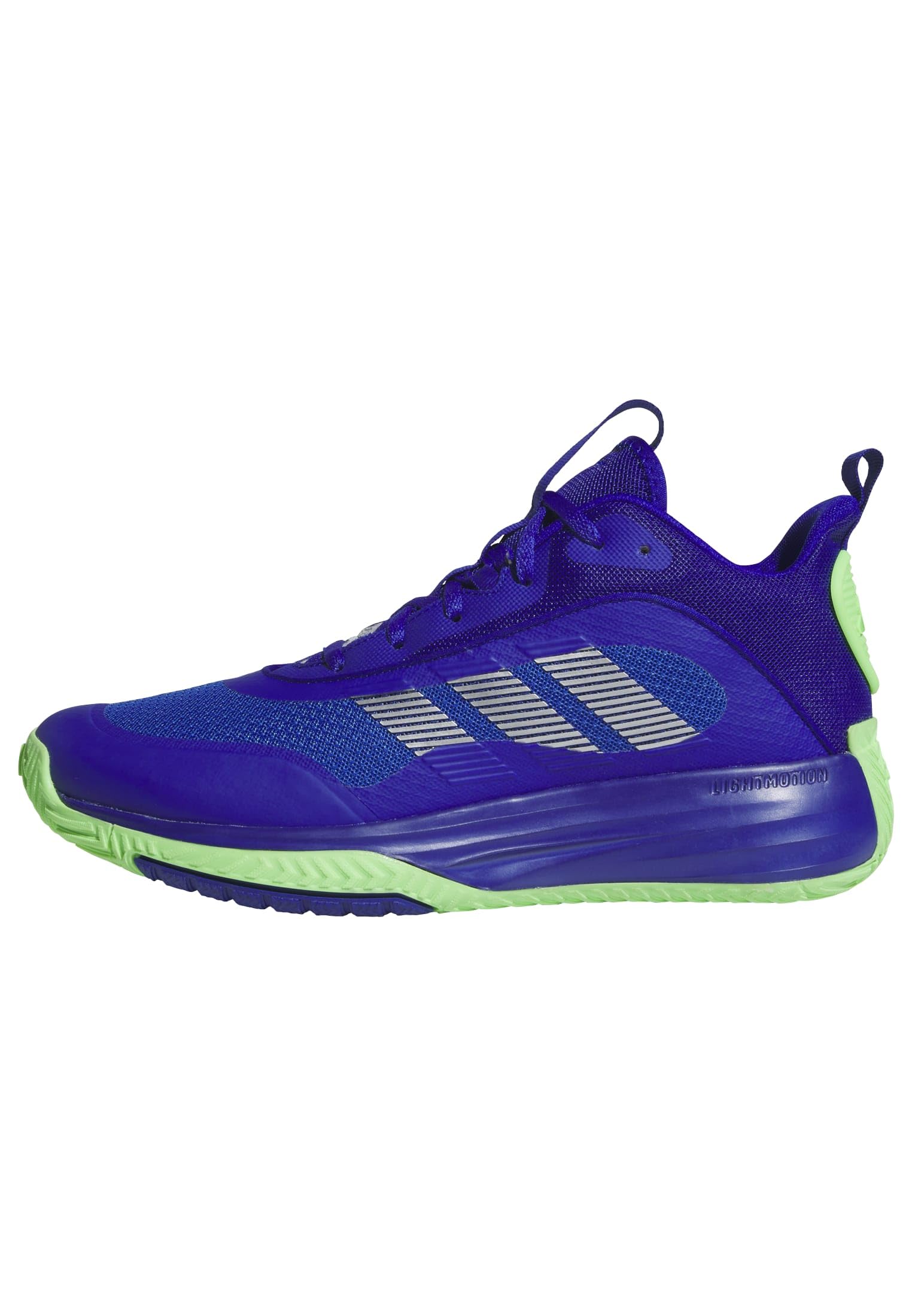


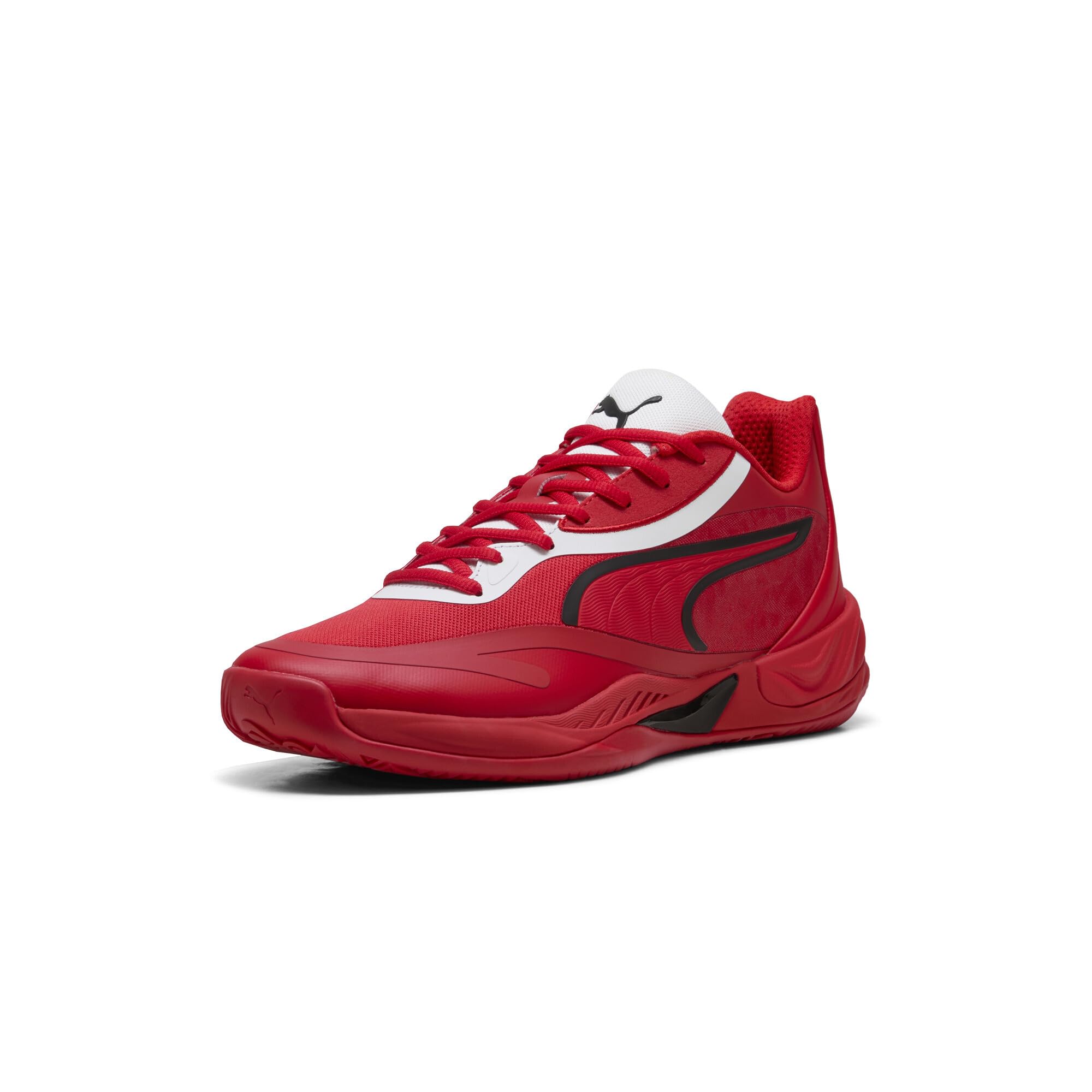


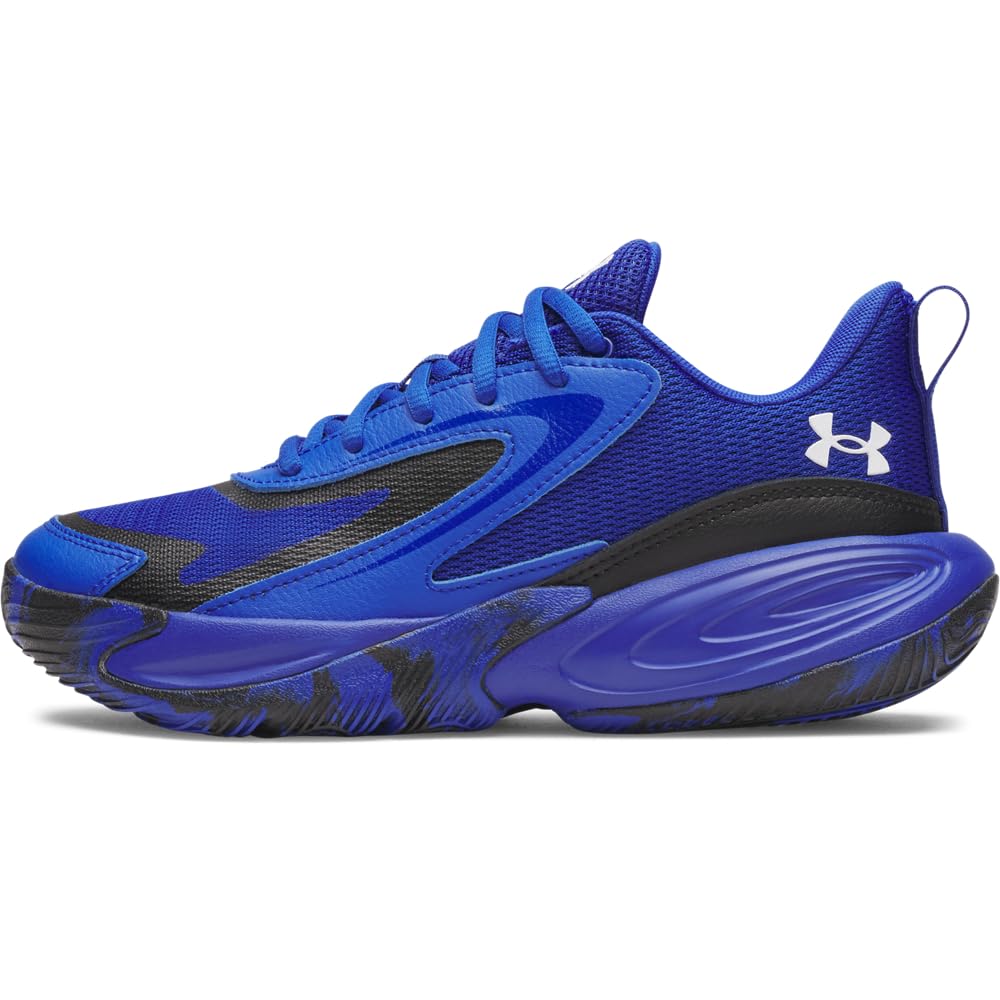
Who Should Buy Which Basketball Shoes?
For Frequent or Serious Users
Teens who practice four or five days a week and play in leagues need cushioning that absorbs repeated landings and an outsole that will not smooth out by midseason. Prioritize a stable heel, strong lockdown through the midfoot, and a warranty or return window that covers early defects. Serious players also benefit from rotating two pairs when the budget allows, since foam that rests a day between sessions keeps its bounce longer and grip stays more consistent. When you compare the best basketball shoes for teenage guys, start with growing feet, grip, cushioning and value.
For Weekend Beginners
Casual players and new team members should choose comfort and a forgiving fit over specialized performance traits. A balanced mid price shoe with decent grip and moderate cushioning handles pickup games and physical education classes well. Since beginners are still learning footwork, a stable base matters more than maximum speed. Avoid buying a size up to grow into, because a loose shoe invites blisters and rolled ankles during the exact months when skills are forming.
Routine matters as much as position. A teen who plays mostly outdoors needs a different outsole from one who plays only in a gym, and a player still growing needs a different budget plan from a senior whose size has settled. Our general guide to the best basketball shoes covers the wider market, while this page keeps the focus on teen fit and growth.
Key Features of Basketball Shoes for Teenage Guys
Size, Weight, and Fit
Measure both feet at the end of the day and use the brand size chart, because teen sizes and adult sizes do not always line up the way families expect. Leave about a thumb width in front of the longest toe, and check that the heel does not lift when you rise onto your toes. Weight matters too: lighter shoes help quick guards, while slightly heavier builds often give bigger players the stability they want. When in doubt, fit the larger foot and use sock thickness to fine tune the smaller one.
Skill Level and Intended Use
Beginners do best in an all around shoe that forgives awkward landings and mixed surfaces. Intermediate players who have settled into a position can choose more deliberately, favoring court feel for ball handling roles or extra cushioning for rebounding roles. Advanced players training daily should treat shoes as equipment with a lifespan, replacing them when grip or foam fades rather than when the upper tears. Matching the shoe to your current level, not the level you hope to reach, prevents most buying regrets.
Materials and Construction
Mesh uppers keep weight low and air moving, which suits indoor play, but they stretch and wear faster outdoors. Synthetic leather and dense woven uppers stand up better to asphalt and to the toe drag that teen players rarely notice they do. Foam midsoles differ in feel, from soft and protective to firm and quick, and some designs add a composite shank for midfoot stability. Check that the outsole rubber is thick at the ball of the foot, since that is where teen players wear shoes out first.
Features That Matter for Teenage Guys
Growing feet and changing bodies create specific needs. Look for a roomy enough toe box for feet that are still widening, strong ankle area structure without a stiff collar that rubs, and cushioning that suits a body weight that may jump noticeably in one year. Durability at the toe and heel matters because teens are hard on shoes outside games too. Finally, consider style honestly: a shoe a teen likes wearing gets cared for, while a shoe he dislikes gets left in a wet bag.
For days when basketball is not on the schedule, our guide to the best shoes for teenage guys covers everyday footwear choices. Bigger and taller teens who need a wider and stronger build can also read our guide to the best basketball shoes for big men, since some of that advice on stability and cushioning applies once a teen reaches adult size and weight.
Common Mistakes to Avoid When Buying Basketball Shoes
- Buying a size up for growth. A loose heel and sliding foot cause blisters and reduce stability on every cut and landing.
- Judging by price or looks alone. A stylish shoe with a soft indoor outsole will not survive a season of outdoor runs.
- Ignoring size, weight, and fit checks. Skipping a proper try on with game socks is the fastest route to an exchange or a sore foot.
- Forgetting the warranty and returns. Teen shoes take heavy use, so a fair return window protects you against early stitching or sole failures.
- Wearing court shoes as daily shoes. Sidewalk miles flatten cushioning and wear tread that you need for grip on game day.
Tips to Get the Most From Your Basketball Shoes
Store your shoes out of direct sun and extreme heat, and never leave them in a hot car trunk, where glue and foam age quickly. Check wear before each use by running a thumb across the tread and looking for smooth spots or cracks near flex points. Clean and dry the shoes after outdoor use, loosening the laces so air reaches the insole, and pull the insoles out after wet sessions.
Two practical habits extend shoe life a lot. First, untie your shoes instead of kicking them off, which protects the heel counter that keeps your foot locked in. Second, keep a simple rotation note on your phone for practice hours, so you can spot when cushioning is due to fade instead of guessing after your knees start to ache.
FAQs
What features matter most in basketball shoes for teenage guys?
Fit comes first, then grip matched to your main court surface, then cushioning suited to how often you play. Because teen feet grow and widen, a shaped heel with a roomy toe box often matters more than advanced foam. Durability at the toe is an underrated factor, since school and outdoor play wear that area fast. A shoe that passes those four checks will serve most teen players well for a full season.
What size basketball shoe should a teenage guy get?
Get the size that fits now, measured at the end of the day with game socks on, with about a thumb width of space at the toe. Do not size up for growth, because the extra length changes where the shoe flexes and lets the foot slide. If one foot is larger, fit that foot. Many families recheck size every few months during growth spurts, and that habit prevents most fit related foot pain.
Does indoor versus outdoor play matter for teen basketball shoes?
Yes, because outsole rubber is made for one surface or the other. Indoor outsoles grip wood well but grind down fast on concrete, while outdoor outsoles are harder and thicker and last longer outside. Teens who split time between both should choose a durable middle option and accept that grip indoors will be good rather than perfect. Tracking your main surface honestly is the simplest way to make shoes last.
Is a premium basketball shoe worth it for a beginner?
For most beginners, no, because fit and regular practice improve a young player far more than advanced materials do. A dependable mid price shoe offers the grip, cushioning, and support a new player needs. Premium money makes more sense later, for a serious player whose size has stabilized and who plays enough hours to feel the difference. Until then, put the savings toward a second pair or toward league fees.
How long do basketball shoes for teenage guys last?
Expect roughly one school season of regular play, or about 75 to 100 hours of court time, before grip and cushioning decline. Growth may end a pair sooner than wear does. Warning signs include smooth tread under the forefoot, a midsole that feels flat, and new foot or knee soreness after normal sessions. When two of those signs show up together, start shopping rather than pushing through the rest of the season.
The Bottom Line
Buy for the feet and the routine you have today: correct current size, grip for your main surface, and cushioning matched to your weekly hours. Skip the size up gamble and the premium markup until size and level settle. Check the product table above against those points, and the best basketball shoes for teenage guys for your season will be clear, comfortable, and ready to be outgrown only when your game outgrows them too.


