
Best Basketball Shoes for Big Men 2026: Fit and Support
Disclosure: We may earn a commission when you buy through links on this page, at no extra cost to you. As an Amazon Associate I earn from qualifying purchases. Learn more

A practical guide to the best basketball shoes for big men: dense cushioning, a wide base and a secure fit.
Players with size and power need shoes that handle contact, hard landings and long minutes, and the best basketball shoes for big men deliver stable cushioning, a wide base and a fit that stays locked in. This guide explains what to look for in cushioning, support, width and durability, and how to choose between the types in the product table. It also covers sizing and care so the pair you pick lasts a full season.
Bigger bodies compress foam faster and put more sideways force on the outsole, so the details matter more than they do for a lighter player.


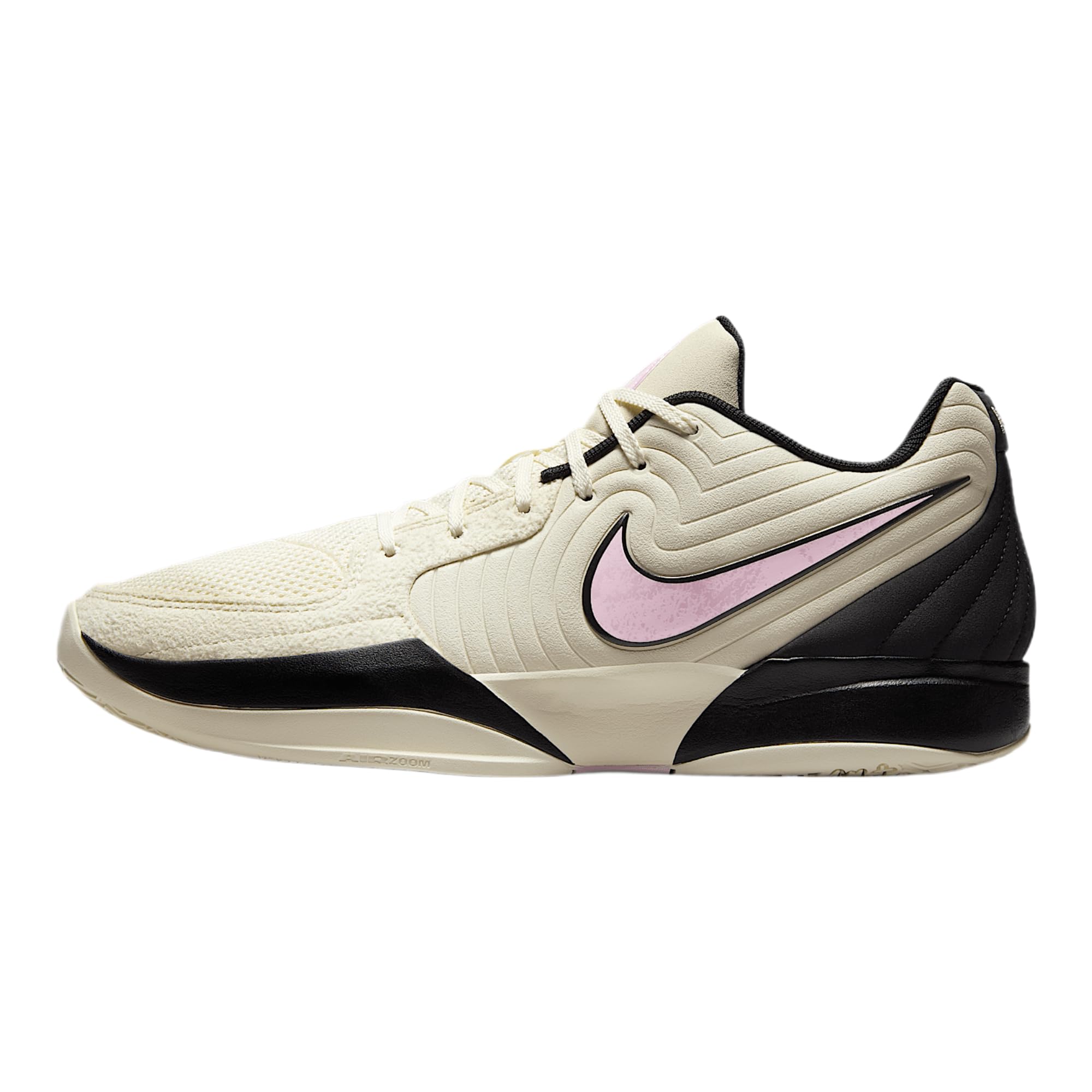


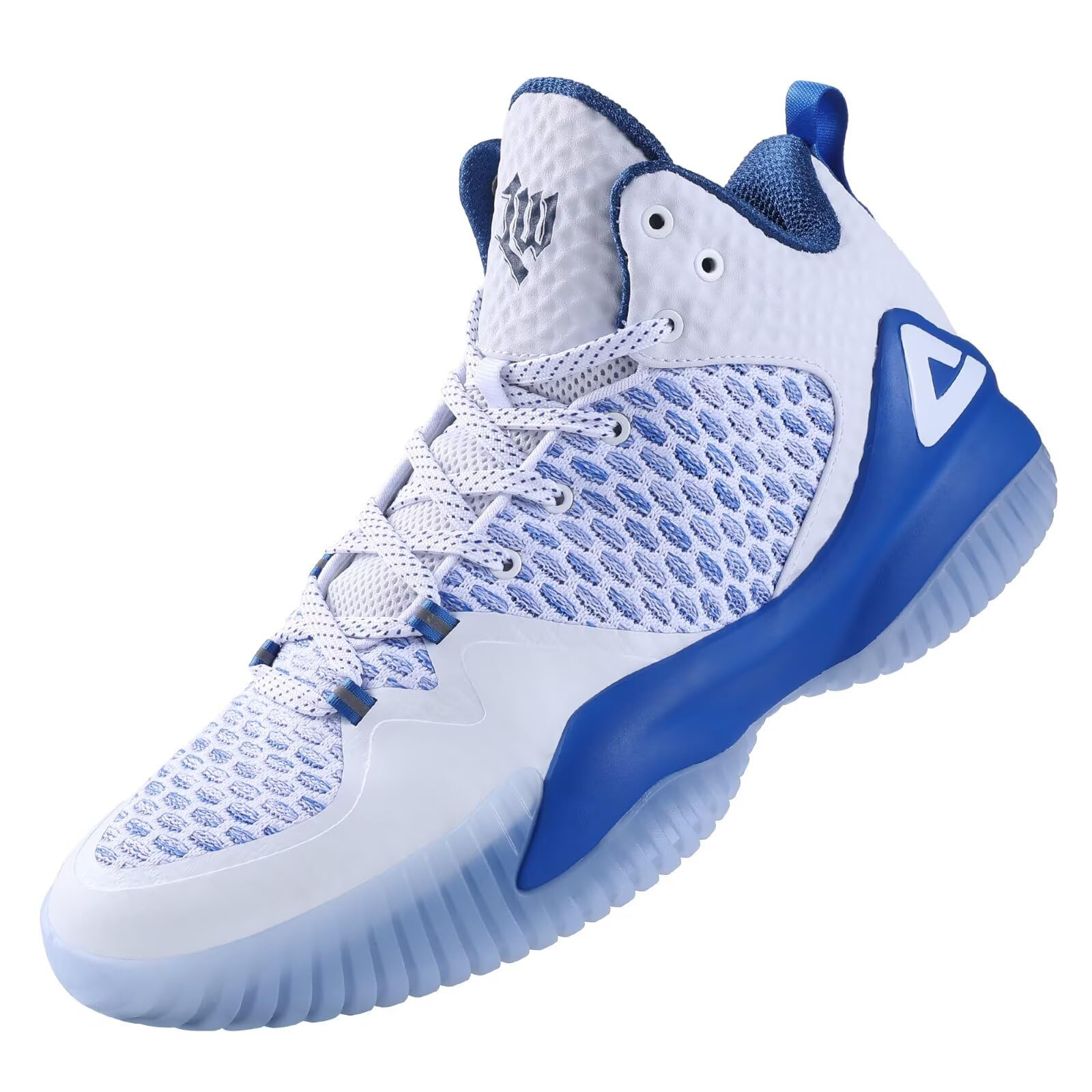
What Matters Most in Basketball Shoes for Big Men
Cushioning is the first point. Dense, thick foam holds up better under heavier landings, and a shoe that bottoms out after a few weeks stops protecting the knees. Look for a midsole that feels firm but not harsh, and press the heel to check that it recovers quickly. When you compare the best basketball shoes for big men, start with dense cushioning, a wide base and a secure fit.
Stability comes next. A wide outsole platform resists rolling when you plant and push, and a firm heel counter keeps the foot centered over the sole. Avoid shoes that feel tippy when you shift weight from side to side.
Durability finishes the list. Big men drag toes, pivot hard and land with force, so reinforced toe caps, solid rubber outsoles and well-stitched uppers matter.
Width, Volume and Fit
Many larger players have wider or higher-volume feet. If the forefoot feels pinched or your toes go numb, try a wide version or a different brand instead of sizing up in length, which only causes heel slip. Lace with a runner loop to lock the heel without squeezing the front of the foot.
Fit shoes later in the day, since feet swell during play, and wear the socks you use in games. Leave about a thumb width in front of the longest toe, and check both feet because one is often slightly larger.
Cushioning Systems Compared
- Foam midsoles give a consistent feel and are easy to live with for daily play.
- Air or gas units feel springy and suit players who want a lively ride, though some feel higher off the floor.
- Gel or dense inserts can spread pressure under the heel and help with sore joints.
Whichever type you pick, pay attention to how it feels after several jumps rather than on the first step, since heavier players find out quickly whether a foam can keep up.
Who Should Buy Which Type
- Post players and rebounders benefit from stable, high-collar or mid-cut shoes with a wide base.
- Mobile bigs who run the floor usually prefer lighter mid-cut shoes with a lively forefoot.
- Older or returning players should put cushioning and joint comfort first, and start with short sessions.
For the same advice from another angle, see best basketball shoes for centers and best basketball shoes for heavy players.
Care, Rotation and Replacement
Air your shoes after every session and clean the outsoles so dust does not bake into the rubber. Rotate two pairs if you play several times a week, since foam recovers between sessions and lasts longer. Replace a pair when cushioning feels flat, traction is smooth under the forefoot or the upper tears near flex points.
If knee, foot or ankle pain lingers for more than a few days, or you notice swelling, rest and speak with a clinician rather than relying on footwear alone.
Weight, Court Feel and Position
Heavier shoes tend to feel more protective, but a shoe that is too heavy tires legs by the fourth quarter. Ask yourself how much you run versus how much you post up. A big man who runs the break benefits from a lighter mid top, while one who stays near the rim can accept more weight for added protection.
Court feel is the other trade-off. A very thick midsole can feel stable and soft, but it lifts the foot away from the floor and makes quick changes of direction harder to read. A moderate stack height with a wide base gives most big men the best mix of protection and control.
Traction on Different Courts
Indoor courts reward a herringbone or multidirectional tread in softer rubber, while outdoor blacktop wears that rubber fast. If you play on both, keep an indoor pair for the gym and a tougher pair for outside. Wipe the soles on a damp cloth during breaks, because dust is the most common cause of slipping, particularly under heavier players who generate more force on each plant.
Common Mistakes to Avoid
- Choosing style over fit. A popular colorway does not help if it pinches.
- Lacing too tightly. Over-tight laces can cut circulation and cause numbness; lock the heel and ease the forefoot.
- Ignoring worn cushioning. Compare an old pair with a new one side by side to judge how much support is gone.
- Skipping a warm-up. Cold calves and Achilles tendons handle big landings poorly.
Frequently Asked Questions
Do big men need high top shoes?
Not necessarily. High tops feel supportive, but fit, heel hold and ankle strength matter more than height. Choose the collar that feels secure without limiting movement.
Should I buy a wide size?
If your forefoot feels squeezed or your toes overlap, yes. Width is as important as length, and a wide last also gives a steadier base.
Are expensive shoes worth it for bigger players?
Higher prices often buy better foam and tougher uppers, which matter under heavy loads. Fit and durability for your playing time matter more than the price tag.
How long do shoes last for a bigger player?
A heavier player may wear out cushioning in a season or less of regular play. Watch for flat foam, smooth tread and new soreness after games.
Can insoles help?
A supportive insole can improve comfort and arch support, but it will not fix a shoe that is the wrong size or shape. Try the shoe first, then add an insole if you need one.
Final Thoughts
The best basketball shoes for big men offer dense cushioning, a wide stable base, a secure fit and tough construction. Compare the options in the product table, check width and heel hold first, and plan to rotate and replace pairs on time.


