
Best Basketball Shoes for Sever's Disease 2026: A Buying Guide
Disclosure: We may earn a commission when you buy through links on this page, at no extra cost to you. As an Amazon Associate I earn from qualifying purchases. Learn more

A practical guide to the best basketball shoes for sever's disease: heel cushioning, a firm heel cup and a fit for growing feet.
Young athletes who have heel pain linked to growth can find basketball uncomfortable, and the best basketball shoes for sever's disease focus on heel cushioning, a secure heel cup and a fit that suits growing feet. This guide explains what to look for, how to fit and care for a pair and why a doctor should guide any plan for a child with heel pain. Shoes can improve comfort during play, but they do not diagnose or treat a condition.
Sever's disease is a common cause of heel pain in active children and young teens, often during growth spurts. If your child has heel pain, ask a doctor or podiatrist to check it before relying on footwear changes.

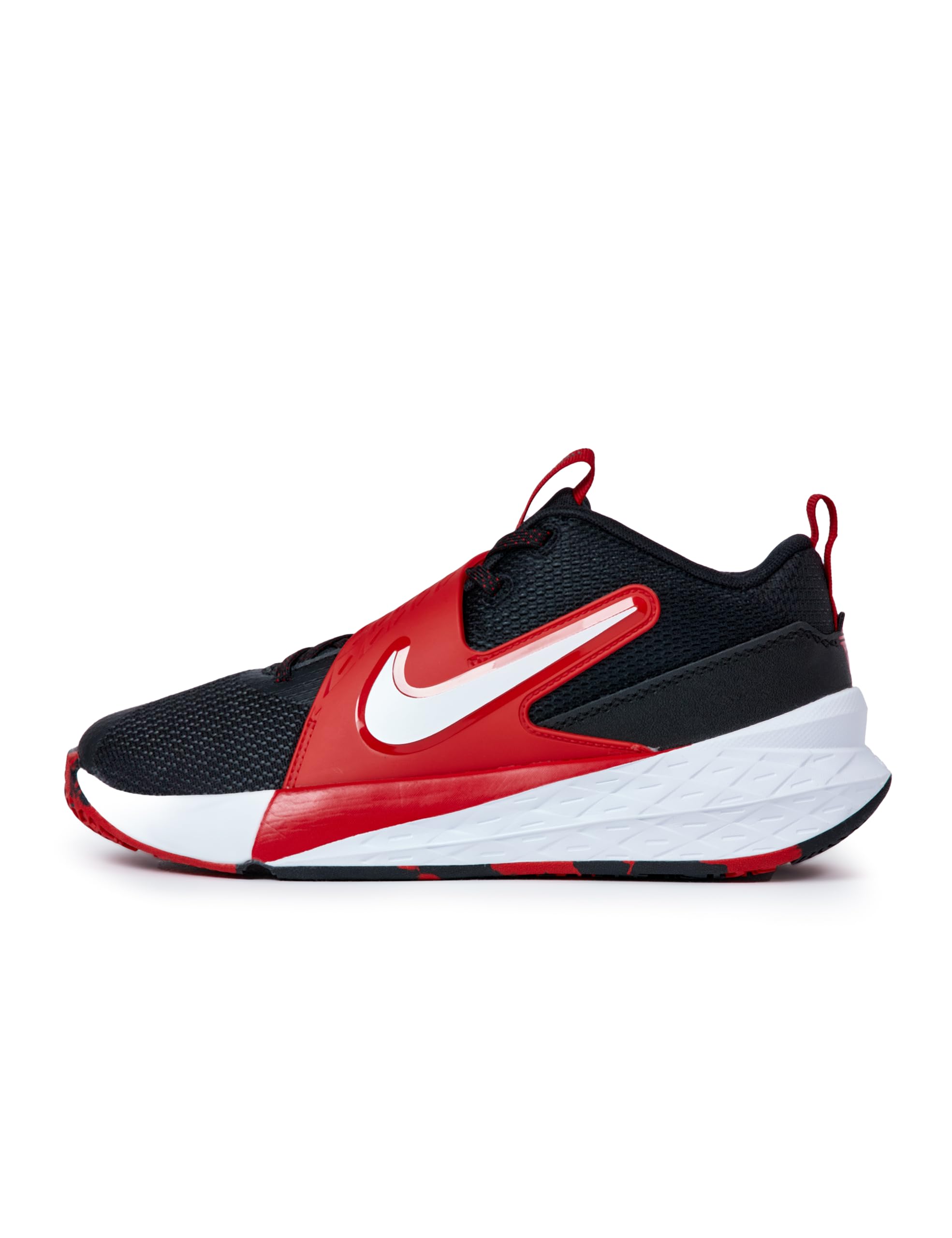
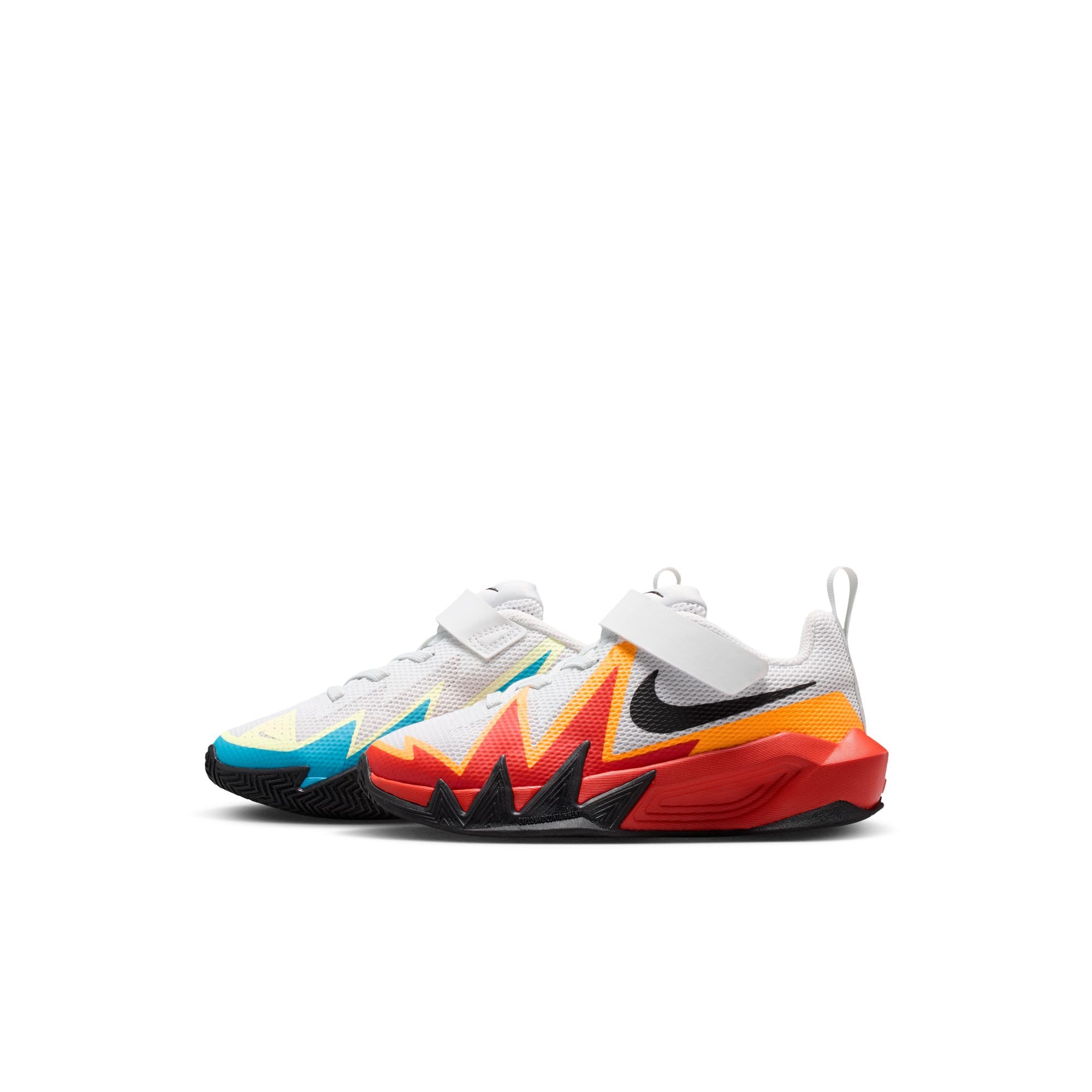
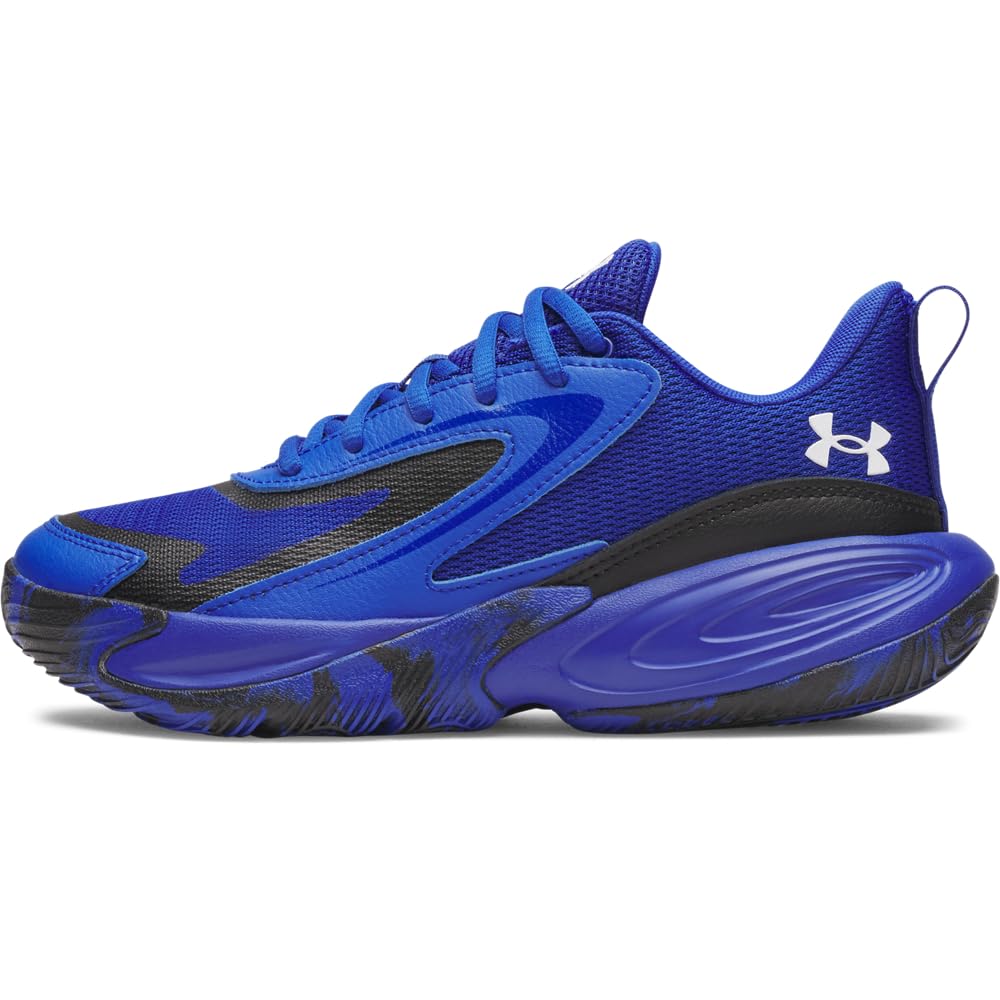


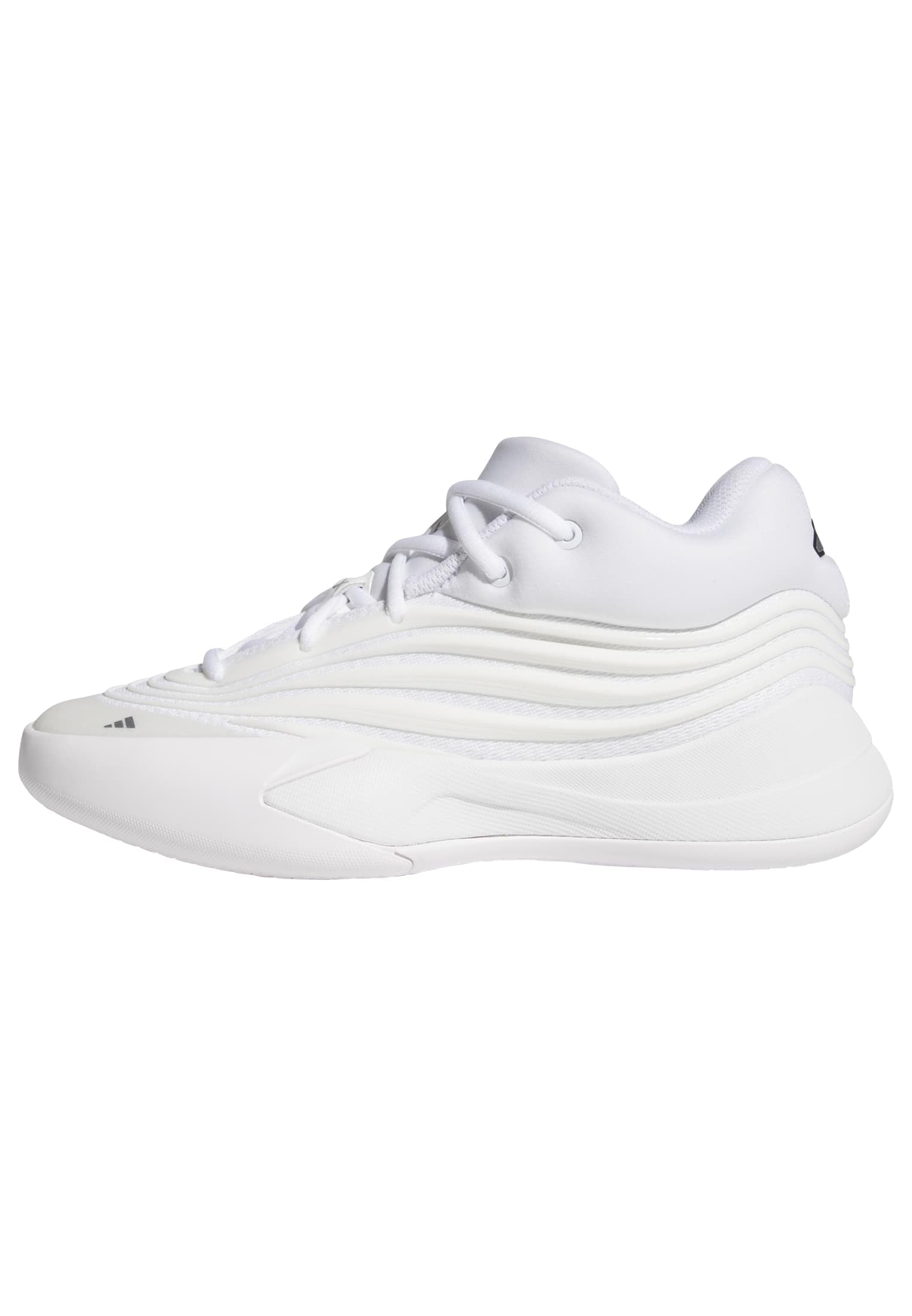
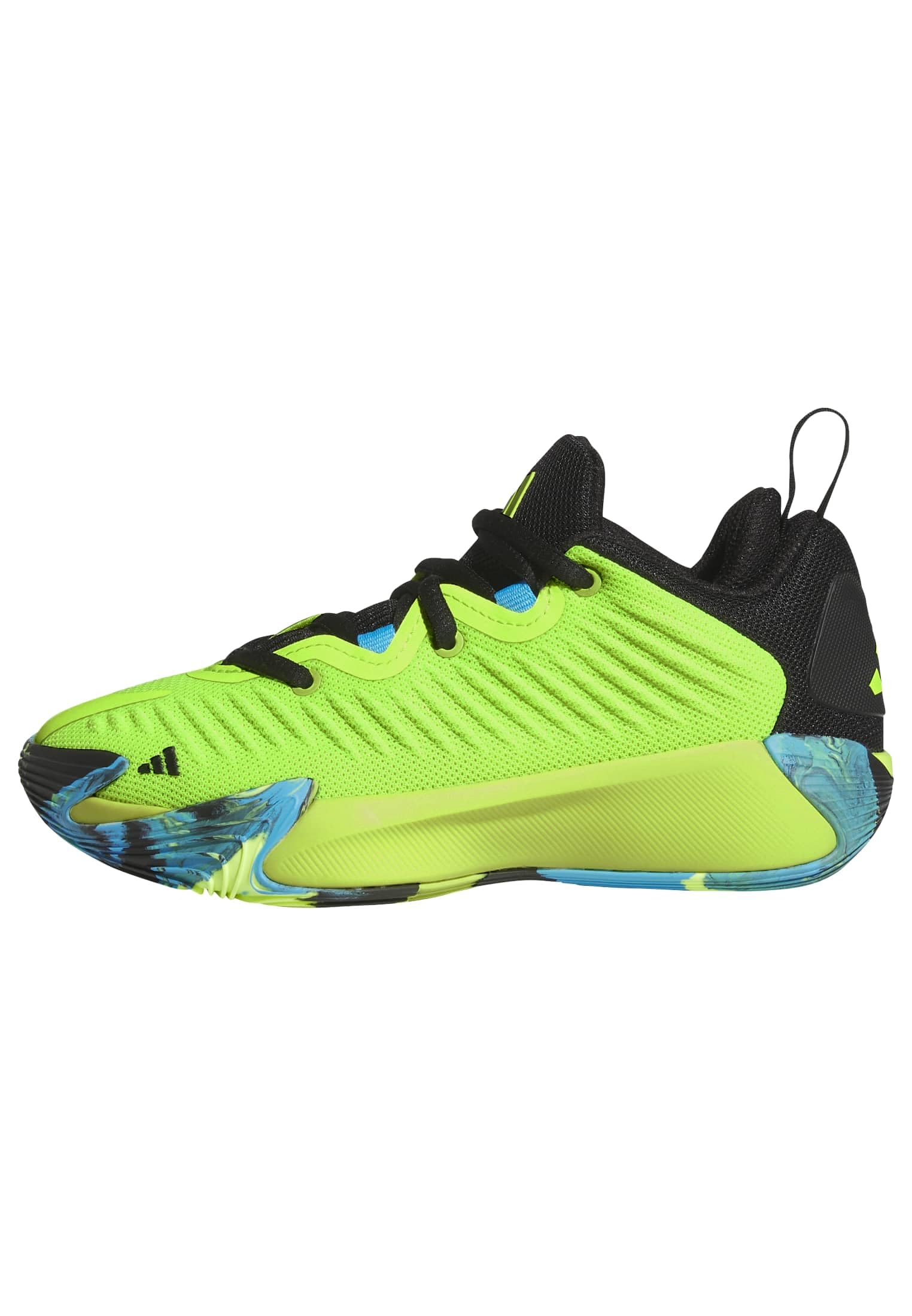
Basketball Shoes for Sever'S Disease: What to Look For in a Shoe
Start with heel cushioning. Thick, responsive foam under the heel absorbs landing impact before it reaches the back of the heel. The cushioning should feel supportive, not mushy, and it should cover the whole heel area rather than just the forefoot. When you compare the best basketball shoes for sever's disease, start with heel cushioning, a firm heel cup and a fit for growing feet.
Next, check the heel cup. A firm, well-shaped heel counter holds the heel in place and limits sliding, which reduces strain on the tender area. The shoe should feel snug at the midfoot so the heel is not left to do all the work.
Finally, look at the shape of the footbed. A contoured footbed with modest arch support spreads pressure along the foot, and a removable insole lets a clinician recommend an insert or heel cup if needed.
Sizing for Growing Feet
Children and teens grow quickly, but sizing up for growth is a mistake. A loose shoe lets the heel slide, which can irritate a sore heel and cause blisters. Buy the size that fits now, with about a thumb width in front of the longest toe, and recheck the size every few months during growth spurts.
Try shoes in the afternoon, when feet are slightly larger, and use the socks worn for games. Have your child walk, jog and do a few side-to-side steps. If the heel lifts or the toes press the front, try another size or model.
Choosing a Shoe Type
- Cushion-focused shoes have generous heel foam and suit players who land hard.
- Stable all-round shoes combine moderate cushioning with a firm heel cup and suit most young players.
- Lightweight shoes feel quick but often have thinner heel padding, so use them with care while the heel is sore.
Collar height matters less than cushioning and fit. Mid-cut shoes often feel secure for young players, but a snug low cut can work as well.
Playing Time, Rest and Recovery
Active kids often play several sports, and a heavy schedule can aggravate heel pain. Build playing time gradually, include rest days and warm up with light jogging and gentle calf stretches before games. Soft surfaces such as wood courts are kinder than concrete, so limit long sessions on hard outdoor courts while the heel is sensitive.
Follow your doctor's advice on rest, stretching and any inserts. Avoid playing through sharp or worsening pain, and speak to a doctor if pain lasts, changes how your child walks or wakes them at night.
Care and Replacement
Check the shoes often. Replace a pair when the heel foam feels flat, the heel counter leans or tread has worn smooth, since worn shoes lose their protective effect. Rotate two pairs if your child plays many days a week and let the foam recover between sessions. Keep shoes out of hot cars and wipe the soles before games.
For related reading see best basketball shoes for heel pain and best basketball shoes for teenage guys.
Practical Tips for Parents
Keep a simple record of when pain appears, such as after long practices or on hard courts, and share it with the doctor. Check your child's old shoes for uneven wear at the heel, which can show how they land. Encourage them to warm up properly and to speak up when the heel hurts, rather than playing through it.
Pack spare socks, since damp socks rub and can add to heel discomfort. Finally, avoid hand-me-down shoes whose cushioning has already worn out, because a heel that is already sore needs fresh padding.
Common Mistakes to Avoid
- Sizing up for growth, which allows heel slip.
- Using old, worn-out shoes whose heel cushioning has collapsed.
- Letting a child play long sessions on hard concrete during a painful period.
- Ignoring a doctor's advice about rest, stretching and inserts.
- Choosing a shoe for style and overlooking heel support.
Young players also benefit from keeping spare, dry socks in the bag and from changing out of damp shoes soon after games, since cold, wet feet can feel worse when the heel is already sore.
When to Ask a Professional
Heel pain in a growing child is worth a proper check, because other problems can feel similar. A doctor or podiatrist can examine the heel, discuss activity levels and recommend options such as stretching, rest from certain activities or heel support. Bring the shoes your child currently wears, since their wear pattern can help the professional understand how the foot lands and whether the footwear needs changing.
Frequently Asked Questions
Can shoes cure Sever's disease?
No. Supportive, cushioned shoes may make play more comfortable, but treatment and a plan for activity should come from a doctor or podiatrist.
Should my child wear the shoes all day?
Supportive shoes can help off the court too, because flat, hard-soled shoes keep loading the heel. Ask your doctor what is right for your child.
Do heel inserts help?
Some doctors suggest heel cups or inserts. Choose a shoe with a removable insole so an insert fits without crowding the toes.
Is it safe to keep playing?
That depends on the level of pain and the advice from your doctor. Sharp or worsening pain means rest and a professional check.
How often should we replace shoes?
Growing feet and heavy play mean shoes may only last a season or less. Replace them when they no longer fit or when support has faded.
Final Thoughts
The best basketball shoes for sever's disease offer cushioned heels, a firm heel cup, a snug fit and room to grow only through regular size checks. Compare the options in the product table, check heel foam and fit first and follow your doctor's advice for rest and care.


