
Best Basketball Shoes For Heel Pain 2026 Buying Guide
Disclosure: We may earn a commission when you buy through links on this page, at no extra cost to you. As an Amazon Associate I earn from qualifying purchases. Learn more

A practical guide to the best basketball shoes for heel pain: heel cushioning, a firm heel cup and arch support.
Sore heels can turn every jump and sprint into a problem, and the best basketball shoes for heel pain focus on heel cushioning, a stable heel cup and arch support that spreads pressure. This guide explains what to look for, how to fit and care for a pair and when to see a clinician. Shoes can reduce strain during play, but they do not diagnose or treat the cause of heel pain.
Heel pain can come from several sources, including irritation of the tissue under the foot, tendon soreness at the back of the heel or growth-related irritation in young players. That is why persistent pain deserves professional advice.

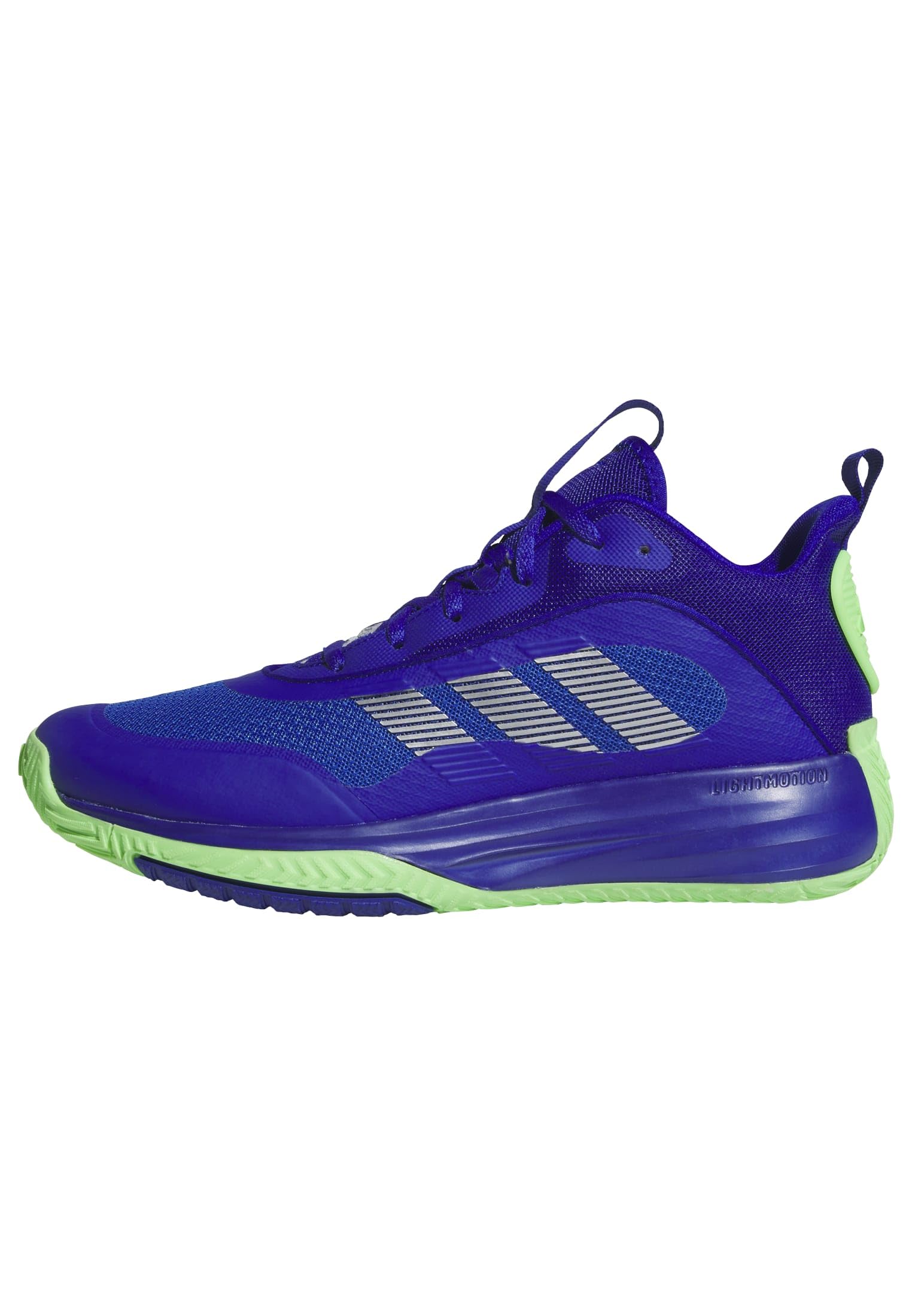


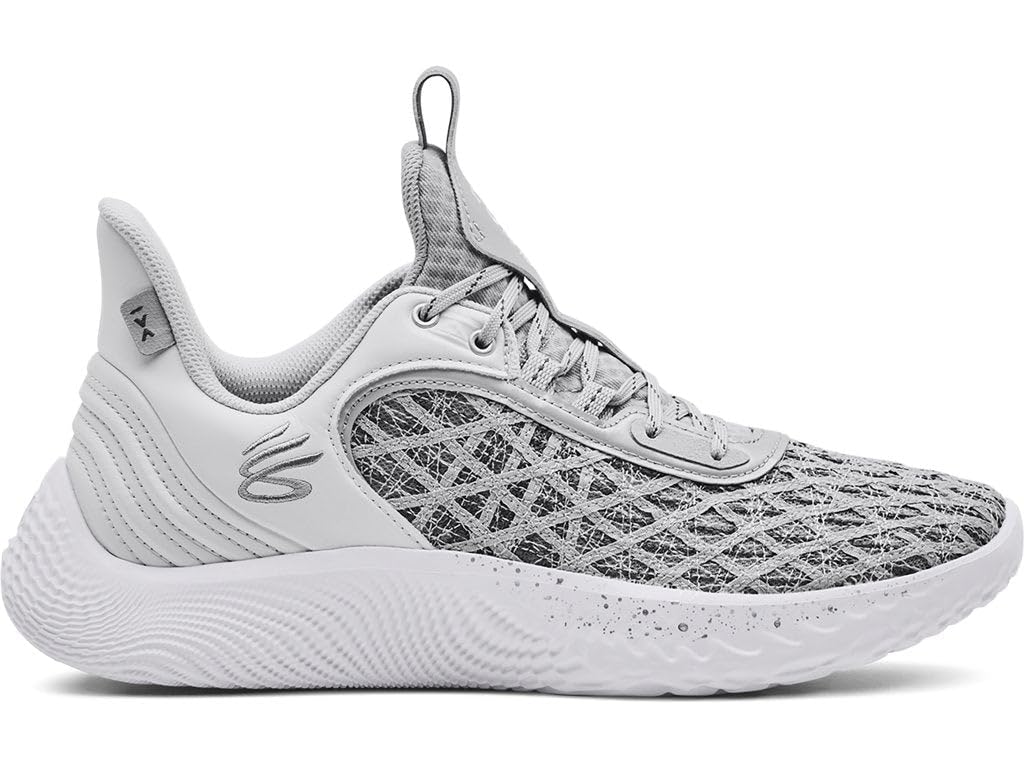

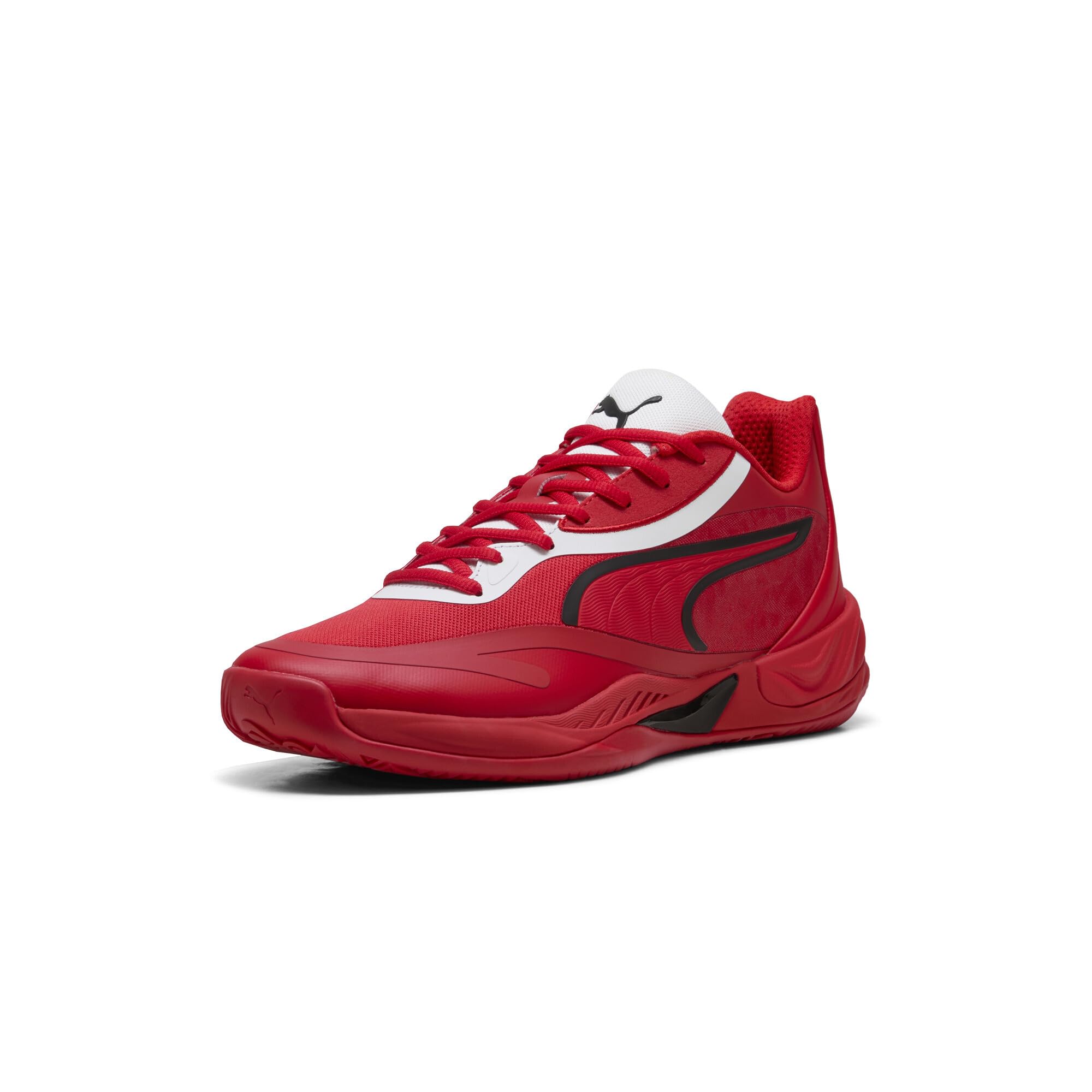

Basketball Shoes for Heel Pain: Features That Help Sore Heels
Start with heel cushioning. Thick, responsive foam under the heel absorbs the shock of landing before it reaches the bone. Check that the cushioning sits under the heel itself, not just under the forefoot, and that it does not feel mushy. When you compare the best basketball shoes for heel pain, start with heel cushioning, a firm heel cup and arch support.
Next, look at the heel counter. A firm cup holds the heel in place and stops it from sliding or rolling, which reduces strain on the tissue around it. The shoe should also feel snug at the midfoot so the heel is not left to do all the work.
Arch support and a contoured footbed help spread pressure along the foot. A removable insole lets you add a supportive insert or an orthotic from your clinician.
Fit, Break-In and Socks
Leave a thumbnail to thumb width in front of the longest toe, and make sure the heel stays put when you walk, jog and cut sideways. Fit shoes late in the day, when feet are slightly larger, and wear the socks you play in. Cushioned athletic socks add a little padding and reduce friction.
Break new shoes in gradually. Start with short, easy sessions, and stop if sharp heel pain, numbness or blisters appear. Mild stiffness is normal, but pain is a signal to adjust the lacing, the socks or the size.
Choosing a Shoe Type
- Cushion-focused shoes have thick heel foam and suit players who land hard.
- Stability-focused shoes use a wide base and firm structure, and help players whose feet roll inward.
- Lightweight shoes feel fast but often have thinner heel padding, so use them with care when your heels are sore.
Collar height matters less than cushioning and structure. Choose the cut that feels secure, then judge the shoe on its heel foam and support.
Daily Habits and Recovery
Gentle calf and foot stretches, rest days and supportive footwear off the court all help. Avoid walking barefoot on hard floors for long periods while symptoms persist. Build playing time slowly after a break, and rotate two pairs so the foam recovers.
If heel pain lasts more than a few weeks, worsens or changes the way you walk, talk with a clinician or podiatrist. Early advice can prevent a small problem from turning into a long layoff.
Care and Replacement
Replace shoes when the heel cushioning feels flat, the heel counter leans or the tread wears unevenly. Worn shoes can increase strain on sore heels. Keep shoes out of hot cars and wipe the soles before games.
For related reading see best basketball shoes for plantar fasciitis and best basketball shoes for foot pain.
Who Benefits Most
Players who land hard, such as forwards, centers and dunkers, load the heel the most, but guards who stop and cut sharply can also feel it. Younger players in growth spurts sometimes develop heel soreness as well, and they should have their shoes checked for fit and cushioning, plus advice from a clinician if pain persists. Older players returning to the court often benefit from extra heel padding and a gradual return to full games.
Common Mistakes to Avoid
- Choosing shoes for style rather than heel support.
- Wearing worn-out pairs whose cushioning has collapsed.
- Buying a size too small, which squeezes the foot.
- Ignoring supportive socks or insoles that a clinician has suggested.
- Playing through sharp pain instead of resting.
- Wearing flat sandals all day, which keeps loading the heel off the court.
Sizing and Lacing Tips
A shoe that is too loose lets the heel slide, and a shoe that is too tight pushes the heel against the counter. Aim for a snug but comfortable fit with the heel locked and the toes free to spread. A heel-lock lacing pattern, using the extra top eyelet, can stop slipping without squeezing the forefoot. If one foot is more tender than the other, fit the larger foot and add a thin insole or thicker sock to fine tune the other.
Finally, remember that socks matter. Thin, worn socks let the foot slide and add friction, while snug cushioned athletic socks add a little padding under the heel and reduce blisters. Replace them when the elastic fails.
If you are unsure which model suits your foot, ask a specialist running or sports shop to watch you walk and jog, and bring your old shoes so the fitter can read the wear pattern. That small step often saves a return.
Frequently Asked Questions
Can the right shoes ease heel pain?
They can reduce strain by cushioning landings and supporting the foot, but they do not treat the cause. Combine good footwear with rest and professional advice.
Should I add insoles?
Many players do. Choose a shoe with a removable insole so a replacement fits without crowding the toes.
How much cushioning is enough?
Enough to soften landings without feeling unstable. Medium-firm, responsive foam works well for most players.
How often should I replace shoes?
Replace them when the heel foam feels flat or the structure loosens, often after a season of regular play.
Is it safe to play through heel pain?
Mild soreness that settles quickly may allow lighter play, but sharp or worsening pain needs rest and advice.
Final Thoughts
The best basketball shoes for heel pain cushion landings, hold the heel firmly and support the arch. Compare the options in the product table, check heel foam and fit first and see a clinician if pain persists.


