
Best Basketball Shoes For Overpronation 2026 Buying Guide
Disclosure: We may earn a commission when you buy through links on this page, at no extra cost to you. As an Amazon Associate I earn from qualifying purchases. Learn more

A practical guide to the best basketball shoes for overpronation: stability, arch control and fit.
If you are shopping for best basketball shoes for overpronation, this guide will help you compare options clearly.
Overpronation means the foot rolls inward excessively after landing, which can strain ankles, knees, and arches during basketball. The right shoe controls that inward roll without feeling rigid, keeping the foot aligned through cuts, jumps, and landings. This guide explains stability features, medial support, and fit for overpronating players.


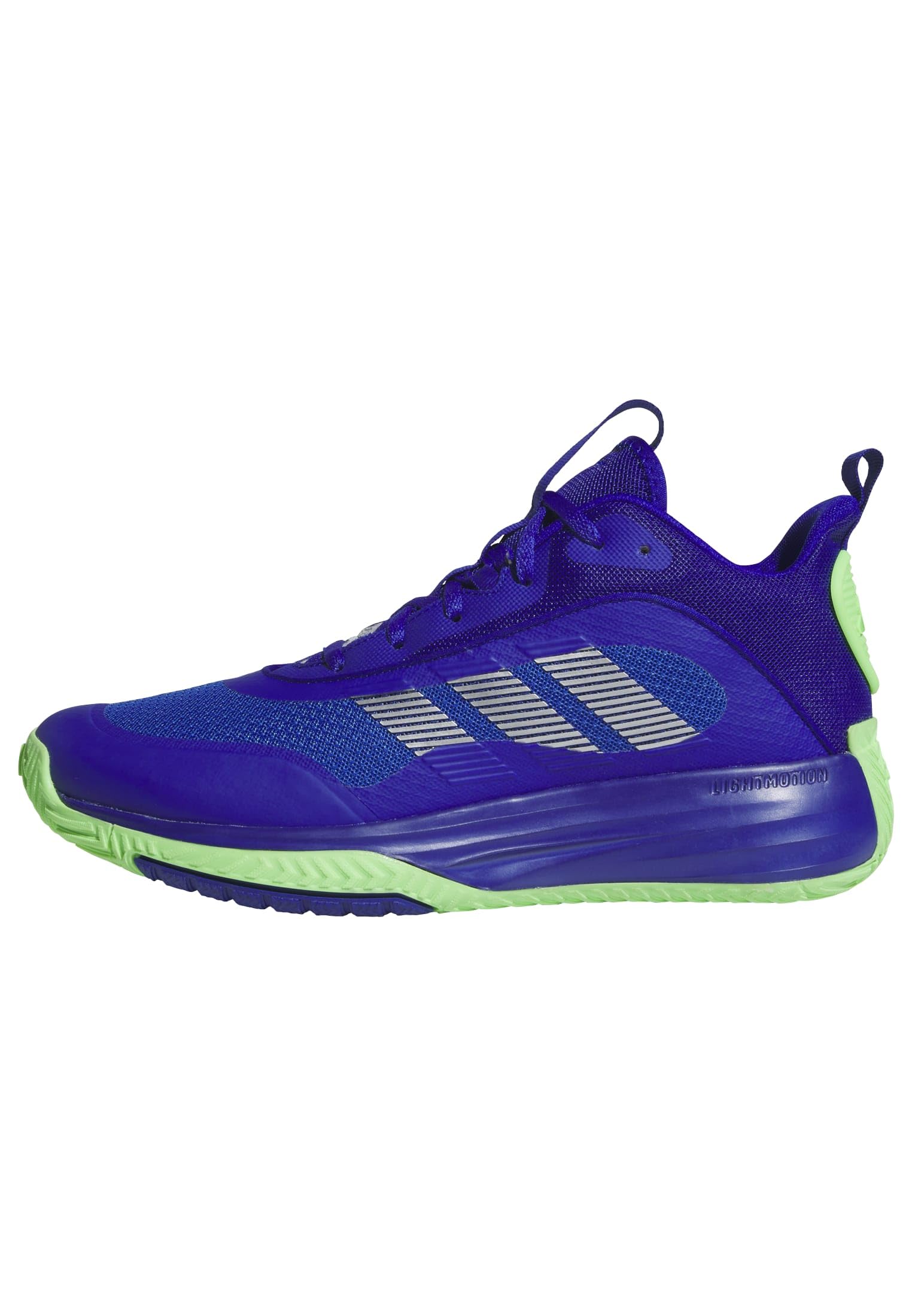


The comparison table below brings the main choices together in one place. In the sections below, you will find the main types explained side by side, the features worth comparing, and practical advice on fit, safety, and care. Use it as a checklist while you shop, and take your time with the sections that match your situation.
Understanding Basketball Shoes For Overpronation
Pronation is a normal part of walking and running, as the foot flattens slightly to absorb shock. Overpronation goes further, with the arch collapsing and the ankle rolling inward. In basketball, that inward roll repeats on every cut and landing, increasing load on the inner knee and ankle.
Stability shoes use firmer foam on the inner side, a structured heel, and a wide platform to resist that roll. When you compare the best basketball shoes for overpronation, start with stability, arch control and fit.
Types Compared
There is no single type that suits everyone, so compare the options below against your space, your routine, and your budget. The right type is the one that fits your daily use, not the one with the longest feature list.
Stability basketball shoes
Stability shoes use a firmer medial post, a structured heel counter, and a wide base to limit inward roll. They suit players with flat feet or visible inward rolling, and players who feel inner ankle or knee soreness after games. The support should feel guiding, not forceful, during normal movement.
Check wear patterns on old shoes. Excess wear on the inner heel and forefoot often confirms overpronation, and helps you judge how much support you need.
Motion control basketball shoes
Motion control shoes offer stronger support for severe overpronation, with a very firm heel and a rigid midfoot shank. They suit heavier players and players with significant arch collapse, where standard stability shoes feel insufficient. They feel heavier and stiffer, but that rigidity is the point.
These are best chosen with professional advice, since excessive control can feel uncomfortable for mild overpronation. A podiatrist or specialist fitter can assess gait and recommend a level.
Shoes with orthotic compatibility
Removable insoles allow custom orthotics to work with a stability shoe, combining shoe support with personal correction. They suit players already using orthotics, and players whose overpronation needs more than a stock insole. A deep, stable shoe interior keeps the orthotic seated during play.
Try the shoe with your orthotic in place, checking that the heel still locks and toes still have room. If the shoe feels crowded, try a wider width rather than removing support.
Key Features to Compare
Use this list as a shortlist tool. Note which features matter most for your situation, and ignore the rest, so a long specification sheet does not distract you from fit and everyday usability.
- Medial support post: Firmer foam on the inner side resists inward rolling.
- Firm heel counter: A structured heel cup keeps the rearfoot aligned at landing.
- Wide stable platform: A broad outsole spreads force and reduces tipping.
- Torsional rigidity: A midfoot shank prevents excessive twisting during cuts.
- Secure lockdown: Lacing that holds the midfoot prevents the foot sliding inward.
Who Should Buy These
Basketball shoes for overpronation suit players with flat feet, inward rolling ankles, or inner knee soreness after play. They also suit players whose shoes wear heavily on the inner edge. They are less suited to high arched players, who roll outward and need neutral cushioning instead. If pain persists, or you notice repeated ankle sprains, talk with a podiatrist, since severe overpronation may need orthotics or strengthening work.
Common Mistakes to Avoid
A common mistake is choosing a soft neutral shoe because it feels comfortable in the shop, then finding it collapses inward during games. Another is buying a stability shoe that is too narrow, which squeezes the forefoot and causes blisters. Ignoring worn shoes is also costly, since compressed medial foam loses control over time. Finally, relying on shoes alone without calf and arch strengthening misses a key part of long term improvement.
Care and Safety
Replace stability shoes when medial foam compresses or the heel counter softens, since support fades before the outsole wears out. Strengthen feet and calves with simple exercises, and stretch after games. Check insoles and orthotics regularly for wear. If you notice sharp pain, swelling, repeated sprains, or numbness, rest and talk with a clinician or podiatrist before playing again.
A Final Check Before You Order
Before ordering, recheck size, fit, and the features you marked as essential, and confirm that the product table above matches your shortlist. A few minutes of checking now saves the hassle of a return later, and it helps you feel confident when the order arrives.
Related guides can help you compare nearby choices. For the wider category, see the guide to best basketball shoes, and for combined flat foot support, see the guide to best basketball shoes for flat feet and overpronation. For general overpronation footwear, see the guide to best shoes for overpronation.
Frequently Asked Questions
How do I know if I overpronate?
Look at old shoes for heavy wear on the inner heel and forefoot, and check wet footprints for a very low or flat arch. You may also notice ankles rolling inward when standing, or inner knee soreness after sport. A gait assessment at a specialist shop or podiatry clinic confirms it.
Do I need motion control or just stability shoes?
Most overpronators do well with stability shoes, which guide the foot without excessive rigidity. Motion control suits severe overpronation, heavier players, or significant arch collapse. Start with stability, and seek professional advice if support still feels insufficient.
Can overpronation cause knee pain?
Yes, inward rolling can alter knee tracking and increase load on the inner knee during cuts and landings. Stable shoes, strengthening, and sometimes orthotics can reduce that load. Persistent knee pain, swelling, or giving way needs clinician or physiotherapist assessment.
Will stability shoes feel stiff?
They feel firmer than neutral shoes, especially in the heel and midfoot, but they should not feel painful or rigid through the forefoot. A good stability shoe still bends at the ball of the foot for push off. Break them in with light drills before a full game.
How long do stability features last?
Medial foam and heel counters compress over time, often before the outsole looks worn. For regular players, support may fade after a season of frequent play. Replace shoes when inward rolling returns, or the shoe feels soft on the inner side.
Final Thoughts
Choosing the right basketball shoes for overpronation comes down to fit, everyday usability, and honest priorities, rather than chasing every feature on offer. Use the product table above to narrow your shortlist, check fit and feel where you can, and keep safety and care in mind after purchase. With that approach, best basketball shoes for overpronation becomes a confident choice you can enjoy for a long time.


