
Best Basketball Shoes for Flat Feet and Overpronation 2026: A Buying Guide
Disclosure: We may earn a commission when you buy through links on this page, at no extra cost to you. As an Amazon Associate I earn from qualifying purchases. Learn more

A practical guide to the best basketball shoes for flat feet and overpronation: arch support, a stable midsole and a locked heel.
When your arches are low and your feet roll inward, jumping and cutting put extra strain on the arch, ankle and knee, and the best basketball shoes for flat feet and overpronation are built to limit that roll. This guide explains the features that help, how to read the options in the product table and how to fit a pair so that it supports you through a full game. Shoes can ease strain but do not treat foot conditions.
Overpronation means the foot rolls inward more than normal after landing. Many flat-footed players show it, and it often wears the inner edge of the heel and forefoot first.


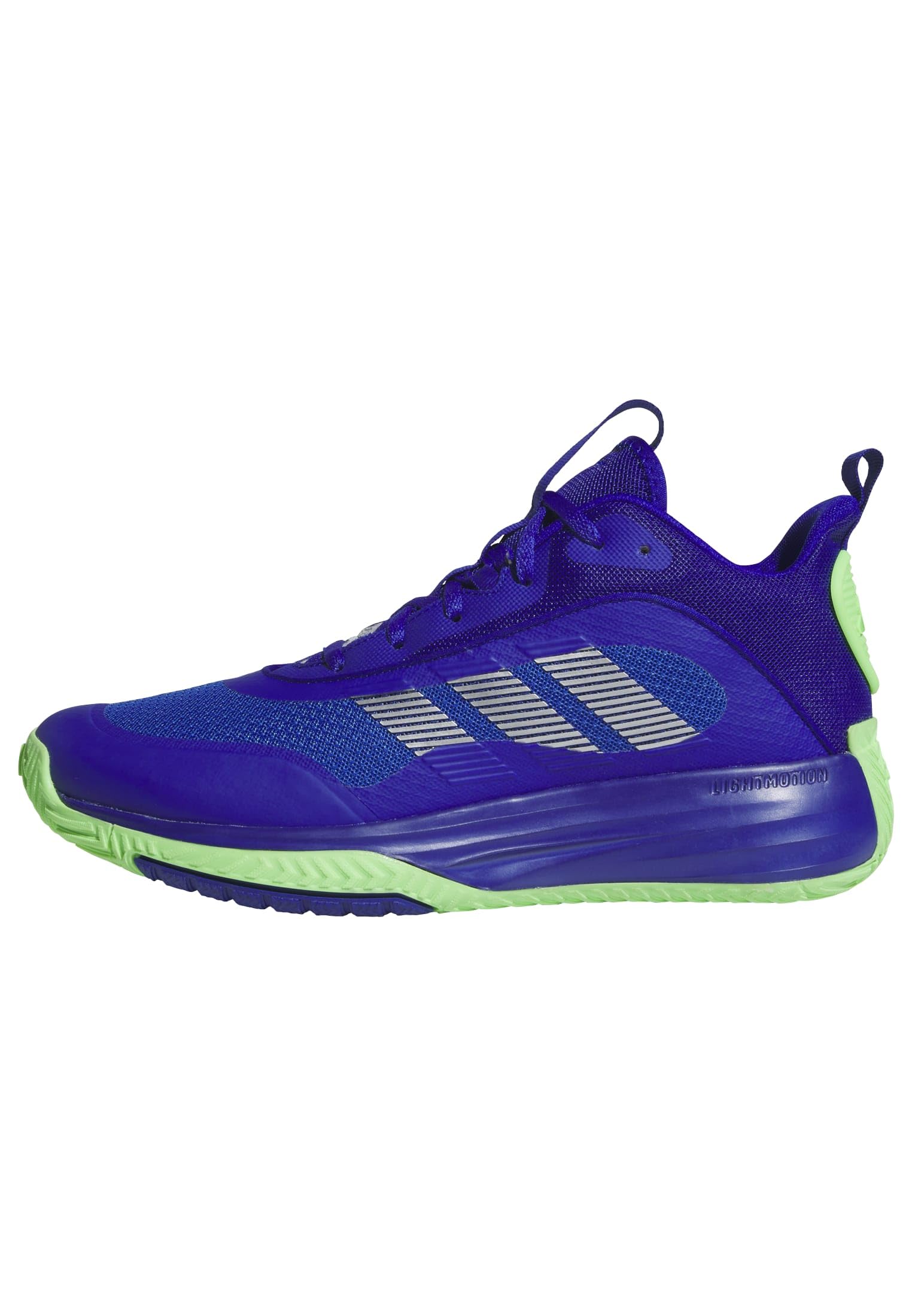


Basketball Shoes for Flat Feet And Overpronation: Features That Help Flat Feet and Overpronation
Look for a stable midsole with firmer foam on the inner side, a wide base and a heel counter that holds the rearfoot upright. Arch support should feel steady and filled but not hard or painful. A removable insole is a bonus, because it lets you add a supportive insert or an orthotic from your clinician. When you compare the best basketball shoes for flat feet and overpronation, start with arch support, a stable midsole and a locked heel.
Cushioning should stay level under load. Very soft foam feels nice at first but lets the foot collapse inward, while a medium-firm foam keeps landings controlled. Check the heel and forefoot for even compression when you press them.
Lockdown matters because a foot that slides makes pronation worse. Good lacing, a snug midfoot and a locked heel keep the foot in the shoe's support.
Choosing a Shoe Type
- Stability-focused shoes use firmer overlays and a wider platform to resist inward roll. They suit most flat-footed players.
- Motion-control style shoes add a rigid heel and shank for stronger correction, which suits heavier players or severe collapse, but they can feel stiff.
- Cushioned neutral shoes feel comfortable but give less control, so they suit only mild cases or players using supportive insoles.
Low, mid and high collars all work. Height affects ankle coverage, not arch control, so judge the midsole first and the collar second.
Fit and Insoles
Try shoes late in the day with the socks and insoles you will actually use. Your toes need some room to spread, and your heel should not lift when you cut sideways. If you use custom orthotics, bring them, since a thicker insole changes how the shoe fits. Check both feet, because one is often longer.
Break new shoes in with short sessions before a full game, and look at the wear pattern on your old pair to see how much control you need: heavy wear on the inner edge suggests more support would help.
Care and When to Replace
Support fades before the upper looks worn. Replace shoes when the midsole feels flat on one side, the heel leans inward or tread has smoothed out. Rotate two pairs if you play often, and store them out of heat.
Stop playing and seek advice if you feel sharp pain, swelling or numbness, or if pain lasts for more than a few days. Talk with a podiatrist if you think your arches or gait need professional assessment.
Related Guides
For the single-issue versions of this topic, see best basketball shoes for flat feet and best basketball shoes for overpronation.
How to Check Your Own Pattern
You can learn a lot from your old shoes. Place a worn pair on a flat surface and look from behind. If the heel leans inward, or the inner edge of the sole is worn smooth, your foot likely rolls in.
A wet-foot print on dark paper also shows how much of your arch touches the ground. Neither is a diagnosis, but both help you describe your feet to a fitter or podiatrist.
Strengthening and Habits That Help
Shoes work best alongside good habits. Calf stretches, foot and ankle strengthening and gentle balance work all support the arch. Warm up before games with light jogging and lateral steps, and build playing time gradually after a break. Short, regular sessions are easier on tired arches than rare marathon runs.
Common Mistakes to Avoid
- Choosing the softest shoe. Very plush foam can let the foot roll further.
- Assuming a high top fixes pronation. Collar height does not control the arch.
- Stacking a thick insole into a snug shoe. It can crowd the toes and change the fit.
- Ignoring early warning signs. Arch fatigue late in a game is a signal to review support.
- Playing in worn shoes. Support fades before the upper looks tired.
Choosing Between Low, Mid and High Collars
Collar height does not change how your arch is supported, but it changes how the shoe feels around the ankle. Players who also roll their ankles outward may like the secure wrap of a mid or high collar. Quick guards with strong ankles often prefer low cuts for freedom. Whichever you pick, make sure the collar does not dig into the Achilles area, because rubbing there is a common cause of sore heels when you are also managing arch fatigue.
Frequently Asked Questions
Do flat feet always overpronate?
Not always, but they often do. Low arches let the foot roll inward more easily, and the two problems are usually handled with the same kind of support.
Do I need a high top?
Not for arch control. A high top adds ankle coverage, but the midsole does the work of holding the arch and heel steady.
Can I use orthotics in basketball shoes?
Often yes, especially if the shoe has a removable insole. Ask your clinician what is right for you and try the combination before a full game.
How do I know if a shoe supports enough?
Stand and rise onto your toes, then do a few lateral shuffles. If your arch feels held and your ankle does not roll inward, the support is probably adequate.
How often should I replace them?
Many regular players replace court shoes about once a season. Replace sooner if support fades or soreness returns.
Final Thoughts
The best basketball shoes for flat feet and overpronation combine a stable midsole, steady arch support, a locked heel and even cushioning. Use the product table to compare options, then choose the pair that keeps your foot level on cuts and landings.


