
Best Basketball Shoes For Knee Pain 2026 Buying Guide
Disclosure: We may earn a commission when you buy through links on this page, at no extra cost to you. As an Amazon Associate I earn from qualifying purchases. Learn more
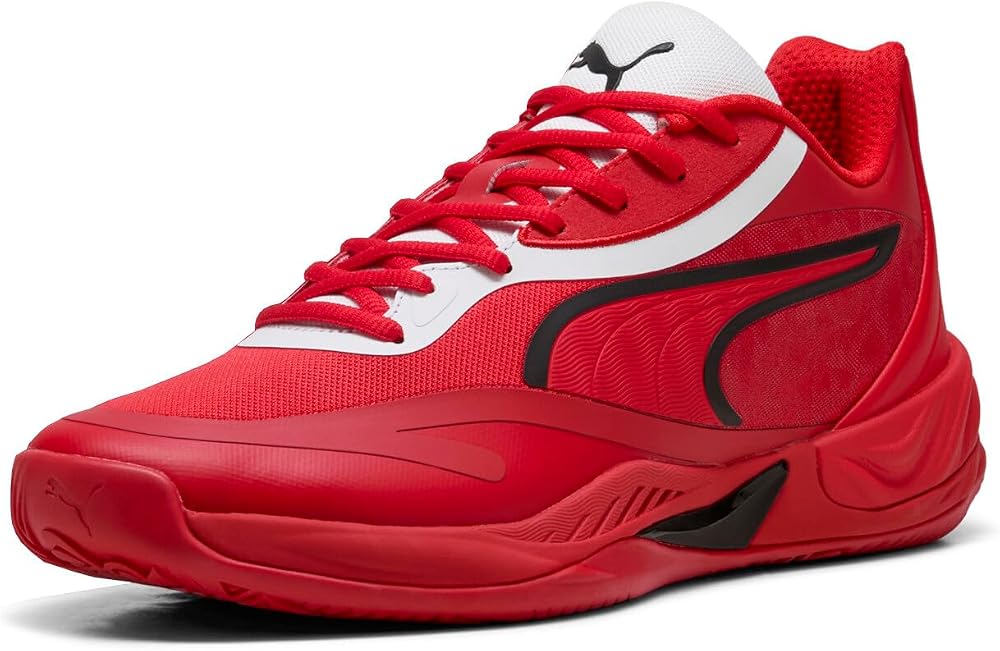
A practical guide to the best basketball shoes for knee pain: stable cushioning, alignment and fit.
If you are shopping for best basketball shoes for knee pain, this guide will help you compare options clearly.
Knee pain can turn basketball from fun into a careful calculation, with every jump and cut weighed against soreness afterwards. Shoes cannot cure knee problems, but the right pair can reduce impact, improve alignment, and avoid aggravating an already sensitive joint. This guide explains cushioning, stability, and fit for players with knee pain.

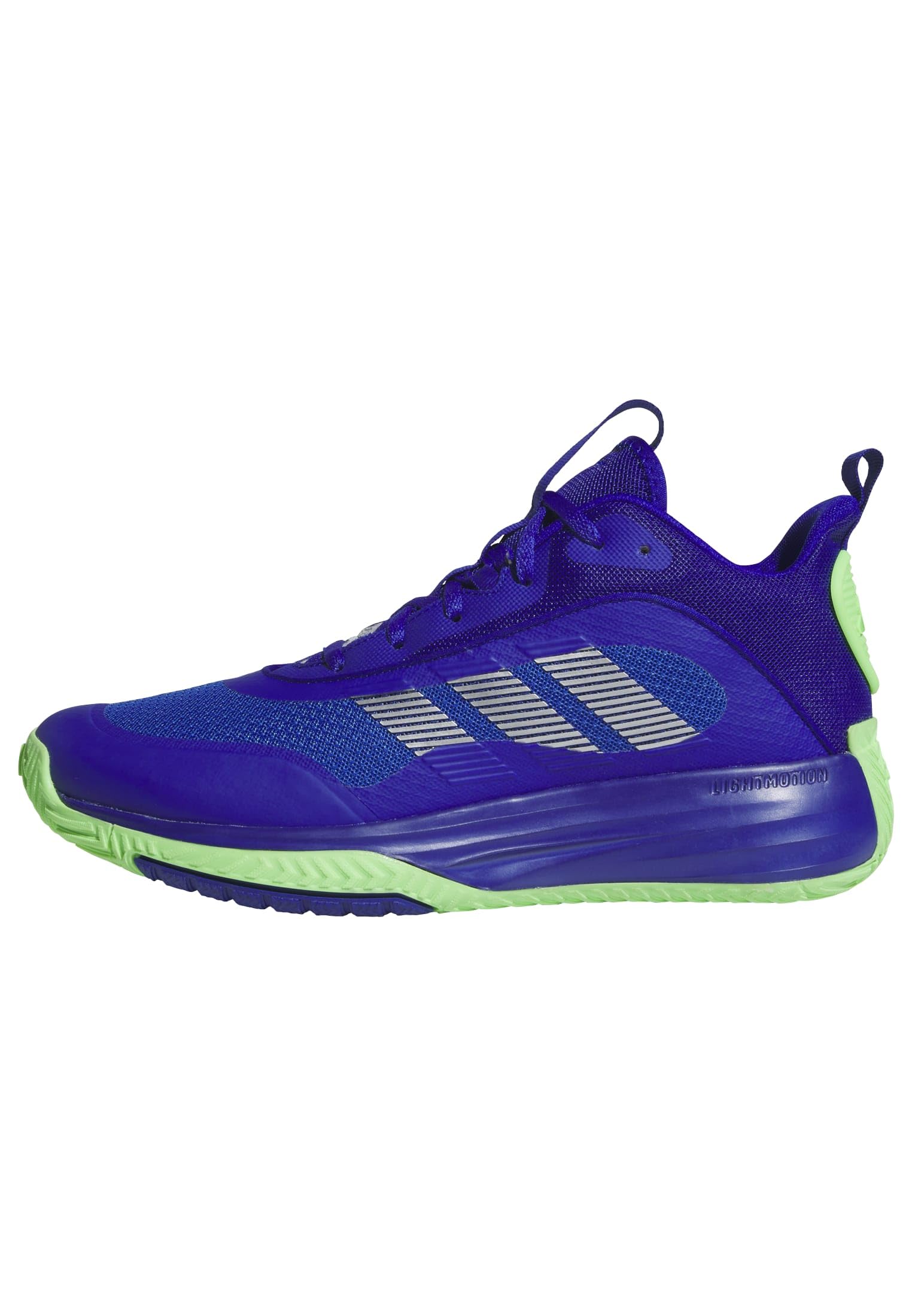


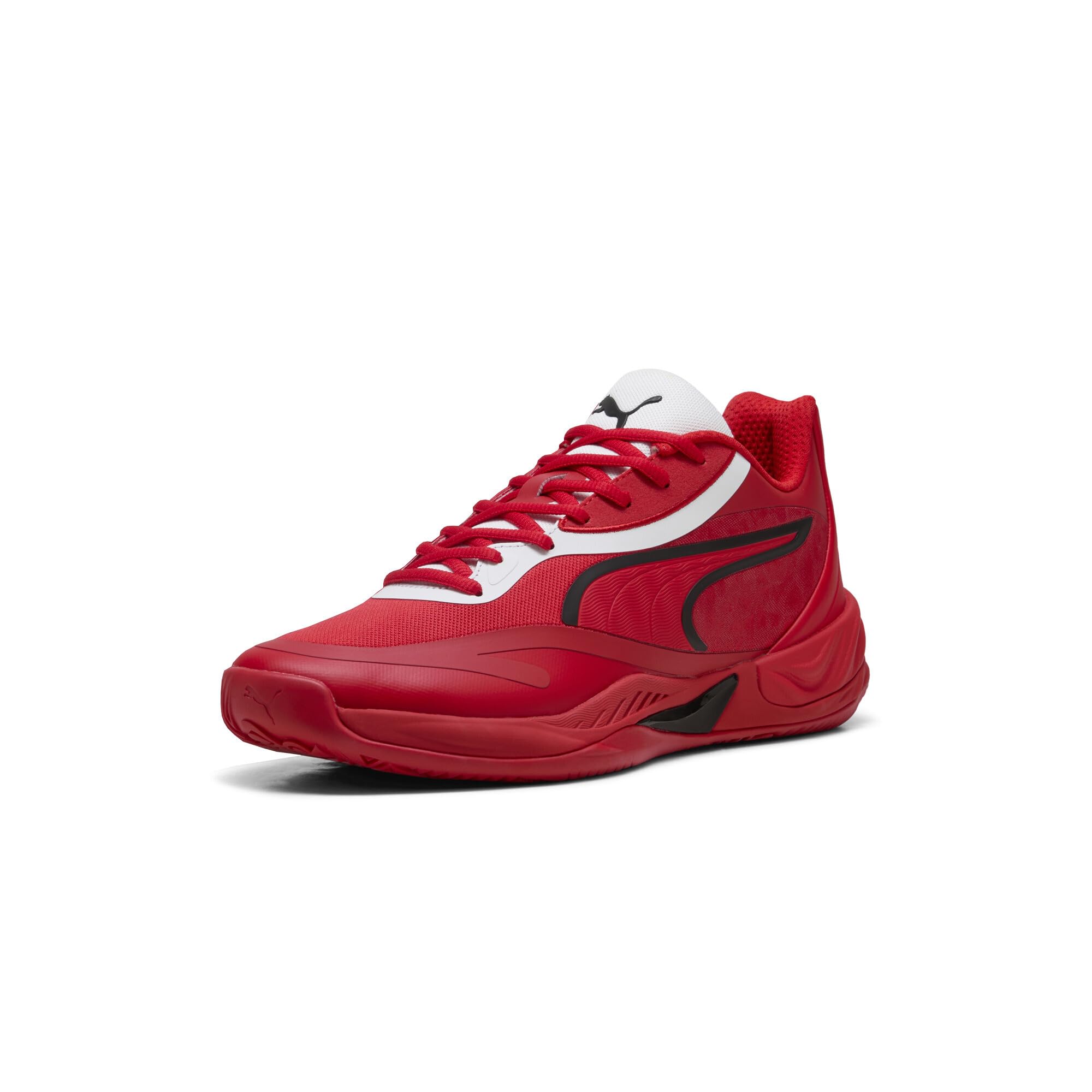

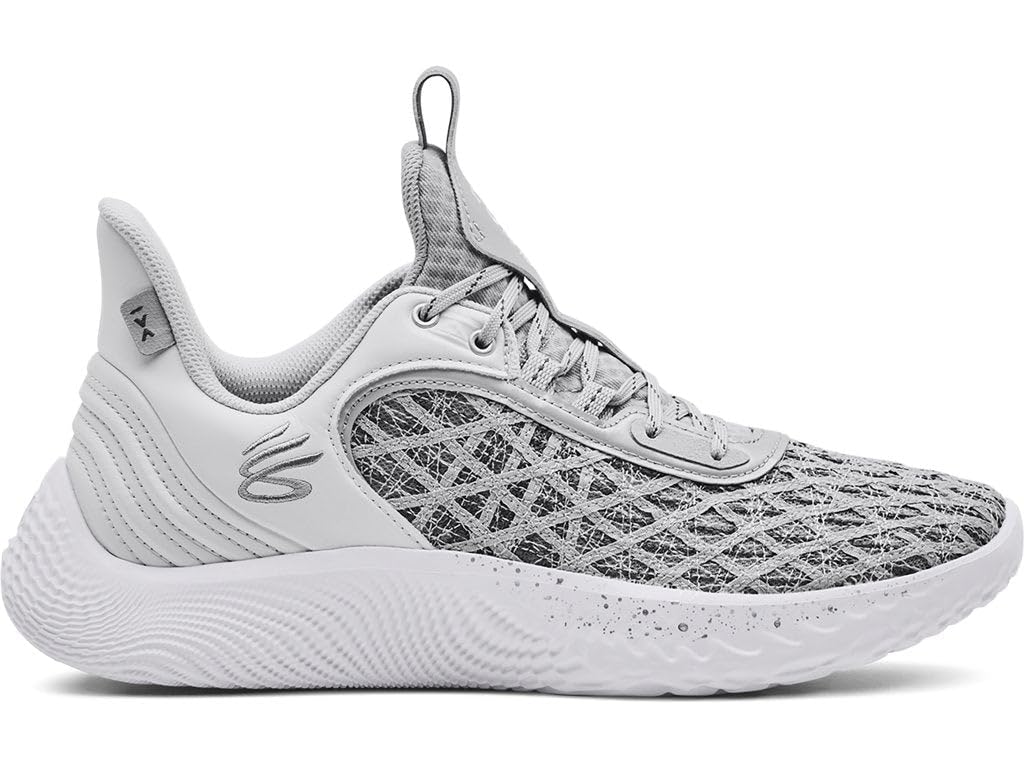


The comparison table below brings the main choices together in one place. In the sections below, you will find the main types explained side by side, the features worth comparing, and practical advice on fit, safety, and care. Use it as a checklist while you shop, and take your time with the sections that match your situation.
Understanding Basketball Shoes For Knee Pain
Jumping, landing, and cutting load the knees repeatedly, and hard surfaces add to that load. Shoes help by absorbing impact at landing, keeping the foot from rolling inward or outward, and providing a stable platform for changes of direction. A shoe that is too soft can feel unstable, while a shoe that is too stiff can transmit more shock.
The goal is stable cushioning that feels controlled, not wobbly or harsh. When you compare the best basketball shoes for knee pain, start with stable cushioning, alignment and fit.
Types Compared
There is no single type that suits everyone, so compare the options below against your space, your routine, and your budget. The right type is the one that fits your daily use, not the one with the longest feature list.
Stable cushioned basketball shoes
These combine thick foam with a firm heel counter and a stable midfoot, so landings feel soft yet controlled. They suit most players with knee pain, especially those who play regularly and want a balance of comfort and support. The platform should stay level during side to side moves, not tilt.
Try stability by shifting weight side to side and landing from a small hop. A shoe that tips easily will load the knee unevenly during real play.
Low impact training focused shoes
Some shoes prioritise shock absorption with thicker midsoles and softer heel foam, aimed at reducing impact per landing. They suit players returning from a layoff, older players, and anyone whose knees ache after games on hard courts. The trade off can be a heavier feel and less court responsiveness.
Pair these shoes with a gradual return to play, starting with shooting and light drills before full games. Shoes alone cannot replace conditioning and rest.
Shoes with strong lateral support
Lateral support shoes use firm overlays, a wide base, and a rigid heel to resist rolling during cuts. They suit guards and forwards who change direction sharply, and players whose knees feel unstable during lateral moves. A wide, stable base spreads force and keeps the knee tracking over the foot.
Check that the shoe locks the midfoot without squeezing the forefoot. A locked midfoot with a roomy toe box gives stability without blisters.
Key Features to Compare
Use this list as a shortlist tool. Note which features matter most for your situation, and ignore the rest, so a long specification sheet does not distract you from fit and everyday usability.
- Stable impact cushioning: Foam that softens landings while keeping the platform level.
- Firm heel counter: A heel cup that holds the rearfoot aligned during landings.
- Wide stable base: A broader outsole spreads force and resists tipping during cuts.
- Secure lockdown: Lacing that prevents the foot sliding forward on stops and landings.
- Appropriate weight: A shoe light enough to avoid extra fatigue, yet substantial enough to cushion.
Who Should Buy These
Basketball shoes for knee pain suit players with aching knees after games, players returning from knee soreness, and older players who want gentler impact. They also suit heavier players, whose knees bear more load per landing. They do not replace medical care. If knee pain is sharp, causes swelling, locking, giving way, or lasts more than a few days, rest and talk with a clinician or physiotherapist before playing again.
Common Mistakes to Avoid
A common mistake is choosing the softest shoe available, which can feel unstable and load the knee unevenly. Another is playing through sharp pain in new shoes, hoping cushioning alone will fix it. Wearing worn shoes with compressed foam is also risky, since dead cushioning transmits more impact. Finally, skipping warm up, strength work, and gradual load increases leaves knees vulnerable regardless of footwear.
Care and Safety
Replace shoes when cushioning feels flat or tread wears unevenly, since worn shoes change alignment. Warm up before games, strengthen quadriceps, glutes, and calves over time, and cool down with gentle stretching. Ice a sore knee briefly after play if it helps, and rest if pain increases. If you notice swelling, locking, giving way, or pain that alters your gait, stop playing and seek clinician or physiotherapist advice promptly.
A Final Check Before You Order
Before ordering, recheck size, fit, and the features you marked as essential, and confirm that the product table above matches your shortlist. A few minutes of checking now saves the hassle of a return later, and it helps you feel confident when the order arrives.
Related guides can help you compare nearby choices. For the wider category, see the guide to best basketball shoes, and for running focused knee advice, see the guide to best running shoes for knee pain. Heel focused options appear in the guide to best basketball shoes for heel pain and the guide to best shoes for knee and foot pain.
Frequently Asked Questions
Can shoes really help knee pain?
Shoes can reduce impact and improve alignment, which may ease soreness for some players, but they cannot cure knee injuries. Stable cushioning, a level platform, and good fit help the knee track better during play. Persistent or sharp pain needs professional assessment, not just new shoes.
Should I choose high tops for knee pain?
Collar height matters less than stability, cushioning, and fit. A well fitting low or mid shoe with a stable platform often helps more than a loose high top. Choose the height that feels secure, and focus on lockdown and a level base.
How often should I replace basketball shoes if my knees hurt?
Replace them when cushioning feels flat, the heel counter softens, or tread wears unevenly, often after a season of regular play. Worn shoes change alignment and increase impact. Keep a note of purchase date, and inspect shoes monthly if you play often.
Are insoles helpful for knee pain?
A cushioned or contoured insole can improve comfort and alignment for some players, especially if it corrects foot rolling. Custom orthotics may help if a podiatrist recommends them. Avoid thick insoles that crowd toes or destabilise the shoe, and try any insole during practice first.
When should I stop playing and seek help?
Stop and seek help if pain is sharp, the knee swells, locks, gives way, or hurts during normal walking. Also seek help if pain lasts more than a few days, keeps returning, or changes how you move. Early assessment prevents a minor issue becoming a longer layoff.
Final Thoughts
Choosing the right basketball shoes for knee pain comes down to fit, everyday usability, and honest priorities, rather than chasing every feature on offer. Use the product table above to narrow your shortlist, check fit and feel where you can, and keep safety and care in mind after purchase. With that approach, best basketball shoes for knee pain becomes a confident choice you can enjoy for a long time.


