
Best Basketball Shoes For Guards 2026: Buying Guide
Disclosure: We may earn a commission when you buy through links on this page, at no extra cost to you. As an Amazon Associate I earn from qualifying purchases. Learn more
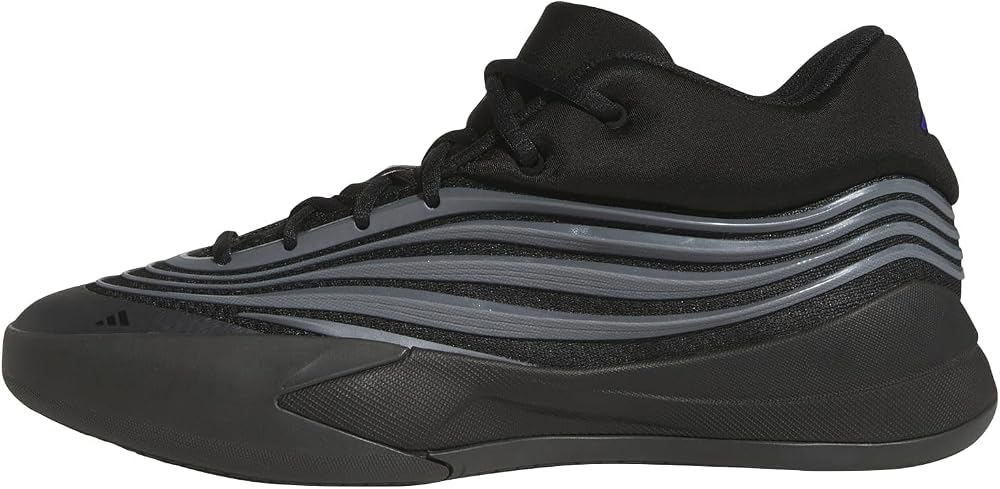
A practical guide to the best basketball shoes for guards: traction, light weight and lockdown.
Guards live on speed, balance and control, so the best basketball shoes for guards are light, grippy and low to the floor, with a fit that locks the foot during hard cuts. This guide explains what to look for in traction, weight, cushioning and fit, and how point guards and shooting guards differ. The product table lists current options to compare against the points below.
A guard's shoe should feel like part of the foot, responding at once when you change direction.


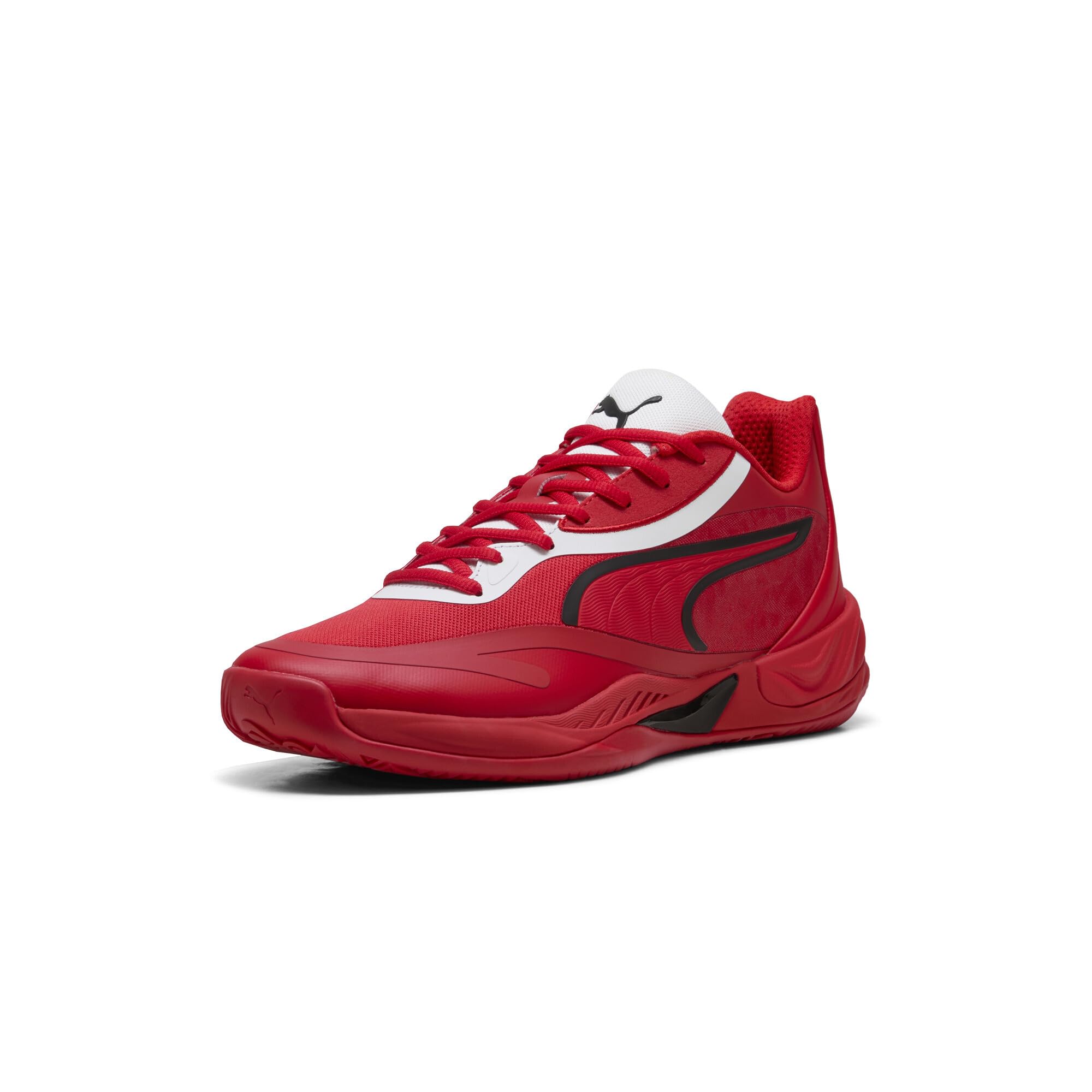


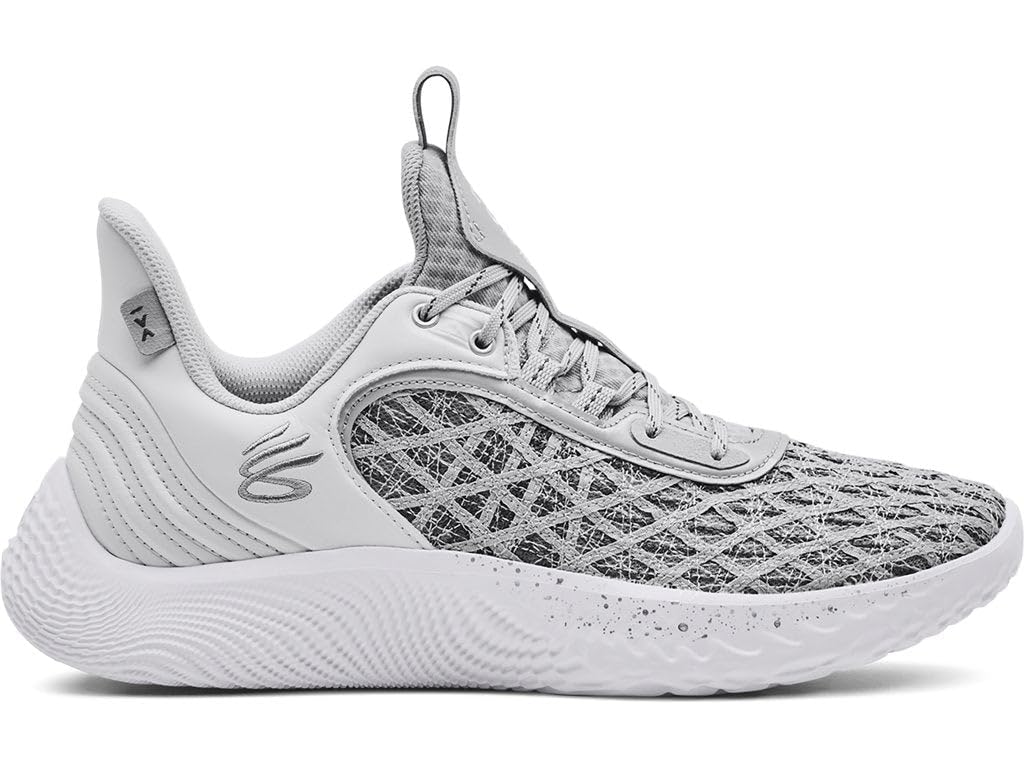
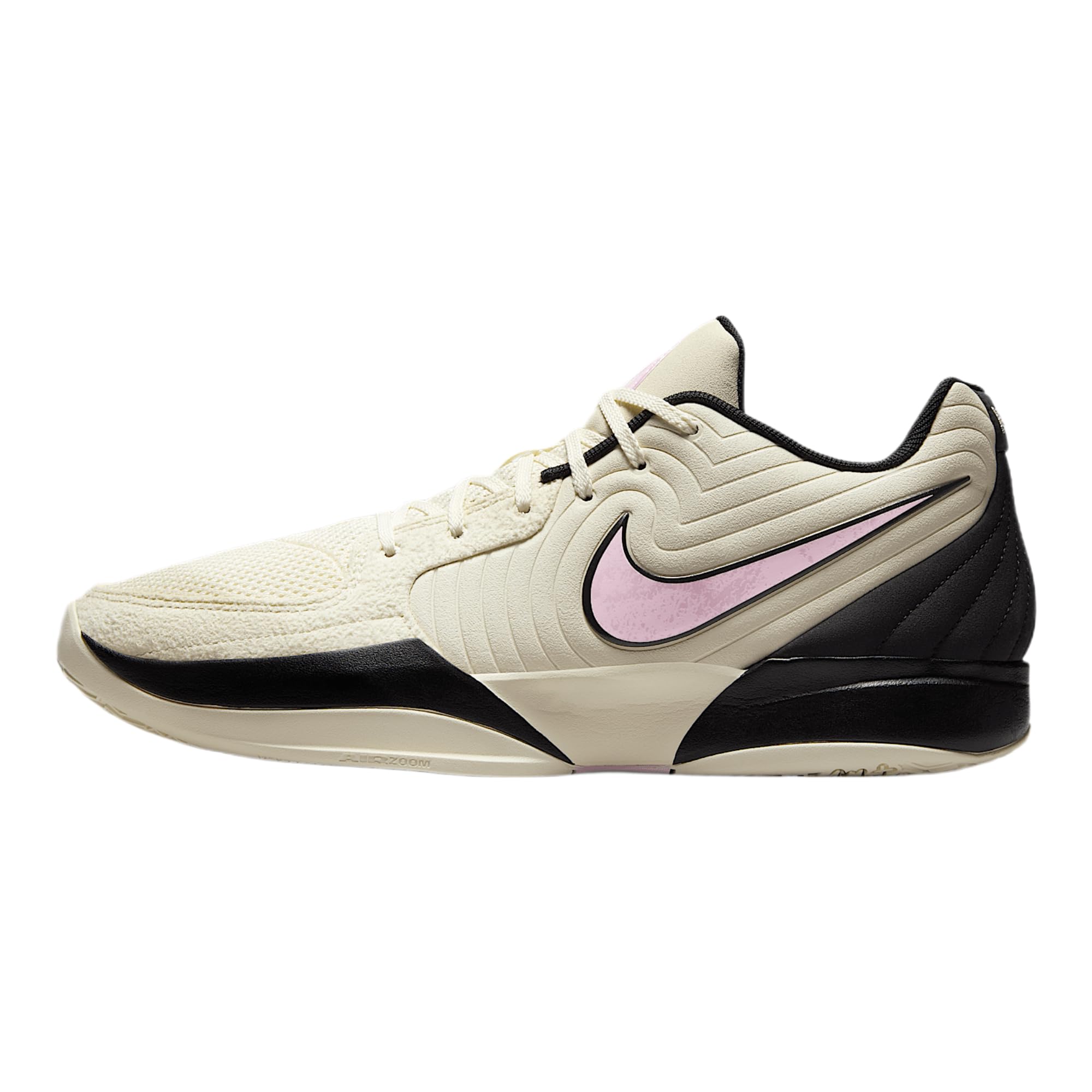


Basketball Shoes for Guards: What Guards Need From Their Shoes
Traction comes first. Crossovers, hesitation moves and defensive slides rely on instant grip, so look for a herringbone or multidirectional tread in solid rubber. Keep the soles clean, because a dusty floor can take away more grip than wear does. When you compare the best basketball shoes for guards, start with traction, light weight and lockdown.
Weight and court feel come next. A lower, lighter shoe puts the foot closer to the floor, which improves balance and reaction time. The trade-off is less impact protection, so choose the thinnest cushioning you can live with, not the thinnest available.
Lockdown ties everything together. A snug midfoot, a firm heel counter and secure lacing stop the foot from sliding when you stop hard or change direction at speed.
Cushioning for Quick Players
Guards jump less often than big men but still land awkwardly after layups and floaters. A responsive, medium-firm foam gives energy back on the first step and protects the heel on landings. Very soft foam can feel slow and unstable, while a rock-hard midsole can feel harsh over a long game.
Forefoot cushioning matters for pushing off, and heel cushioning matters for stopping. If you play many minutes, choose a shoe that stays comfortable late in the game, not just in the first quarter.
Low, Mid or High Collar
Low tops give the most freedom and the lightest feel, which suits many guards. Mid tops add a little coverage without much weight and help players with a history of ankle trouble. High tops are less common for guards but can help if you prefer a wrapped feel.
Remember that collar height does not prevent sprains by itself. Fit, lacing, strength and landing technique matter more.
Point Guards and Shooting Guards
Point guards handle the ball most of the game and benefit from court feel and fast traction. Shooting guards run off screens and shoot on the move, so they like stable landings and a responsive forefoot. Read best basketball shoes for point guards and best basketball shoes for shooting guards for closer looks at each role.
Fit and Sizing
Try shoes in the evening with game socks. You want a snug heel and midfoot with about a thumb width at the toes, and no sliding when you do lateral shuffles. If you fall between sizes, guards often do better in the smaller size when the toes still have room, since internal movement wastes energy and causes blisters.
Care and Replacement
Wipe soles before play and again at halftime. Air the shoes after every session, rotate two pairs if you play often and keep them out of hot cars. Replace a pair when the tread is smooth under the ball of the foot, the foam feels flat or the heel counter has softened. Lasting pain in the foot, knee or ankle should be checked by a clinician.
Skill Level and Budget
Beginners should look for a forgiving, balanced shoe with reliable traction and moderate cushioning, since stable footing builds confidence while footwork develops. Experienced guards who play several times a week can justify lighter, more responsive shoes, and they should expect to replace them more often because thin uppers and softer rubber wear sooner.
Prices vary widely, from simple entry-level pairs to premium performance models. A mid-priced shoe often delivers good value, with good rubber, dependable lockdown and enough cushioning for a full season. Spend more only when the extra cost buys something you will feel in play.
Common Mistakes to Avoid
- Choosing a shoe for looks and ignoring fit.
- Buying too much cushioning, which blunts court feel.
- Wearing indoor shoes on asphalt, which destroys the grip quickly.
- Ignoring a loose heel, which makes ankle rolls more likely.
- Playing in worn shoes after the tread has gone smooth.
Materials and Construction
Knit and mesh uppers breathe well and keep weight low, which guards often like, but they can stretch with time and offer less protection on rough courts. Synthetic leather and woven textiles hold their shape and resist scuffs better, though they need a short break-in period. Look at the stitching, the join between the upper and the sole and the quality of the lace eyelets, because clean construction usually predicts a longer working life. A lace system that holds its tension through a game is more valuable than a flashy design.
Finally, think about where you play. A guard who spends most games on a polished gym floor can choose soft, grippy rubber, while one who plays on outdoor concrete needs harder compounds or a second pair, because the same shoe cannot be perfect on both surfaces.
Frequently Asked Questions
Do guards need lightweight shoes?
Light shoes help with speed and endurance, but not at the cost of support. Choose the lightest pair that still holds your foot securely.
Are low tops safe for guards?
Many guards play in low tops without problems. If you have a history of ankle sprains, a mid top and a good lacing pattern add confidence.
How important is traction?
Very important. Quick stops and cuts depend on grip, and a slip can cause injury. Keep the soles clean and replace shoes when tread wears smooth.
How often should guards replace shoes?
Many regular players replace court shoes about once a season. Replace sooner if grip fades or the foam goes flat.
Can I use running shoes?
Running shoes lack the lateral support and court traction basketball needs, so they are a poor substitute for games.
Final Thoughts
The best basketball shoes for guards are light, quick and secure, with grip that bites instantly and a fit that moves with the foot. Use the product table to compare options, check traction and lockdown first and keep the soles clean to protect your grip.


