
Best Basketball Shoes for Shooting Guards 2026: At Every Price: What Your Money Really Gets You
Disclosure: We may earn a commission when you buy through links on this page, at no extra cost to you. As an Amazon Associate I earn from qualifying purchases. Learn more

A practical guide to the best basketball shoes for shooting guards: quick traction, forefoot response and stable landings.
Shooting guards score off screens, pull up off the dribble and attack the rim, so the best basketball shoes for shooting guards combine quick traction, a responsive forefoot and a stable landing platform. This guide explains how to weigh those traits, how the main shoe types differ and how to fit a pair. The product table lists current options to compare with the points below.
Your shoes should help you catch, balance and rise the same way every time, then land without wobble.

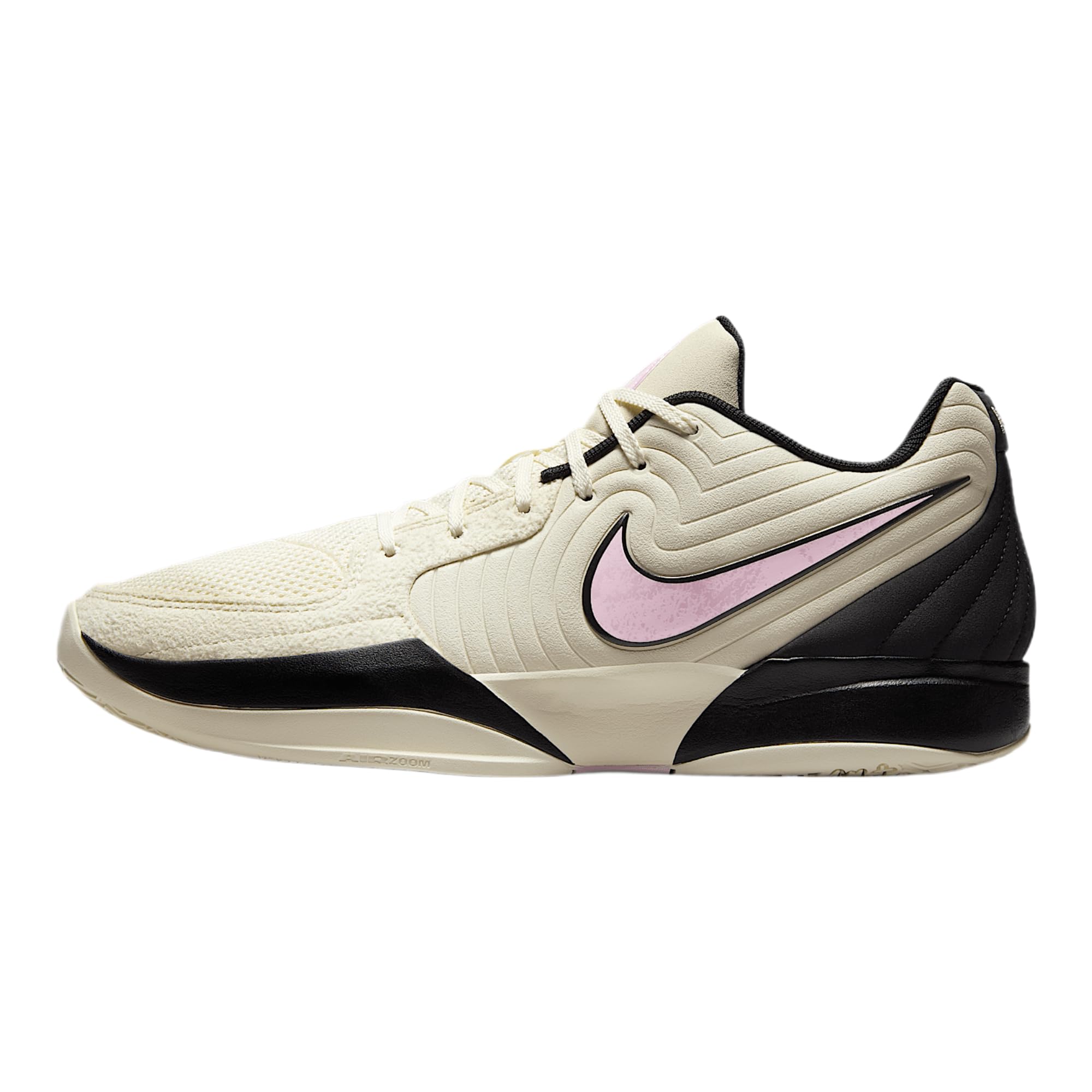

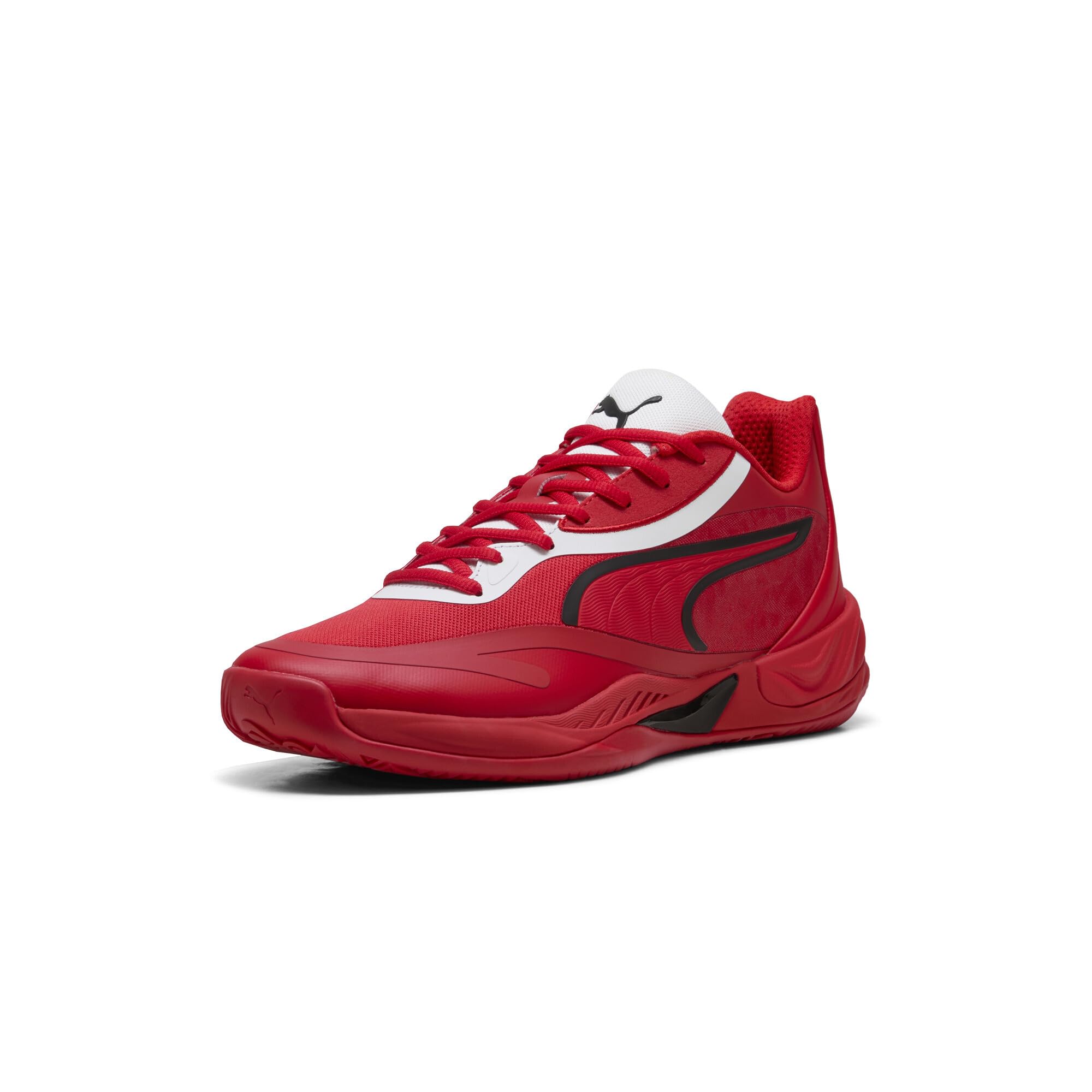
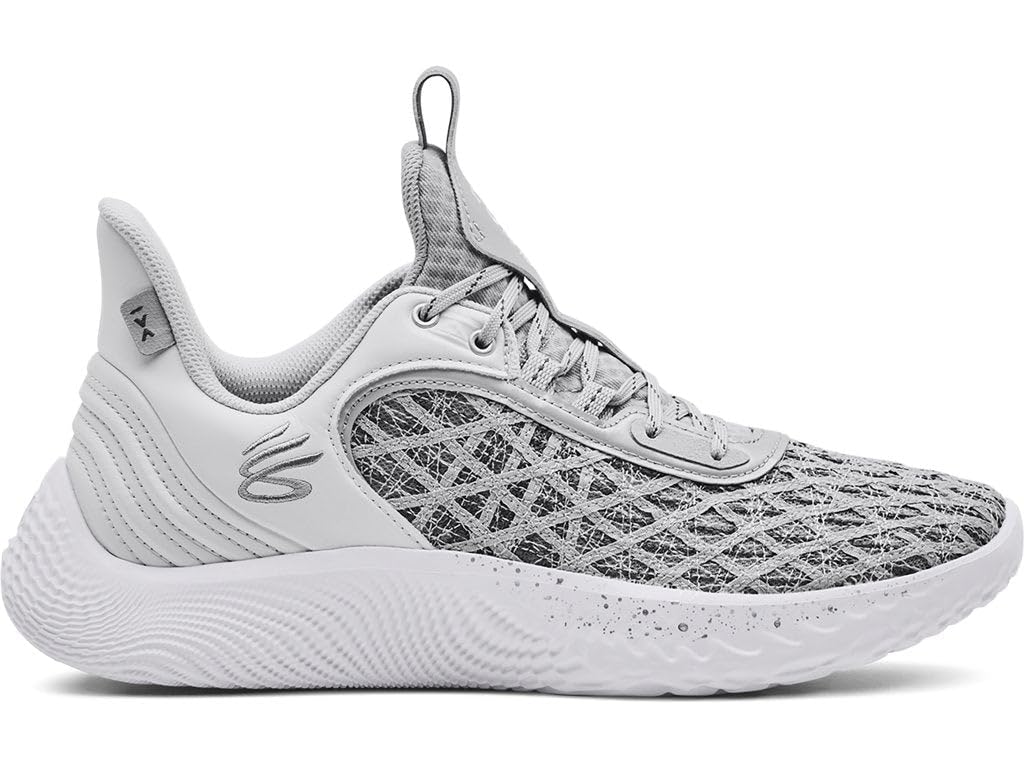


Basketball Shoes for Shooting Guards: What Shooting Guards Need
Traction is key for cuts off screens and quick stops. A herringbone or multidirectional tread in solid rubber grips clean floors well, and clean soles keep it working. A slip on a cut or a gather step ruins rhythm and can injure an ankle. When you compare the best basketball shoes for shooting guards, start with quick traction, forefoot response and stable landings.
Forefoot feel helps the jump. A responsive forefoot gives energy back for pull-up shots, while a stable landing zone helps you finish the shot on balance. Court feel, meaning how close the foot sits to the floor, helps you sense your balance and make small corrections.
Lockdown keeps the foot from sliding during hard stops and landings. A snug midfoot, a firm heel counter and good lacing make a real difference to accuracy.
Weight and Cushioning
Lighter shoes help with constant off-ball movement and late-game legs. But very light shoes can lack cushioning or durability. Choose a medium-firm, responsive foam with enough heel padding to protect landings after drives and contested shots.
Too much soft foam can feel vague on takeoff, and too little can feel harsh after a long game. Jump in the shoes a few times and see how the forefoot feels on the second and third jump, not just the first.
Cut Height and Fit
Low tops offer freedom and are popular among shooting guards. Mid tops add a little ankle coverage and suit players with past sprains. High tops give a wrapped feel but add weight. Fit matters more than height.
Try shoes in the evening with game socks. You want a snug heel and midfoot, a thumb width at the toe and no sliding in side-to-side shuffles. If you are between sizes, shooting guards often prefer the smaller one when the toes still have room.
Shooting Styles and Shoe Needs
Spot-up shooters move less and want stable landings and a planted base. Movement shooters sprint off screens and need grip and lateral stability. Pull-up shooters elevate off the dribble and prefer a lively forefoot. Pick the features that match how you create shots.
Care and Replacement
Wipe the soles before play, air the shoes after games and rotate pairs if you play often. Replace shoes when the forefoot foam feels flat, traction smooths or lockdown loosens, since worn shoes cost accuracy and increase slip risk. Persistent foot, ankle or knee pain should be checked by a clinician.
For related reading see best basketball shoes for shooters and best basketball shoes for guards.
Budget and Value
Entry-level shoes can serve casual players, but they often have simpler foam and less durable rubber. Mid-priced pairs usually give a better balance of grip, cushioning and fit for league play. Premium models refine the materials, but they pay off only if you play enough to notice. A well fitted mid-priced shoe will serve a shooting guard better than a premium pair that slips.
Common Mistakes to Avoid
- Choosing maximum cushioning, which can feel vague on jump shots.
- Ignoring fit, which lets the foot slide and costs accuracy.
- Wearing worn shoes after traction has faded.
- Using indoor shoes on rough asphalt.
- Buying for looks rather than forefoot feel.
Getting Ready for the Court
A good routine helps your shoes work. Warm up with light jogging, ankle circles and a few lateral shuffles, then take some easy jumpers before any hard cuts. Check your laces and retie them after the warm-up, since feet swell and laces loosen.
Wipe the soles on a damp towel, especially on dusty courts, and carry a spare pair of socks so a long session does not end with blisters. These small habits protect your grip and your rhythm.
Indoor and Outdoor Play
Many shooting guards play both league games indoors and pickup outdoors. Soft indoor rubber is wonderful on polished wood but wears fast on asphalt, and a worn tread is a slip waiting to happen. If you can, keep a second pair for the park and reserve your best grip for the gym.
Fitting Your Shot Mechanics
Your shot starts from the ground. If your feet slide or your heel lifts during the gather, your balance shifts and your shot changes. Take a few catch-and-shoot reps in new shoes before game day, paying attention to how the forefoot feels as you rise and how stable the landing is. If something feels off, check the lacing and sock thickness first, then the size, before you blame the shot.
Reading Reviews and Specs Wisely
Treat marketing claims with care and look for details you can verify yourself: the tread pattern on the outsole, the cut height, the lacing system and the materials on the upper. Buyer feedback is most useful when it describes fit, grip and durability after a few weeks of play, because first-day comments rarely show how a shoe holds up. If several buyers mention the same issue, such as a narrow toe box or a heel that slips, take it seriously and weigh it against your own foot shape.
Frequently Asked Questions
Should shooting guards wear low tops?
Many do. If you have ankle concerns, a mid top adds coverage. Fit and lacing matter most.
What cushioning suits shooters?
Responsive forefoot cushioning that rebounds quickly, with enough heel padding for landings.
Is lighter better?
Lighter helps with endurance, but not at the cost of support or cushioning.
How important is traction?
Very. Slips on cuts and gather steps ruin rhythm and risk injury.
When should I replace my shoes?
When the forefoot foam feels flat, the grip fades or the fit loosens.
Final Thoughts
The best basketball shoes for shooting guards are quick, grippy and stable, with a responsive forefoot and a secure fit. Compare the options in the product table, check traction and lockdown first and replace shoes when the feel fades.


