
Best basketball shoes for point guards 2026: Buying Guide
Disclosure: We may earn a commission when you buy through links on this page, at no extra cost to you. As an Amazon Associate I earn from qualifying purchases. Learn more

A practical guide to the best basketball shoes for point guards: instant grip, court feel and lockdown.
Point guards run the offense, handle the ball most of the game and create for others, so the best basketball shoes for point guards offer instant traction, a low and light feel and a fit that responds to every change of direction. This guide explains the features that matter most, how to choose between low, mid and high cuts and how to fit and care for a pair. The product table shows current options to compare with these points.
A point guard's shoe should feel quick, connected to the floor and secure, so you can focus on reading the defense instead of your feet.


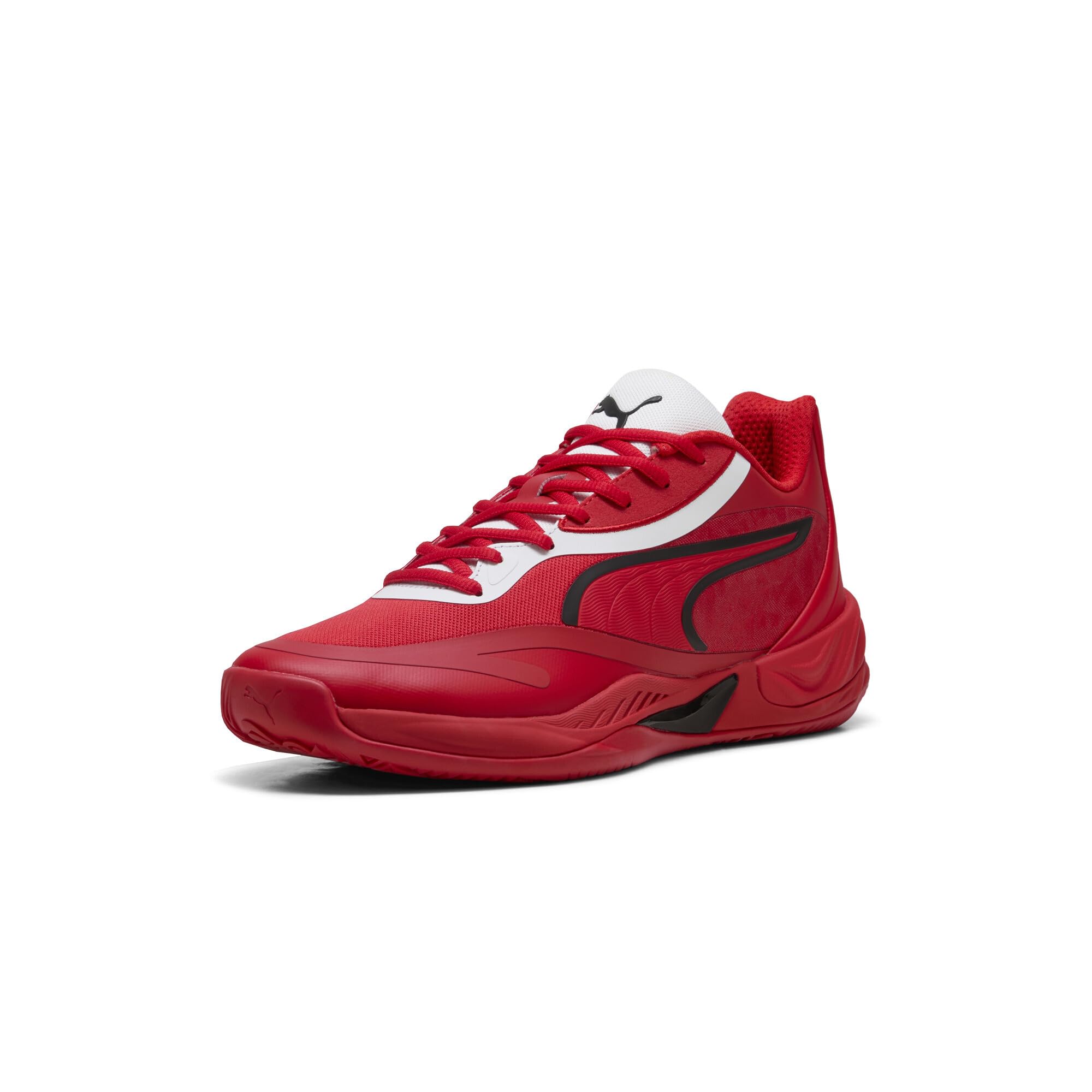

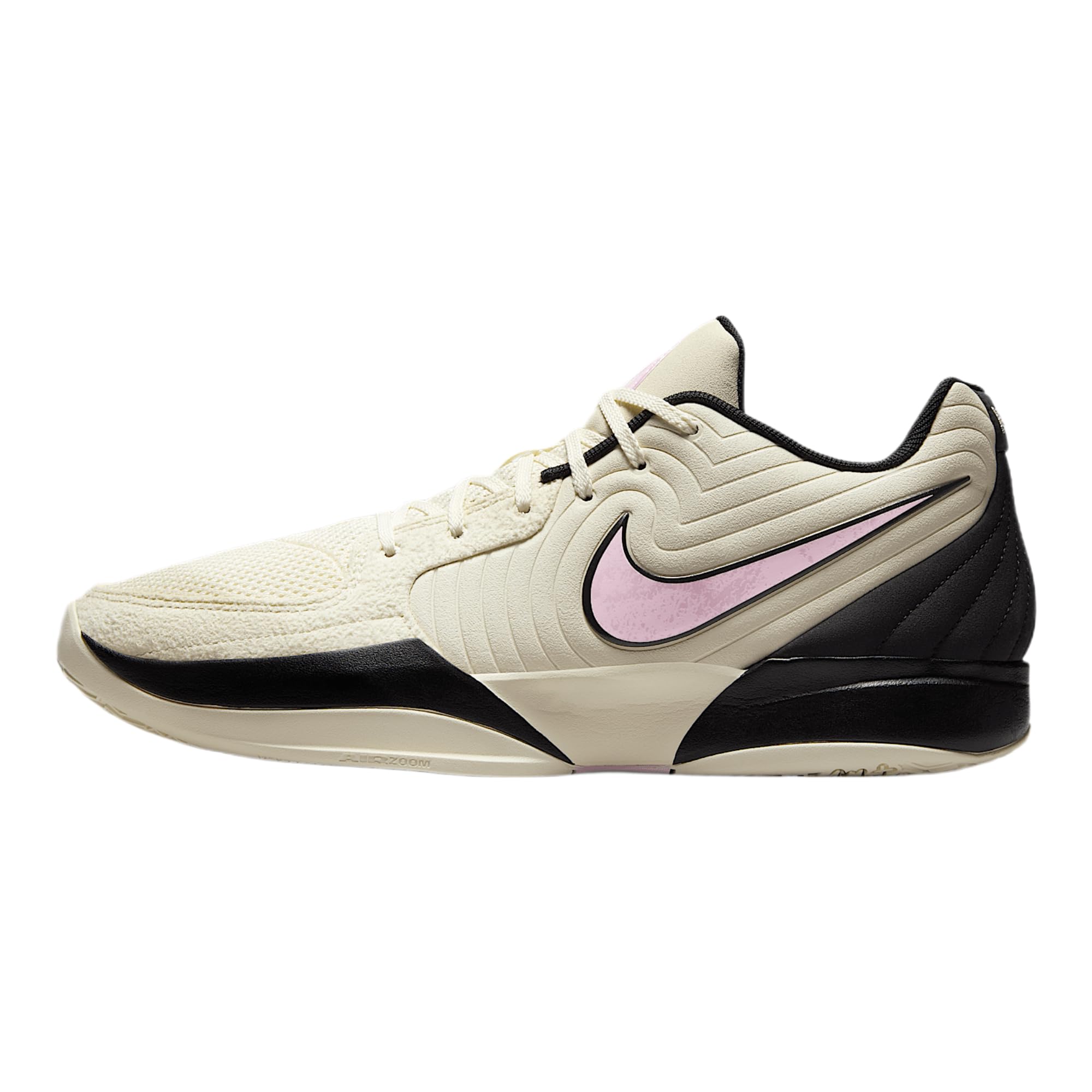


Basketball Shoes for Point Guards: What Point Guards Need
Traction is first. Crossovers, hesitation dribbles, step-backs and defensive slides all depend on grip that bites immediately and releases cleanly. Look for a herringbone or multidirectional tread in solid rubber, and keep the soles free of dust. When you compare the best basketball shoes for point guards, start with instant grip, court feel and lockdown.
Court feel is second. A lower profile puts the foot closer to the floor, improving balance and reaction time. Too little cushioning can be harsh on long nights, so choose a moderate stack with a responsive foam.
Lockdown is third. The foot should stay planted when you stop hard or change direction, with a snug midfoot, a firm heel counter and laces that hold their tension.
Weight and Mobility
Lighter shoes help with speed and endurance, especially for guards who play heavy minutes. But weight is only one part of the picture, because a very light shoe with weak structure can feel unstable on a hard cut. Aim for the lightest pair that still holds the foot securely.
Flexibility matters too. A forefoot that bends with your toes helps with acceleration and quick footwork, while a stiff midfoot plate or shank adds stability when you land on one foot.
Cushioning and Landings
Point guards land from layups, floaters and contact drives, often off balance. Responsive cushioning softens those landings and returns a little energy for the next step. Medium-firm foam is a good target, with extra heel padding if your knees or heels are sensitive.
Cut Height
Low tops give the most freedom and are popular among point guards. Mid tops add ankle coverage without much extra weight and suit players who have rolled an ankle before. High tops give a wrapped feel but are heavier. Whichever you choose, fit and lacing matter more than height.
Fit and Sizing
Try shoes in the evening with game socks. Look for a snug heel and midfoot with about a thumb width at the toe, and make sure there is no sliding when you do side-to-side shuffles. When you are between sizes, point guards often prefer the smaller one if the toes still have room, because extra length lets the foot slide forward on stops.
Care and Replacement
Wipe the soles before play and during breaks. Air the shoes after every game, rotate two pairs if you play often and keep them out of hot cars. Replace a pair when the tread is smooth, the foam is flat or the upper has stretched and no longer locks the foot. Persistent foot, knee or ankle pain should be checked by a clinician.
For related reading see best basketball shoes for guards and best basketball shoes for quick guards.
Skill Level, Budget and Value
Young or beginner point guards benefit from a forgiving, balanced shoe with dependable grip, since good footing builds confidence while ball handling develops. Experienced players who handle the ball every game may prefer lighter, more responsive shoes, though these often wear faster.
Mid-priced shoes tend to give good value, with solid rubber, a secure fit and enough cushioning for a full season. Spend more only if the extra cost buys durability or fit you can feel. A properly fitted mid-priced pair will serve you better than a premium shoe that slips.
Common Mistakes to Avoid
- Picking a shoe by looks and ignoring fit and traction.
- Choosing heavy interior shoes built for big men.
- Wearing indoor shoes on asphalt, which wrecks the grip.
- Ignoring a loose heel, which increases the risk of rolling an ankle.
- Playing in worn shoes after tread has smoothed out.
Remember that a shoe is one part of your preparation. Footwork drills, ankle strength work and a proper warm-up help you stay quick and healthy, and a point guard who moves well in a modest shoe will beat one who struggles in an expensive pair that does not fit.
Buying Checklist
Before you order, confirm the shoe has instant grip, a secure heel and midfoot, a weight you can play in for a full game and a cut height that suits your ankles. Check the return terms in case the fit is off, wear the shoes indoors for a few sessions first and keep the packaging until you are certain.
Ask a teammate or coach to watch you move in the shoes if possible, since an outside view often spots heel slip or an awkward landing that you might miss.
Frequently Asked Questions
Do point guards need low tops?
Many prefer them for freedom, but a mid top is a good choice if you have ankle concerns.
How much cushioning is right?
Enough to protect landings without dulling court feel. A moderate, responsive foam suits most point guards.
What matters more, weight or traction?
Traction comes first, because a slip costs more than a few extra ounces. After that, choose the lightest shoe that still locks your foot in.
How often should I replace my shoes?
Many regular players replace court shoes about once a season. Replace sooner if grip fades.
Can I wear the same shoes indoors and outdoors?
You can, but outdoor courts wear soft indoor rubber quickly. A second pair for blacktop keeps your game shoes sharp.
Final Thoughts
The best basketball shoes for point guards are light, grippy and secure, with a low profile and a fit that keeps your foot planted. Compare the options in the product table, check traction and lockdown first and keep the soles clean for the best grip.


