Best Basketball Shoes for Centers 2026: Guide
Disclosure: We may earn a commission when you buy through links on this page, at no extra cost to you. As an Amazon Associate I earn from qualifying purchases. Learn more

A practical guide to the best basketball shoes for centers: stability, impact protection and durability.
Centers work in traffic, rebound among elbows and land hard, so the best basketball shoes for centers put stability, impact protection and durability ahead of featherweight speed. This guide explains what to look for, how the main shoe types differ and how to fit them. The product table gives you current options to compare against the checks below.
A good center shoe should feel planted during post moves, forgiving on landings and tough enough for a full season of contact.

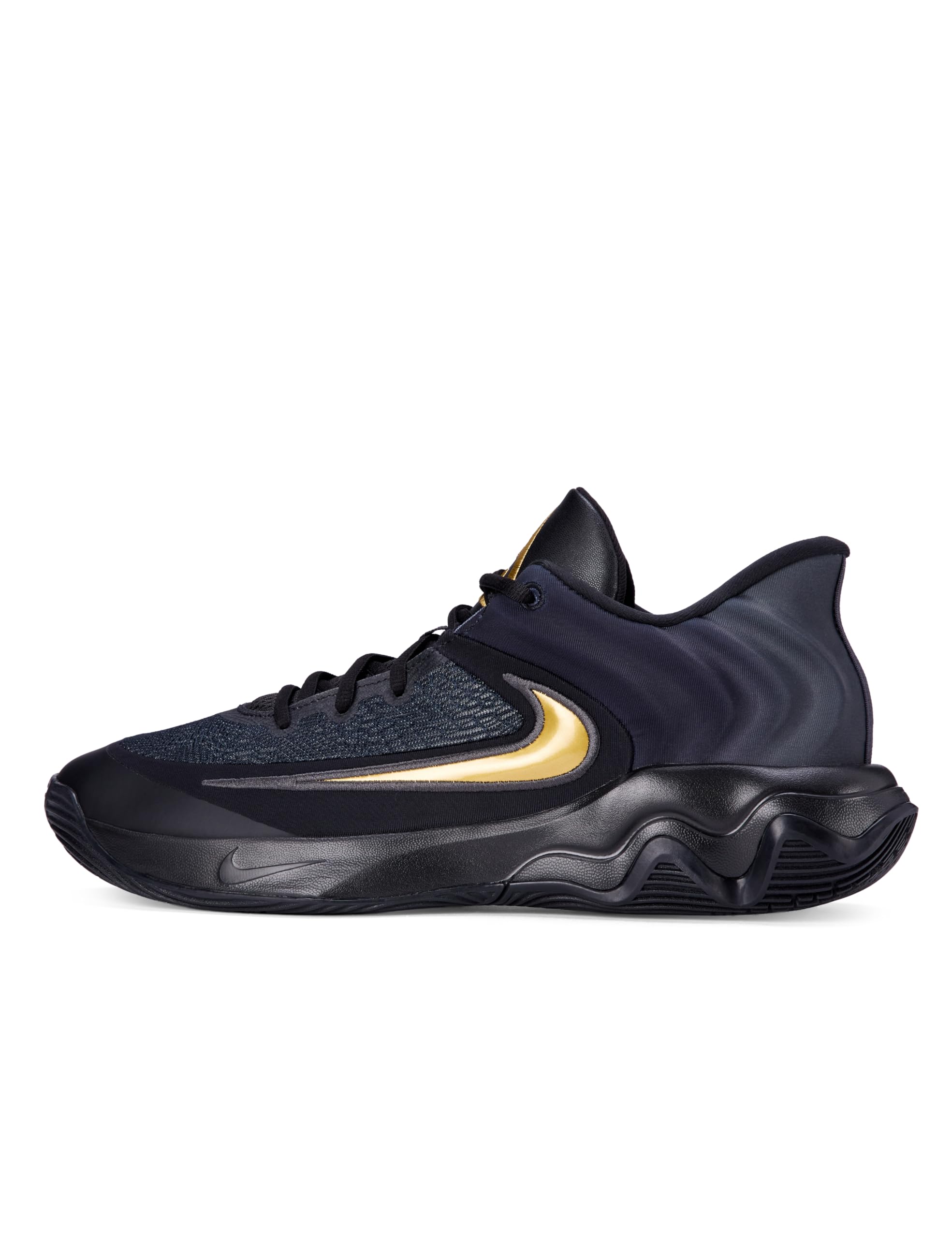

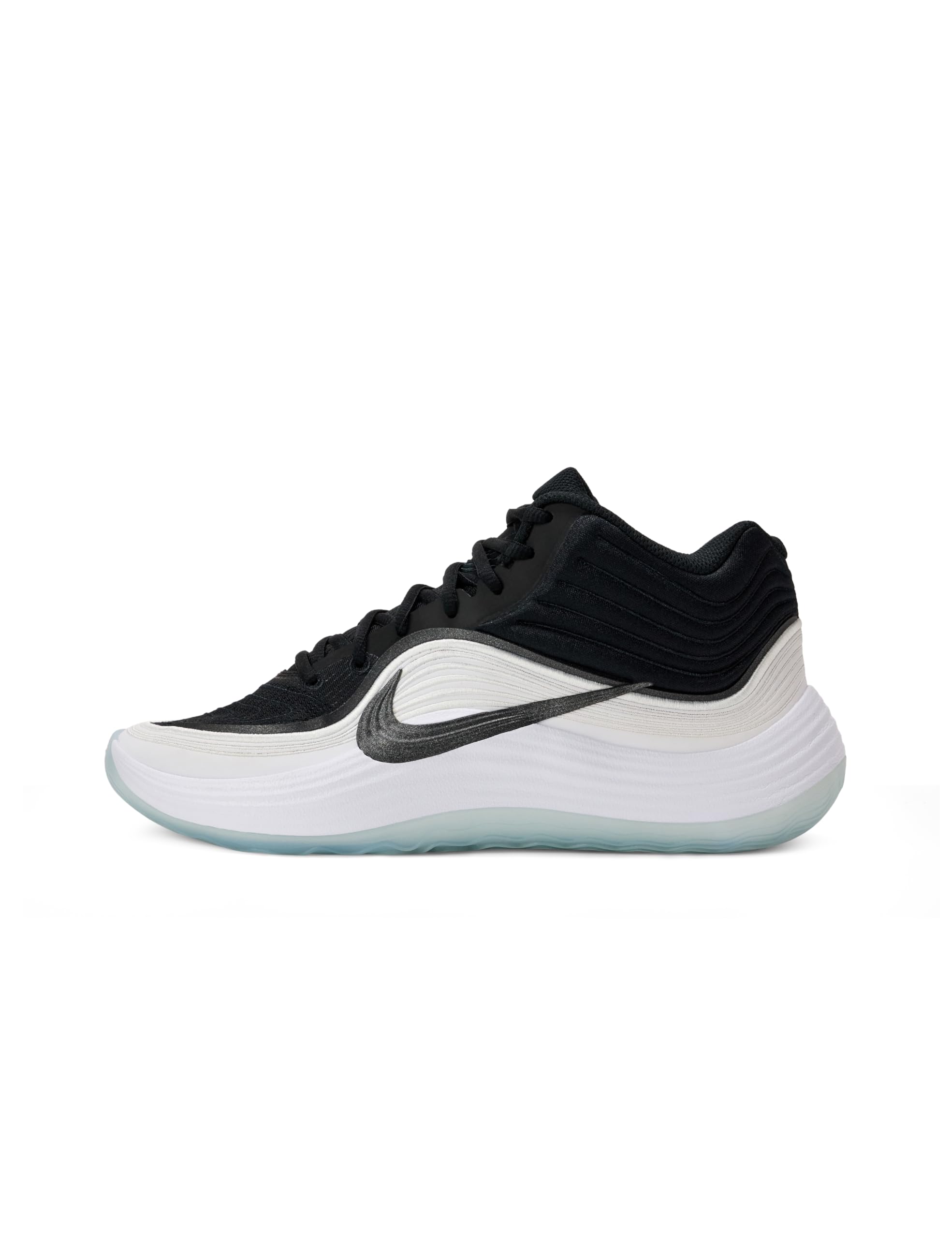


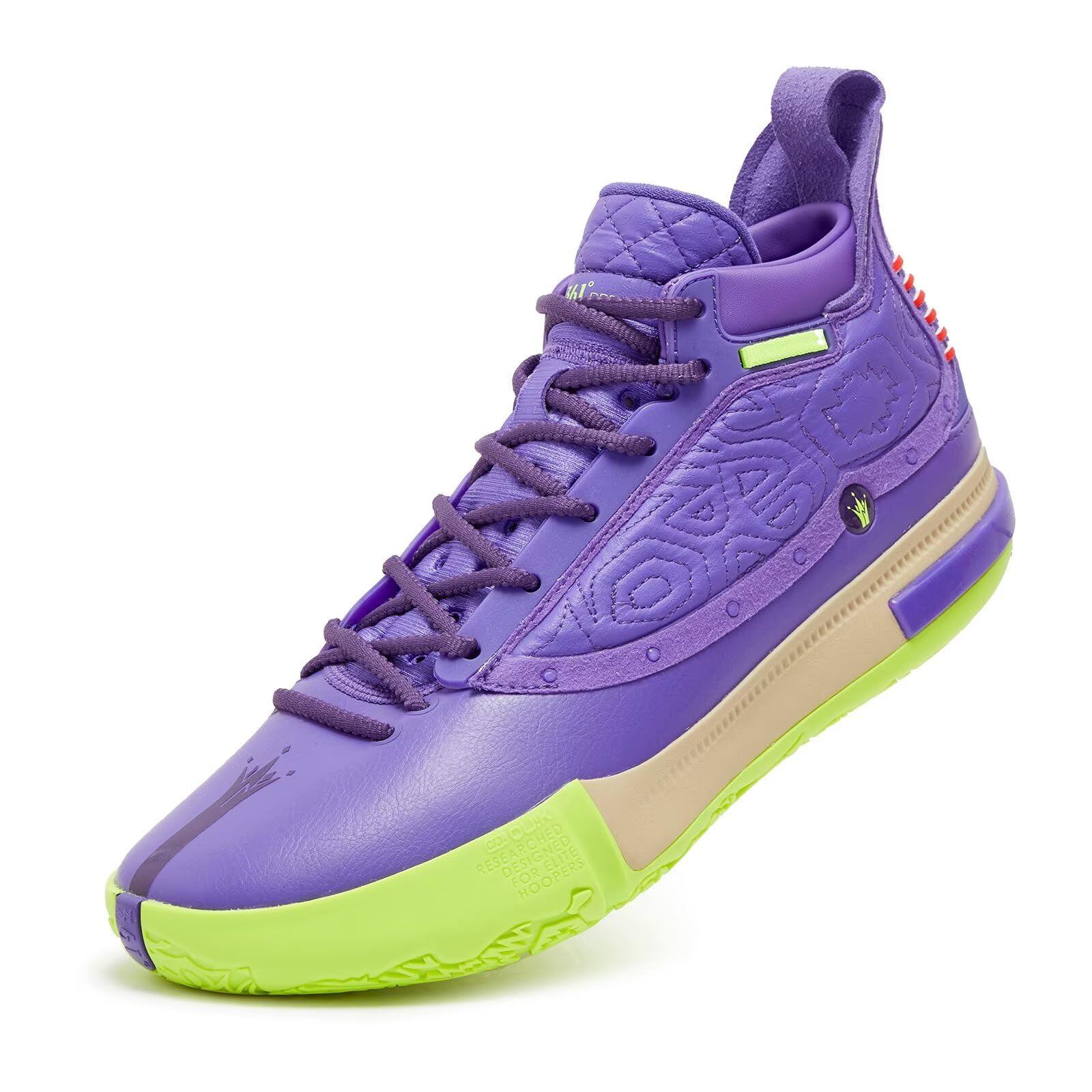
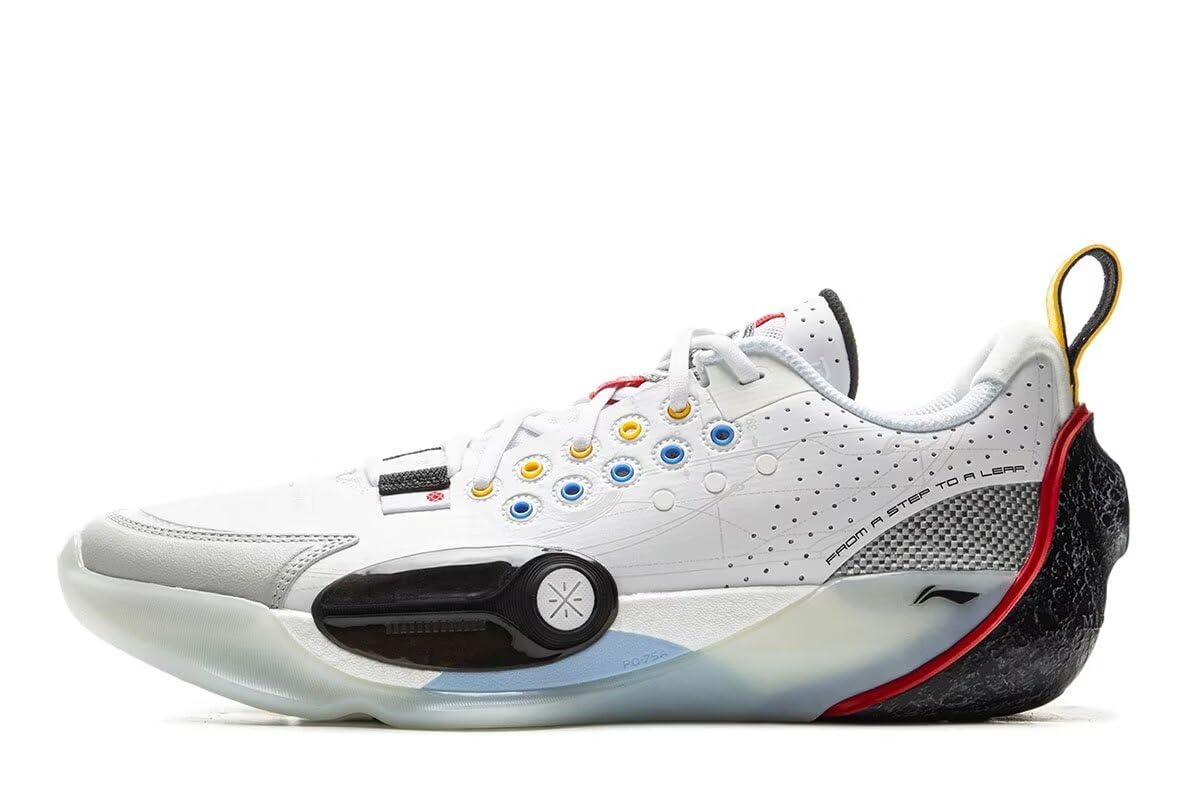
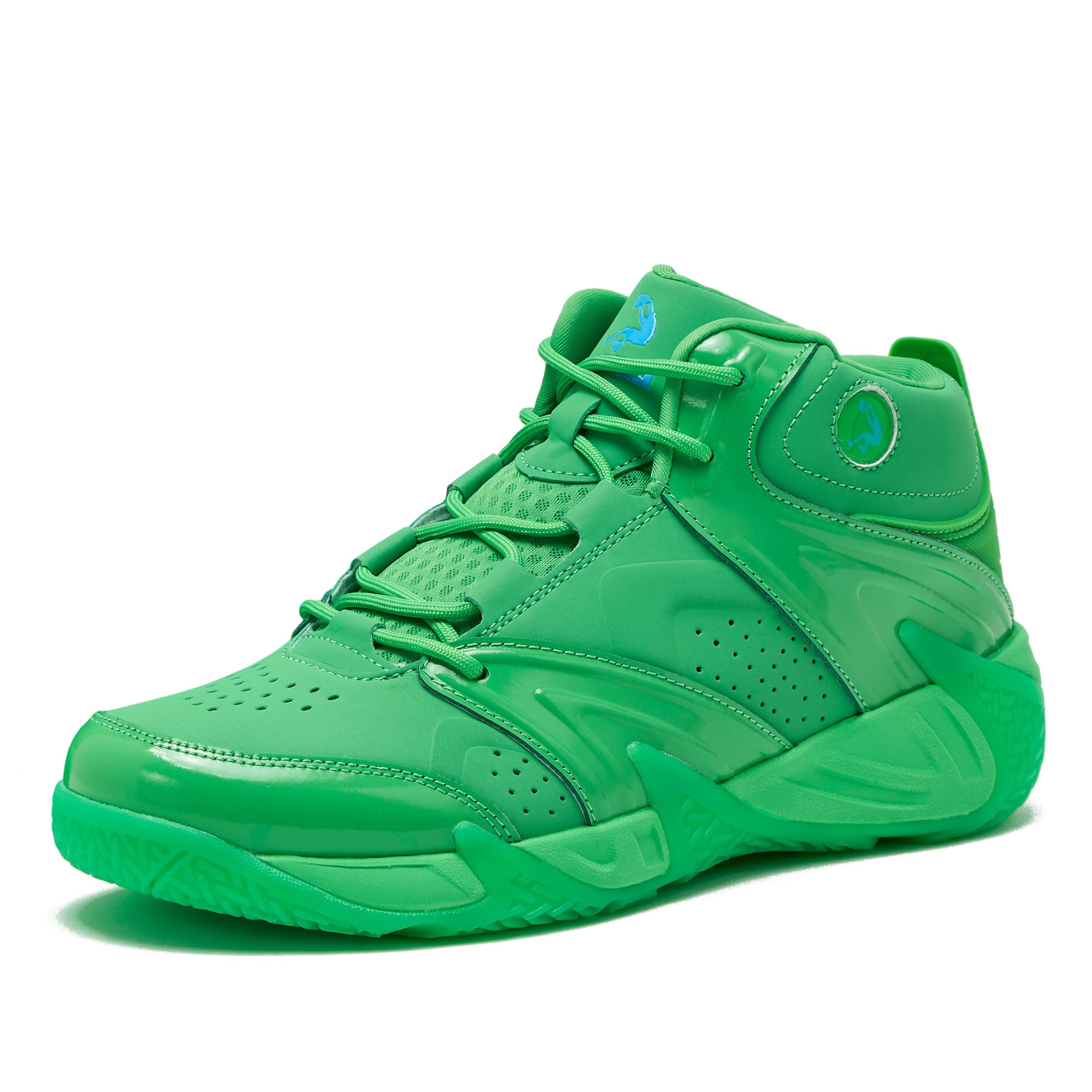
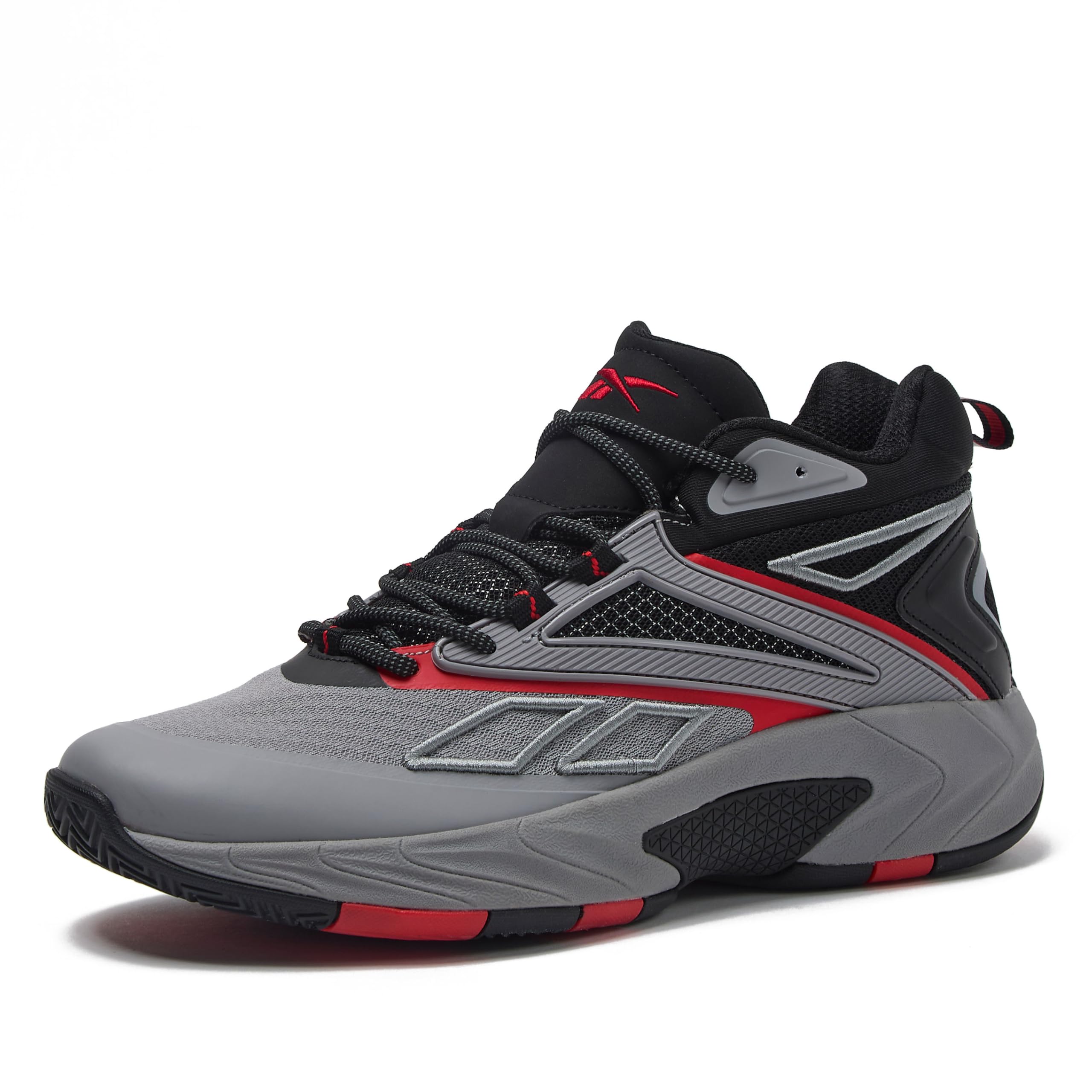
Basketball Shoes for Centers: What Centers Need From a Basketball Shoe
Post play loads the shoe sideways. Backing down a defender, sealing for a rebound and holding position all push the foot toward the edge of the sole. A wide outsole platform and a firm heel counter keep the foot centered.
A midfoot shank or plate adds torsional stability so the shoe does not twist under you. When you compare the best basketball shoes for centers, start with stability, impact protection and durability.
Cushioning has to cope with repeated landings from rebounds, blocks and finishes. Thicker, denser foam usually lasts longer than soft, light foam, and heel cushioning matters most because many landings are heel-first.
Traction should grip on pivots yet release cleanly, so choose herringbone or radial patterns and keep the soles clean.
Collar Height and Weight
High and mid collars wrap the ankle and give a secure feel when you box out and land in traffic. They are heavier and warmer, but many centers like the lockdown. Low tops feel faster and suit mobile bigs who face up and run the floor, though they rely on fit and lacing for stability.
Weight matters less for a post player than for a guard, yet a heavy shoe still tires legs over a game. Aim for the lightest pair that still feels stable when you plant and push.
Types Compared
High-top post shoes
These offer the most ankle coverage and a planted feel. They suit physical centers who live near the basket.
Mid-top power shoes
A balance of support and mobility for centers who also run the floor, handle the ball or switch on defense.
Durable low tops
Lighter and quicker, these work for mobile bigs, as long as the heel lockdown and wide base are strong.
Fit and Sizing
Fit the shoe in the evening with game socks and aim for a locked heel, a snug midfoot and a thumb width at the toe. Larger feet often come with wider forefeet, so try wide sizes if the toes feel pinched. Walk, shuffle sideways and rise onto your toes in the shoes before committing, since a shoe that slips in a slide will fail in a game.
Younger centers who are still growing should buy the size that fits now rather than sizing up, and replace pairs as their feet grow.
Care and Replacement
Wipe outsoles before play, air the shoes after games and keep them out of hot cars. Rotate two pairs if you play often. Replace shoes when the heel counter softens, the foam feels flat or the tread wears smooth. Persistent ankle or knee pain deserves a clinician visit, because shoes cannot treat an injury.
For related reading see best basketball shoes for power forwards and best basketball shoes for big men.
Footwork, Contact and Shoe Demands
A center's footwork is slower and heavier than a guard's, but it is also more punishing on the shoe. Drop steps, up-and-under moves and pivots grind the outsole and twist the midfoot. Reinforced toe areas and a solid rubber outsole last longer, and a stiff shank or plate helps the shoe keep its shape when the foot twists on the floor.
Rebounding adds repeated hard landings, often with another player nearby. Thick heel cushioning and a wide base reduce the chance of rolling an ankle on someone else's foot. If you are prone to rolled ankles, a mid or high collar plus a well-fitted lacing pattern gives extra security.
Youth and Growing Centers
Tall teenagers often outgrow shoes quickly. Buy for the foot you have now, not the one you will have next year, because a loose shoe causes blisters and makes ankle injuries more likely. Check size every few months during growth spurts, and replace pairs as soon as the toes press against the front.
Common Mistakes to Avoid
- Choosing a light guard shoe for post play, which sacrifices support and durability.
- Buying a size too large for comfort, which leads to heel slip.
- Ignoring worn traction until a slip happens in a game.
- Wearing court shoes on rough asphalt, which strips the rubber fast.
Choosing Between Indoor and Outdoor Wear
Many centers play pickup games outdoors during the week and league games in a gym. Soft indoor rubber grips polished wood well but wears quickly on asphalt, so a single pair used in both places will feel good for a few weeks and then lose its edge. If the budget allows only one pair, choose a shoe with a firmer outsole compound and a deep tread, and keep it for hard use. If you can afford two, keep a clean pair for the gym and a tougher pair for the park.
Frequently Asked Questions
Do centers need high top shoes?
High tops help many centers, but heel lockdown, a wide base and fit matter as much as collar height. A snug mid top with a firm heel can support better than a loose high top.
Are heavier shoes a problem for centers?
A little extra weight is fine for post play, but a very heavy shoe tires the legs over a full game. Choose the lightest pair that still feels stable.
How long do center shoes last?
Heavy post play can wear down outsoles and foam within a season of regular games. Check traction and midsole feel monthly.
What traction pattern is best?
Herringbone or radial patterns grip well and still allow pivots. Keep them clean, because dust is the main cause of slips.
When should I stop playing with ankle pain?
Stop if pain is sharp, swelling appears or the ankle gives way, and seek advice if it persists.
Final Thoughts
The best basketball shoes for centers are stable, well cushioned and built to last, with a fit that stays locked during contact. Compare the options in the product table, check heel hold and base width first and rotate pairs to extend their life.