
Best Basketball Shoes For Power Forwards 2026: A Practical Buying Guide
Disclosure: We may earn a commission when you buy through links on this page, at no extra cost to you. As an Amazon Associate I earn from qualifying purchases. Learn more

A practical guide to the best basketball shoes for power forwards: stability, impact protection and durability.
Power forwards fight for rebounds, set screens, defend bigger bodies and finish in traffic, so the best basketball shoes for power forwards put stability, impact protection and durability first. This guide explains what to look for in cushioning, support, traction and fit, and how to balance strength with the mobility you need to guard the pick and roll. The product table lists current options to compare with these points.
A good power forward shoe should feel planted when you hold your ground and responsive when you pop out to the perimeter.


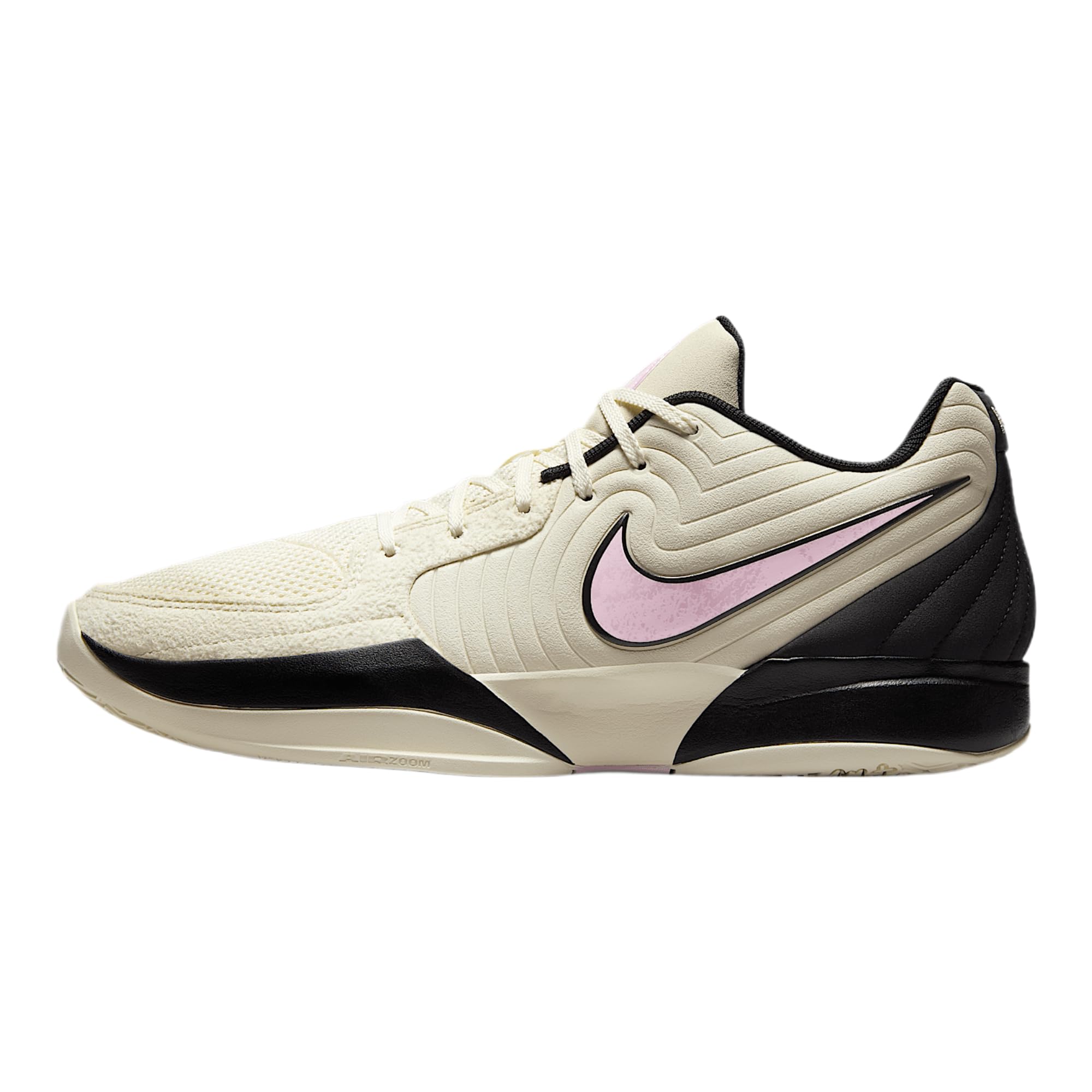


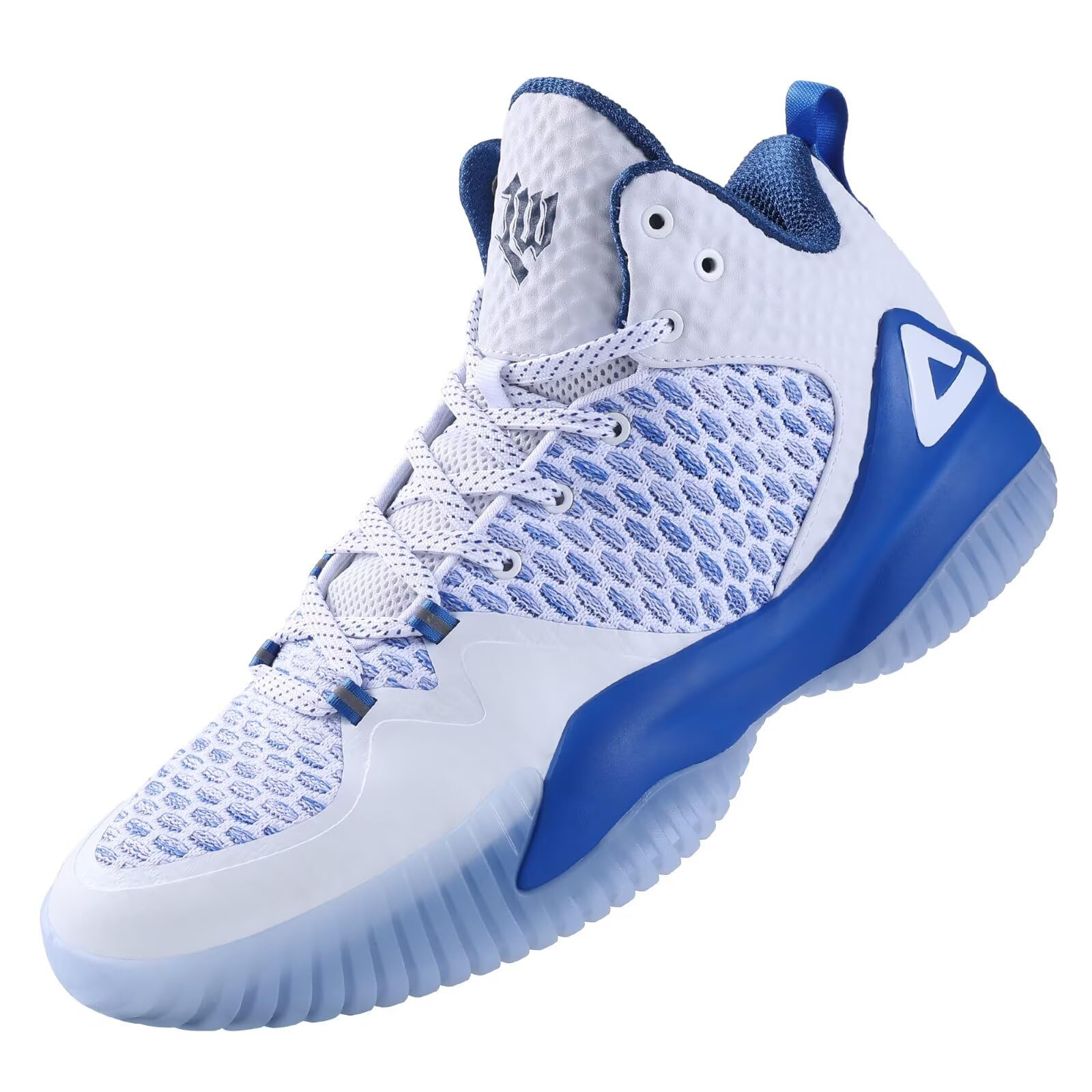
Basketball Shoes for Power Forwards: What Power Forwards Need From Their Shoes
Contact is constant. Boxing out, screening and absorbing hits all push the foot sideways, so a wide outsole base and a firm heel counter are essential. A midfoot shank or plate keeps the shoe from twisting under pressure, and a supportive upper keeps the foot from sliding over the edge of the sole. When you compare the best basketball shoes for power forwards, start with stability, impact protection and durability.
Landings come often and sometimes awkwardly, after a contested rebound or a block. Thick, durable cushioning in the heel and forefoot protects joints, and a stable platform lowers the chance of rolling an ankle.
Traction has to grip on pivots and drop-steps and still release enough to turn. Herringbone and radial patterns do this well.
Weight Versus Support
Power forwards often switch between interior work and perimeter defense, so extremely heavy shoes tire the legs while very light shoes may lack structure. Aim for the lightest pair that still feels stable on contact. Mid-cut designs often strike the best balance between support and mobility.
Cushioning Types
- Dense foam gives a consistent, durable feel and suits players who hit the floor often.
- Air or gas units add spring and cushion, which helps when you rebound and run.
- Dual-density layouts use a firmer outer rim for stability and a softer core for comfort.
Whichever you choose, press the midsole with your thumb and land from a small hop in the shop to see how it behaves under load.
Fit and Width
Larger players often have wider feet. If your forefoot feels squeezed or your toes overlap, try a wide size or another brand instead of going longer, which only causes heel slip. Lace the shoe fully and use a runner loop at the top eyelet to lock the heel. Fit in the evening with game socks, leave a thumb width at the toe and check both feet.
Common Mistakes to Avoid
- Choosing a light guard shoe that lacks support for contact.
- Buying a size too large for comfort, which causes slipping.
- Ignoring worn traction until a slip happens.
- Wearing court shoes on rough outdoor asphalt that strips the rubber.
- Lacing too tightly, which can cause numbness.
Care and Replacement
Wipe the soles before games and air the shoes afterwards. Rotate two pairs if you play often, and keep shoes out of hot cars and direct sun. Replace a pair when the cushioning is flat, the heel counter softens or the tread has worn smooth. If ankle, knee or foot pain lingers, or swelling appears, rest and seek advice from a clinician.
See also best basketball shoes for forwards and best basketball shoes for centers.
Budget and Value
Entry-level shoes can handle casual games and school courts, but they often have thinner foam and lighter uppers that wear quickly under interior play. Mid-priced pairs typically add denser cushioning, stronger heel structure and more durable rubber, which suits regular players. Premium models refine the foam and the fit, but they only make sense if you play enough hours to feel the difference. A well fitted mid-priced shoe beats a premium shoe that pinches or slips.
Indoor and Outdoor Considerations
Power forwards often play pickup on outdoor courts, where rough surfaces wear rubber and uppers faster. A tougher outsole compound and reinforced toe area help, but it is still worth keeping a separate pair for the gym. Wipe the soles on a damp cloth during breaks, because dust is the most common cause of slipping.
Game Situations and Shoe Features
Think about the plays you repeat. Setting a screen and rolling to the rim calls for a quick change from planted to moving, which rewards a stiff heel and a flexible forefoot. Closing out on a shooter after helping in the lane calls for lateral grip and a light first step.
Pushing off a big defender in the post calls for a wide base. Matching those moments to shoe features is more useful than reading a long specification list.
Finally, keep an eye on how the shoe changes over a season. A pair that feels great in October can feel flat by February if you play several times a week, so compare it against a new pair occasionally and replace it before the support is gone.
Keep in mind that the shoe cannot replace conditioning. Strong calves, hips and core muscles protect the joints when you take contact, and a short routine of ankle and hip strength work before games pays off over a season.
Frequently Asked Questions
Do power forwards need high tops?
Not necessarily. Mid and high collars give coverage, but heel hold, lockdown and base width matter at least as much.
Is heavier better for power forwards?
No. A heavy shoe can tire your legs. Choose the lightest pair that still feels stable.
How long do they last?
Contact play wears outsoles and foam quickly, so many players replace shoes about once a season.
Which traction pattern is best?
Herringbone or radial patterns balance grip and pivoting. Keep them clean to maintain grip.
Can I use the same pair indoors and outdoors?
It is possible, but outdoor courts wear soft indoor rubber quickly. A second pair for outside keeps your game shoes fresh.
Final Thoughts
The best basketball shoes for power forwards are stable, well cushioned and tough enough for contact, with a fit that stays locked in. Compare the options in the product table, check base width and heel hold first and rotate pairs to extend their life.


