
Best Basketball Shoes For Heavy Players 2026 Buying Guide
Disclosure: We may earn a commission when you buy through links on this page, at no extra cost to you. As an Amazon Associate I earn from qualifying purchases. Learn more

A practical guide to the best basketball shoes for heavy players: dense cushioning, a wide base and durability.
Heavier players load their shoes harder on every jump, landing and cut, so the best basketball shoes for heavy players need dense cushioning, a wide stable base and construction that holds together all season. This guide explains what to look for, how to fit and care for a pair, and when to replace it. The product table shows current options to compare with these points.
A shoe that feels fine for a lighter player can flatten, twist or wear out quickly under more weight, so the details matter.


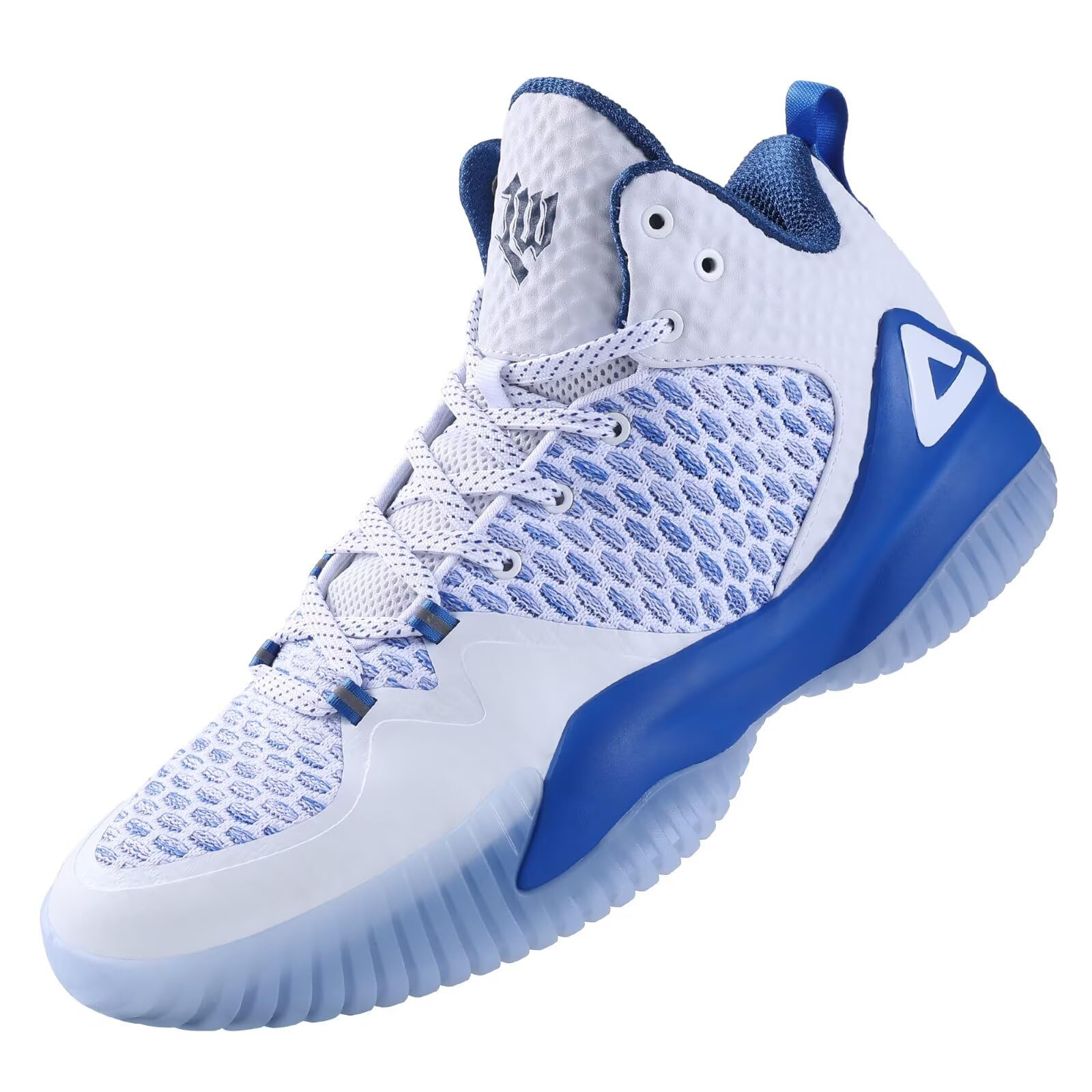

Basketball Shoes for Heavy Players: Why Weight Changes the Shoe You Need
Foam compresses in proportion to the load on it. A soft foam that feels bouncy for a lighter player can bottom out under a heavier one, which removes cushioning and sends shock to the knees. A denser, thicker midsole keeps its shape longer and gives a more even landing. When you compare the best basketball shoes for heavy players, start with dense cushioning, a wide base and durability.
Stability also matters more. More mass means more sideways force on the outsole during cuts, so a wide platform and a firm heel counter help prevent rolling. Look for a shoe that stays level when you shift weight from side to side.
Cushioning and Support Features
- Dense, resilient midsole foam that does not collapse after a few weeks.
- A wide, flat outsole that resists tipping on lateral moves.
- A firm heel counter and a supportive midfoot to keep the foot aligned.
- A removable insole, so you can add a supportive insert if you need one.
Try the shoe by landing from a small hop and noticing whether the impact feels absorbed or jarring. The first step in the shop can mislead you, so give it a minute or two.
Fit, Width and Lacing
Many heavier players have wider or higher-volume feet. If the forefoot feels pinched, try a wide size or a different brand instead of going up in length, which only causes heel slip. Use a runner loop at the top eyelet to lock the heel without crushing the toes.
Fit shoes in the evening with game socks and leave about a thumb width in front of the longest toe. Check both feet, since one is often a little larger, and walk and shuffle in the shoes before deciding.
Durability and Materials
Heavier players wear shoes faster at the toe, the heel and the outsole. Look for reinforced toe caps, solid rubber outsoles and sturdy stitching. Leather or dense synthetic overlays usually last longer than thin mesh, while a mix of both can give support and ventilation.
Keep an eye on the outsole. Tread that wears smooth under the ball of the foot reduces grip and signals that it is time for a new pair.
Care, Rotation and Joint Comfort
Rotate two pairs when you play several times a week, so the foam recovers between sessions. Air the shoes after games, clean the soles and avoid hot cars or direct sun. Warm up before playing, build time gradually and rest if your knees or feet ache more than usual.
If pain is sharp, swelling appears or discomfort lingers for more than a few days, speak with a clinician. Shoes can improve comfort but do not treat joint problems.
See also best basketball shoes for big men and best basketball shoes for support.
Traction and Court Choice
Heavier players press harder into the floor, so traction can reach its limit sooner. A deep herringbone or multidirectional pattern in a durable rubber compound grips well and lasts longer. On dusty courts, wipe the soles often, and on outdoor courts, pick a harder outsole that resists abrasion. Using soft indoor rubber outside will wear it down within weeks, particularly under extra weight.
Common Mistakes to Avoid
- Choosing very soft shoes. They feel comfortable at first but may flatten quickly and feel unstable.
- Ignoring worn cushioning. Press the heel of an old pair against a new one to judge how much has gone.
- Buying lightweight shoes built for speed, which often have thinner foam and lighter structure than a heavier player needs.
- Skipping the break-in period, which reveals pressure points early.
- Playing through lasting pain instead of resting and seeking advice.
A Quick In-Shop Routine
Before you commit to a pair, run through a short routine. Lace the shoes fully and stand with weight on both feet. Rise onto your toes and check that the heel does not lift. Do a few side-to-side shuffles and notice whether the platform stays flat.
Hop lightly and land on both feet to feel the cushioning. Finally, press your thumb into the midsole at the heel and forefoot and watch how fast it recovers. This takes two minutes and tells you more than the marketing text on the box.
Think about how often you play as well. A weekend player can often get a full season from a solid mid-priced pair, while someone on the court four or five days a week should plan on replacing shoes sooner and may prefer to rotate two pairs from the start.
Frequently Asked Questions
Do heavier players need special basketball shoes?
They do not need a special category, but they benefit from denser cushioning, a wide base and durable construction.
How long will the cushioning last?
It depends on your weight and how often you play. Heavier players may notice flat foam within a season, so check the midsole feel every few weeks.
Should I size up?
Choose the size that fits your foot, with a thumb width at the toe. Go to a wide width rather than a longer size if the forefoot is tight.
Are high tops better?
Not necessarily. Ankle strength, fit and landing technique matter more than collar height. Choose what feels secure.
Can insoles help?
A supportive insole can add comfort and arch support, but it will not fix the wrong shoe size.
Final Thoughts
The best basketball shoes for heavy players use dense cushioning, a wide stable base, a locked-in fit and tough materials. Compare the options in the product table, check how the foam feels after several hops and plan to replace pairs when support fades.


