
Best Basketball Shoes for Bad Ankles: What Actually Matters Before You Buy for 2026
Disclosure: We may earn a commission when you buy through links on this page, at no extra cost to you. As an Amazon Associate I earn from qualifying purchases. Learn more

Stable bases, secure lockdown and brace room matter most in the best basketball shoes for bad ankles. Compare types before you buy.
Shopping for best basketball shoes for bad ankles starts with a clear goal: support that protects without slowing you down. Bad ankles need stability during cuts, jumps, and landings, plus cushioning that absorbs impact without feeling unstable. The right shoe cannot heal an ankle, but it can give you a steadier base and more confidence to move. The product table above shows current options side by side.
Think about how your ankles usually fail. Some players roll outward on landings, others feel unstable on quick lateral cuts, and some struggle with soreness after play rather than during it. High tops, mid tops, and low tops each suit different needs, and brace compatibility can matter more than collar height alone. Try shoes with the socks and any brace you actually wear, and test lateral movement before committing.


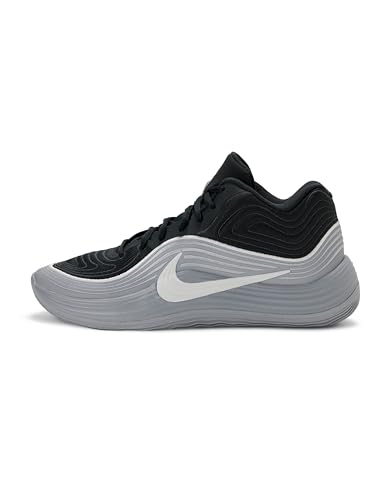


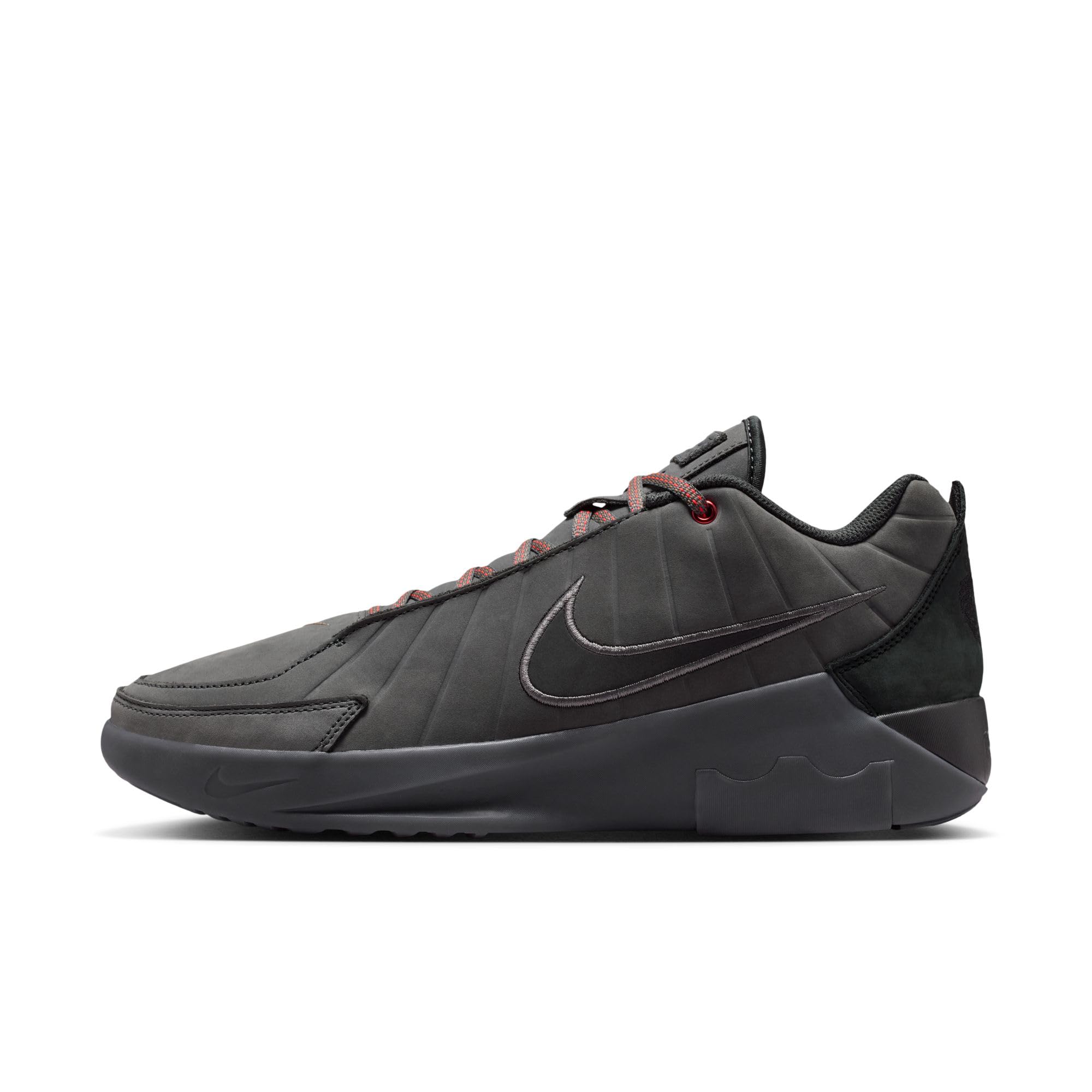
Ankle Support in Plain Language
Ankle support comes from several parts working together. A higher collar wraps the ankle bones and adds a sense of stability, though research and player experience differ on how much it prevents sprains. A rigid heel counter keeps the heel centerd, while a wide, stable base resists tipping on lateral moves. Lacing that locks the midfoot, including extra eyelets for a heel lock pattern, reduces sliding inside the shoe.
Cushioning affects stability too. Very soft, thick foam can feel comfortable but may wobble on cuts, while firmer, lower cushioning feels more planted. Outsoles with good court grip prevent slips that twist ankles, and herringbone or similar patterns grip well on clean indoor courts. The best support shoe balances cushioning comfort with a stable platform, rather than maximizing either trait alone.
Key Features Explained
Collar Height and Fit
High tops cover the ankle bones and suit players with a history of sprains who value a wrapped, secure feel. Mid tops offer a balance of support and freedom, suiting many players with mild instability. Low tops maximize freedom and court feel, but they rely more on the shoe base and lacing for stability. Fit matters at every height: a shoe that slips at the heel or squeezes the forefoot undermines whatever support the design promises.
Stability and Cushioning Balance
Look for a firm heel counter, a wide outsole footprint, and a midsole that resists excessive compression on the outer edge. A stability shank or plate can reduce twisting, while moderate cushioning absorbs landing impact without creating a wobbly platform. If you wear an ankle brace, check that the shoe fits over it without squeezing, since a tight fit can restrict circulation and change how you move.
Traction and Court Feel
Traction keeps feet planted during the explosive stops and starts that stress ankles. Outsoles designed for indoor courts grip dust free surfaces well but may wear quickly outdoors. Outdoor courts need harder rubber and deeper patterns. Court feel, meaning how close and connected the foot feels to the floor, helps players sense balance changes early.
A shoe that feels vague or disconnected can delay the small corrections that prevent a roll.
Who Should Buy Which Type
Players returning from a sprain often prefer high tops with firm counters and brace room, paired with a gradual return to play. Players with chronic mild instability may do well in mid tops with strong lacing and stable bases. Players who prioritize speed and already have strong ankles may choose low tops, provided fit and traction are excellent.
For a general basketball view, compare court shoes across positions before narrowing to ankle support models. See our guide to best basketball shoes for more detail.
General bad ankle shoe guides cover walking and daily wear options that can complement court shoes. See our guide to best shoes for bad ankles for more detail.
Ankle focused basketball guides highlight collar and counter designs in more depth. See our guide to best ankle basketball shoes for more detail.
Support focused guides compare stability features across collar heights and price tiers. See our guide to best basketball shoes for ankle support for more detail.
If you wear a brace, check brace compatible models for volume, lacing, and fit before buying. See our guide to best basketball shoes for ankle braces for more detail.
Mistakes to Avoid
A common mistake is assuming a high top alone prevents sprains. Collar height helps some players, but fit, base stability, traction, and strength matter just as much. Another mistake is buying shoes too tight to feel supported, which restricts movement and can cause blisters or numbness. Support should feel secure, not constricting.
Playing through ankle pain is the riskiest mistake of all. Swelling, instability, repeated giving way, or pain that changes how you run and jump deserve rest and clinician advice. Shoes support play, they do not replace rehabilitation, strength work, or professional assessment. Return gradually after injury, and stop if pain or instability returns during play.
Care and Everyday Use
Rotate court shoes with daily shoes when possible, since constant court use wears traction and cushioning faster. Clean outsoles before indoor play, because dust reduces grip and increases slip risk. Replace shoes when traction smooths, cushioning collapses on one side, or the heel counter bends easily, since worn support features stop protecting you.
Strength and balance work complements good shoes. Simple ankle strengthening, balance drills, and proper warm ups reduce sprain risk more than any single shoe feature. Keep a note of which models and fits felt most stable for you, since that record saves time and money on future purchases.
A Final Check Before You Order
Before you buy, test lateral steps, quick stops, and small jumps in the shop while wearing your usual socks and any brace you use on court. The heel should stay centerd, the foot should not slide inside, and the shoe should not tip excessively on side to side moves. A shoe that feels stable in those tests is far more likely to support you during a game than one that only feels comfortable walking.
Break in new court shoes with practice sessions before a full game, since stiffness and fit quirks show up under game load rather than in a short shop walk. Check for heel slip, forefoot pinching, and lace pressure during practice, and adjust lacing patterns before committing to a match. A heel lock lacing pattern often solves heel slip without buying a different size.
Keep a note of models, sizes, and fits that felt most stable for your ankles, including whether a brace changed the fit. That record saves fitting time and money on future purchases, since ankle support varies more between models than marketing suggests. Pair good shoes with balance and strength work, and return gradually after any ankle trouble rather than rushing back.
Frequently Asked Questions
Do high tops really prevent ankle sprains?
High tops can add a sense of stability and may help some players, but they do not guarantee prevention. Fit, base width, traction, lacing, and ankle strength all affect sprain risk. Some players feel more confident in high tops and move better because of it, while others prefer mid tops with strong counters. Choose the collar height that feels stable in lateral movement tests, and pair it with strength and balance work.
Should I wear a brace with basketball shoes?
A brace can add support during return from injury or for chronic instability, but it needs a shoe with enough volume to fit without squeezing. Try the brace and shoe together, and test cuts and jumps before playing. If a brace changes your stride, causes numbness, or feels painful, seek advice from a clinician or physiotherapist. Braces support rehabilitation, they do not replace it.
How do I test ankle support in a shop?
Wear your usual socks and any brace, lace fully using a heel lock pattern if available, then test side to side steps, quick stops, and small jumps. The heel should stay centerd, the foot should not slide inside, and the shoe should not tip excessively on lateral moves. Walk and jog briefly, and check for pinching or numbness. A shoe that feels stable in these tests is more likely to support you on court.
When should I stop playing and seek advice?
Stop and seek clinician advice for swelling that does not settle, repeated giving way, sharp pain, numbness, or pain that changes how you walk or run. Playing through those signs risks a worse injury and longer time off. Rest and professional assessment help you return safely. Shoes can support a healthy ankle, but they cannot fix an injured one alone.
How often should court shoes be replaced?
Replace court shoes when traction wears smooth, cushioning collapses unevenly, or support parts such as heel counters bend easily. Heavy players and frequent players wear shoes faster than occasional players. Check outsoles and midsoles monthly during season, and replace shoes before support fails during play rather than after an incident.
Final Thoughts
The right court shoe for bad ankles combines a stable base, a secure fit, good traction, and room for any brace you wear. The product table above compares the main types, and the sections here explain how support features work together on court. Test lateral movement, prioritize fit over collar height alone, and respect warning signs.
With that approach, best basketball shoes for bad ankles can give you more confidence to cut, jump, and land without fear. Pair good shoes with strength work and honest rest when pain appears.


