
Best Basketball Shoes for Arch Support: A Guide for 2026
Disclosure: We may earn a commission when you buy through links on this page, at no extra cost to you. As an Amazon Associate I earn from qualifying purchases. Learn more

Choose basketball shoes for arch support with stable midsoles, shaped footbeds, and secure lockdown for cuts, jumps, landings, and long games.
The best basketball shoes for arch support need to support your arches through jumps, landings, cuts, and full games. The right pair keeps your foot stable without feeling stiff, so you can move quickly without your arches feeling flat or tired late in play.
The product table above brings current options together, so you can compare stability and cushioning at a glance. This guide explains how arch support works in basketball shoes and how to test it on court.

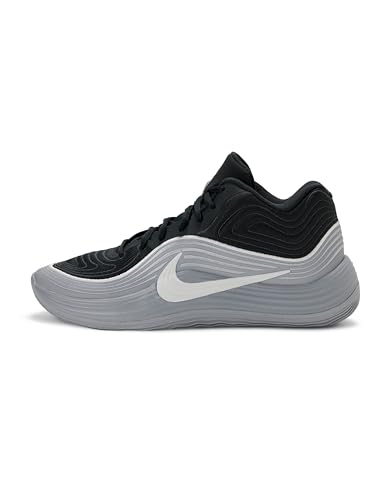
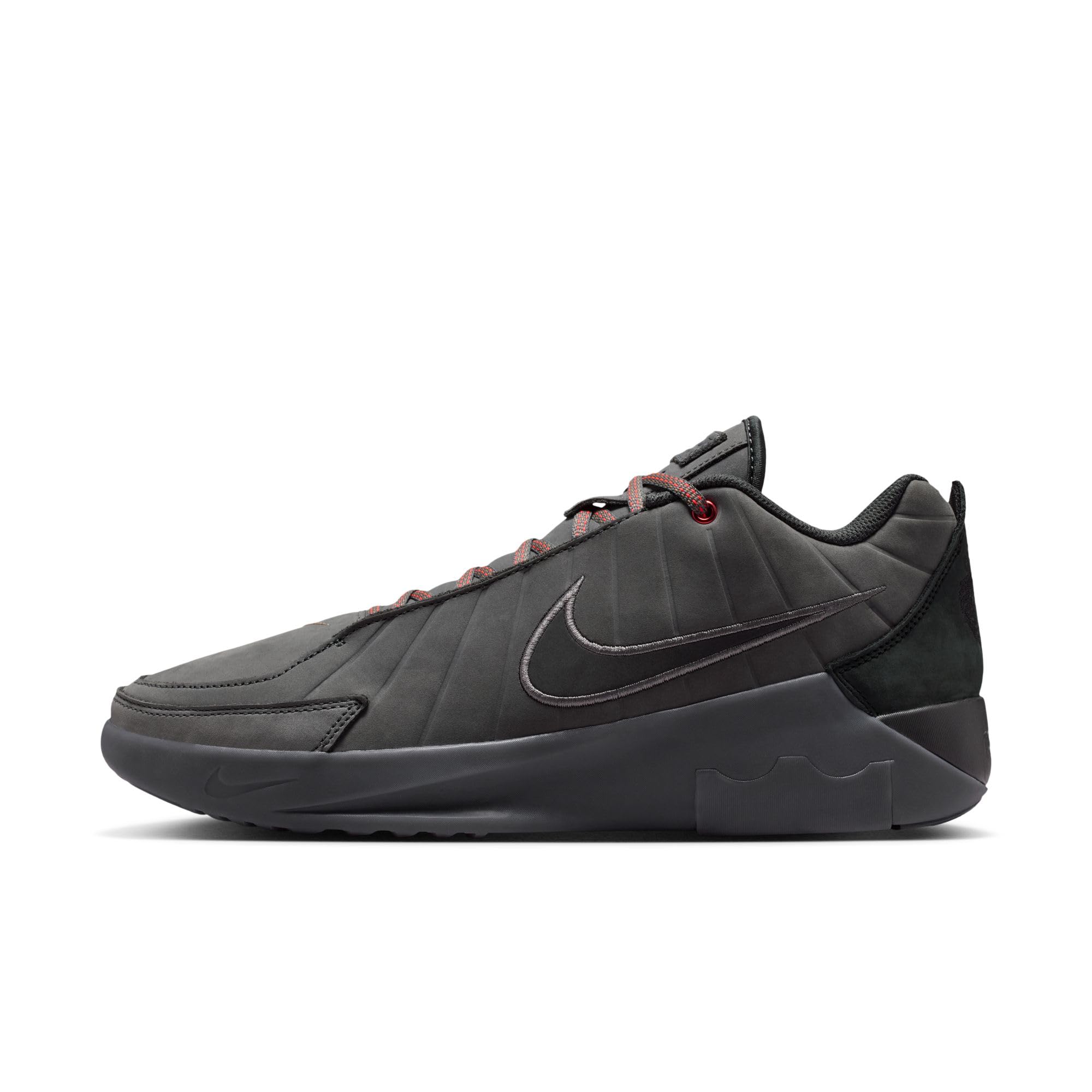


Arch types vary. Flat feet need more structure to prevent inward roll, high arches need cushioning that fills the midfoot, and neutral arches need balanced support that neither overcorrects nor under supports.
Notice when arch fatigue appears during games before you shop. Early game comfort with late game ache points to support breakdown, while immediate pain points to fit or structural issues that need different attention.
How Arch Support Works on Court
Arch support in basketball shoes comes from footbed shape, midsole firmness, and shank stability. A shaped footbed cradles the arch, a firm midsole resists collapse during cuts, and a stable shank keeps the foot from twisting on landings.
Cushioning should absorb jump landings without letting the arch sink. Soft foam alone can feel comfortable at first but collapse under repeated jumps, while firmer foam with a shaped footbed holds up better through a full game.
Lockdown matters for arch support too. Laces, straps, and a snug midfoot keep the foot seated on the footbed, so the arch support actually contacts your arch. A loose shoe lets the foot slide off its support during cuts.
Fit, Stability, and Foot Types
Test arch support while standing and moving, not only sitting. Walk, cut sideways, and jump lightly in the store or at home during the return window. The arch should feel supported, not pressed or painful, through each movement.
Flat footed players should look for stability features and a broad base that resists inward roll. High arched players should look for cushioning that fills the midfoot gap and a flexible forefoot for natural push off.
A guide to best basketball shoes covers the wider basketball field, while best basketball shoes for support focuses on overall stability. For ankle needs, best basketball shoes for ankle support covers collar and lockdown options, and best arch support shoes for women covers women specific lasts and arch shapes.
Insoles can supplement built in support, but they must fit the shoe without crowding toes or raising the heel too high. Try insoles during a practice session before wearing them in a game.
Warning Signs and Foot Care
Stop and assess sharp arch or heel pain, swelling, numbness, or pain that changes how you run or jump. Basketball loads arches heavily, and playing through sharp pain is a reason to rest and ask your doctor.
Warm up with light jogging, lateral shuffles, and calf and foot mobility before games. Strengthen feet and calves gradually, and increase playing time slowly after layoffs to let arches adapt.
Talk with your clinician if arch pain persists, if you notice flat feet developing, or if you have diabetes or circulation problems. A clinician or foot specialist can assess arch structure, gait, and whether custom support suits your feet.
Care, Value, and Mistakes to Avoid
Rotate basketball shoes if you play often, and replace them when midsole support feels flat or one side compresses faster than the other. Worn support lets arches collapse and shifts load to knees and ankles.
Prices for supportive basketball shoes commonly range from about $80 to $180. Midrange models often offer strong stability and cushioning, while premium models add refined foam and lockdown for frequent players.
A common mistake is choosing maximum softness and calling it support. Another is buying a size down for lockdown, which squeezes the forefoot and arch. Support should feel shaped and stable, not tight and painful.
A Final Check Before You Order
Compare footbed shapes by removing insoles and looking at arch contour. A visible, shaped arch area supports better than a flat footbed, even when foam feels soft. Shape matters more than softness for arch support.
Test shoes after a warmup, not cold at the start of a session. Feet and arches change with activity, and a shoe that feels supportive cold may feel different once muscles tire and feet swell slightly.
Check shoe width at the arch, not only at the toes. Narrow waists can press the arch uncomfortably, while wider waists may let the foot slide off support during cuts. Width through the midfoot deserves attention.
Rotate game shoes with practice shoes when possible. Rotation preserves midsole shape longer, since foam recovers between sessions, and it reveals whether one pair supports better than another.
Strengthen feet and calves alongside shoe changes. Toe curls, calf raises, and balance work support arches naturally, and shoes work best when paired with gradual strength gains.
If arch pain appears suddenly after an injury or with swelling, seek care promptly rather than trying new shoes alone. Sudden pain needs assessment from a doctor before further play.
Consider playing surface hardness when judging arch support needs, since concrete and asphalt transmit more impact than sprung gym floors. Harder surfaces demand more cushioning and support, while gym floors forgive softer shoes. Match support level to your main court surface.
Review lacing patterns for arch comfort, since lacing affects midfoot pressure distribution noticeably. Skipping an eyelet over a sore arch or using a runner loop for heel lockdown can relieve pressure without new shoes. Experiment with lacing before concluding a shoe lacks support.
Frequently Asked Questions
Do basketball shoes really support arches?
Yes, when footbed shape, midsole firmness, and lockdown work together. Support keeps the foot stable during cuts and landings, which can reduce arch fatigue. It cannot fix structural foot problems, so persistent pain still needs professional assessment.
Should flat feet choose stability basketball shoes?
In most cases yes, since stability features resist inward roll and keep the arch supported during cuts. Look for a broad base, firm midsole, and secure lockdown. Test during lateral movement, since a shoe that feels stable standing still may still roll during cuts.
Can insoles replace built in arch support?
Insoles can help, but they work best inside a shoe that already offers a stable base. A very soft or narrow shoe will still collapse under an insole. Choose a stable shoe first, then add insoles if your arch needs extra shaping.
How do I test arch support before buying?
Stand, walk, cut sideways, and jump lightly in the shoes. The arch should feel cradled, not pressed, and the foot should not roll inward sharply on cuts. Wear game socks and any insoles you use, and test for several minutes rather than seconds.
When should I replace basketball shoes for arch support?
Replace them when midsole foam feels flat, the heel counter bends easily, or wear appears uneven under the arch. Frequent players may need replacements within one season. Worn support quietly shifts load to feet, knees, and ankles.
Do high arches need different basketball shoes?
Yes, high arches often need more cushioning under the midfoot and a flexible forefoot, since less of the foot contacts the ground. A rigid stability shoe can feel harsh for high arches, while a cushioned shoe with a shaped footbed usually feels better. Test during cuts and jumps to confirm.
Do custom orthotics work in basketball shoes?
Custom orthotics can work well when the shoe offers a stable base, removable footbed, and enough volume for the orthotic without crowding toes. Test orthotics during practice before games, since they change fit and heel height. A foot specialist can advise whether custom orthotics suit your arch type and playing load.
Final Thoughts
The best basketball shoes for arch support should cradle your arch, resist collapse during cuts, and lock your foot securely through jumps and landings. Test support in motion, not only at rest.
Use the product table above to compare stability and cushioning, then test finalists on court before a big game. The right pair keeps your arches supported from tip off to the final buzzer.
Judge arch support after full games, not brief try ons. Late game comfort tells the truth about support, while early comfort can mislead.


