
Best Basketball Shoes for Achilles Support: A Guide for 2026
Disclosure: We may earn a commission when you buy through links on this page, at no extra cost to you. As an Amazon Associate I earn from qualifying purchases. Learn more

Heel counter, heel cushioning, collar padding and a secure fit decide the best basketball shoes for achilles support. Learn what to check.
Basketball puts heavy, repeated load on the heel and calf, so heel hold and landing comfort matter more than style. The best basketball shoes for achilles support combine a firm heel counter, a secure collar, responsive heel cushioning, and a fit that keeps the foot from sliding. This guide explains what each part does and how to check it before you buy.
This is general footwear information, not medical advice. If you have heel or tendon pain, ask your doctor or a podiatrist before you choose shoes or return to play.
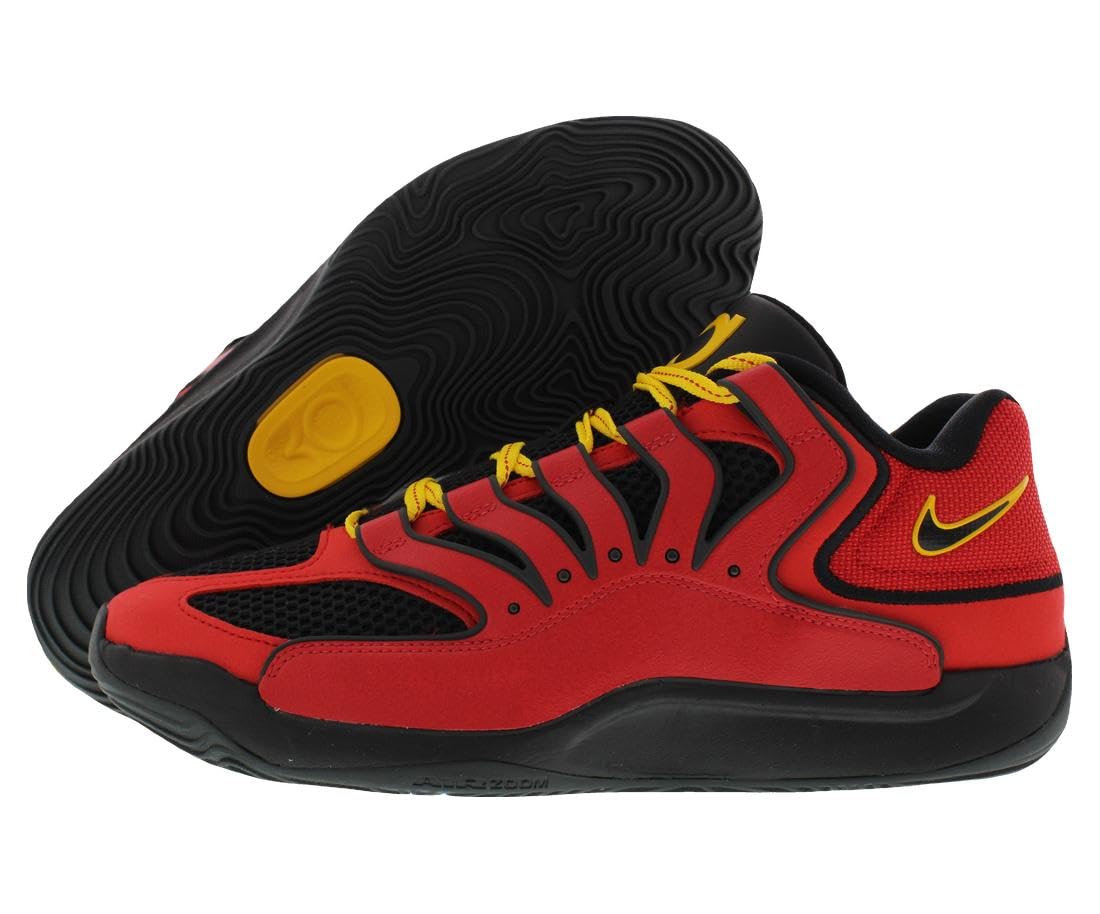
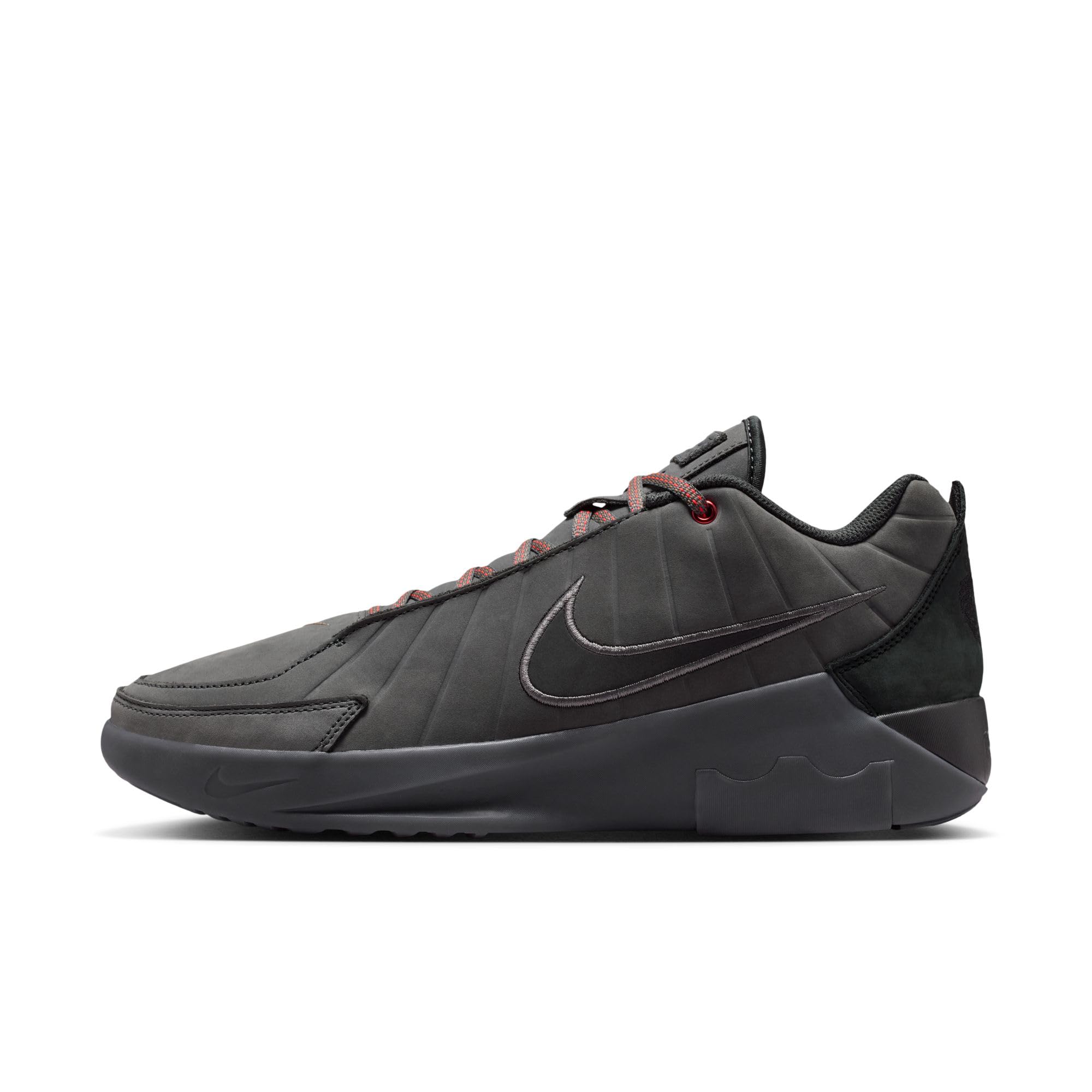


What Achilles Support Means in a Basketball Shoe
The Achilles tendon runs from the calf muscles to the back of the heel, and it works hard on every jump, sprint, and landing. A basketball shoe cannot treat a problem there, but its design changes how the heel sits and how impact travels up the leg. Three parts do most of the work: the heel counter, the collar, and the midsole.
The heel counter is the stiff cup that wraps the back of your heel. A firm one keeps the heel centered over the platform. The collar is the padded opening around the ankle, and good padding at the back avoids rubbing on the tendon. The midsole is the cushioning layer that softens landings.
Key Features to Compare
Heel Counter and Heel Lock
Press the back of the shoe with your thumb. A supportive counter resists and springs back. A soft one folds, which lets the heel slip and move on stops. Use every eyelet, including the top one, and try a heel lock lacing pattern if you feel slipping.
Heel Cushioning and Heel Drop
Responsive foam under the heel absorbs landing force. Foam that is too soft can feel unstable on cuts, and very thin foam can feel harsh. Heel drop is the height difference between heel and forefoot. Many court shoes sit between 4 and 10 mm, and a moderate drop feels more comfortable to some players with tight calves. Try different shoes and notice how your heel and calf feel after a session.
Collar Padding
The back of the collar should be padded and smooth, with no hard seam pressing on the tendon. Mid and high collars give extra wrap around the ankle, while low collars give more freedom. Choose the height that feels secure without digging in.
Fit and Lockdown
Snug at the heel and midfoot, with a thumb's width in front of the longest toe. Try shoes on late in the day, with your game socks, when feet are at their largest. A shoe that slips at the heel never supports well, whatever the specifications say.
Traction and Court Feel
Reliable grip lets you stop without sliding or forcing awkward corrections. Herringbone and similar multidirectional patterns work well on clean indoor courts. Worn tread slips, so check the soles regularly.
Types of Shoes Compared
Cushioned Mid Tops
Mid tops balance wrap and freedom. With a firm counter and responsive foam, they suit many players who want a stable heel without bulk.
High Tops
High tops add wrap above the ankle, which can feel secure. They are heavier and warmer, and collar height alone does not guarantee support, so fit and heel lock still matter most.
Low Tops With Strong Heel Cushioning
Low tops favor speed and court feel. Choose a pair with a stiff counter and good heel foam, and use a lacing pattern that locks the heel.
Who Should Use This Guide
This guide suits players who feel heel or calf strain after games, players with tight calves, and players returning to the court after a break. Heavier players land with more force, so they gain more from firm counters and durable cushioning. Younger players who are growing fast should recheck fit every few months.
Fit, Break In, and Care
Break new shoes in with short sessions before a full game. Warm up your calves and ankles, and build playing time gradually after layoffs. Rotate pairs if you play often, and let shoes dry between sessions. Replace them when heel cushioning feels flat, the counter folds, or the tread wears smooth.
Stop playing and ask your doctor about sharp pain, swelling, a popping feeling, weakness, or pain that grows over several days. Shoes can make play more comfortable, but they do not replace medical advice.
Common Mistakes to Avoid
- Choosing the softest shoe available, which can feel unstable on cuts and let the heel wobble.
- Skipping a break in period before a full game.
- Playing through sharp heel or tendon pain in new shoes and hoping the shoes alone will fix it.
- Wearing worn shoes after the cushioning has collapsed.
- Buying on price alone without checking return terms for fit.
Related reading: our guides to the best basketball shoes, the best basketball shoes for support, and the best basketball shoes for achilles tendonitis cover nearby needs.
Basketball Shoes for Achilles Support: Your Questions Answered
What heel features matter most?
A firm heel counter, a secure heel lock, and responsive heel cushioning matter most. Together they keep the heel centered and soften each landing.
Are high tops better for Achilles support?
Not necessarily. High tops add wrap around the ankle, but heel hold and padding at the back of the collar matter more for this area. Choose the height that feels secure and does not rub.
How should the shoes fit?
Snug at the heel and midfoot with toe room for stops. Try them on late in the day with your game socks, and walk, cut, and jump lightly before you decide.
How often should I replace court shoes?
Regular players often replace shoes every six to twelve months, depending on court surface and body weight. Replace them sooner when cushioning feels flat or the heel counter collapses.
When should I talk with a doctor?
Ask your doctor or a podiatrist about pain that lasts, sharp pain, swelling, or weakness around the heel. Shoes are not a substitute for professional assessment.
Final Thoughts
Choosing the best basketball shoes for achilles support comes down to a firm heel counter, a secure fit, comfortable heel cushioning, and reliable grip. Use the product table above to compare current models, check fit with your game socks, and talk with your doctor about any ongoing heel pain.


