
Best Athletic Shoes For Achilles Tendonitis 2026: Buying Guide
Disclosure: We may earn a commission when you buy through links on this page, at no extra cost to you. As an Amazon Associate I earn from qualifying purchases. Learn more

A careful guide to athletic shoes for Achilles tendonitis, covering heel support, cushioning, fit and warning signs that mean you should seek advice.
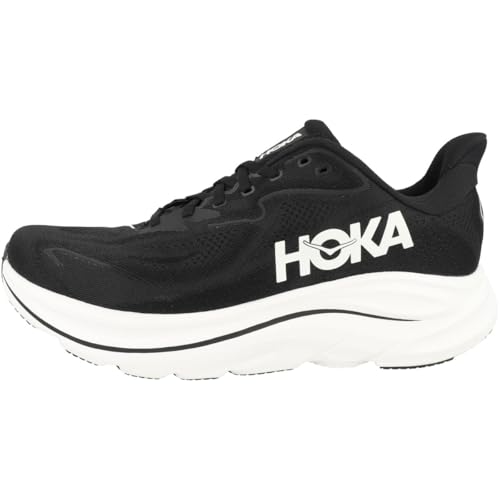
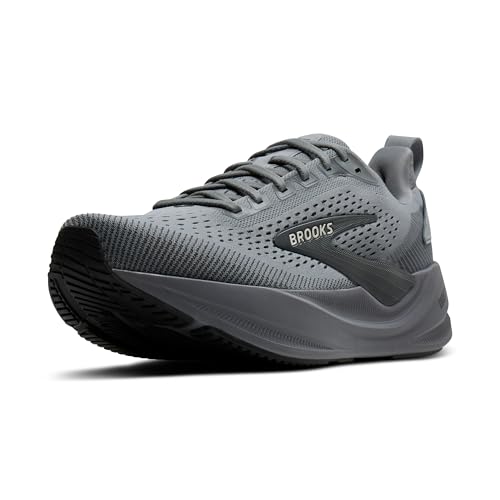
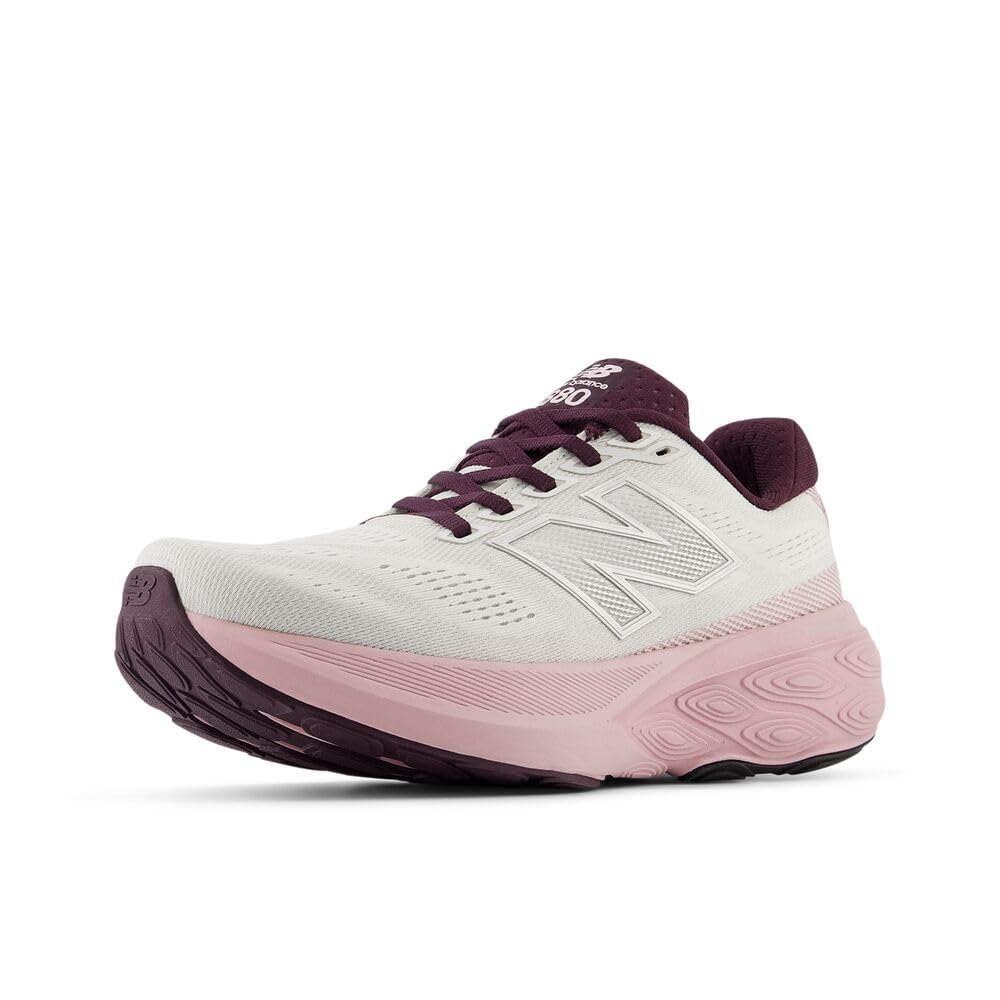
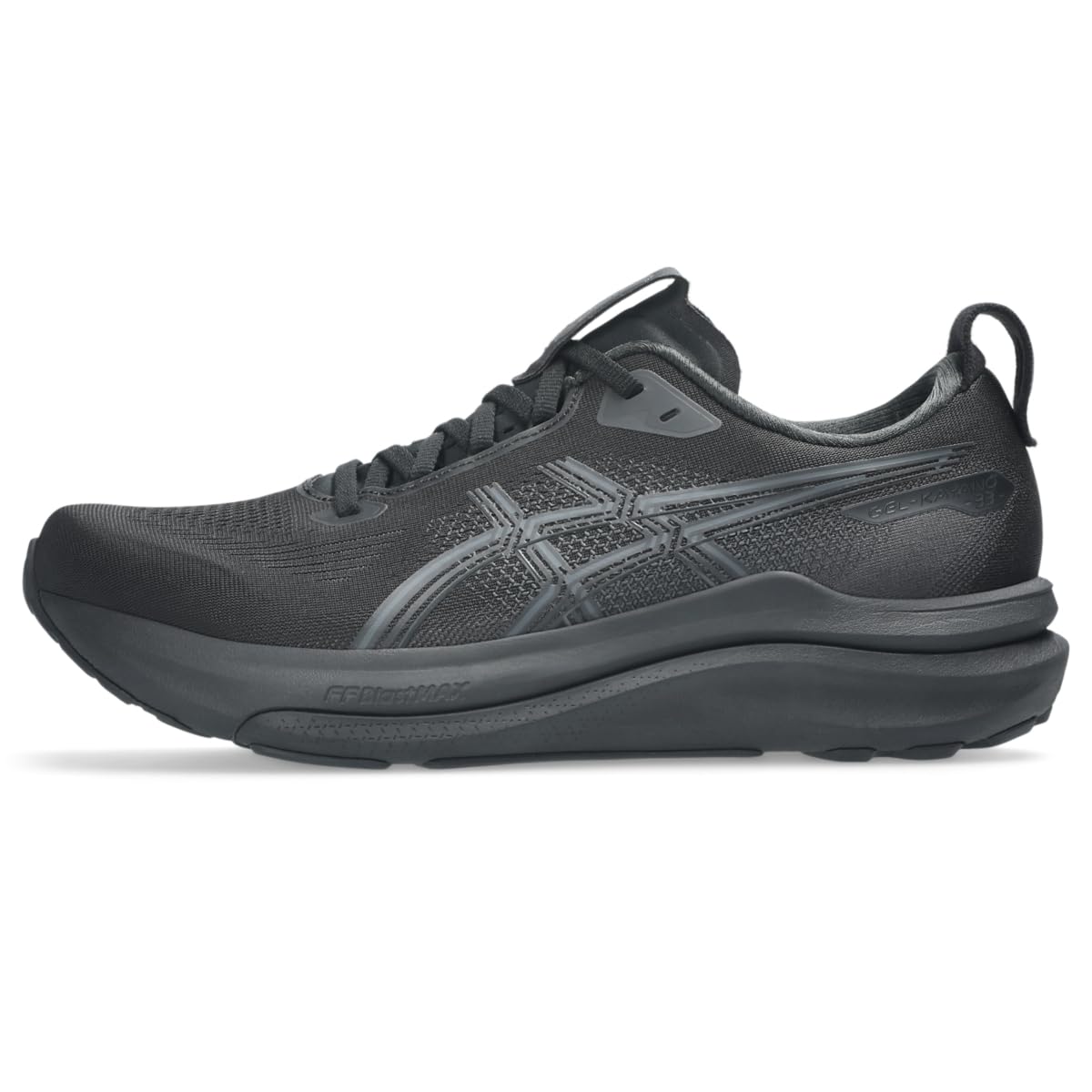
Shoes for sore Achilles tendons need a stable heel, comfortable cushioning and a fit that does not rub the back of the ankle. Footwear cannot treat a tendon problem on its own, and this guide gives buying information only, not medical advice. It explains how to compare the best athletic shoes for achilles tendonitis by heel height, heel counter, cushioning and fit.
The product table lists cushioned, supportive running and walking shoes from several makers. If your pain is sudden, severe or follows a pop or snap, seek urgent medical advice instead of shopping for shoes.


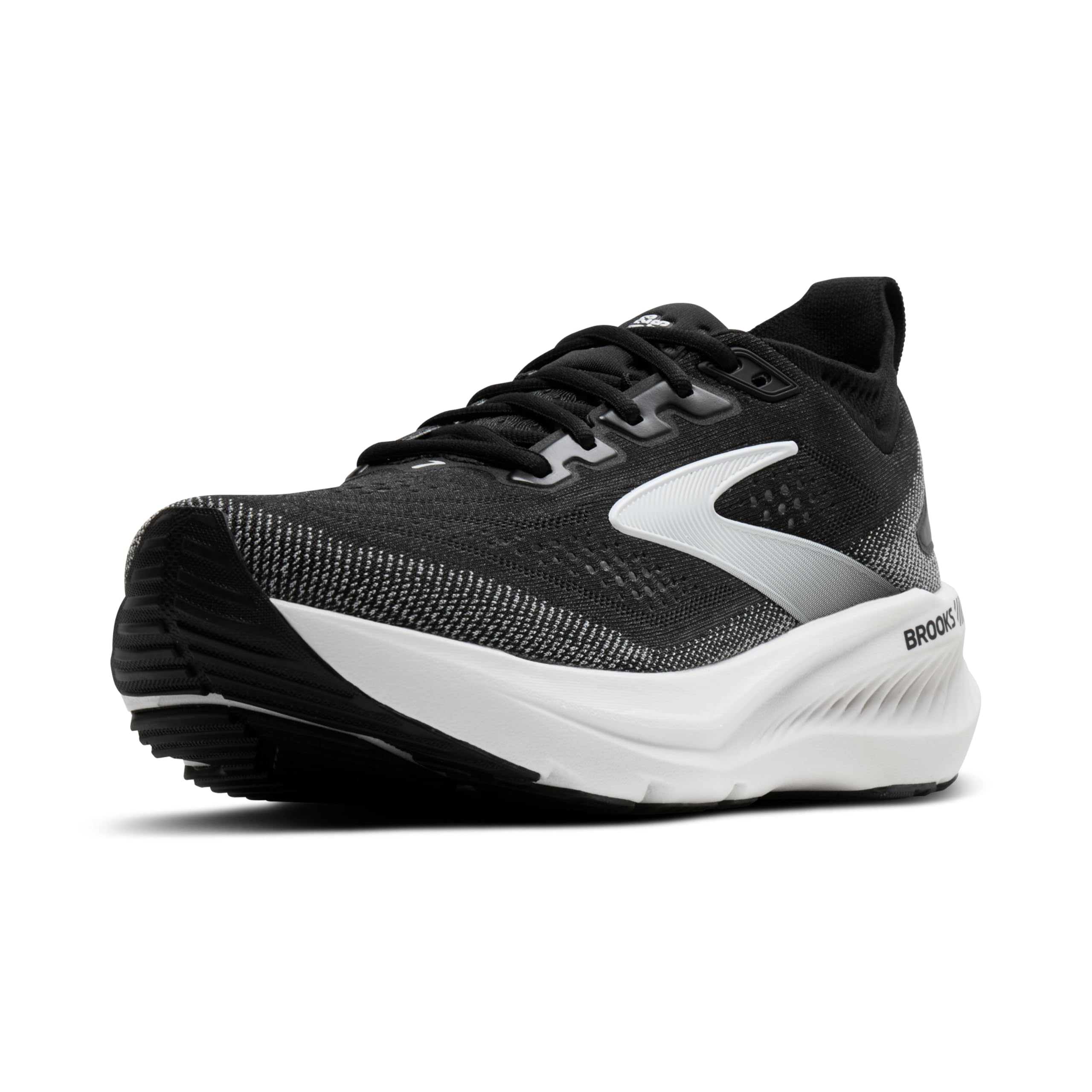

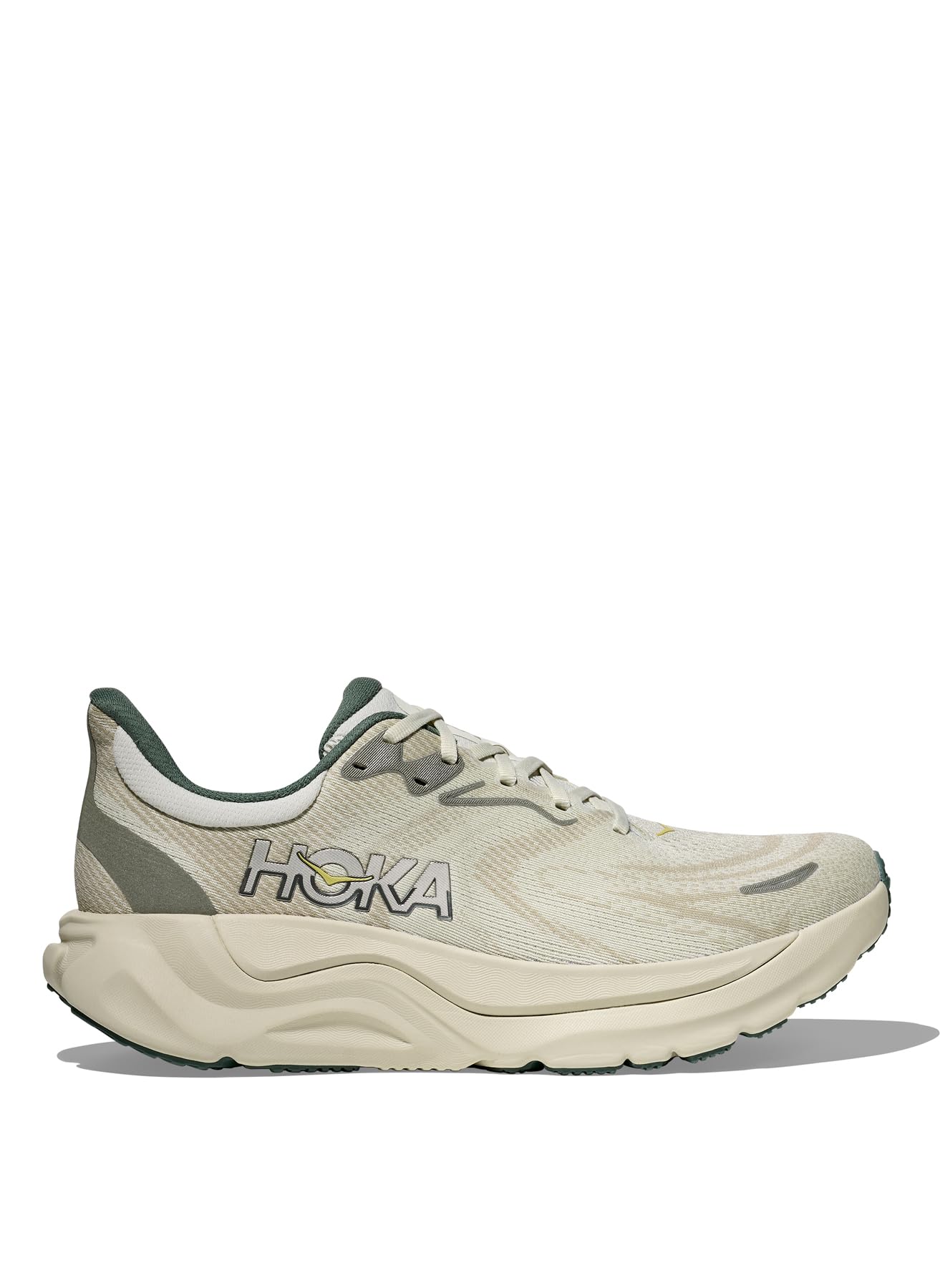
Who Is This Guide For?
It is for active people who want comfortable shoes while they manage Achilles soreness or stiffness from running, walking or court sports. It also suits people easing back into activity after a rest who want a well supported, familiar shoe. A clinician or physiotherapist should guide treatment and any exercises.
Types of Shoes Compared
| Type | Best For | Watch Out For |
|---|---|---|
| Cushioned road shoes with a moderate to higher heel drop | Road running and brisk walking | Build mileage slowly |
| Stability shoes | Feet that roll inward, inner heel wear | Firmer inner foam feels different at first |
| Walking shoes with a firm heel counter | Daily walking and standing | Collar should not press on a sore spot |
Cushioned road shoes
Many people find a moderate to higher heel drop, often around 8 to 12 mm, more comfortable because the heel sits a little higher. These shoes suit road running and brisk walking. Pair them with a slow return to distance, since a sudden jump in mileage can flare symptoms.
Stability shoes
Stability shoes guide feet that roll inward, which can show up as extra wear on the inner heel of old shoes. The firmer inner foam feels different at first, so build up wear time gradually.
Walking shoes with a firm heel counter
A firm heel counter keeps the heel centered and stops the shoe twisting during each step. These suit daily walking and standing. Look for a padded collar that does not press on the back of the ankle.
Key Features to Compare
Heel drop and heel stability
Heel drop, heel counter firmness and cushioning under the heel matter most. A padded but not bulky collar reduces rubbing, and a stable heel keeps the foot centered. Very flat, very flexible shoes may feel less comfortable during a sore spell, so ease into any big change.
Fit and sizing
A slipping heel rubs the back of the ankle with every step. Measure in the afternoon, use a heel lock lacing pattern if needed, and leave toe room for natural spread. If the collar presses a sore spot, try a different collar shape rather than enduring the rub.
Cushioning and support
Cushioning should absorb impact without feeling unstable. A balance of soft heel cushioning and firmer midfoot support often feels best. Replace shoes when the foam flattens, since worn foam changes how the shoe feels underfoot.
Traction and surfaces
Predictable surfaces suit a gentle return to activity, so choose grip for pavement and tracks rather than rough trails. A smooth, stable outsole reduces sudden twists. Save steep hills and uneven ground for later.
Common Mistakes to Avoid
- Switching suddenly to very flat or barefoot style shoes during a sore spell.
- Ignoring heel slip that rubs the back of the ankle with every step.
- Jumping back to full mileage as soon as pain eases for a day.
- Choosing the softest shoe without checking heel stability.
Everyday Use
Ease into new shoes with short walks, then add time over one to two weeks. Keep a simple note of how your heel and ankle feel after activity, and share it with your clinician. Wear supportive shoes through the day too, since long hours in flat, unsupportive footwear can leave the area feeling worse.
For broader reading, see our guides to the best shoes for achilles tendonitis, the best running shoes for achilles tendonitis and the best walking shoes for achilles tendonitis.
When to Talk With a Clinician
Seek advice promptly for sudden sharp pain, a popping feeling, quickly growing swelling, bruising around the heel or inability to bear weight. Also ask a professional if pain worsens despite rest, wakes you at night or comes with numbness. These signs need assessment, not just a shoe change.
Frequently Asked Questions
What heel drop is comfortable for sore Achilles tendons?
Many people prefer a moderate to higher drop, around 8 to 12 mm, but it varies by person. Try a few options and notice how your heel feels during and after a short walk. A clinician or physiotherapist can help you judge what suits you.
Should I run through Achilles pain?
Sharp, worsening or sudden pain means you should stop and seek advice. A gradual return generally works better than pushing through. Follow your clinician's guidance over any article.
Do heel lifts help?
Some people use them, but they change fit and balance, so use them only with professional guidance. A lift inside a stable shoe with a firm heel counter works better than one in a soft, unsupportive shoe.
How long should shoes last?
Running shoes typically last 300 to 500 miles. Replace them when the cushioning feels flat, the heel wears unevenly or the upper loses structure.
Can the same shoes work for walking and running?
Many cushioned road shoes work for both. If you mostly walk or stand all day, a model with a firm heel counter and a stable base is a good place to start.
Final Thoughts
Look for a stable heel, a comfortable drop and a collar that does not rub, and return to activity gradually. Compare options in the product table above, and the best athletic shoes for achilles tendonitis will be the pair that feels steady and comfortable from the first step. Talk with your clinician if pain persists or changes.


