
Best Basketball Sets: A 2026 Checklist for Choosing Well
Disclosure: We may earn a commission when you buy through links on this page, at no extra cost to you. As an Amazon Associate I earn from qualifying purchases. Learn more
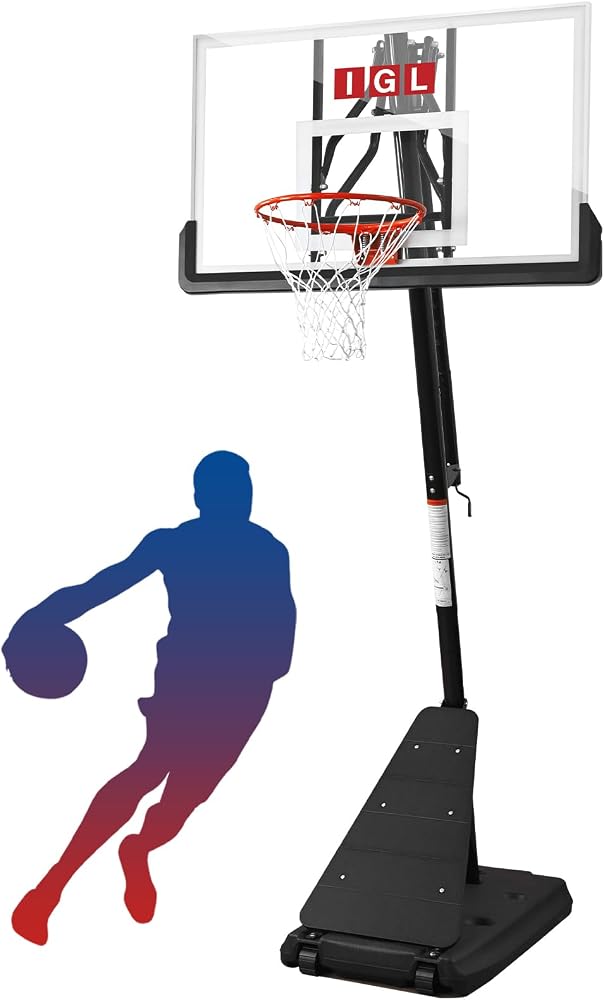
Use our checklist for the best basketball sets: hoop height, backboard size, base stability, safety, and value, so you can choose the right set with confidence.
A basketball set is the whole home hoop package: pole, backboard, rim, and the base or mount that holds it all up. Sets look similar in photos, yet they play very differently once a teenager starts dunking or the wind picks up. This article gives you a checklist you could hand a friend, with clear pass and fail marks for each part.
Run any set through these tests before you buy, and the weak designs filter themselves out. The best basketball sets pass on stability, backboard response, and safe height adjustment, not on paint and logos. Compare your shortlist against the product table above as you read.
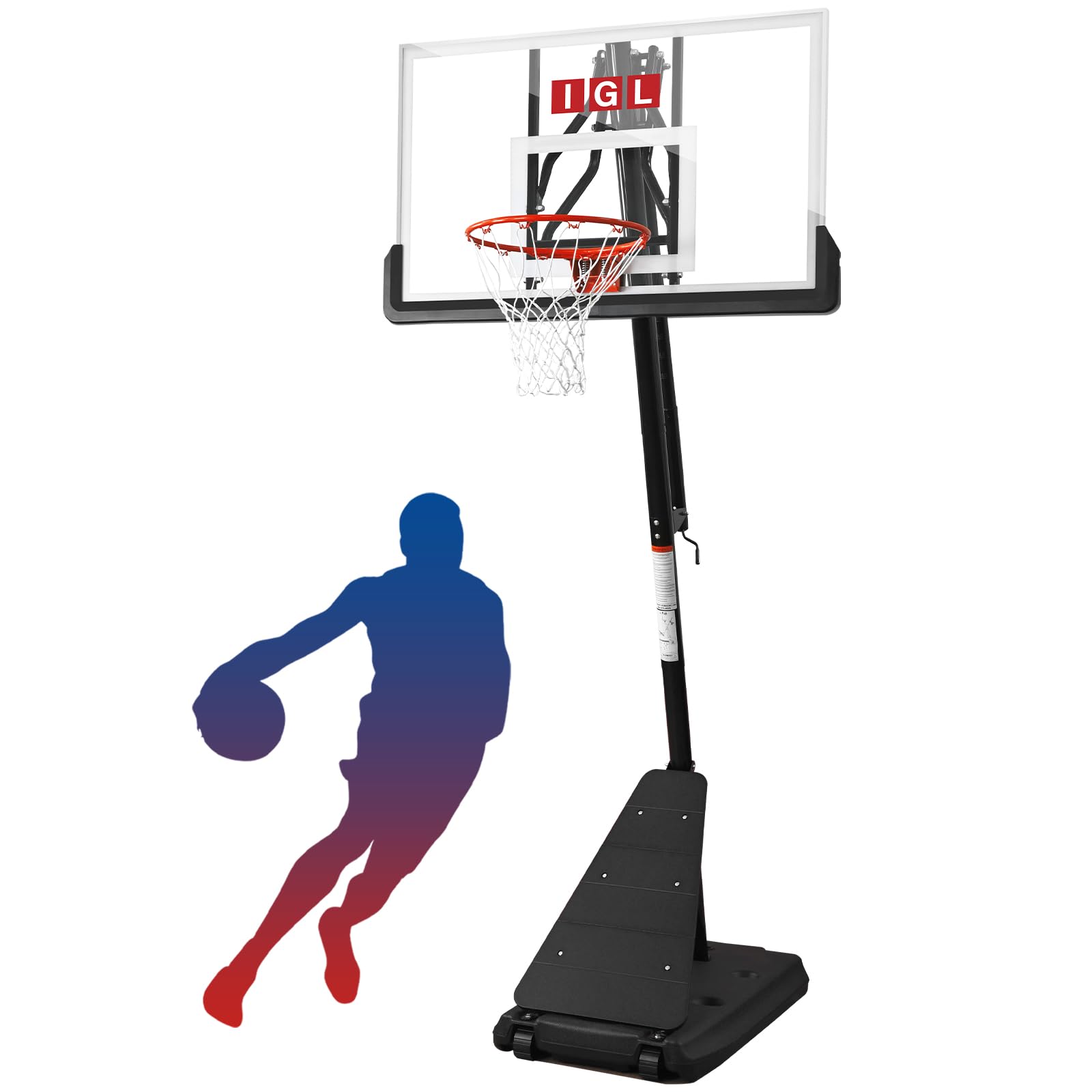

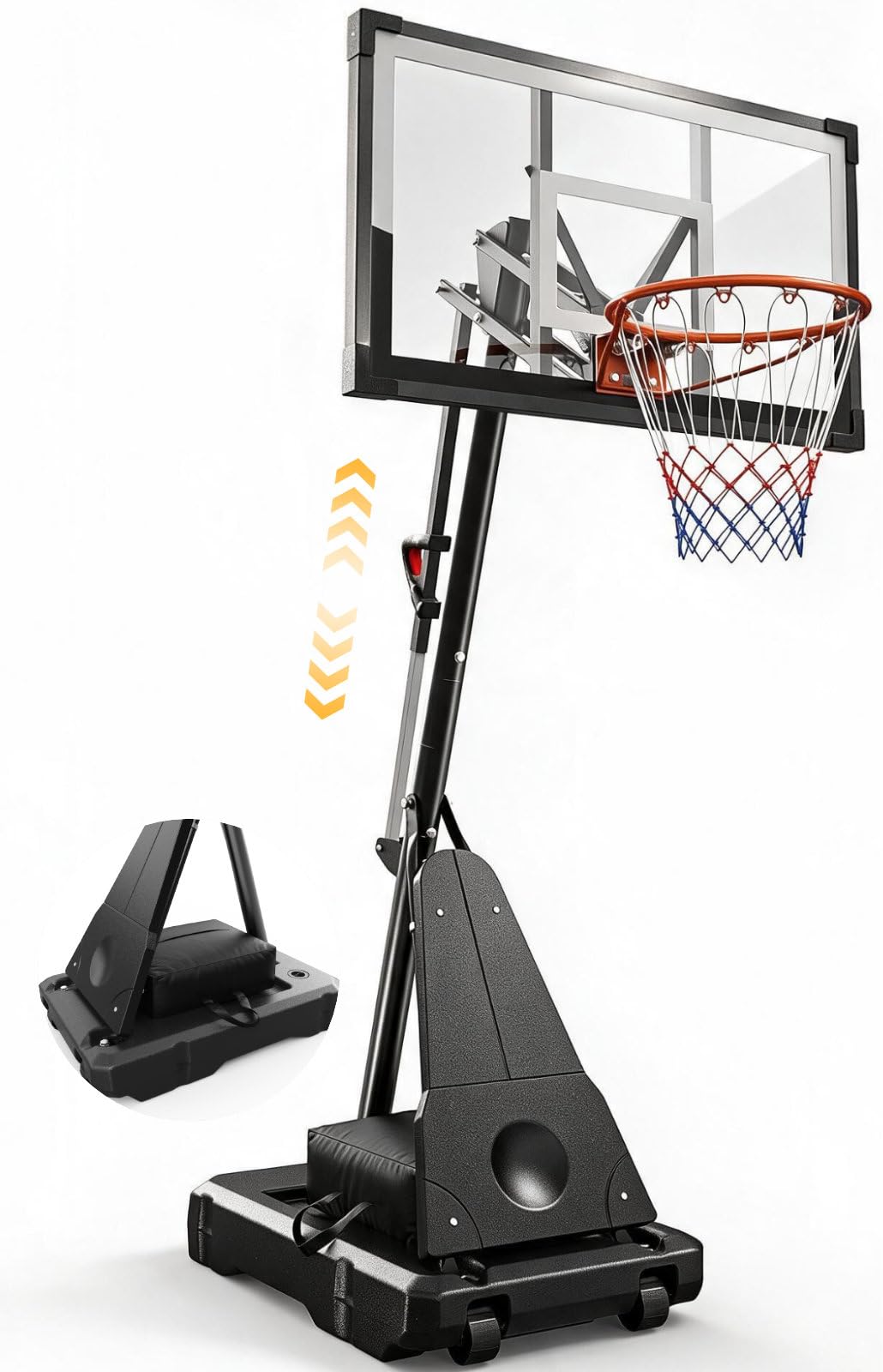


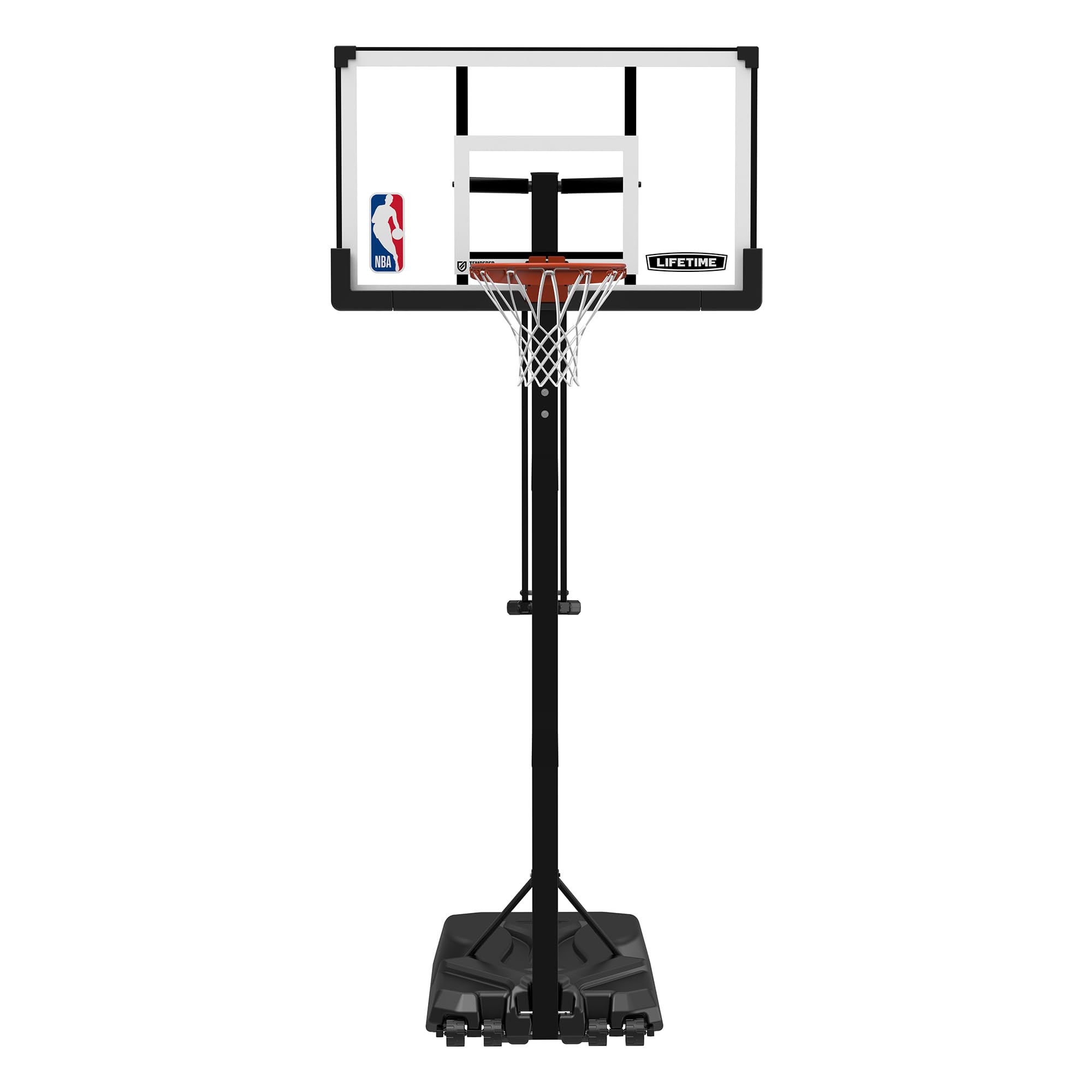


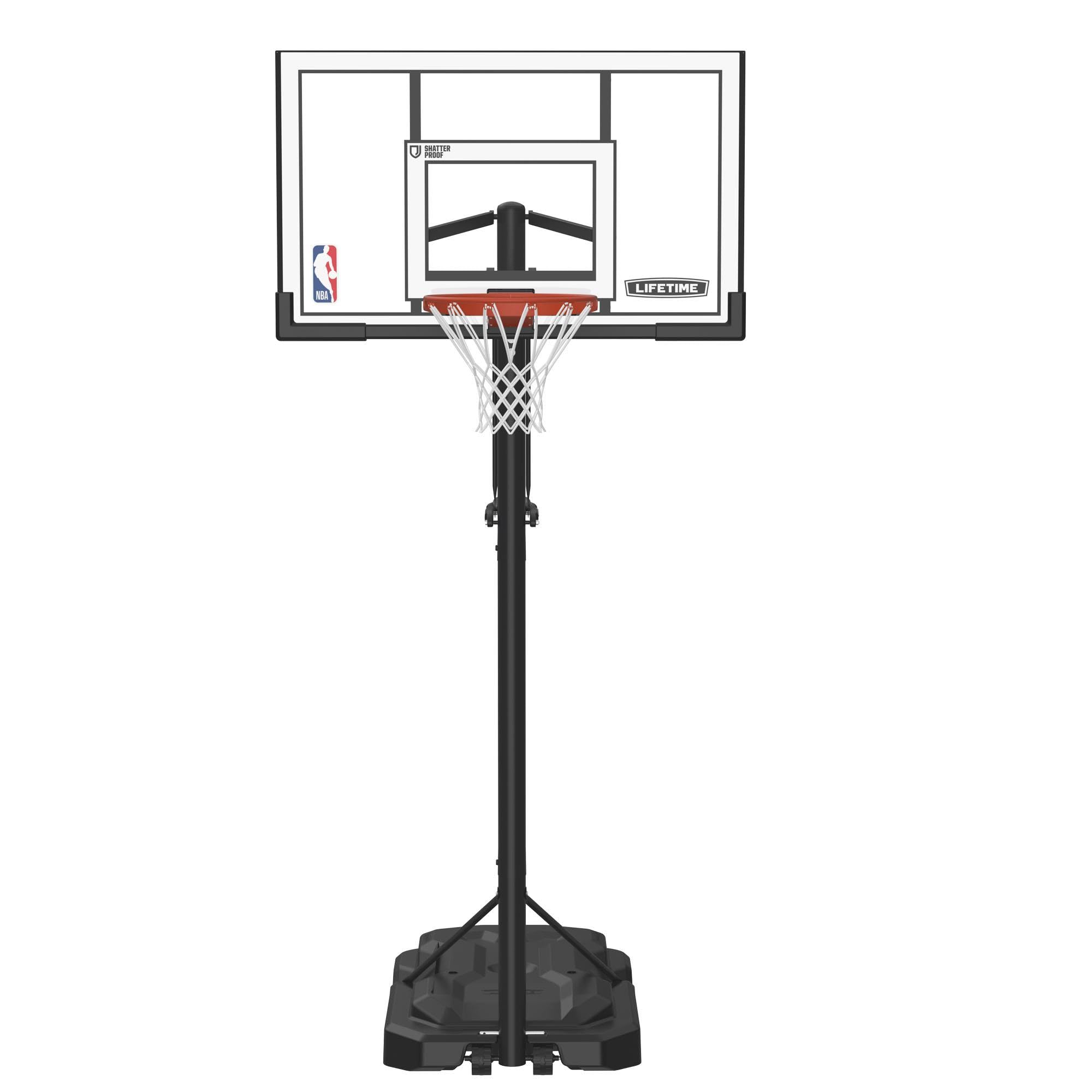

How to Evaluate Basketball Sets
Skill Level and Intended Use
Start with who plays and how hard. A set for young kids needs easy height changes and a forgiving rim that gives on contact, because small players hang on it. Driveway games between teens and adults demand a stiffer pole and a breakaway rim built for repeated impact. Competitive players who practice real game shots need a backboard that returns the ball like a gym board does. Fail mark: a set with no clear age or weight guidance. Pass mark: the maker states the intended players and the rim type plainly.
Safety and Certifications
Safety starts with stability. The base or ground sleeve must hold the system upright in wind and during play, and the manual should state the fill weight for water or sand. Sand fills heavier and shifts less, so it is the safer fill for tall systems. Look for padding options for the pole, rounded edges on the backboard frame, and a rim that releases under load rather than bending. Sets sold for home use in the United States should meet the applicable consumer safety standards for basketball equipment, and the maker should say so. Avoid any set that hides its stability specs.
Performance Characteristics
Performance shows up in three places. Backboard response: a good board gives a firm, dead bounce with little vibration, while a thin board rattles and kills bank shots. Pole stiffness: a one piece or thick square pole sways far less than a thin round pole in sections. Height adjustment: a smooth crank or lift system that locks firmly beats a wobbly telescoping pole. Grip matters at the crank handle, and stability matters at the base, so test both ideas when you read specs. Fail mark: long shake after every shot. Pass mark: the system settles at once.
Materials and Construction
Backboards come in three main materials. Polycarbonate is tough and cheap but flexes and yellows with age. Acrylic looks clearer and plays firmer, though it can crack under hard impact in cold weather. Tempered glass plays closest to a gym board and stays clear, at the highest price and weight. Poles should be powder coated steel to resist rust, and rims should be solid steel. Check the hardware list: stainless or coated bolts survive outdoor seasons far better than bare metal. A set that lists material thickness earns more trust than one that lists only box dimensions.
Value and Included Accessories
Value means total cost, not sticker price. Some sets include the ball, a pump, and pole padding; others charge for each. Add the cost of base fill, since a large base can take several bags of sand. Warranty length tells you what the maker expects: a short warranty on the backboard hints at thin materials. Also weigh the replacement parts list. A set with available spare rims, nets, and cranks stays useful for years, while a set with no parts support becomes scrap after one broken piece.
Indoor vs Outdoor Use
Nearly all home sets live outdoors, so weather drives design. Outdoor sets need rust protection, a net that tolerates rain, and a base that will not crack if water inside it freezes; sand fill avoids the freeze problem entirely. Indoor sets, usually wall mounted or door mounted for small spaces, trade size for convenience and need padding where players land. Court surface matters too: a portable base rolls well on smooth concrete but can creep on rough or sloped driveways. Match the set to the surface you actually have, not the one you plan to pour someday.
Price Tiers That Pass the Checklist
The Premium Tier
Premium sets, often around $700 to $1,500 for in ground systems, deliver a tempered glass board, a thick one piece pole, and a crank lift that one person can run smoothly. This tier suits serious players who practice daily and families who want one purchase to last a decade. The playing feel is close to a school gym: firm bank shots, a quiet board, and a rim that handles dunks from growing teens. The honest limit is installation effort, since in ground systems need a dug hole and cured concrete before the first game.
The Value Tier
Value tier portable sets, often around $200 to $450, pair an acrylic or sturdy polycarbonate board with a fillable base and a simple lift or crank. This is the sweet spot for most families: kids get a real hoop at the right height, and the whole system can move when you reseal the driveway or move house. Play feel is good rather than gym true, with a little board vibration on hard shots. The limit to accept is base care: keep it filled, check for leaks each season, and store the net indoors in harsh winters.
The Heavy Use Tier
Heavy use sets are built for schools, camps, and driveways that host daily games. Expect around $500 to $1,200 for reinforced poles, larger bases or ground anchors, and rims rated for constant impact. The boards are usually acrylic or glass with steel framing that shrugs off stray balls and weather. This tier passes our checklist on safety and parts support, since institutions need spares. The limit is size and weight: these systems are hard to move once set up, so choose the spot with care and measure shade, slope, and car clearance first.
Quick Buyer Checklist
- Can one adult adjust the height smoothly, and does it lock without slipping?
- Is the backboard at least 44 inches wide for real bank shot practice?
- Does the base hold enough sand or water to stay put in wind?
- Is the rim a breakaway design that gives under load?
- Are the pole and hardware coated against rust?
- Does the warranty cover the backboard for several years?
- Can you buy spare rims, nets, and crank parts later?
- Does the system fit your driveway slope and playing space?
Red Flags to Watch For
Walk away from sets with vague specs, such as a backboard listed without its material or thickness. Treat very short warranties as a warning, since makers shorten coverage on parts they expect to fail. Be wary of listings full of glowing comments posted in a single week, a pattern that suggests padded feedback rather than seasons of use. A base with no stated fill weight is another flag, because stability is the first safety question. Finally, skip sets with no parts list or support contact; a hoop you cannot repair is a short lived hoop.
Setup and Care Tips
Assemble the set on a flat surface with a second adult, and tighten every bolt again after the first week of play. Store the system out of direct sun and extreme heat where you can, since constant sun fades boards and weakens plastic bases over years. Check wear before each use with a quick look at the rim, net hooks, and base for cracks. Clean and dry the board and pole after outdoor use in wet weather, and lower the height in storms so wind has less to push against. Players should wear proper court shoes on the driveway, and our guide to the best basketball shoes explains what to look for. Collectible trading cards are a separate topic, covered in our guide to the best basketball card sets.
FAQs
How long does a basketball set last?
A mid range outdoor set typically lasts five to ten years, while premium in ground systems often pass a decade. The net usually goes first, within a season or two, and it is cheap to replace. Rust at the pole base and a cracked fill base are the usual end points, and both slow down a lot if you keep the system clean, dry, and fully filled.
What size basketball set should I get?
For family driveways, a backboard of 44 to 54 inches wide hits the balance of play quality and space. Regulation height is 10 feet, so choose a set that adjusts from about 7.5 feet for young kids up to the full 10 feet. Bigger boards play truer but need a wider, flatter area and a heavier base, so measure your space before sizing up.
Does indoor or outdoor use matter for a basketball set?
Yes, it changes the build you need. Outdoor sets must resist rust, sun, and freezing fill, and they rely on weight or ground anchors for stability. Indoor sets mount to walls or doors and use smaller boards, since space is tight and players land closer to the mount. A set built for one setting rarely thrives in the other, so buy for the place it will actually stand.
Is a premium basketball set worth it for a beginner?
For a true beginner, usually not yet. A value tier set with easy height adjustment lets new players learn form at lower rim heights, and it costs far less to replace if interest fades. Premium glass boards reward players who already shoot daily and can feel board response. Start where your games are now, and upgrade when the whole household plays every week.
The Bottom Line
Judge every set on stability, backboard response, and safe, smooth height adjustment, and let price tier follow from how hard your household plays. The comparison table above lines the options up side by side, so run your favorite through the checklist before you commit. Do that, and you will land among the best basketball sets for your driveway without paying for logos instead of steel.


