Best Basketball Card Sets: A 2026 Checklist for Collectors
Disclosure: We may earn a commission when you buy through links on this page, at no extra cost to you. As an Amazon Associate I earn from qualifying purchases. Learn more

Use this checklist to choose the best basketball card sets, covering set size, rookie cards, box formats, print quality, and fair value for collectors.
Basketball cards look simple until you face a wall of boxes with different prices, pack counts, and promises. This guide gives you a checklist to judge the best basketball card sets, so you can tell a well built set from a box that is mostly filler.
You will learn what to check in set composition, card quality, and pricing before you spend anything. Keep these criteria in mind as you scan the product table above, and match each set to the way you actually collect.




How to Evaluate Basketball Card Sets
Card sets fail in predictable ways: bloated checklists, thin card stock, and boxes priced on hype rather than content. The seven criteria below separate sets that stay enjoyable to own from sets that feel like a letdown a week later. A strong set does not need to ace every line, but it should never hide its checklist or its odds.
Skill Level and Intended Use
Start with honesty about your level. New collectors do best with sets that have a clear base checklist, a manageable size, and a price that lets a mistake stay cheap. Experienced collectors often chase low numbered parallels and autographs, which live in pricier hobby formats. Neither approach is wrong, but buying an advanced product as a first set usually leads to confusion about what you pulled and what it is worth. Choose the set that matches the collector you are today, not the one you hope to become by next season.
Set Size and Checklist Quality
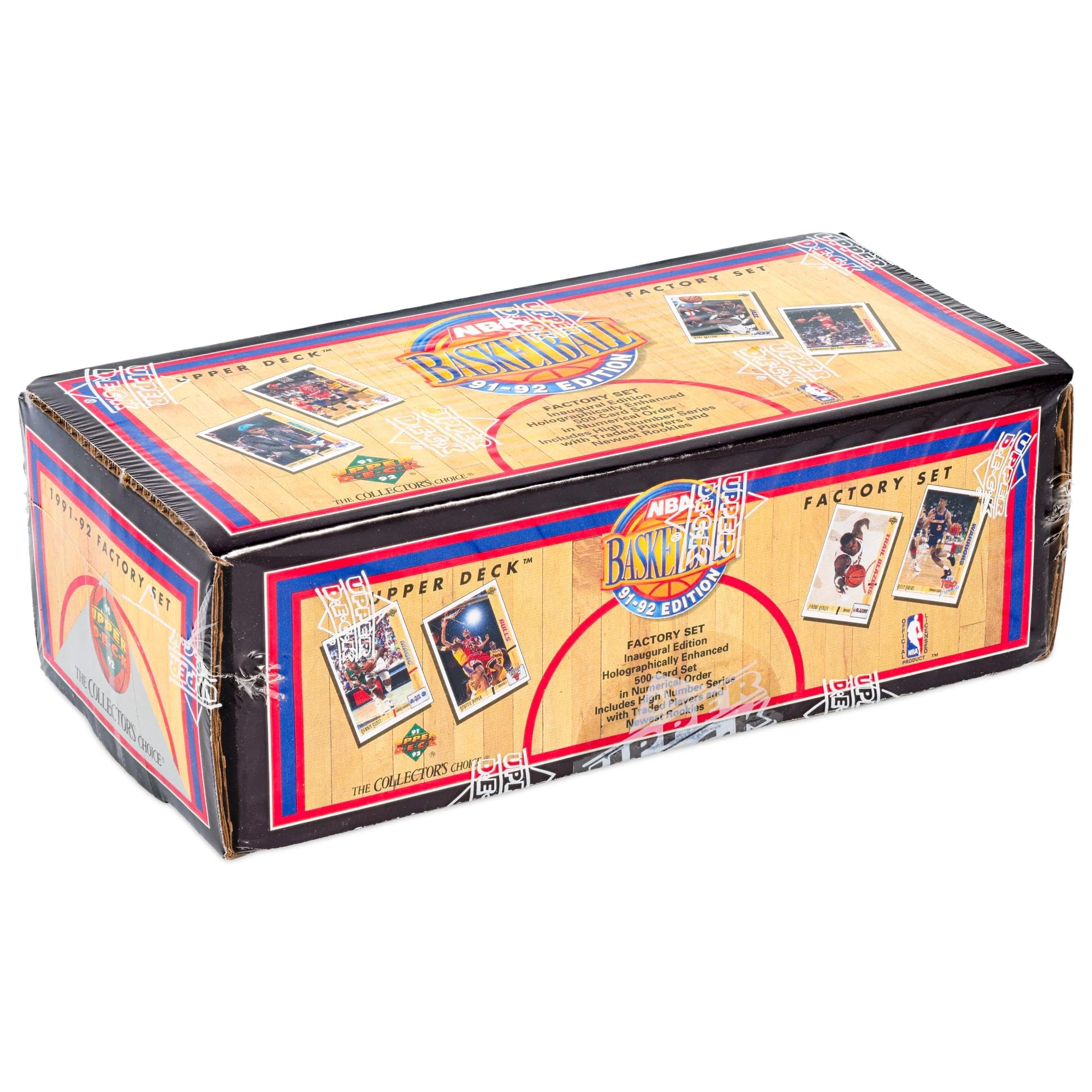
A good checklist balances star power, rookies, and role players without drowning you in near duplicate cards. Base sets commonly run from about 200 to 400 cards, and a published checklist should name every card, parallel, and insert before release. Check how many rookie cards the set carries and whether the rookies are true base rookies or only short printed chase cards. If the maker will not publish pack odds or a full checklist, assume the box is built around a few rare hits and a great deal of common filler.
Card Stock and Print Quality
Hold a card up to the light in the store when you can. Quality sets use sturdy stock that resists warping, with clean edges, sharp registration, and centering that stays consistent across the box. Chrome and premium stock feel thicker and show fingerprints more, while standard paper stock feels lighter but stores easily. Watch for print lines, surface dimples, and miscut borders in sample images from other buyers. Consistent quality control matters more than fancy foil, because a damaged star card loses the very appeal you paid for.
Parallels, Inserts, and Chase Cards
Parallels are alternate versions of base cards, often in different colors or limited print runs, and inserts are themed side sets. They add fun, but they should reward you, not replace the base set. A fair box states its odds plainly, such as one parallel in every few packs, and numbers its limited cards on the card itself. Be skeptical of sets where almost all value sits in one ultra rare card type. A healthier set spreads interest across several insert lines so a typical box still feels worthwhile.
Box Formats and Pack Value
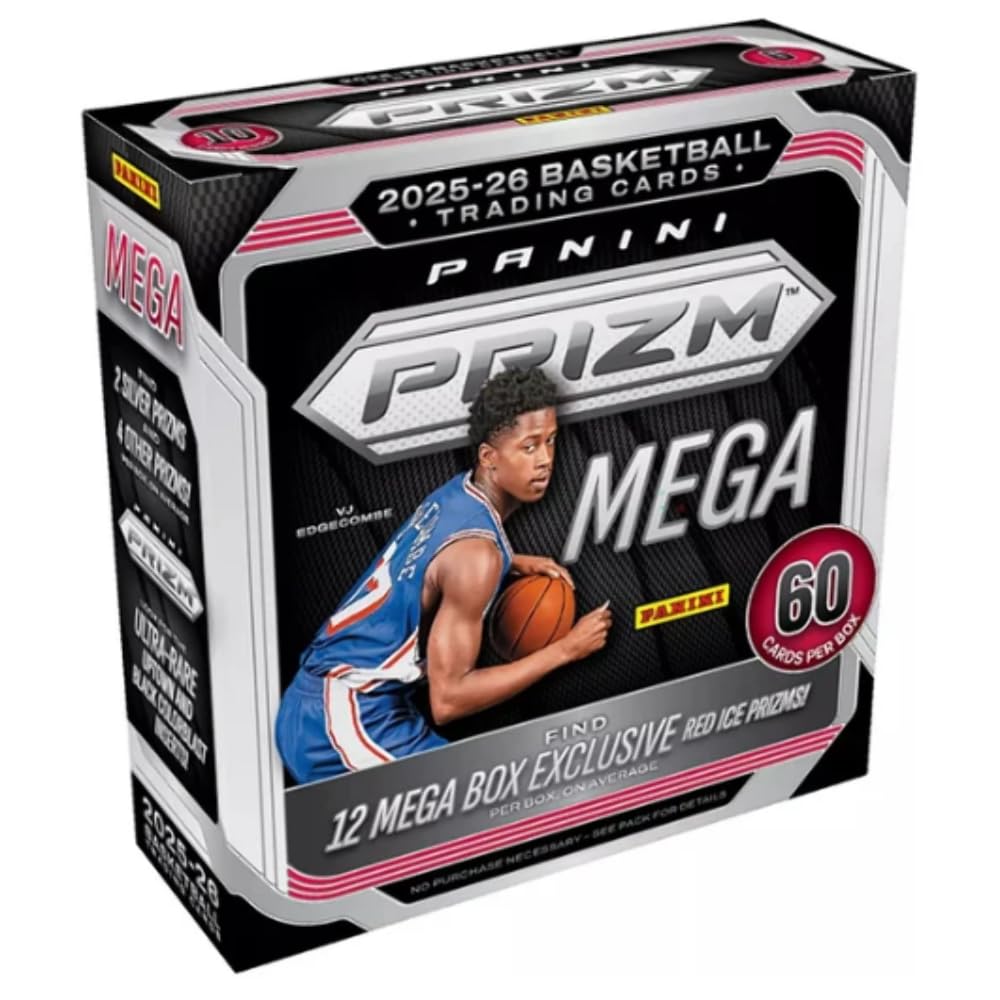
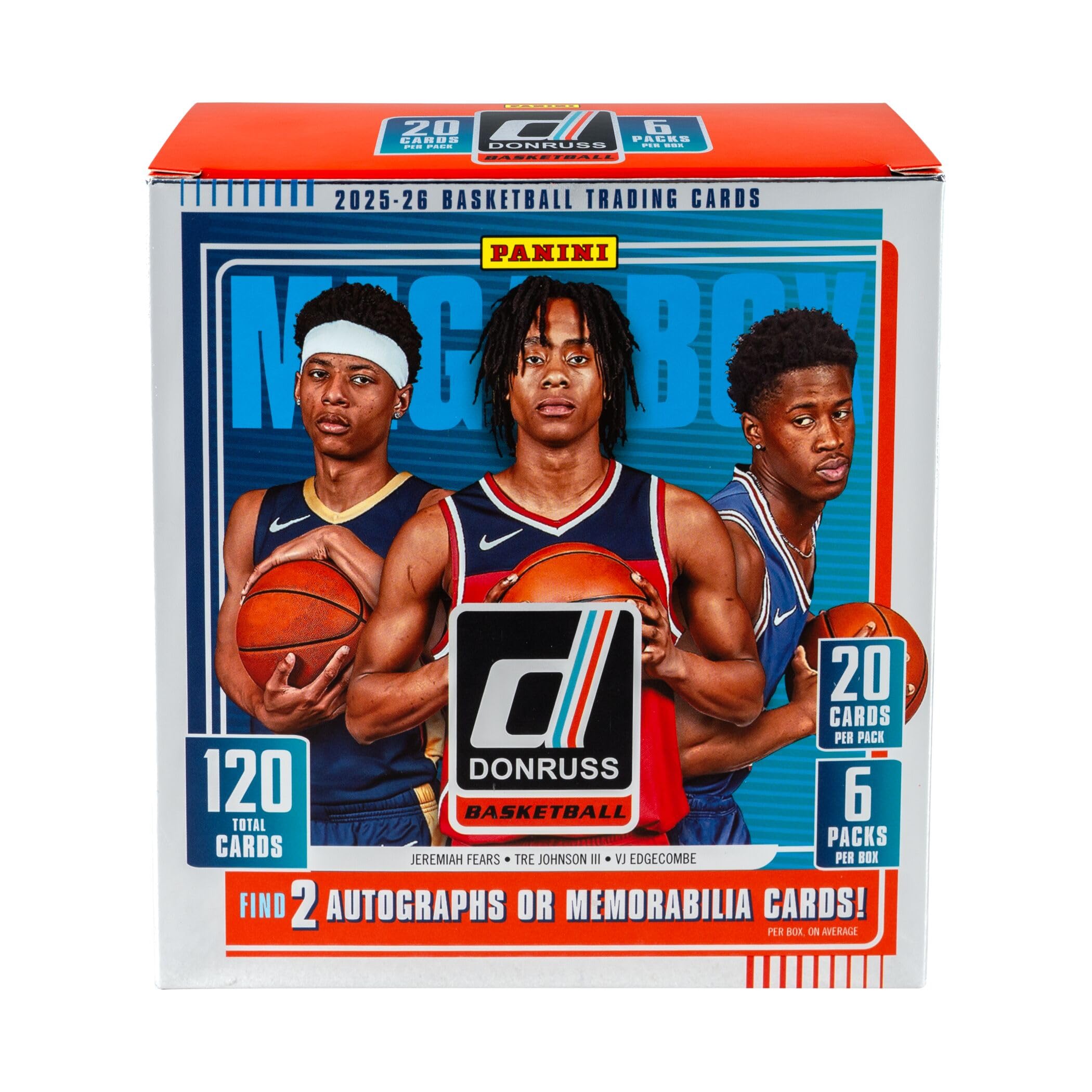
The same set often appears in blaster boxes, mega boxes, and hobby boxes, and the differences matter. Retail blasters cost less, often around $25 to $50, and suit casual opening. Hobby boxes cost more, often around $150 and up, but usually guarantee autographs or memorabilia cards and carry exclusive parallels. Before buying, divide the price by the number of cards and then by the number of guaranteed hits. That simple math exposes boxes that charge hobby prices for retail content, which is the most common trap in the hobby.
Licensing and Player Coverage
Licensed sets can show team names and logos, which most collectors prefer for display and long term recognition. Unlicensed sets may still offer autographs from popular players, but the airbrushed uniforms put many buyers off. Check that the set covers the current season rosters rather than leaning entirely on retired names, unless nostalgia is exactly what you want. Also confirm which rookies appear, because a set released early in the season sometimes misses late rising first year players who drive interest later.
Storage, Protection, and Resale Basics
A set is only as good as your plan for keeping it. Budget for sleeves and top loaders for anything you value, and store cards upright in a cool, dry place away from sunlight. Sets with standard card dimensions fit common binders and boxes, which keeps organizing cheap and easy. For readers comparing formats across sports and games, our overview of the best card sets explains how checklist size and box types differ by category, and collectors who also play can browse the best magic card sets for a game focused take on set design.
Price Tier Profiles That Pass the Checklist
Rather than chasing named boxes, judge any set against the tier it sits in. The three profiles below show what your money should reasonably buy at each level, so a set in the product table above has to justify its shelf price with content, not buzz.
The Well Rounded Profile
A well rounded set at a fair price offers a published checklist, a solid rookie class, at least one enjoyable insert line, and stock that survives handling. Most collectors are happiest here, often spending around $40 to $100 on a retail or value hobby format. You give up guaranteed autographs, but you gain far more cards per dollar and a base set you can actually complete. For a gift, this tier is the safest choice because the fun starts the moment the first pack opens.
The Value Profile
Value sets, often blasters and fat packs around $20 to $50, win on cards per dollar and lose on guaranteed hits. That trade suits set builders, younger fans, and anyone who enjoys sorting and trading duplicates with friends. The checklist should still be published and the stock should still feel sturdy. If a cheap box hides its odds or leans on a single rare parallel to justify itself, it is not value, it is a lottery ticket wearing a team logo.
The Premium Profile
Premium hobby sets, often around $200 and well beyond, sell scarcity: numbered parallels, on card autographs, and memorabilia pieces. They can be thrilling, but the math only works if you genuinely value the chase and can shrug off a weak box. Check the guaranteed hits per box in writing before you buy, and confirm the autographs are signed on the card rather than on stickers when that matters to you. Buy premium for the experience, never as an investment plan.
Quick Buyer Checklist
Answer these before you buy any set, at any price.
- Is the full checklist published, including parallels and inserts?
- Are the pack odds printed on the box or the maker site?
- Does the set include the current rookie class you care about?
- Is the format clear: blaster, mega box, or hobby box?
- What hits, if any, are guaranteed in writing?
- Does the price per card make sense for this tier?
- Do you have sleeves and storage ready for the cards you keep?
- Is the set licensed, if logos and team names matter to you?
Red Flags to Watch For
Walk away from boxes with no published odds, sellers who rewrap loose packs, and listings that promise a specific star card inside a sealed product. Repacked mystery boxes deserve special suspicion, because the seller keeps the best cards and you fund the leftovers. Sudden price spikes driven by social media clips usually fade within weeks, so patience protects your wallet. Also check the seller return policy: sealed products are often final sale, which means your research has to happen before the purchase, not after the disappointing open.
Choosing Basketball Card Sets for Your Situation
Best Current Basketball Card Sets: What to Check
When you shop the best current basketball card sets, three things separate this season releases from older stock. First, rookie relevance: a current set should feature this year draft class in base form, not only as rare inserts. Second, release timing: sets issued after the trade deadline reflect real rosters. Third, market honesty: current sets should be priced near their shelf price, not at a speculative markup. Families who also want a driveway hoop can see our guide to the best basketball sets for that very different kind of set.
How to Make Your Basketball Card Set Last Longer
Sleeve any card you care about the moment it leaves the pack, because surface wear starts with the first sort. Store boxes and binders out of direct sun and away from attic heat, which warps stock and fades ink. Keep food and drinks off the sorting table, and wash your hands before handling chrome cards that show every fingerprint. Check your storage once or twice a year for moisture or pests, and replace overstuffed boxes so corners stay crisp.
Basketball Card Sets: Your Questions Answered
What size basketball card set should I get?
Choose based on your goal. A base set of about 200 to 300 cards suits most collectors because it is completable in a season of casual buying. Giant sets reward patient set builders with deep rosters, while small premium sets suit buyers who want a few high impact cards. If you are buying for a child, a smaller set with a binder included turns opening packs into an organizing project they can finish.
How long does a basketball card set last?
Properly stored cards last for decades, since paper and chrome stock degrade mainly through light, moisture, and handling. Sleeve and box your keepers, keep them in a stable indoor climate, and they will outlast the players pictured. Cards left loose in drawers or car trunks fade and warp within a few seasons. The set you buy this year can genuinely be the set you hand to a younger fan later, if storage gets even basic attention.
Is a premium basketball card set worth it for a beginner?
Usually not as a first purchase. Premium boxes concentrate cost into a handful of cards, so a beginner can spend heavily and still feel unsure what they own. Start with a value or mid tier set, learn how checklists, parallels, and odds work, and trade duplicates. Once you know which players and insert styles you enjoy, a premium box becomes a deliberate treat instead of an expensive lesson.
Do hobby and retail basketball card boxes really differ?
Yes, and the difference is content, not just price. Hobby boxes usually guarantee autographs or memorabilia and carry exclusive parallels, while retail boxes offer more cards per dollar with no guarantees. Neither is better in the abstract. Match the format to your goal: chase hits in hobby, build sets in retail. Always compare the printed guarantees, because a few products blur the lines with store exclusive versions.
The Bottom Line
Published checklists, honest odds, and a format that matches your goal define the best basketball card sets far better than hype does. Start with the tier that fits your budget, protect what you pull, and let patience beat impulse pricing. Compare the sets in the product table above against this checklist and buy the one you will still enjoy sorting a month from now.