
Best Basic Treadmills for Running 2026: Every Type Explained Side by Side
Disclosure: We may earn a commission when you buy through links on this page, at no extra cost to you. As an Amazon Associate I earn from qualifying purchases. Learn more

Compare basic treadmills for running by type, belt size, motor power and space needs. Use this guide to choose a simple model that fits your home and goals.
Choosing among the best basic treadmills for running can feel confusing because simple models still differ in motor strength, belt size and how much room they take up. This guide compares each type side by side so you can see what you gain and what you give up before you spend anything. The product table above is a helpful quick starting point.
A basic model skips fancy extras and focuses on the parts that make running feel smooth and safe. That means a steady motor, a belt long enough for your stride and a frame that stays stable at speed. The sections that follow explain each type, the specs that matter and the mistakes that lead to a cramped or noisy setup.

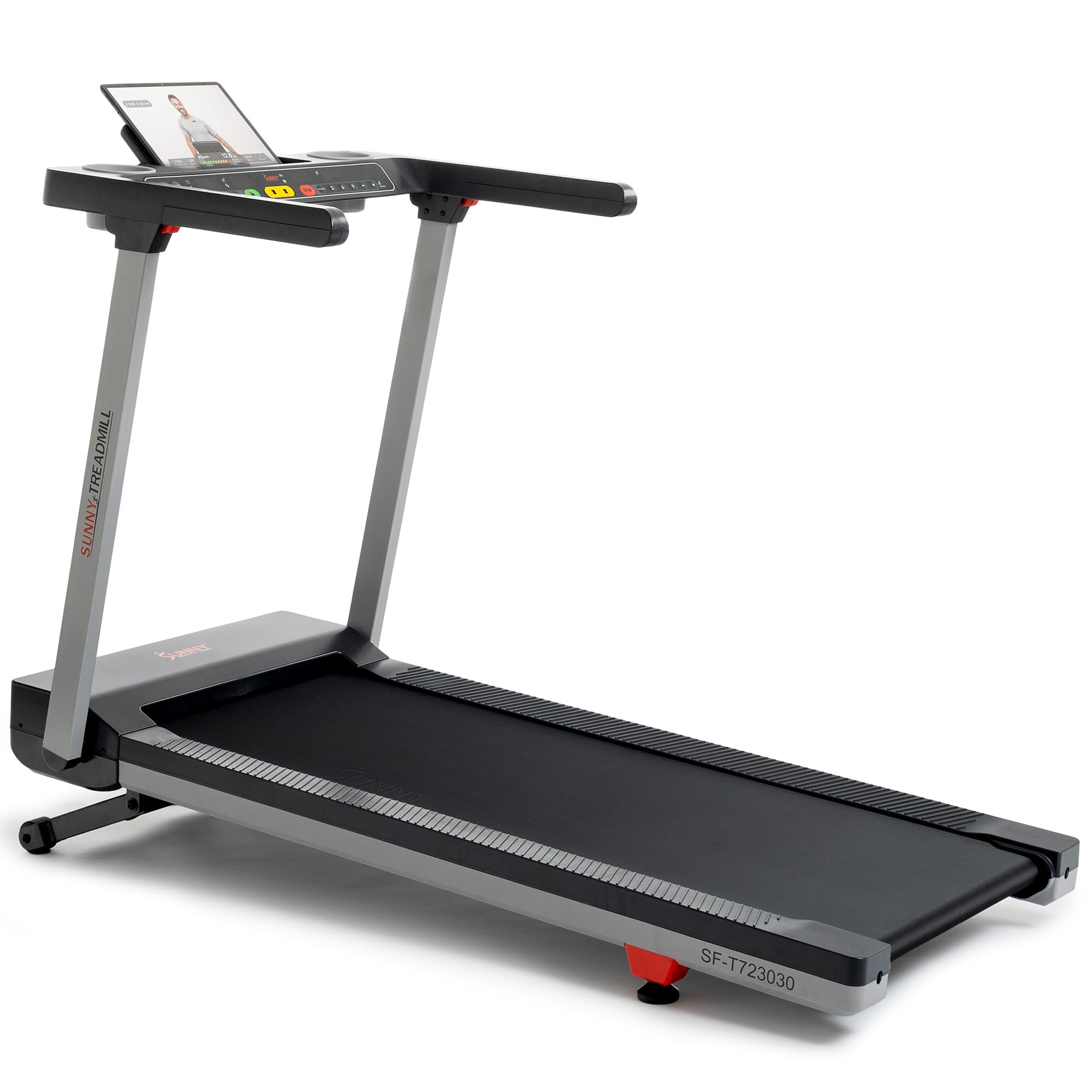
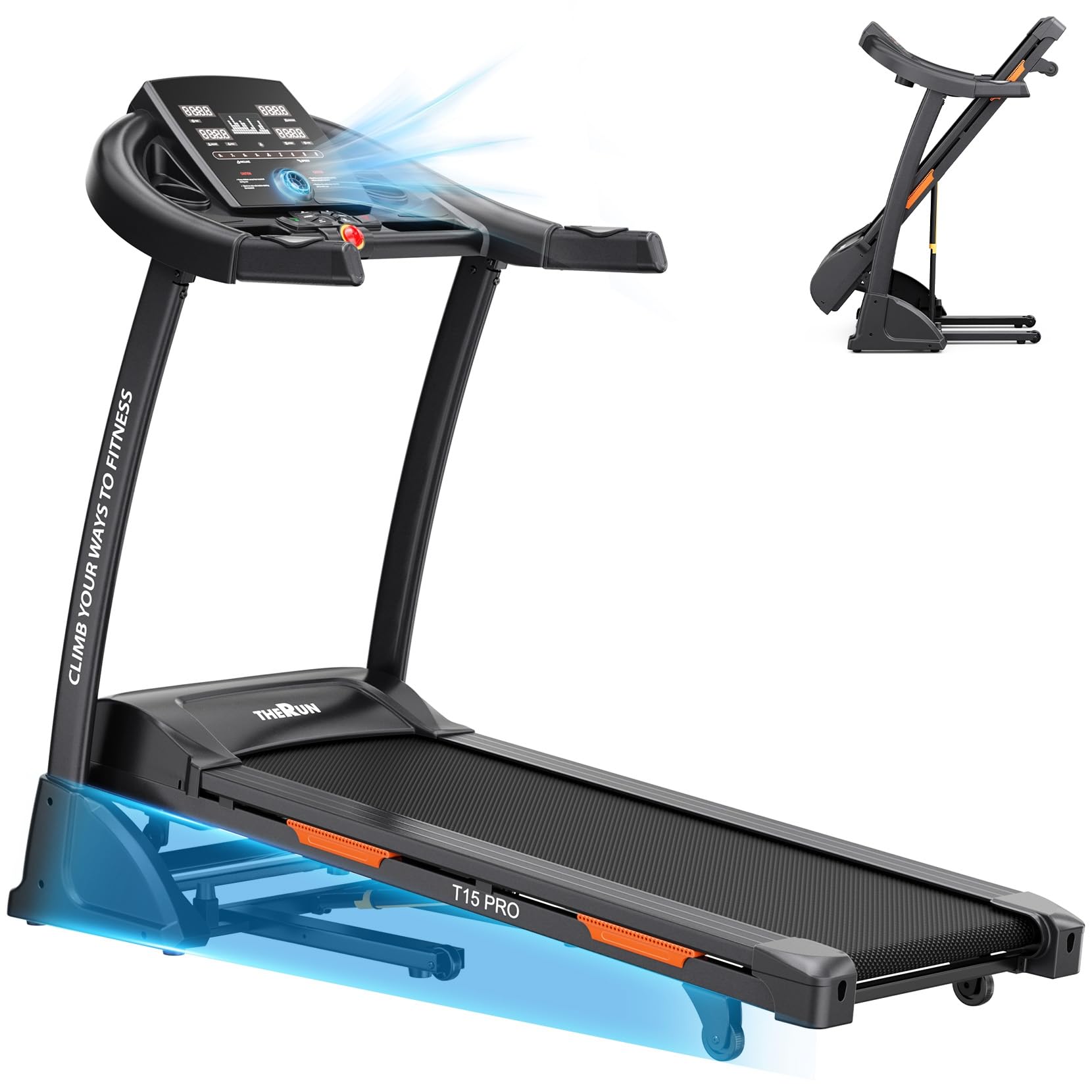

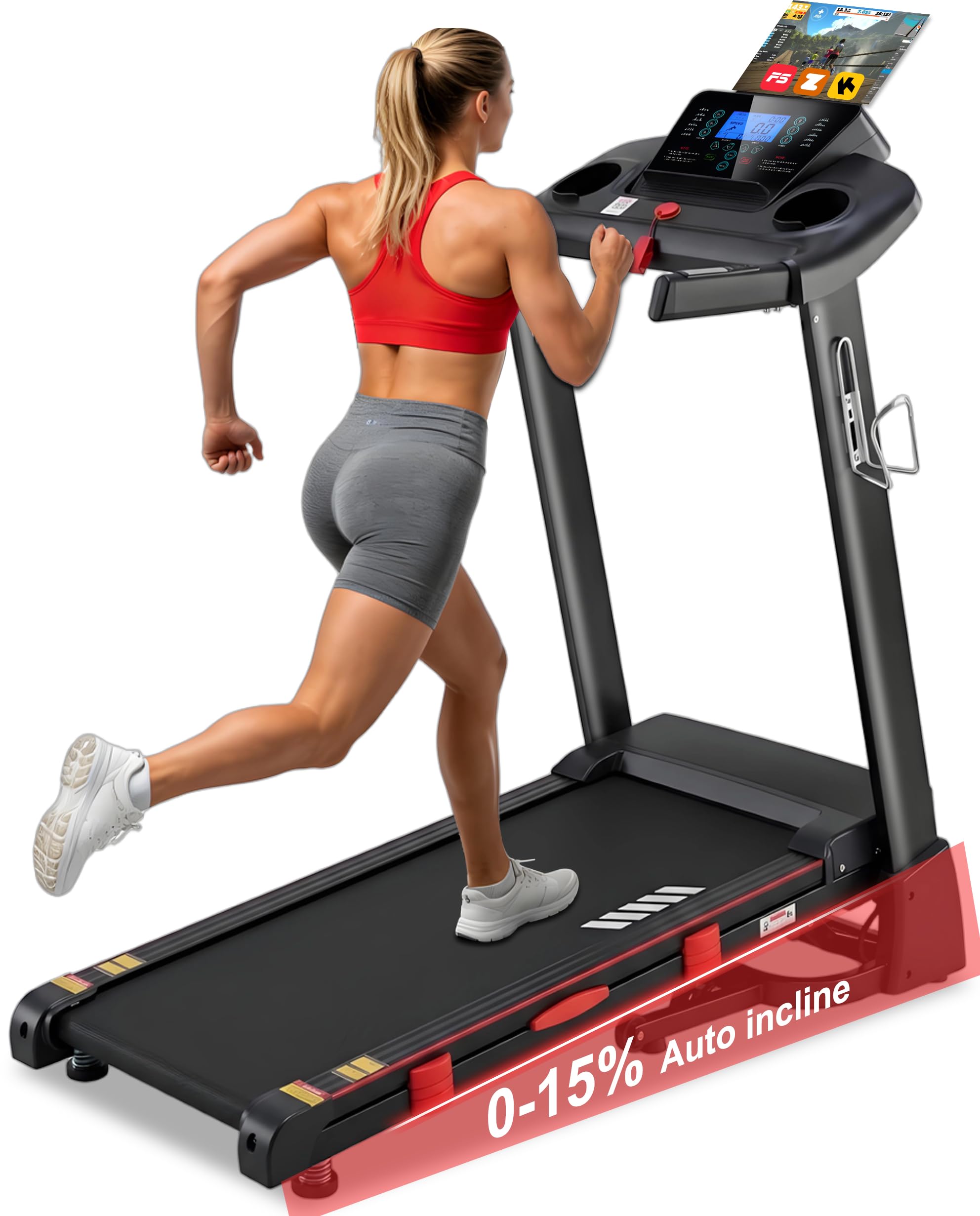
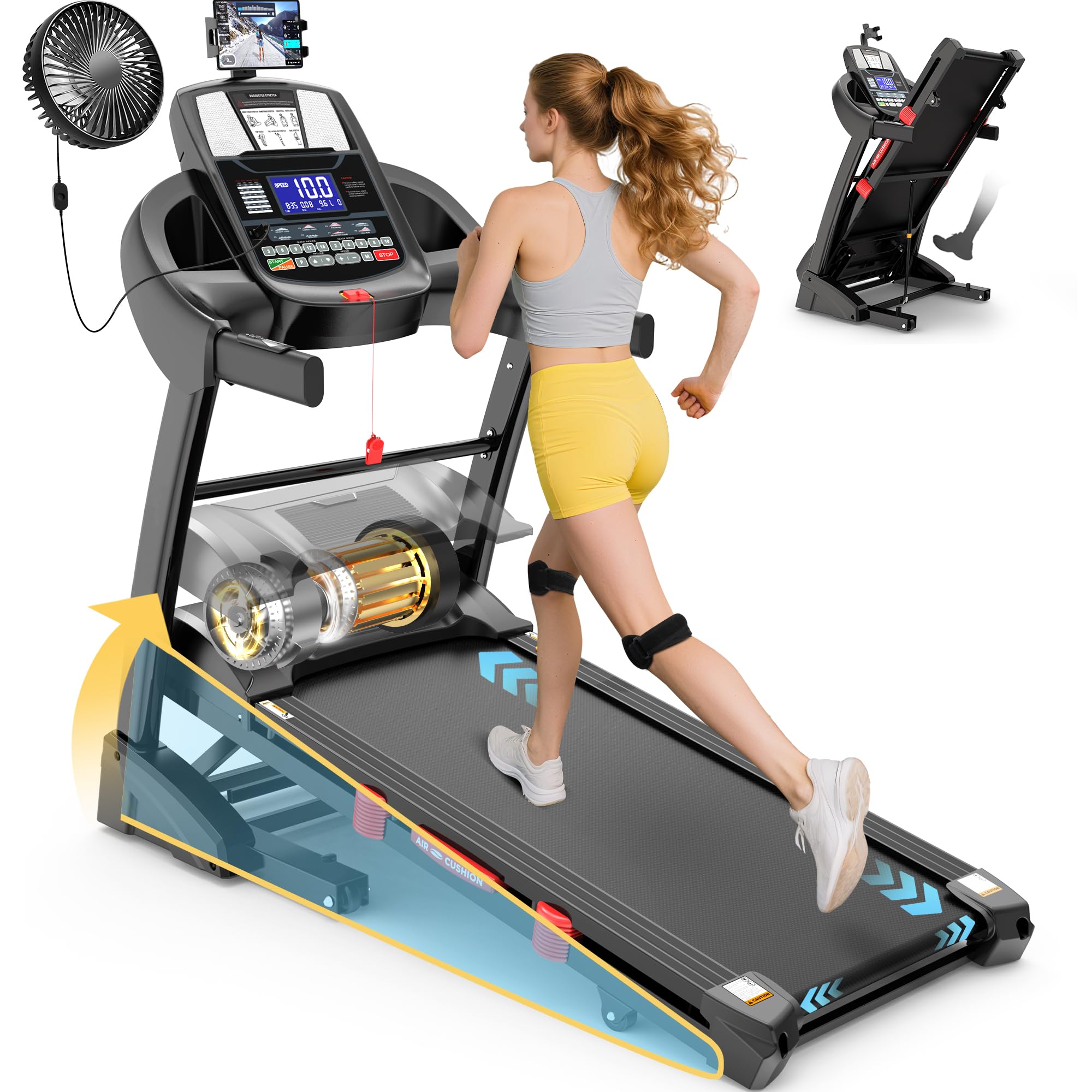
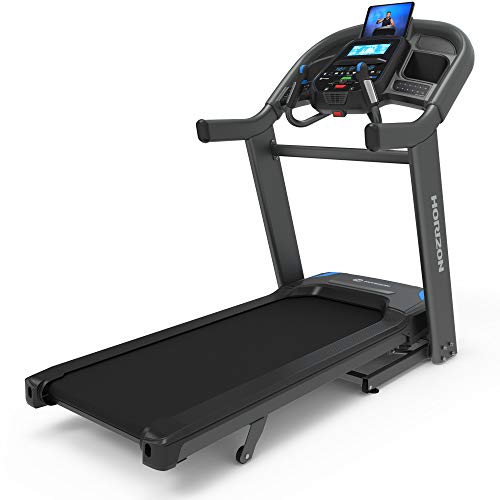
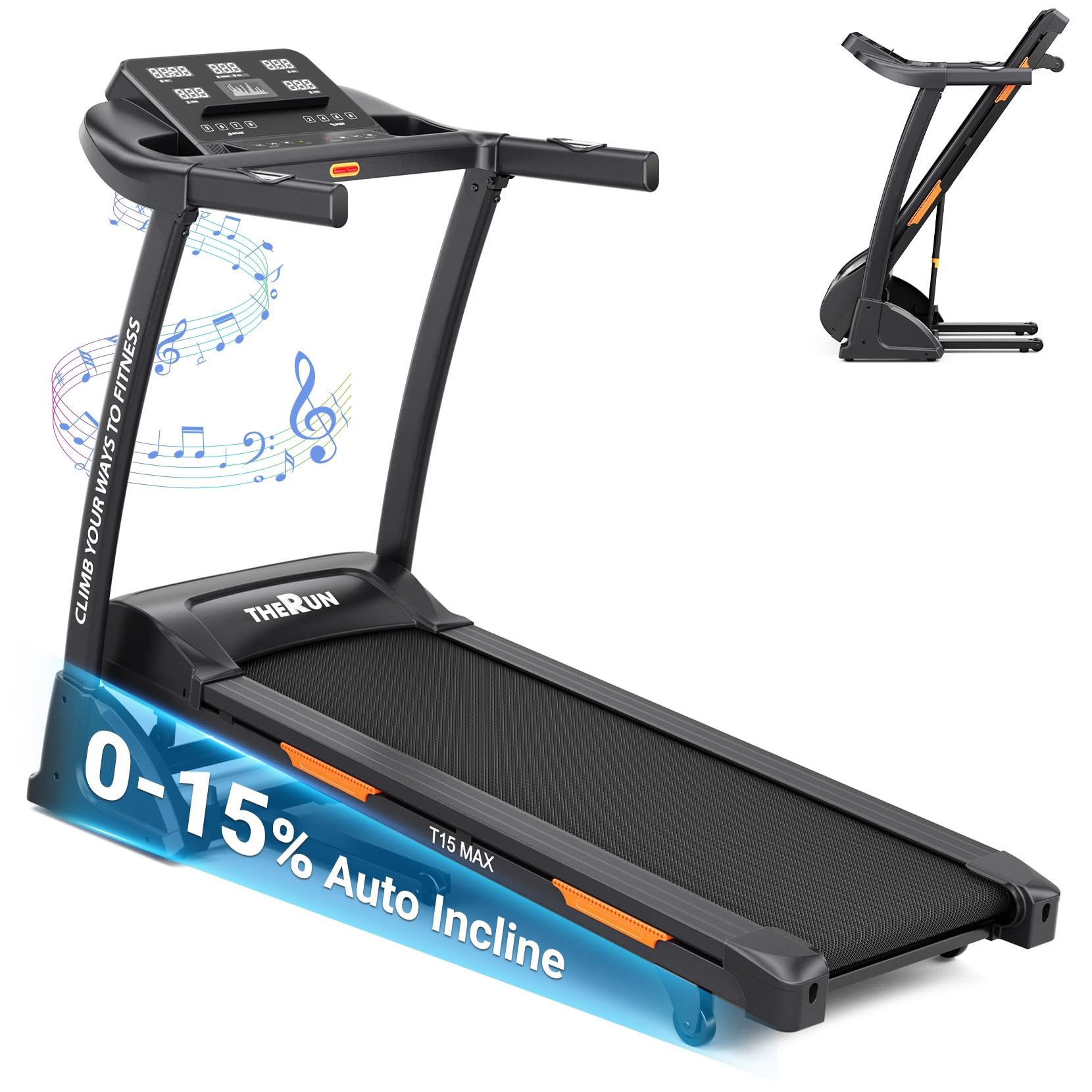
Types of Basic Treadmills Compared
Basic treadmills fall into four broad types, and each one suits a different home and routine. Prices below are typical ranges only, since features and frame size shift the cost a lot.
Compact and Foldable Models for Small Homes
Foldable models lift the deck up toward the console so the machine takes up far less floor space when you are done. Most use a smaller motor and a shorter belt, which keeps weight down and makes the unit easier to move on its wheels. They suit apartment runners who train a few times a week at moderate speeds. The trade off is stability, since a lighter frame can wobble during fast intervals. Typical prices run about $400 to $900.
Commercial Grade Models for Heavy Daily Use
Commercial grade models use thicker steel, a stronger motor and a wider belt built for hours of use each day. The deck feels firm underfoot and the frame stays planted even during long tempo runs. These machines weigh a lot, rarely fold and need a dedicated spot in a garage or gym room. They cost more up front, about $1,200 to $2,500, but the parts are built to handle high mileage from several runners.
Budget Starter Models for New Runners
Budget starter models cover the essentials at the lowest cost, usually about $300 to $600. You get a simple console, a modest motor and manual or low range incline on many units. The belt is often narrower and shorter, which works for shorter strides and slower paces but can feel tight as you get faster. These models make sense for trying out whether home running fits your life before you invest more.
Smart Connected Models With App Features
Smart connected models add Bluetooth, app pairing and guided workouts on top of a standard running deck. The screen and programs can make steady runs feel less monotonous, and your pace and distance data save automatically after each session. Running hardware varies widely in this group, so check the motor and belt size rather than judging by the display. Some content needs a paid plan after a trial period. Typical prices run about $700 to $1,500 depending on screen size.
Compact and Foldable Models vs Commercial Grade Models: Which Should You Choose?
Space is the clearest dividing line. A foldable model can shrink to roughly half its footprint, while a commercial grade unit keeps its full length of about 70 to 80 inches at all times. For running feel, the commercial deck wins because its longer belt and heavier frame absorb impact without shaking. On price, foldable models cost far less. Pick the foldable type if storage matters most, and pick the commercial type if daily mileage matters most. If you also need footwear advice, see our guide to the best running shoes for cushioning basics.
How to Choose the Right Basic Treadmill for Running
When you compare the best basic treadmills for running, start with the running hardware and only then look at extras. The four factors below decide whether a simple machine feels roomy and reliable or cramped and strained.
Build Quality and Weight Capacity
A steel frame is the base of a stable treadmill, and thicker tubing with clean welds flexes less when your foot lands. Check the stated weight capacity and choose a model rated at least 50 pounds above your body weight, since running impact loads the frame far more than walking does. A capacity around 275 to 325 pounds suits most adult runners. If the deck bounces or the sides creak during a run at your normal pace, the frame is too light for regular running no matter how good the console looks.
Motor Power, Speed and Incline
Motor strength is listed in continuous horsepower, and running needs more of it than walking because the belt must hold speed under repeated foot strikes. Look for about 2.5 to 3.5 continuous horsepower so the motor is not straining on longer runs. Top speed should reach at least 10 miles per hour, and 12 miles per hour gives room for intervals. Incline up to about 10 to 15 percent lets you build strength on hills and vary easy days without adding speed.
Belt Size, Stride Length and Cushioning
The belt is your running surface, so its size shapes comfort more than any screen feature. A belt about 20 inches wide and 55 to 60 inches long gives most runners room to drift slightly without catching the side rails. Taller runners with a longer stride length should favor the 60 inch deck. Cushioning under the deck softens impact compared with pavement, and a surface that feels firm but forgiving helps your legs recover between hard days. Shoes matter here too, and our guide to the best treadmill running shoes explains what to wear indoors.
Space, Footprint and Ceiling Height
Measure your room before you order, and leave about 6 feet of clear space behind the deck and about 2 feet on each side for safe mounting and dismounting. Add your height plus about 15 inches to find the minimum ceiling height, since the deck raises you several inches and incline raises you further. Foldable models reduce stored length but keep the same footprint while you run. If your space is tight, compare the folded and unfolded measurements in the product table above before you decide.
Common Mistakes to Avoid
- Buying a walking belt under 55 inches long for running, which forces you to shorten your stride and stare at your feet.
- Choosing a motor under 2.5 continuous horsepower for daily running, which makes the belt hesitate under each foot strike.
- Placing the deck with no clear space behind it, which leaves no safe landing area if you stumble at speed.
- Ignoring ceiling height in a basement, which can put your head close to the ceiling once incline is raised.
- Judging a smart model by its screen alone, which can hide a narrow belt and a light frame underneath.
- Skipping the weight capacity check, which leads to frame flex and faster wear when the load is too high.
Setup and Care Tips for Basic Treadmills
Place the treadmill on a flat surface and use a mat to protect floors and reduce noise in the room below. Center the belt during the first week, since new belts often drift slightly as they settle. Wipe down the deck edges and console after each workout to keep sweat away from the electronics. Tighten bolts monthly and check the belt tension at the same time. Lubricate under the belt only as often as the manual for your model directs, and unplug the machine before you reach underneath. If floor space is your main limit, our guide to the best basic treadmills covers smaller options in more detail.
Frequently Asked Questions
What features matter most in basic treadmills for running?
A motor of at least 2.5 continuous horsepower, a belt near 20 by 60 inches and a sturdy steel frame matter most. Together they decide whether the machine holds speed smoothly and gives your stride enough room. One extra point worth checking is the warranty length on the motor, since basic models vary from a few years to a decade of coverage.
Are basic treadmills for running quiet enough for an apartment?
Yes, most basic treadmills for running are quiet enough for an apartment if you add a thick mat and run at steady paces. Foot strike noise travels through floors more than motor hum does, so cushioned shoes and a ground floor or carpeted room help. Avoid very early or late sessions if your building has thin floors and strict quiet hours.
Which basic treadmill type is better for beginners who want to run?
A budget starter or foldable model is usually better for beginners who want to run at home. Both cost less and feel less imposing while you build a routine. The key condition is belt length, since even new runners need about 55 inches once their pace improves. If you expect fast progress, compare prices with our guide to the best inexpensive treadmills for running before you settle.
Is a subscription required for basic treadmills for running?
No, a subscription is not required for basic treadmills for running, and most simple models work fully without one. Only smart connected models tie some guided classes or scenic routes to a paid plan. The core speed and incline controls should always work offline, so confirm that point on any connected model before you buy it.
How much space do you need for a basic treadmill for running?
You need a clear area of roughly 4 by 8 feet for a basic treadmill for running, including safety room behind the deck. That space lets you step off quickly and gives the belt room to stop you safely if you lose balance. In very small rooms, a foldable model stored upright between sessions is often the only workable layout.
The Bottom Line
For most home runners, the best basic treadmills for running balance three things: a motor strong enough for steady speed, a belt long enough for a natural stride and a frame rated well above your weight. Foldable models win on storage, commercial grade models win on durability and smart models win on motivation. Match the type to your room and mileage, then check the product table above to compare the details that fit your plan. If build quality is your top priority, see our guide to the best quality treadmills for running next.


