
Best Basic Treadmills for 2026: Which One Fits the Way You Use It?
Disclosure: We may earn a commission when you buy through links on this page, at no extra cost to you. As an Amazon Associate I earn from qualifying purchases. Learn more

Simple home walkers and joggers can compare the best basic treadmills by space, motor power, belt size, noise, and warranty.
There is no single model that suits every home, because a treadmill that works for gentle daily walks is not always the right choice for regular jogging. Best basic treadmills strip away fancy screens and subscription workouts, leaving the essentials: a steady belt, a motor that holds speed, a frame that feels stable, and controls that are easy to use. The product table can help you compare belt size, motor power, and folding design side by side before you look at the details.
This guide starts with how you actually plan to use a treadmill, then compares the features that affect comfort, noise, and long term value. You will learn how much space you really need, what motor and belt size suit walking versus jogging, and which mistakes most often lead to a treadmill that gathers dust. Ask your doctor before starting a new exercise routine, especially if you have a heart condition, joint problems, or another health concern, and keep children and pets away from the moving belt.
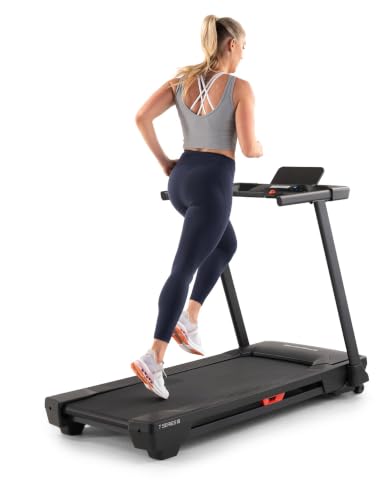

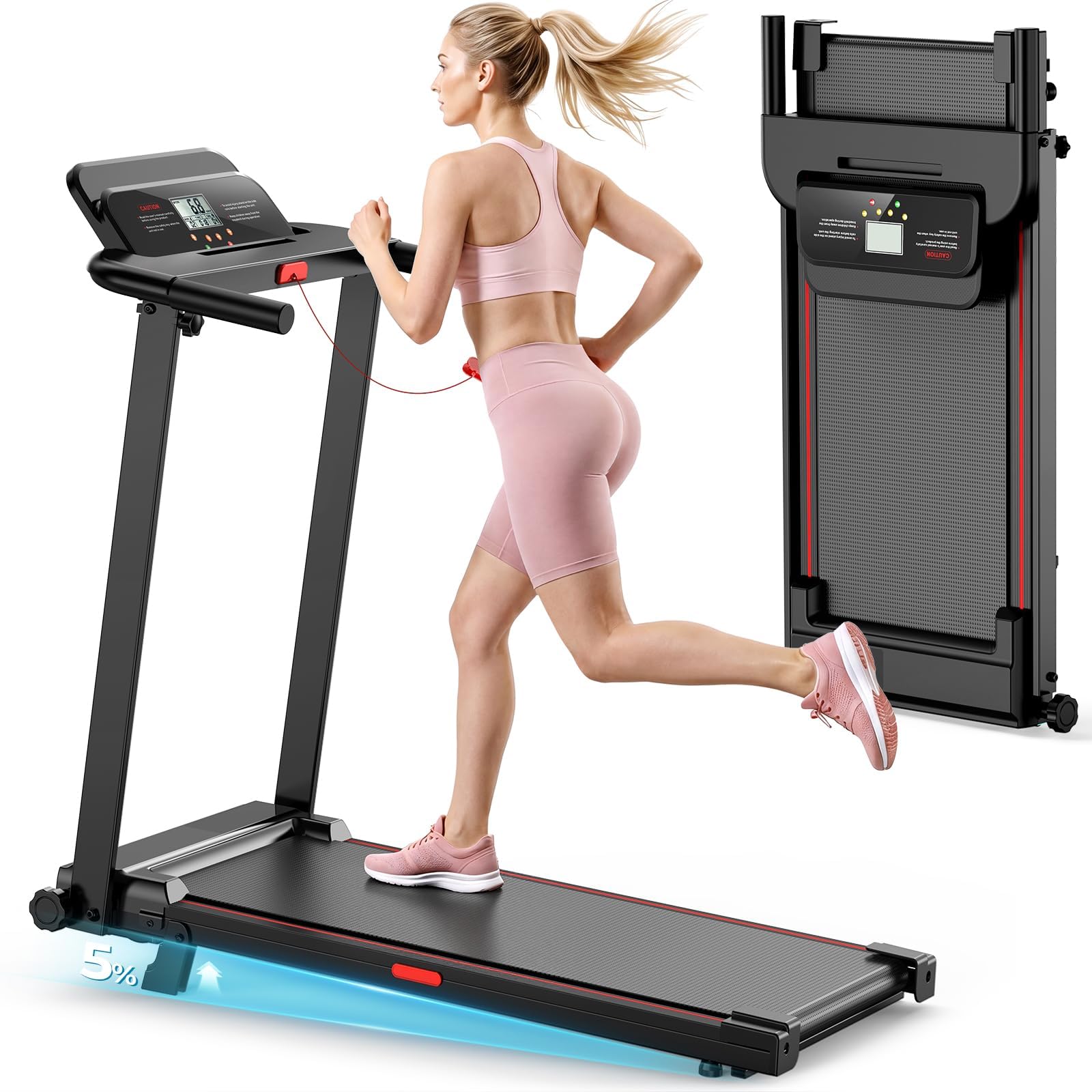
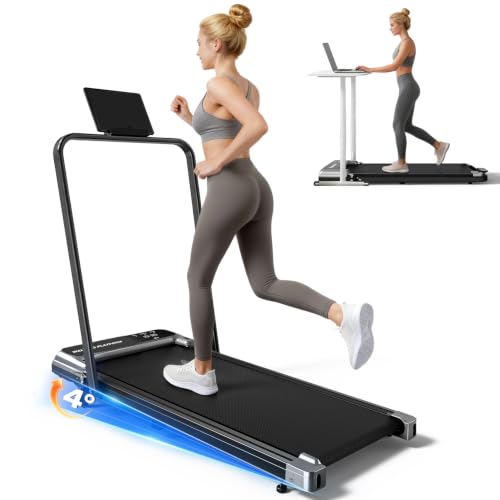

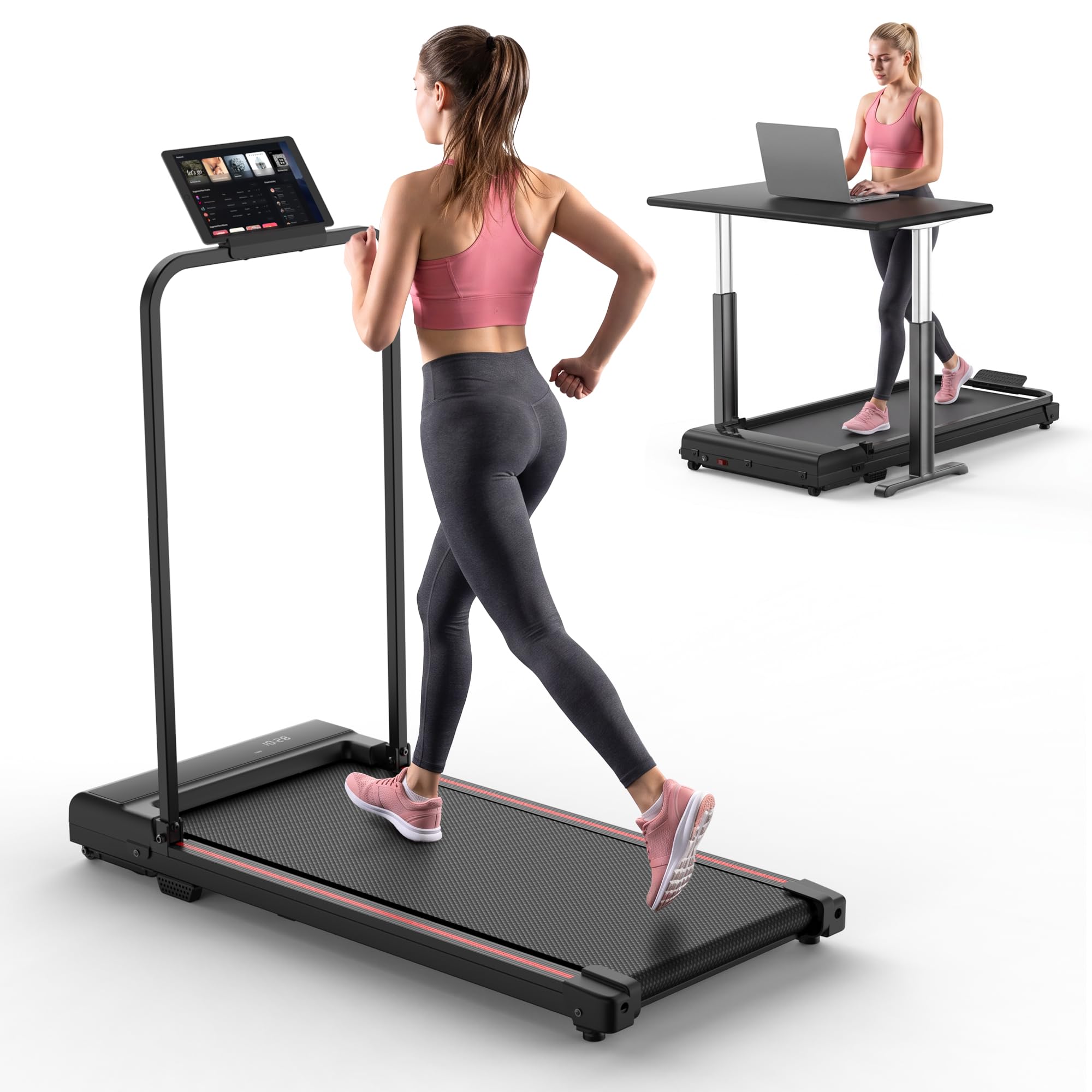
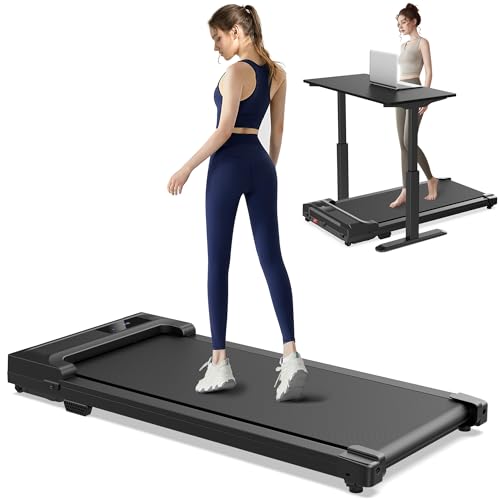
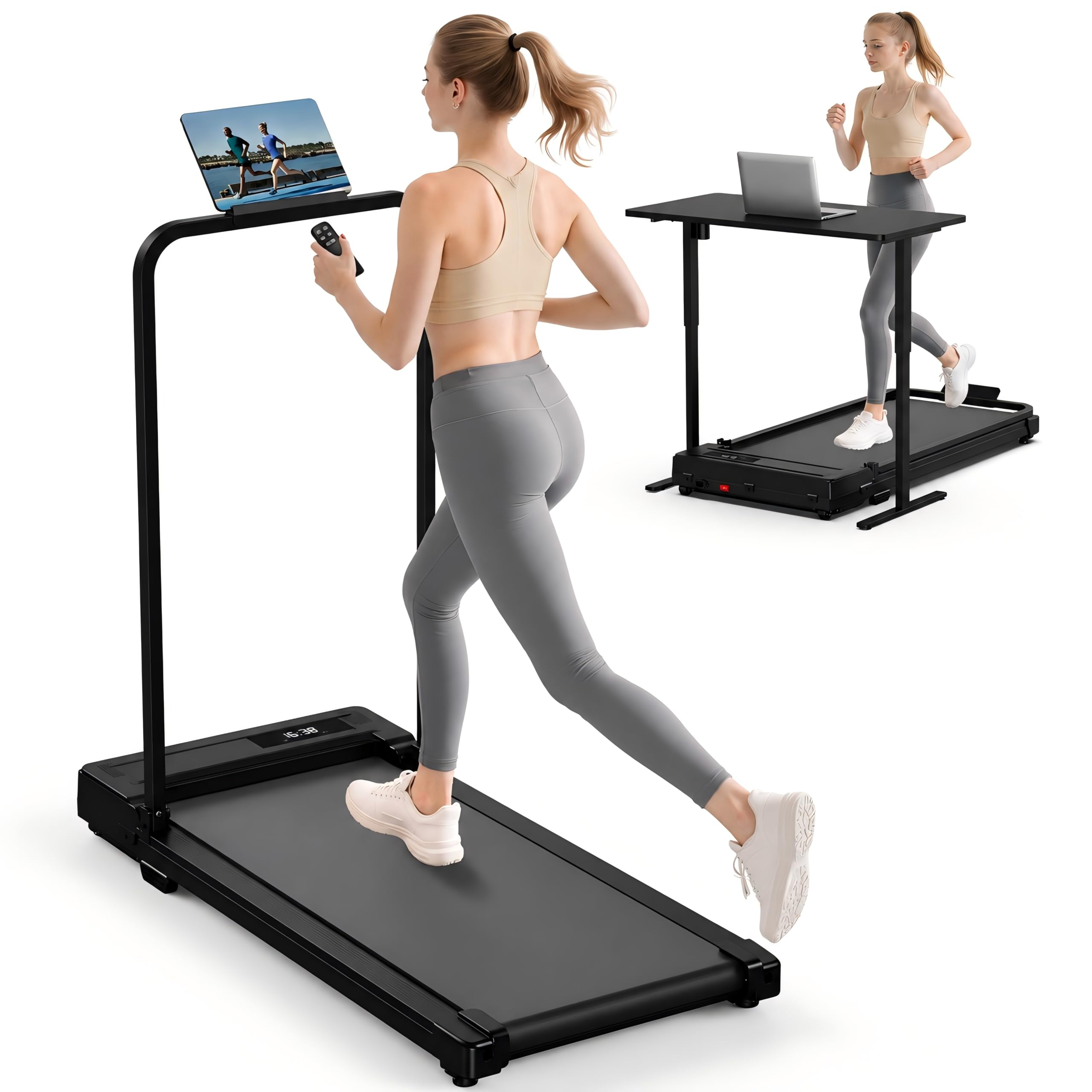
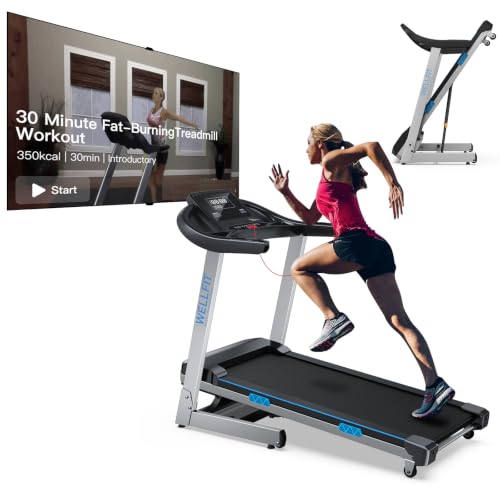
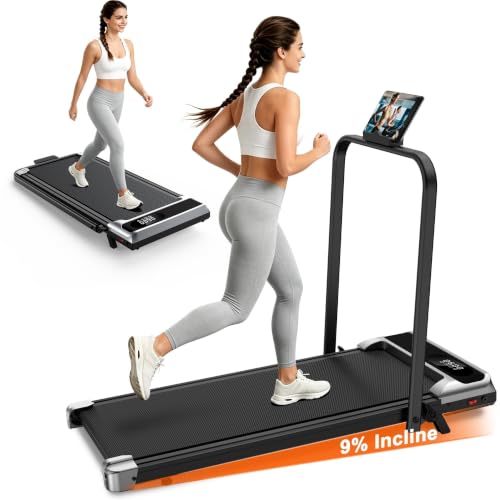
Who Should Buy Which Basic Treadmill?
For Weekend Beginners
Weekend beginners need a treadmill that is simple to start, forgiving to use, and easy to store between sessions. Look for large, clearly labeled speed buttons, a safety key that stops the belt quickly, and a belt wide enough that you do not have to watch your feet. A modest motor is usually enough for walking and light jogging, and a simple console with time, distance, and speed is easier to learn than a screen full of programs.
For Small Spaces and Easy Storage
Small space buyers need to measure twice, because a treadmill that fits on paper can still crowd a room once the belt is running. Measure the floor space with the belt unfolded, add clearance behind the machine for a safe exit, and check the ceiling height if you plan to use an incline. Folding models save floor space when not in use, but check the folded height, the weight of the deck, and whether you can fold and unfold it safely on your own.
For Frequent or Serious Users
Frequent users put more hours on a belt, a motor, and a frame, so durability and warranty coverage matter more than extra programs. Look for a stronger motor, a thicker belt, and a frame rated well above your body weight, because a machine run near its limit every day will wear faster. A longer warranty on the frame and motor is a useful signal of how the maker expects the machine to hold up, and it is worth reading what the warranty actually covers.
Key Features to Compare
Space, Footprint, and Ceiling Height
Start with the room, not the machine. Measure the length and width of the space where the treadmill will run, then add at least a couple of feet behind the belt for safe mounting and dismounting. Check the ceiling height with the deck inclined, because an incline raises your head position and a low ceiling can feel cramped. If the room doubles as a bedroom or office, think about where the folded machine will sit and whether the folded size still leaves a clear walkway.
Warranty: Frame, Parts, and Labor
Warranty terms tell you how the maker divides risk between frame, motor, parts, and labor, and those terms are not always equal. A long frame warranty with a short parts warranty is common, and labor coverage is often the shortest part of all. Read the fine print for exclusions, such as commercial use, improper assembly, or failure to lubricate the belt, because those details affect whether a claim will succeed.
Build Quality and Weight Capacity
Build quality shows up in frame material, deck thickness, roller size, and how steady the machine feels at your usual speed. A steel frame and a solid deck tend to feel more planted than a very light frame, and larger rollers help the belt run smoothly and last longer. Weight capacity is a useful comparison point, but treat it as a maximum, not a target: a machine rated well above your weight will usually run more quietly and wear more slowly.
When you compare build quality, look beyond the headline weight figure and check the deck, the belt thickness, and the quality of the welds and joints. A machine that wobbles, creaks, or shifts on the floor during a trial walk will not improve with use. If you cannot try it in person, read the assembly instructions and the maintenance section, because clear, detailed guidance often reflects a maker that has thought carefully about long term use.
Noise Level for Apartments
Noise comes from three places: the motor, the belt, and the impact of your feet on the deck. A motor that hums steadily at walking speed is less disruptive than one that whines or strains, and a well tensioned belt runs more quietly than a loose or dry one. Your own foot strike matters too: a softer landing, proper shoes, and a mat under the machine all reduce the sound that travels through floors.
Stride Length, Range of Motion, and Ergonomics
Stride length determines how much belt you need, and it varies with height, speed, and whether you walk or jog. A walking stride is shorter than a jogging stride, so a compact belt can work well for walking but feel cramped when you pick up speed. Taller users and faster joggers should favor a longer belt, while shorter walkers can often use a more compact model without feeling constrained.
Ergonomics also includes handrail height, console reach, and step up height, all of which affect comfort over a longer session. Rails should be easy to grasp without hunching, and the console should be readable at a glance without leaning forward. If you have knee, hip, or back concerns, ask your doctor whether treadmill walking suits you, and start with short, gentle sessions.
For related options, see our guide to best bargain treadmills if price is your main filter, and see our guide to best treadmills for jogging if you plan to jog more than walk. Timing can matter too, so see our guide to best time to purchase treadmills before you buy. Finally, the right footwear helps, so see our guide to best shoes for treadmill for shoes suited to belt walking and jogging.
Common Mistakes to Avoid When Buying Basic Treadmills
- Choosing on price alone, then finding the motor strains, the belt feels cramped, or the warranty covers almost nothing.
- Ignoring space, footprint, and ceiling height, and ending up with a machine that blocks a doorway or feels cramped on an incline.
- Buying a belt that is too short for your stride, which forces a choppy gait and makes jogging feel unsafe.
- Skipping the warranty check, especially the split between frame, parts, and labor coverage.
- Forgetting noise and vibration in an apartment, where a loud machine can limit when you are willing to use it.
Tips to Get the Most From Your Basic Treadmill
- Use a mat to protect floors and reduce noise, and make sure the mat sits flat so the machine does not rock.
- Wipe down the belt and console after each workout, because sweat and dust can damage the belt surface over time.
- Tighten bolts monthly, following the manual, and check belt tension and alignment on the same schedule.
- Lubricate the belt as the manual directs, since a dry belt runs louder, strains the motor, and wears faster.
- Keep the area behind the belt clear, use the safety key every time, and never step onto a belt that is already moving at speed.
Frequently Asked Questions
Is a subscription required for a basic treadmill?
No, a subscription is not required for a basic treadmill to work. Most basic models run with manual speed controls and simple built in programs, and they do not need an app or a monthly plan to start the belt. Some models offer optional connected workouts, but those extras are separate from the core walking and jogging functions. Check whether any screen features you like are locked behind a paywall, so you do not pay for a display you cannot fully use without a plan.
Is a basic treadmill quiet enough for an apartment?
A basic treadmill can be quiet enough for an apartment, but the result depends on the machine, the floor, and how you use it. Walking at a moderate speed on a mat, with a well maintained belt, is usually much quieter than jogging at top speed on a bare floor. Motor hum, belt condition, and foot strike all add to the sound that travels through floors. Try the machine at your usual workout time and, if possible, ask a neighbor below whether the sound is noticeable.
How long does a basic treadmill last?
A basic treadmill can last several years with regular use, but lifespan depends on build quality, daily hours, user weight, and maintenance. A machine used for daily jogging will wear faster than one used for gentle walking a few times a week. Belt lubrication, bolt checks, and keeping the machine clean all extend its life, while a dry belt and a loose frame shorten it. Warranty length on the frame and motor can hint at expected durability, but it does not replace regular care.
Which basic treadmill is better for beginners?
The better basic treadmill for a beginner is one with simple controls, a low step up height, a safety key, and a belt wide enough for a natural stride. Beginners benefit from large speed buttons, a clear display, and handrails within easy reach, rather than from a long list of programs. A modest motor is usually enough for walking and light jogging, and a folding design helps if space is tight. Favor a machine you feel confident starting and stopping, because ease of use is what turns a new routine into a lasting habit.
How much space do I need for a basic treadmill?
You need the machine footprint plus clearance behind the belt for safe mounting and dismounting, and a little room on the sides for stepping off. Measure the space with the belt unfolded, add clearance at the back, and check ceiling height if you plan to use an incline. A mat under the machine adds slightly to the footprint but protects floors and reduces vibration. Measure doorways and hallways too, since a treadmill that fits the room still has to get into the room.
The Bottom Line
The best choice comes down to how you will use it, how much space you have, and how often you plan to walk or jog. Match belt size to your stride, motor strength to your speed and frequency, and frame quality to your weight and daily use. Warranty terms, noise, and ease of storage matter just as much as headline speed, especially in a small home or apartment.
Use the product table to compare belt, motor, and folding details side by side, then measure your room and shortlist the models that fit. With a simple, well matched machine and a gradual start, best basic treadmills can support a steady home routine without the cost or complexity of a premium model.


