Best Basic Smart Watches for Every Need: How to Pick One in 2026
Disclosure: We may earn a commission when you buy through links on this page, at no extra cost to you. As an Amazon Associate I earn from qualifying purchases. Learn more

Pick a simple smartwatch without overwhelm: notifications, battery life, fitness basics, phone compatibility, strap comfort, and easy setup explained simply.
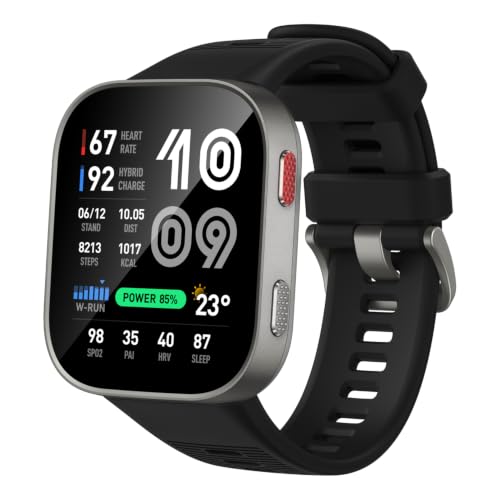
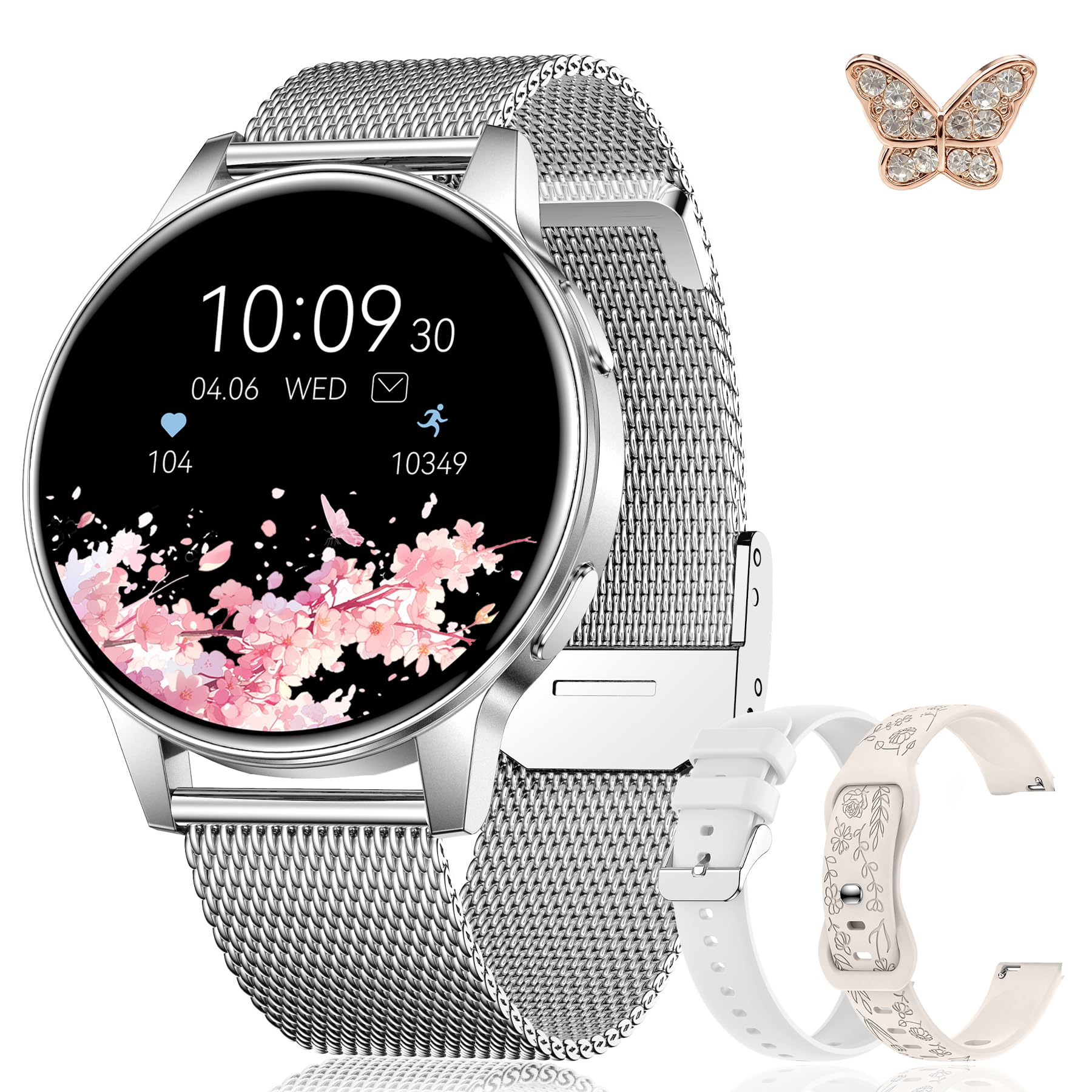
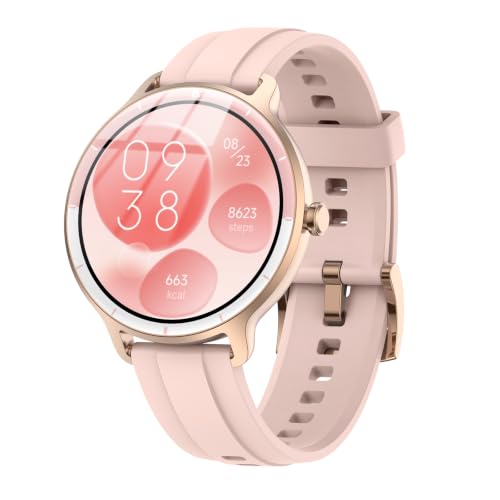
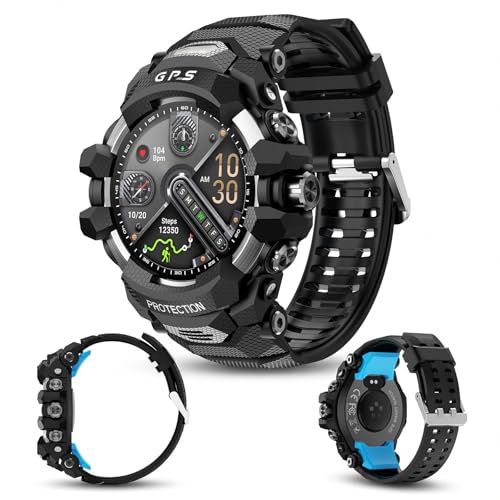
Smartwatches can overwhelm with features, but many buyers only want time, notifications, and basic health tracking. The best basic smart watches keep to that simpler promise, and the product table above helps you choose without paying for features you will never use.
A basic smartwatch should do a few jobs well: show notifications at a glance, track steps and sleep simply, and last days on a charge. If a watch needs daily charging and constant setup, it fails the basic promise, no matter how many features its listing claims.

Who Should Buy a Basic Smartwatch
A basic smartwatch suits first time smartwatch buyers, people who want phone notifications without pulling out a phone, and users who track steps and sleep casually. It also suits older users and gift buyers, since simple menus and long battery life matter more than app stores and advanced sensors for those groups.
It is less suited to serious athletes who need GPS routes, advanced training metrics, and third party app support, or to users who want to answer calls and pay from the wrist daily. Those buyers should look at full featured watches, since basic models trade depth for simplicity and battery life.
- First time smartwatch buyers who want simple menus
- People who want glanceable notifications and step tracking
- Gift buyers seeking easy setup and long battery life
Key Features That Matter Most
Notifications and Phone Compatibility
Check phone compatibility before anything else, since some watches work fully only with certain phones. Notifications should be readable at a glance, with clear text and simple reply options where offered. If you use a specific messaging app daily, confirm it notifies reliably on the watch, since compatibility varies between makers.
Call handling varies too. Some basic watches only show caller ID, while others allow answering through the watch speaker. Decide whether wrist calls matter to you, since paying for that feature when you never use it wastes money and battery. Simple vibration alerts often satisfy basic users best.
Battery Life and Charging
Battery life is the clearest quality signal for basic watches. A watch lasting several days suits travel and forgetful charging habits, while a watch needing daily charging feels like another phone to manage. Check real world battery claims for always on display settings, since bright displays drain batteries faster than makers suggest.
Charging method matters too. Magnetic chargers are easy to use, while proprietary docks can be annoying if lost. Keep a spare cable if you travel, and charge on a routine, such as while showering, so the watch is ready without daily thought.
Health Tracking and Comfort
Basic health tracking usually covers steps, sleep, heart rate, and sometimes blood oxygen, presented simply without deep analysis. Treat these readings as general trends, not medical measurements, since wrist sensors vary with fit and movement. If you have a health condition, rely on proper medical devices and talk with your clinician about any concerning readings.
Comfort decides daily wear more than specs. A light case, a soft strap, and a screen readable in sunlight matter every day. Check strap sizes if possible, since a watch that pinches or slides will be left in a drawer. Water resistance for hand washing and rain is a useful baseline, while swimming needs a higher rating.
Types Compared
Basic smartwatches divide into simple notification watches, fitness focused basics, and hybrid watches with hands plus a small display. The table below compares them for simple buyers.
| Type | Suits | Watch Out For |
| Simple notification watch | Calls, messages, alerts | Limited fitness depth |
| Fitness basic watch | Steps, sleep, heart trends | Plainer styling |
| Hybrid smartwatch | Traditional looks, quiet alerts | Small display, fewer features |
Notification watches suit phone focused users, fitness basics suit step and sleep trackers, and hybrids suit buyers who prefer traditional watch looks with quiet smart features. Choose by which job you will use daily, since that job decides satisfaction.
Readers comparing nearby options often find related guides useful. See best looking smart watches, best basic watches, and best smart watches android for closer looks at those related choices.
Setting Up Without Frustration
Setup should take minutes: pair the watch, set notification permissions, and choose a watch face you can read at a glance. Turn off notifications you do not need, since every app alert drains battery and attention. A basic watch works best when only important contacts and apps can buzz your wrist.
Set health goals simply, such as a daily step target, and check trends weekly rather than hourly. Constant checking turns a helpful tool into a distraction, while weekly trends reveal real habits. Update software when prompted, since updates often fix notification and battery issues.
If your shortlist is still wide, these related guides can narrow it. See best smart phone watches and best affordable smart watches for closer looks at those related choices.
Mistakes That Spoil a Simple Watch
The most common mistake is buying a full featured watch for basic needs, then facing daily charging and complex menus. Another mistake is ignoring phone compatibility until after purchase, when notifications fail for a favorite app. Check compatibility and battery life first, and treat extra features as bonuses.
Ignoring strap comfort is another error. A watch worn all day must fit well and feel light, so budget for a replacement strap if the included one irritates skin. A comfortable basic watch you wear daily beats a powerful watch you leave at home.
What Your Money Gets at Each Price Level
Price tiers for a basic smartwatch reflect materials, build quality, and features rather than a single best choice, so use the table below as a guide to where extra spending actually helps. A budget option often covers the core job well, while higher tiers add durability, comfort, or convenience that frequent users will notice most.
| Tier | Typical Price | What You Get |
| Budget | about $30 to $70 | Simple notifications, basic tracking, and long battery life. |
| Mid range | about $70 to $150 | Better screens, more sensors, and improved build quality. |
| Higher end basic | about $150 to $250 | Refined design, brighter displays, and broader app support. |
Start at the lowest tier that meets your real use, then step up only for a weakness that would bother you daily. A casual user rarely benefits from premium durability, while a daily user feels cheap materials quickly. That simple rule keeps spending sensible without sacrificing the features that matter for your routine.
Also consider running costs and lifespan alongside the purchase price. A slightly pricier option with replaceable parts, washable covers, or widely available spares can cost less over years than a cheap option that needs early replacement. Compare total ownership, not just the price on the listing, before you decide.
Frequently Asked Questions
Do basic smartwatches work with both Android and iPhone?
Many basic watches work with both, but features such as replies, call handling, and app notifications vary by phone system. Check the maker compatibility list for your exact phone before buying, and read recent user reports for your phone model. Compatibility on paper does not always mean smooth daily use.
How long should a basic smartwatch battery last?
Most basic watches last several days, with simpler models reaching a week or more, depending on display settings and notification volume. Always on displays, frequent GPS use, and bright screens shorten battery life noticeably. If a watch needs daily charging for basic use, it may be more powerful than you need.
Are basic smartwatch health readings accurate?
They give useful general trends for steps, sleep, and resting heart rate, but wrist sensors are not medical devices and readings vary with fit, movement, and skin tone. Use trends over weeks rather than single readings, and talk with your clinician about health concerns instead of relying on watch data alone.
Can I swim with a basic smartwatch?
It depends on the water resistance rating, so check whether the watch is rated for swimming or only for splashes and rain. Even swim rated watches need rinsing in fresh water after pools or sea use, and straps should dry fully. Do not press buttons underwater unless the maker says the watch is built for it.
Do I need a data plan for a smartwatch?
Most basic smartwatches use your phone Bluetooth connection and need no separate data plan, since they mirror phone notifications and data. Cellular models with their own plan cost more monthly and suit users who leave phones behind often. For basic use with a phone nearby, Bluetooth models are simpler and cheaper.
Should I choose a round or square smartwatch face?
Round faces look more like traditional watches and suit dressier tastes, while square faces show more notification text at a glance. Readability matters most for basic use, so favor the shape that displays your messages clearly. Compare both styles if possible, since wrist shape and personal taste affect the choice.
Final Thoughts
A good basic smartwatch stays out of the way, shows what matters, and lasts days between charges. Compare the product table above against your phone, your notification needs, and your wrist comfort.
Keep setup simple, turn off noise, and let the watch serve daily life quietly. Careful best basic smart watches research usually ends with a watch you actually wear, which is the only kind that helps.