Best Basic Refrigerators in 2026: Which Type Is Right for You?
Disclosure: We may earn a commission when you buy through links on this page, at no extra cost to you. As an Amazon Associate I earn from qualifying purchases. Learn more

Best basic refrigerators for simple kitchens: compare top freezer, side by side, and chest freezer types by size, price, and energy use.
Choosing best basic refrigerators sounds simple until you face a wall of sizes, layouts, and features that all claim to suit your kitchen. The confusion usually comes from comparing models before comparing types, since each layout changes how you store food, reach items, and use your space. Use the comparison table below to keep the main differences in view while this guide explains each type in plain terms.
A basic refrigerator does not need smart screens or specialty drawers to serve a household well. What matters is enough usable capacity, a layout that fits your cooking habits, dimensions that fit your kitchen, and energy use you can live with year after year. The sections below compare the main types, show how they stack up head to head, and walk through sizing, layout, and efficiency so you can narrow the choice with confidence.
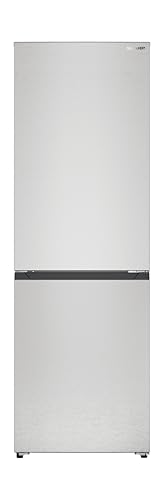
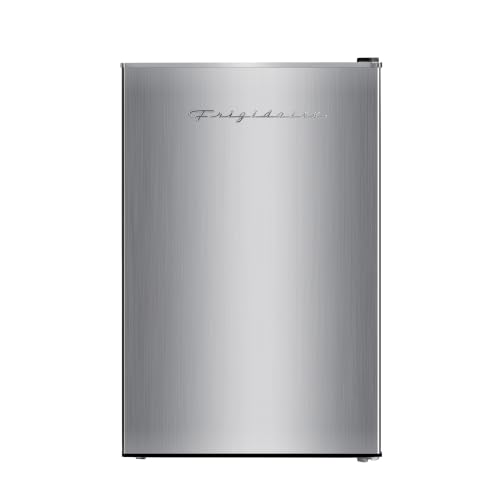


Types of Basic Refrigerators Compared
The table below gives a quick overview of the main types covered in this guide. Read it as a starting point, then use the sections that follow to weigh the trade offs for your household.
| Type | Best For | Pros | Cons | Typical Price |
|---|---|---|---|---|
| Chest freezers | Bulk storage | Large capacity, low running cost | Hard to organize, needs floor space | about $250 to $700 |
| Top freezer refrigerators | Everyday kitchens | Simple, affordable, efficient | Narrow freezer, bending for fresh food | about $500 to $1,000 |
| Side by side refrigerators | Narrow kitchens | Easy access, narrow doors | Narrow shelves, less wide storage | about $900 to $1,800 |
Chest Freezers
A chest freezer opens from the top and holds a large volume in a single deep space, which makes it a strong choice for bulk buying, garden harvests, or a second storage unit. Cold air stays low when the lid opens, so it tends to run efficiently, and the simple design usually means fewer parts that can fail. The trade off is organization, since items can sink to the bottom and get forgotten unless you use baskets and a simple rotation habit.
Chest freezers also need real floor space and a spot where the lid can open fully, so measure carefully before you commit. They suit garages, basements, and utility rooms better than tight kitchens, and a garage ready model matters if the space gets very cold or very hot. If you buy in bulk or cook in large batches, the extra capacity can be worth the extra planning. For units made for that setting, see our guide to best garage refrigerators.
Top Freezer Refrigerators
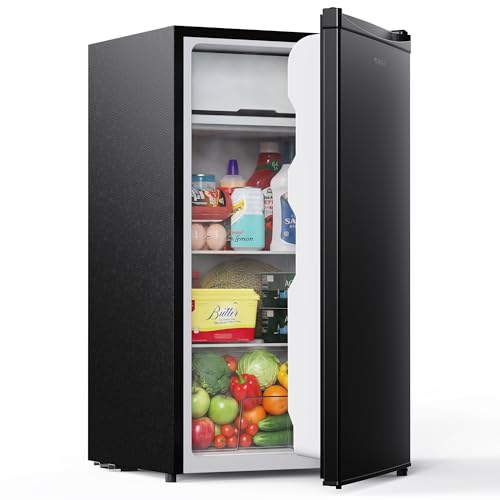
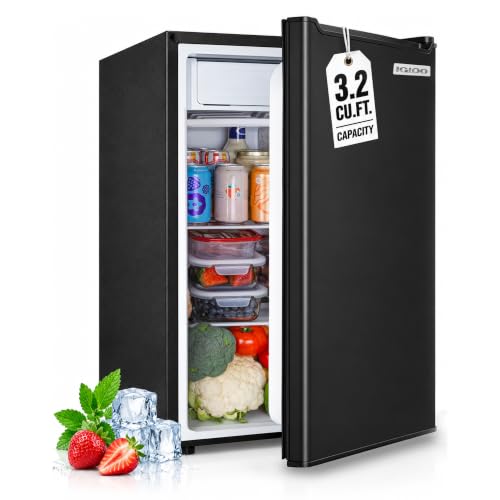
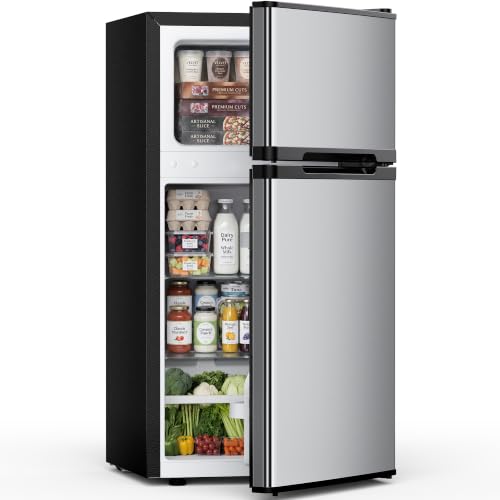
A top freezer refrigerator puts fresh food at eye level for most adults and the freezer above, in a layout that has served kitchens for decades. It is usually the most affordable full size option, uses energy efficiently, and leaves a wide, open fresh food section for platters, produce, and tall items. The freezer is narrower than in other layouts, and reaching fresh food low in the cabinet means bending, which matters if that motion is hard for you.
This type suits smaller households, second kitchens, and buyers who want a simple, dependable machine without extra features. It also fits narrower doorways and tighter kitchens more easily than wide side by side models. If you freeze a lot of bulky items, check the freezer dimensions closely, since the stated capacity does not always translate into usable space for large boxes. For a broader shortlist of dependable models, see our guide to best recommended refrigerators.
Side by Side Refrigerators
A side by side refrigerator splits the cabinet vertically, with fresh food on one side and frozen food on the other, so both sections are easy to reach without bending low. The narrow doors suit kitchens with islands or tight walkways, and many models add through door ice and water, which can be handy for busy households. The trade off is shelf width, since neither side is wide enough for a large pizza box or a wide tray.
This layout works well when two people cook together or when frozen meals, ice, and drinks get daily use. It usually costs more than a top freezer model and uses more energy, so weigh those running costs against the convenience. Measure your doorways and the space needed for both doors to swing, since a side by side still needs clearance on both sides. If drinks storage matters most, see our guide to best beverage refrigerators.
Chest Freezers vs Top Freezer Refrigerators: Which Should You Choose?
Start with purpose: a chest freezer is a storage specialist, while a top freezer refrigerator is an everyday kitchen machine. If your main goal is to store bulk meat, frozen vegetables, or batch cooked meals, the chest freezer wins on capacity and running cost. If you need one machine that handles daily fresh and frozen food, the top freezer refrigerator is the practical choice.
Space and organization tip the balance further. Chest freezers need floor space and a system of baskets, while top freezer models fit standard kitchen cutouts and keep daily food at hand. Energy use is close for efficient models of both types, but a chest freezer that sits half empty wastes more than a well used top freezer unit. Choose the chest freezer as a second unit and the top freezer as your main refrigerator unless bulk storage is your clear priority.
How to Choose the Right Basic Refrigerator
Once you know the type, the details decide whether a model fits your home and habits. Work through size, layout, capacity, and energy use in that order, and you will avoid the most common buying mistakes.
Dimensions, Counter Depth, and Door Clearance
Measure the width, height, and depth of your space, including trim, baseboards, and any overhead cabinet, and leave airflow space around the unit as the maker directs. Counter depth models sit nearly flush with your counters and look tidy, but they give up some interior capacity for that flush fit. Also check door swing and handle clearance, since a refrigerator that cannot open fully will frustrate you every day.
Configuration: French Door, Side by Side, Top Freezer, Bottom Freezer
French door models pair a wide fresh food section with a pull out freezer drawer, which suits cooks who use fresh ingredients often and want wide shelves. Side by side models suit narrow kitchens, top freezer models suit simple budgets, and bottom freezer models put fresh food at eye level with frozen food in a drawer below. Match the layout to what you reach for most, not to what looks newest, since daily convenience matters more than novelty.
Capacity and Household Size
A rough guide is about 4 to 6 cubic feet per person, adjusted for how often you shop, cook, and store bulk items. A household that shops weekly and cooks at home will need more room than one that eats out often, even at the same headcount. Remember that counter depth models hold less than standard depth models of the same width, so check usable shelf space rather than headline capacity alone. If you also stock drinks for gatherings, see our guide to best beer refrigerators.
Energy Efficiency and ENERGY STAR
Energy use is usually listed as kilowatt hours per year on the energy guide label, and that figure lets you compare models fairly regardless of size. An efficient model may cost a little more up front but can save money every year it runs, which adds up over a lifespan of a decade or more. If the refrigerator will sit in a garage, confirm it is rated for that temperature range, since extreme heat or cold can raise energy use and shorten the life of the compressor.
How to Make Your Basic Refrigerator Last Longer
Keep the fresh food section at about 37 degrees Fahrenheit and the freezer at about 0 degrees, and check the settings with a simple thermometer if food spoils early or ice builds up. Vacuum the condenser coils twice a year, since dust forces the compressor to work harder and use more energy. Leave airflow space around the unit, wipe door seals clean so they close tightly, and avoid overfilling shelves so cold air can circulate evenly.
Best Basic Refrigerators: Your Questions Answered
Are counter depth refrigerators worth it?
Counter depth refrigerators are worth it if a flush look and an unobstructed walkway matter more to you than maximum storage. They give up several cubic feet compared with standard depth models of the same width, so large households may feel the squeeze. If your kitchen is tight or you dislike a unit that juts into the room, the cleaner fit can be worth the trade off.
What size basic refrigerator do I need for my family?
Start with about 4 to 6 cubic feet per person, then adjust for shopping frequency, bulk buying, and how much fresh produce your household uses. A family of four that cooks at home most nights will usually be comfortable with about 18 to 22 cubic feet of usable space. Measure your kitchen cutout first, since the largest model on paper is useless if it cannot fit through the door or open fully.
Can I put a basic refrigerator in the garage?
You can put a refrigerator in the garage only if the model is rated for the temperature swings that space experiences through the year. Standard models may struggle in very cold winters or hot summers, which can spoil food or wear out the compressor early. Look for a garage ready rating, keep the unit out of direct sun, and leave airflow space around it as the maker directs.
How long should a basic refrigerator last?
Most basic refrigerators last about 10 to 15 years with regular care, though lifespan varies with use, climate, and build quality. Simple models often last longer than feature heavy ones because they have fewer parts that can fail. Replace a unit when repairs grow frequent, cooling becomes uneven, or energy use climbs sharply despite clean coils and tight door seals.
How much electricity does a basic refrigerator use?
Electricity use depends on size, efficiency, and ambient temperature, but many basic models use roughly 300 to 600 kilowatt hours per year. Check the energy guide label for the exact figure, and multiply it by your local electricity rate for a yearly cost estimate. Keeping coils clean, seals tight, and the unit away from ovens and direct sun helps hold that figure steady.
Our Verdict
For most households, a top freezer refrigerator offers the best mix of price, simplicity, and efficiency, while a side by side suits narrow kitchens and a chest freezer shines as a second storage unit. Measure your space, match the layout to your daily habits, and compare energy labels before you commit. If you do that, and review the product table above once more, best basic refrigerators shopping becomes a calm, informed choice rather than a guessing game.