
Best Baking Ovens for Home: What Actually Matters Before You Buy for 2026
Disclosure: We may earn a commission when you buy through links on this page, at no extra cost to you. As an Amazon Associate I earn from qualifying purchases. Learn more
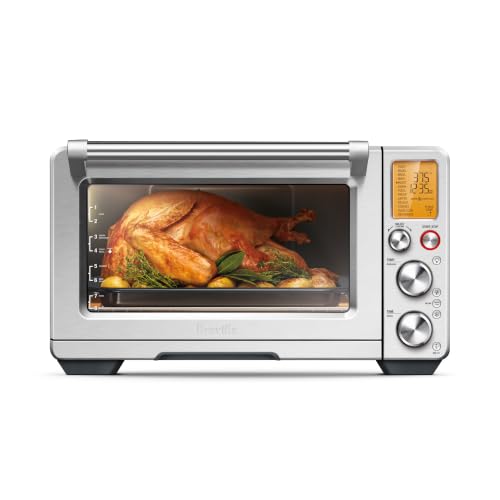
Compare home baking ovens by heat evenness, capacity, steam, and cleaning to match your baking style.
Shopping for best baking ovens for home starts with a simple question: what do you bake most weeks? Bread lovers need steady heat and steam, cake bakers need even browning across the tray, and busy households need fast preheat and easy cleaning. An oven that excels at one job may only be average at another, so matching the oven to your baking habits matters more than chasing the longest feature list. The comparison table below shows the main types side by side.
Heat behavior decides baking results more than brand styling. Even heat prevents one side of a tray from browning faster than the other, while accurate temperature control keeps delicate bakes from drying out or sinking. Capacity matters too, because a small oven can crowd trays and block airflow, while a very large oven may waste energy on a single loaf. Think about your largest regular bake, then choose capacity with a little room to spare.
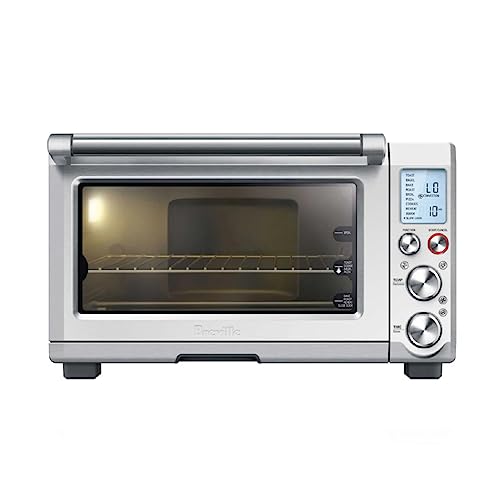


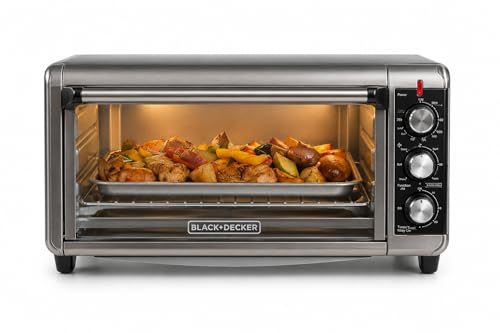


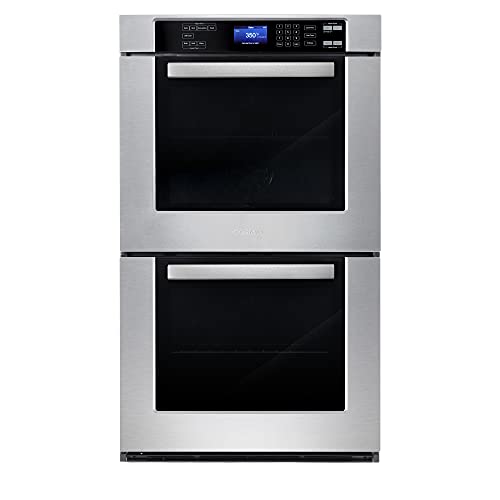
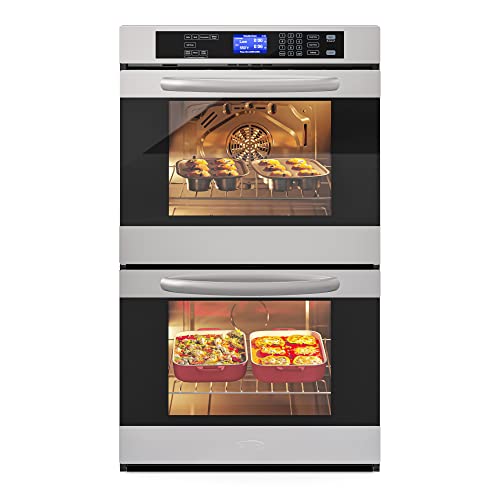
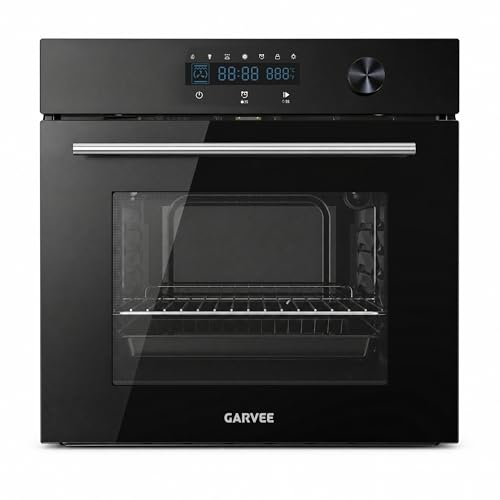
Oven Types in Plain Language
Conventional ovens heat from elements at the top and bottom, which suits slow, gentle bakes and gives the baker control through rack position. Convection ovens add a fan that circulates hot air, which evens browning and often shortens baking time slightly. Steam ovens inject moisture, which helps bread crusts develop color and crispness, and some combination ovens mix steam with conventional or convection heat for wider use.
Fuel and installation shape the choice as well. Electric ovens are common in home kitchens and offer precise controls, while gas ovens can heat quickly and suit cooks who already have a gas supply. Built in wall ovens free counter space and sit at a comfortable height, while freestanding ranges combine oven and cooktop in one unit. Check power or gas requirements, ventilation, and door clearance before falling in love with a particular model.
Key Features Explained
Heat Evenness and Control
Even heat is the single most valuable trait for home baking. Look for descriptions of multi element layouts, fan circulation, and temperature stability rather than maximum temperature alone. A useful test after purchase is baking a tray of biscuits spread across the rack and noting which spots brown first. Rotating trays halfway through a bake can compensate for mild unevenness, but a strongly uneven oven will frustrate even careful bakers.
Capacity and Rack Layout
Capacity should match your trays, not just a cubic foot figure on a spec sheet. Measure your largest baking tray and check how many racks the oven truly fits with airflow between them. Adjustable rack positions help with tall loaves, layered cakes, and roasting pans. If you bake in batches for a family or a small business from home, a wider cavity or a second oven may save more time than any smart feature.
Steam, Cleaning, and Controls
Steam helps bread and some pastries, but it adds a water tank to fill and descale, so weigh the benefit against the extra upkeep. Self cleaning modes use very high heat to burn off residue, which saves scrubbing but needs the kitchen ventilated and the oven emptied first. Simple dial controls suit bakers who value reliability, while touch controls offer timers, probes, and preset programs that some households love and others never use.
Who Should Buy Which Type
Bread bakers should prioritize steam or a design that holds moisture well, plus room for a Dutch oven or baking stone. Cake and pastry bakers should prioritize even heat, gentle fan options, and accurate low temperature control. Busy families may value fast preheat, a clear timer, and easy wipe interiors over specialist baking modes they rarely touch.
If bread is your main bake, compare bread focused ovens for steam, stone capacity, and crust results. See our guide to best home ovens for baking bread for more detail.
For a general home view, compare ovens across cooking styles before narrowing to baking specific models. See our guide to best ovens for home for more detail.
Cake bakers can narrow further to ovens praised for even browning and gentle, accurate heat. See our guide to best ovens for baking cakes at home for more detail.
Convection fans change timing and browning, so check how fan modes behave with your favorite recipes. See our guide to best convection ovens for baking for more detail.
Mistakes to Avoid
A common mistake is judging an oven by maximum temperature, which says little about evenness at normal baking temperatures. Another is buying capacity for rare occasions, such as a once a year feast, while living daily with slow preheat and wasted energy. Ignoring tray fit is also common, because a cavity that looks large on paper may still crowd your widest tray.
Do not skip the installation check. Built in models need exact cabinet dimensions, ventilation gaps, and electrical or gas connections that may require a professional. Freestanding models need floor space and door swing room. Measure twice, confirm the supply type, and leave room for a baking stone or extra rack if you plan to add them later.
Care and Everyday Use
Wipe spills promptly, since burnt sugar and fat bake onto surfaces and affect future flavors. Remove racks for a soak when residue builds up, and clean door seals gently so they keep closing tightly. If your oven has a steam tank, descale it on the schedule in the manual to protect both flavor and the heating system.
Learn your oven quirks with a few trial bakes before an important occasion. Note whether the back runs hot, whether fan mode needs a lower temperature, and how long preheat truly takes. Keep an oven thermometer handy for the first months, since dial settings and actual cavity temperature can differ. Those notes turn a new oven into a trusted baking partner.
A Final Check Before You Order
Before you order, bring your widest baking tray measurements and check rack spacing, door swing, and ventilation gaps against the maker manual. A tray that fits only by forcing will block airflow and bake unevenly, no matter how good the oven claims to be. Confirm power or gas supply details with a qualified installer, since surprises at installation delay baking plans and add cost.
Frequently Asked Questions
Do I need a convection fan for baking?
A fan helps even browning and can shorten baking time, but it is not essential for every baker. Conventional heat suits delicate cakes and custards that dislike moving air. Many ovens let you switch the fan off, which gives the best of both worlds. If you bake mostly bread and tray bakes, a fan is a real help.
If you bake mostly delicate items, prioritize accurate temperature over fan power.
How important is steam for bread?
Steam keeps the crust soft early in the bake, which lets bread rise fully before the crust sets, giving better color and crispness. Home bakers can mimic steam with a tray of water or a covered pot, so a built in steam system is a convenience rather than a necessity. If you bake bread weekly, steam is worth considering. If you bake bread rarely, manual methods may serve you well.
What size oven suits a family kitchen?
Match the oven to your largest regular tray and your usual batch size. A standard single oven suits most families, while keen bakers who batch cook may benefit from a wider cavity or a double oven. Remember that airflow matters, so a cavity packed with trays bakes less evenly than the same trays with space between them. Measure trays before choosing, not just the headline capacity figure.
Are self cleaning ovens worth it?
Self cleaning cycles save scrubbing by burning residue at very high heat, but they take time, need ventilation, and require removing racks and loose items first. Some owners use the cycle rarely and clean by hand instead. If you bake messy items often, the feature can help. If you wipe spills promptly, manual cleaning may be enough, and you can spend the budget elsewhere.
Should I trust the temperature dial?
Dials and digital displays can differ from true cavity temperature, especially in older or budget ovens. An inexpensive oven thermometer placed at grate level gives a truer reading during the first months of use. Once you learn the offset, you can adjust recipes accordingly. Regular checks also reveal when seals or elements need attention.
Final Thoughts
A good home baking oven is one that heats evenly, fits your trays, and suits the bakes you actually make each week. The product table above compares the main types, and the sections here explain how each feature shows up in real baking. Measure your space and trays, decide whether steam and fan modes matter to you, and choose steady heat over styling.
With that match, best baking ovens for home can make weekend baking calmer and more reliable, from weekday tray bakes to slow Sunday loaves. Start with even heat, learn your oven quirks, and let good habits do the rest.


