
Best Baseball Shoes 2026: Cleats, Turf Shoes, and Trainers
Disclosure: We may earn a commission when you buy through links on this page, at no extra cost to you. As an Amazon Associate I earn from qualifying purchases. Learn more

Find baseball shoes for cleats, turf, and training, with guidance on fit, traction, ankle support, league rules, and position specific needs.
best baseball shoes cover cleats for grass, turf shoes for synthetic fields, and trainers for practice. The right pair depends on your surface, your position, and how often you play, since each surface demands different traction.
The comparison table below brings the main options together, so you can compare cleat types, fit, and cushioning at a glance. This guide explains metal and molded cleats, turf soles, and fit checks that keep young and adult players comfortable.


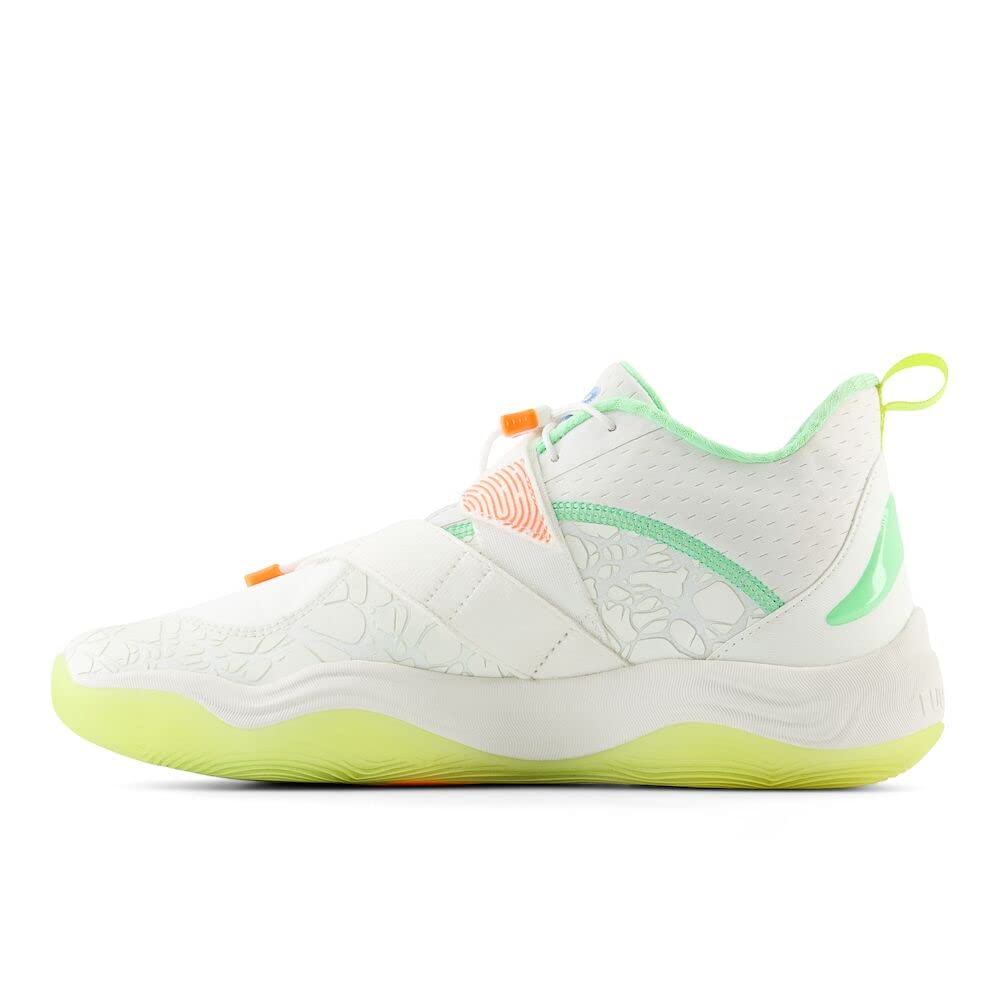
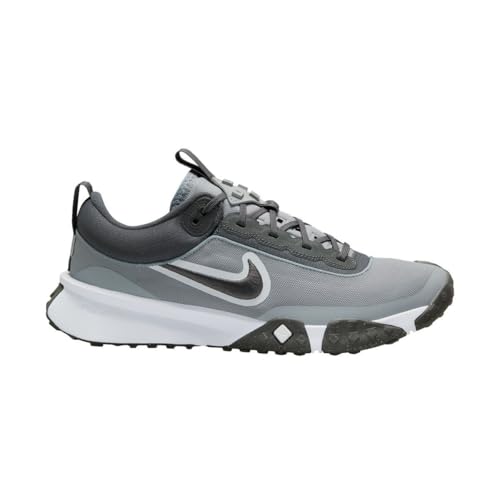


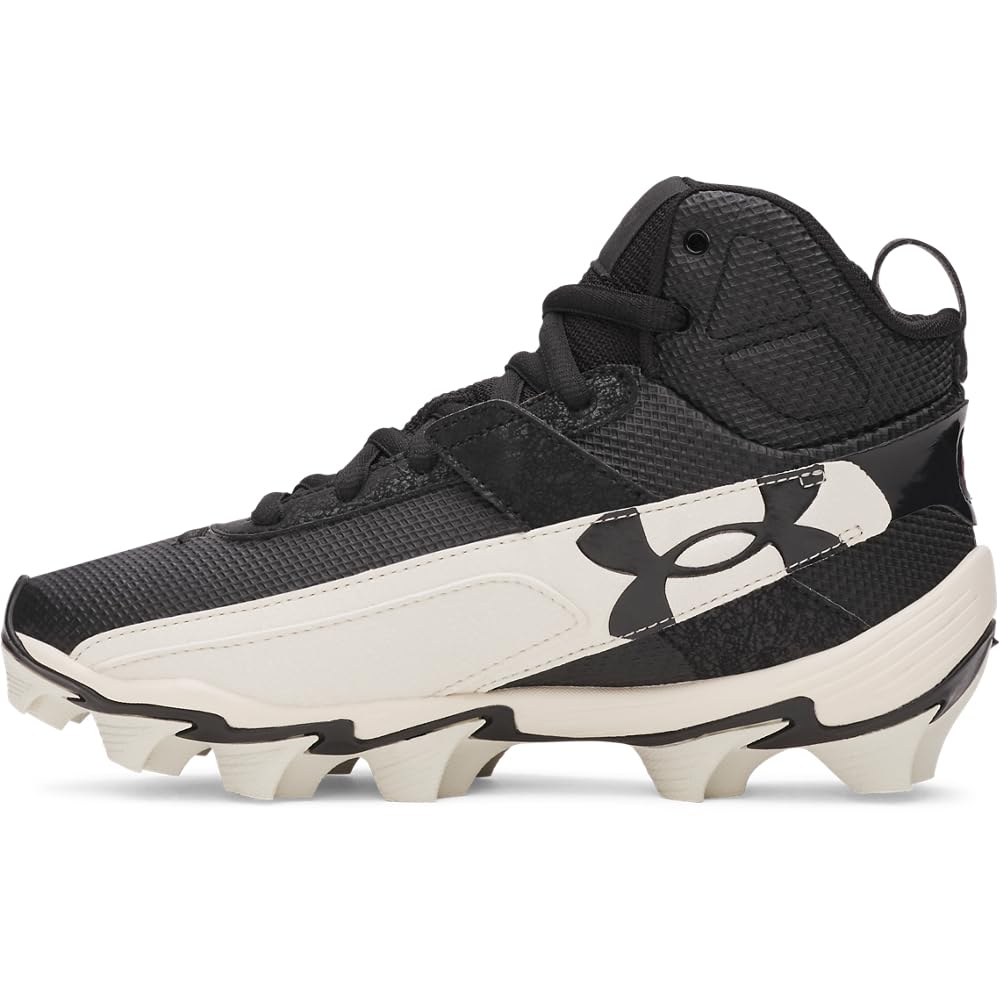
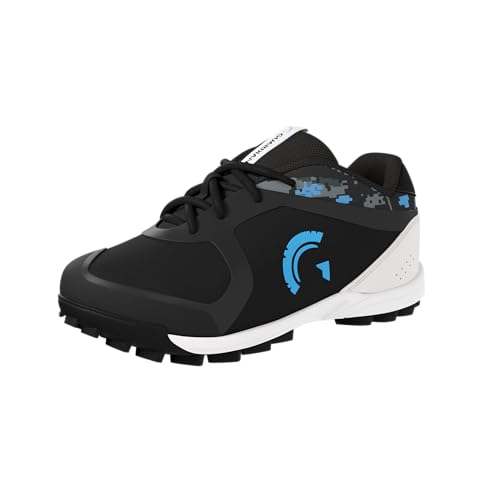

Baseball movements include sprinting, cutting, sliding, and quick stops. Shoes must grip for acceleration, release for turns, and protect feet during slides and collisions at bases.
Check your league rules and field surfaces before you shop. Cleat bans, turf requirements, and field conditions decide shoe type before fit or style enter the conversation.
Cleats, Turf Shoes, and Trainers
Metal cleats offer the strongest grip on natural grass and suit advanced players on well maintained fields. They bite firmly for sprints and cuts, but they are banned in many youth leagues and unsuitable for turf and hard surfaces.
Molded cleats use rubber or plastic studs and suit most youth, high school, and recreational players. They grip well on grass and dirt, feel more forgiving than metal, and work across a wider range of field conditions.
Turf shoes use rubber patterns rather than studs and suit artificial turf, indoor training, and all weather fields. They also serve coaches and players who move between dugout, turf, and concrete during games and practices.
Trainers suit strength work, batting practice, and off field conditioning. They lack the traction for game play on grass, so keep them for training rather than competition on natural fields.
Fit, Support, and Position Needs
Fit should hold the heel firmly, leave toe room for sprints, and match your width. Baseball shoes often run narrow, so wide footed players should check wide widths early. Try shoes with game socks and any insoles you use.
Ankle support matters for players who cut hard and slide often. Mid cut shoes add ankle coverage, while low cut shoes favor speed and ankle freedom. Choose based on your history of ankle sprains and your position demands.
Position shapes priorities. Infielders need quick lateral grip and low profiles for ground balls, outfielders need sprint cushioning and traction for long runs, and pitchers need a stable plant foot and a durable toe area for drag.
A guide to best baseball turf shoes focuses on turf models, while best baseball coaching shoes and best shoes for baseball coaches cover dugout and practice footwear. For training, best baseball training shoes covers off field work.
Safety and Injury Awareness
Check league rules before buying metal cleats, since many youth and school leagues restrict them. Wearing banned cleats can sideline a player and create safety issues on turf and hard infields.
Stop and assess sharp foot or ankle pain, repeated ankle rolling, swelling, or numbness. Baseball involves sudden stops and slides, and playing through sharp pain can worsen sprains and fractures. Seek care promptly for inability to bear weight, deformity, or severe swelling.
Warm up with jogging, lateral shuffles, and ankle mobility before games. Strengthen calves and ankles gradually, and replace shoes when traction fades or support collapses, since worn shoes raise slip and roll risk.
Care, Value, and Mistakes to Avoid
After games, brush off dirt, air dry shoes away from direct heat, and check studs and seams. Metal cleats need cleaning to prevent rust, while molded cleats need checks for worn studs that reduce grip unevenly.
Prices for baseball shoes commonly range from about $40 to $150. Midrange molded cleats and turf shoes often offer the best value for recreational and school players, while advanced players may invest more in fit and durability.
A common mistake is buying metal cleats for turf play or youth leagues that ban them. Another is sizing down for a tight feel, which causes blisters during long games. Fit for the late innings, not just the first try on.
A Final Check Before You Order
Try shoes with baseball socks and any ankle braces you wear. Braces change fit and heel hold significantly, and a shoe fitted without a brace may feel tight or unstable once the brace goes on.
Try lateral cuts and short sprints on a surface similar to your field when possible. Shop floors hide traction and fit issues that dirt, grass, and turf reveal immediately during real movement.
For growing players, check fit monthly during the season. Feet grow quickly, and a shoe that fit in spring may pinch by summer, causing blisters and altered running form.
Frequently Asked Questions
Should I choose metal or molded cleats?
Choose molded cleats for youth, recreational, and most school play, and for mixed surfaces. Choose metal cleats only for advanced play on natural grass where league rules allow them. Metal offers stronger grip, but molded suits more fields and more players.
Can I wear turf shoes on natural grass?
Turf shoes can work on short, firm natural grass, but they may slip on wet or soft ground. They lack the penetration of cleats, so they suit dry fields and practice best. Keep cleats for wet grass and competition on natural fields.
How should baseball shoes fit?
They should hold the heel firmly, leave a little toe room, and feel snug at the midfoot without pinching. Try them with game socks, walk and cut sideways, and check for heel lift. A shoe that slips during cuts will cause blisters and slow reactions.
Do pitchers need special baseball shoes?
Pitchers benefit from a durable toe area for drag, a stable plant foot, and a secure fit for delivery. Some pitchers prefer reinforced toe guards or pitching toe protectors. Check league rules on toe protection and cleat types before ordering.
How long do baseball shoes last?
Lifespan depends on surface, frequency, and growth for young players. Regular players often see stud wear, seam stress, and cushioning loss within one season. Replace shoes when grip fades unevenly, the heel collapses, or the upper splits.
Should young players wear metal cleats?
Most youth leagues ban metal cleats for safety, and young players rarely need their extra grip. Molded cleats suit youth play well, offering traction without the injury and field damage risks of metal. Always check league rules before buying metal cleats for a young player.
Can baseball shoes be used for other sports?
Baseball cleats suit baseball and softball best, since their traction patterns match those fields. They perform poorly on hard courts, turf soccer fields, and running tracks, where they can slip, wear quickly, or violate venue rules. Use sport specific shoes for other sports rather than forcing baseball cleats into unsuitable roles.
Final Thoughts
best baseball shoes should match your surface, your league rules, and your position. Traction, fit, and ankle support matter more than style or brand.
Use the product table above to compare cleat and turf options, then try finalists with game socks and real cuts. The right pair helps you sprint, field, and slide with confidence all season.
Reassess fit and traction midseason, especially for growing players and heavy schedules. A midseason check catches problems before playoffs, when reliable footwear matters most.


