
Best Baseball Training Shoes: Every Type Explained Side by Side for 2026
Disclosure: We may earn a commission when you buy through links on this page, at no extra cost to you. As an Amazon Associate I earn from qualifying purchases. Learn more

See which of the best baseball training shoes fits your drills: stability trainers, recovery sandals, or waterproof styles.
Walk into any sporting goods store and the wall of training shoes blurs together fast. Turf shoes, trainers, recovery footwear, waterproof options: they all promise performance, but they solve very different problems. Baseball training adds its own mix of sprint work, lateral cuts, batting cage sessions, and long practices on turf or grass. This guide compares each type side by side so you can match the shoe to your actual routine. By the end, choosing the best baseball training shoes for your feet and your fields will feel straightforward, and the comparison table below will help you confirm the fit.


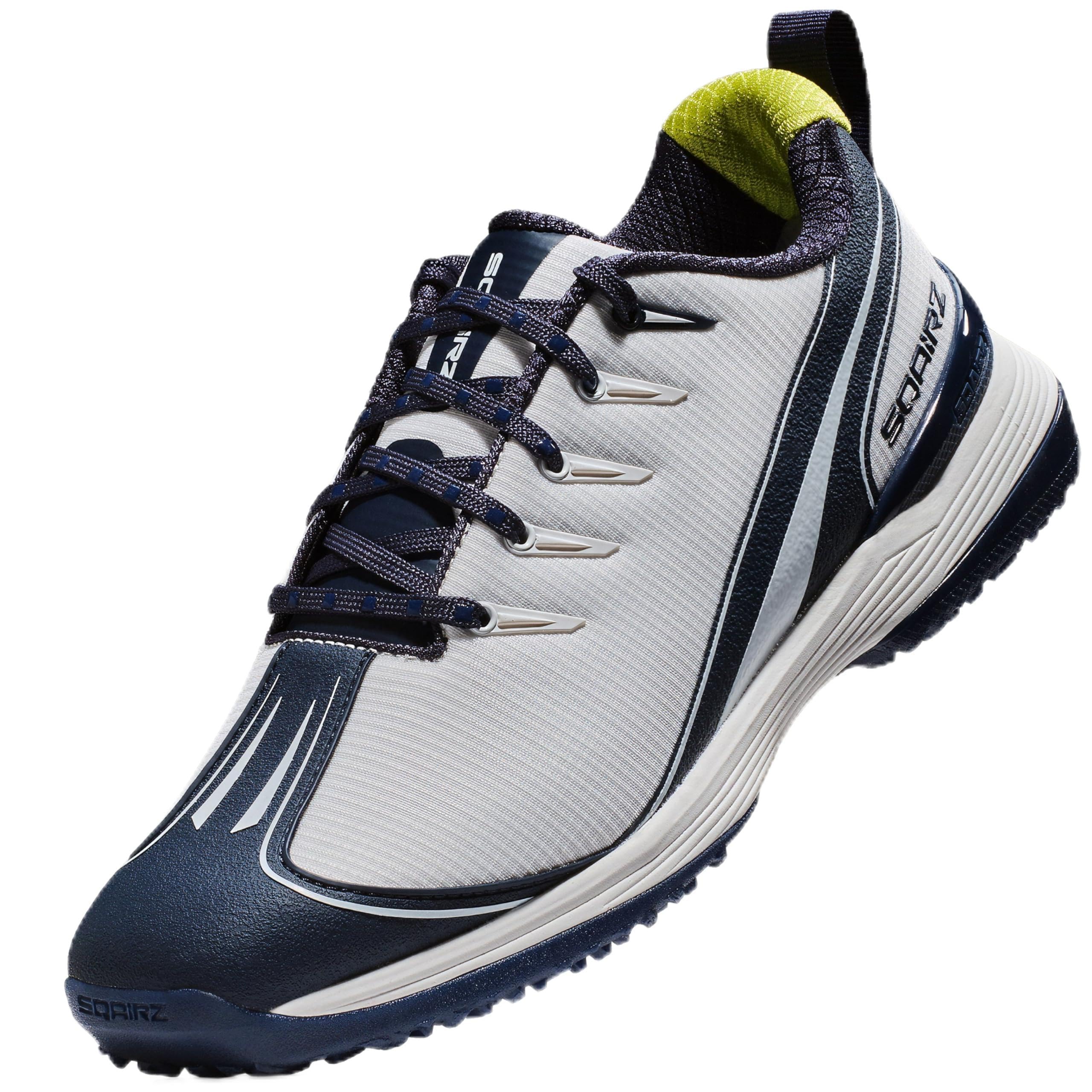
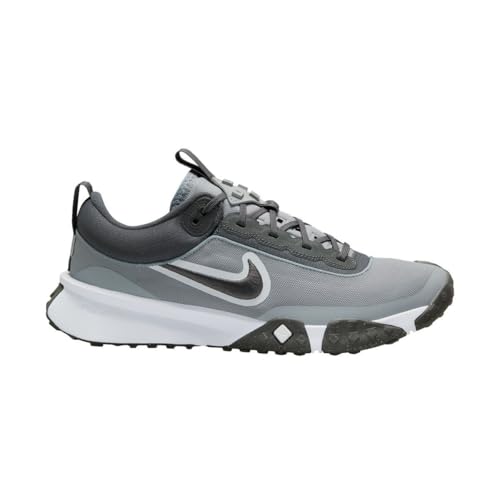

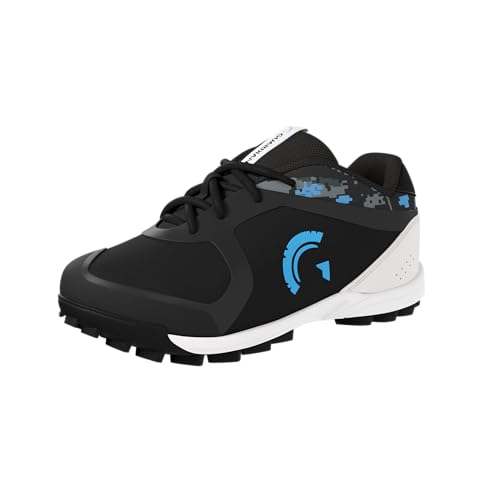

Types of Baseball Training Shoes Compared
Think of the types this way. Stability and support trainers are the everyday workhorse for drills and gym work, usually around $70 to $130. Recovery sandals are an after practice comfort tool, usually around $30 to $60, and never a training shoe.
Waterproof trainers are a wet weather specialist for damp fields and early season slop, usually around $90 to $150. Each type below explains how it works, where it shines, and where it falls short.
Stability and Support Shoes
Stability trainers are built for the way baseball players actually move: short sprints, hard stops, side to side shuffles, and rotational swings. A firmer heel counter, a supportive midsole, and a reinforced upper keep your foot centered over the sole during cuts, instead of rolling off the edge. That structure suits players with flat feet or tired arches, and anyone whose ankles feel unsteady in soft, flexible shoes. Most baseball specific trainers in this family use a turf outsole with many small lugs that grip artificial turf and packed dirt without the injury risk of cleats on hard surfaces.
The trade off is weight and flexibility. These shoes feel less nimble than light running shoes, and the stiff build can seem clunky during pure distance running. For practice, lessons, and weight room work, though, they are the safest default for most players.
Sandals and Recovery Footwear
Recovery sandals and slides belong in your bag, not on the field. Their job starts when practice ends: a thick, cushioned footbed, often with arch support, lets swollen, tired feet relax after hours in cleats or trainers. Players use them in the locker room, on the ride home, and around the house to reduce the pounding on heels and arches between sessions.
They offer no ankle support, no traction for drills, and no protection from a dropped bat or a stray ball, so they should never replace training shoes during any activity. Think of them as part of your recovery routine alongside stretching and sleep.
Waterproof Trainers for Wet Conditions
Waterproof trainers use a membrane lining, often Gore Tex or a similar material, plus sealed seams and a water resistant upper to keep rain and wet grass out. They suit early season practices, damp outfields, and coaches or parents who stand on wet fields for hours. Dry feet stay warmer and blister less, which matters in cold spring leagues. The trade offs are heat and cost.
A waterproof membrane traps warmth in summer, adds price, and can make the shoe feel slightly stiffer. Most players treat this type as a second pair for bad weather rather than an everyday trainer. If your practices are mostly indoors or on dry turf, skip the membrane and spend the savings on a better fitting main pair.
Stability Trainers vs Recovery Footwear: Which Should You Choose?
These two types are not really rivals, because they work at different times of day. Choose stability trainers for anything active: drills, cage work, lifting, and conditioning. They support your arch, lock your heel, grip the surface, and protect your toes from equipment.
Choose recovery footwear for everything after: the walk to the car, the evening at home, and rest days when your feet need cushioning without structure pressing on sore spots. Most serious players own both, using each where it belongs, and that pairing costs less than one premium pair of cleats. If your budget allows only one purchase, buy the trainers first, because they affect performance and safety during the hours that matter.
How to Choose the Right Baseball Training Shoe
Cushioning and Support
Start with your arch and your injury history. Players with flat feet or knees that cave inward during squats usually do better in a stability build with a firmer midsole and a modest heel to toe drop, around 8 to 10 mm, which keeps form steady under load. Players with neutral arches can choose lighter, softer cushioning.
Press your thumb into the midsole: it should feel firm with a little give, not mushy. During swings and throws your weight shifts fast from back foot to front, so a stable base under the heel matters more than cloud soft foam. If foot or ankle pain keeps returning, a sports medicine clinician or podiatrist can tell you whether an insert makes more sense than a different shoe.
Outsole Traction and Terrain
Match the outsole to your surface. Turf trainers use many short rubber lugs that bite into artificial turf and gym floors without damaging them. On natural grass that is dry and firm, the same lugs work acceptably for light drills, but wet grass demands real cleats, which are a separate purchase covered in our guide to the best baseball shoes.
Avoid wearing turf shoes on wet clay or mud, where short lugs pack with dirt and turn slippery. Check lug depth and rubber hardness before buying: softer rubber grips better indoors, while harder rubber survives abrasive outdoor turf longer. If you split time between the weight room and the field, a flatter trainer with moderate lugs is the practical middle ground.
Fit, Sizing, and Toe Box
Fit decides more training days than any feature on the box. Try shoes in the afternoon or after a workout, when your feet are slightly swollen, and wear your game socks. You want about a thumb width of space in front of your longest toe, a heel that does not lift when you lunge, and a toe box wide enough that your toes can spread during cuts.
Players who also train in general gym shoes can compare sizing notes in our guide to the best cross training shoes, since fit quirks often carry across a brand's lines. When you fall between sizes, choose the larger one for training, because feet swell during long practices. Women and men shopping across departments should compare fit by foot shape rather than the label, and our guides to the best training shoes for women and the best training shoes for men break down those differences.
Durability and Expected Lifespan
Training shoes wear out from the inside first. The midsole foam packs down after roughly 300 to 500 hours of mixed training, or about one to two full seasons for a player practicing several times a week, long before the upper looks worn. Watch for warning signs: new heel soreness, an upper that leans to one side, or lugs worn smooth in the forefoot.
Abrasive artificial turf eats outsoles faster than grass or gym floors, so turf heavy players should expect the shorter end of that range. Rotating two pairs extends the life of both because the foam recovers between sessions.
Tips to Get the Most From Your Baseball Training Shoe
- Rotate two pairs. Alternating pairs lets midsole foam rebound and cuts odor, and it stretches the useful life of both pairs.
- Air dry wet shoes away from direct heat. Pull the insoles out, stuff the shoes with newspaper, and keep them off radiators and out of hot car trunks, which crack materials.
- Keep trainers for training. Wearing your practice shoes for all day errands adds silent mileage that shortens their supportive life.
- Retie for the drill. A snug heel lock lacing pattern for sprints and a looser forefoot for cage work takes ten seconds and prevents blisters and heel slip.
- Replace on schedule. Mark the purchase month inside the tongue, and reassess after each season rather than waiting for pain to decide for you.
Baseball Training Shoes: Your Questions Answered
Do I need waterproof baseball training shoes?
Only if you regularly train on wet natural grass or in rainy spring conditions. On turf and indoors, a waterproof membrane adds heat and cost without any benefit, since the surface drains and your feet stay dry anyway. One practical middle path is a water resistant spray treatment on a regular trainer for light dew. Save the true waterproof pair for teams that practice outdoors from February onward, when cold, wet feet end sessions early.
How long is the break in period for baseball training shoes?
Most modern trainers need only two or three light sessions before they feel like yours. Wear them for a short practice and a walk or two before a full tournament weekend, and watch for hot spots on the heel or the top of the toes. Stiff stability models can take a week of regular use to flex naturally. If a shoe still pinches after several sessions, that is a fit problem, not a break in problem, and exchanging sizes beats hoping it stretches.
Are expensive baseball training shoes worth it?
Premium prices buy lighter materials, better durability, and more refined support, and frequent players do feel those differences across a long season. A player training twice a month gains little beyond what a solid mid priced trainer offers. Judge by cost per session instead of the sticker: a $130 shoe worn 100 times is cheaper per use than a $70 shoe that hurts by June and gets replaced. Fit and freshness matter more than the tier, so replace worn shoes before upgrading categories.
How often should I replace my baseball training shoes?
Replace them after about 300 to 500 hours of training, or sooner if the midsole feels flat, the heel counter collapses, or new aches appear in your feet, shins, or knees after practice. Heavy turf use shortens that window because the surface grinds lugs down quickly. Keep your old pair as a backup for muddy days once the new pair arrives. Tracking the purchase date makes the decision objective instead of a guess based on how the shoes look.
Can I wear baseball training shoes all day?
You can, and many players do, especially the cushioned stability styles that double as comfortable walking shoes. Just know that all day wear spends the midsole life you bought for practice, so the shoes will need replacing sooner as trainers. A smart compromise is wearing recovery footwear or an older pair for daily life and saving the current trainers for the field and the gym. If your feet or back ache after long days standing, that is a sign to rotate footwear rather than to buy a stiffer shoe.
How should baseball training shoes fit?
They should feel snug through the heel and midfoot, with about a thumb width of room in front of your longest toe and no pressure across the top of the foot. Your heel should stay planted during lunges and quick starts, and your toes should spread naturally when you push off. Try both shoes on with game socks late in the day, and test a few lateral shuffles in the store. Any pinch you feel in two minutes will be much worse in the second hour of practice.
Our Verdict
Match the type to your routine first: stability trainers for active work, recovery footwear for the hours after, and waterproof trainers only if your fields demand them. Then let fit overrule features, because the right size in a mid priced shoe beats the wrong size in a premium one. Check your finalists in the product table above, confirm the outsole suits your surface, and plan to replace them on schedule. Do that, and your pick from the best baseball training shoes will support every drill, sprint, and swing of the season.


