
Best Baseball Coaching Shoes 2026: Turf Trainers for Long Days
Disclosure: We may earn a commission when you buy through links on this page, at no extra cost to you. As an Amazon Associate I earn from qualifying purchases. Learn more

Coaches stand for hours, so the best baseball coaching shoes balance cushioning, turf grip, and a secure fit.
The best baseball coaching shoes are built for a very different day than a player's cleats. A coach stands through batting practice, walks the dugout, throws batting practice, hits fungos, and crosses grass, dirt, and concrete without stopping. Shoes need grip that is gentle on turf, cushioning for hours on your feet, and a fit that stays comfortable through a double header.
This guide explains which shoe type suits a coach, what to look for in the sole and upper, and how to care for them so they last through a long season.


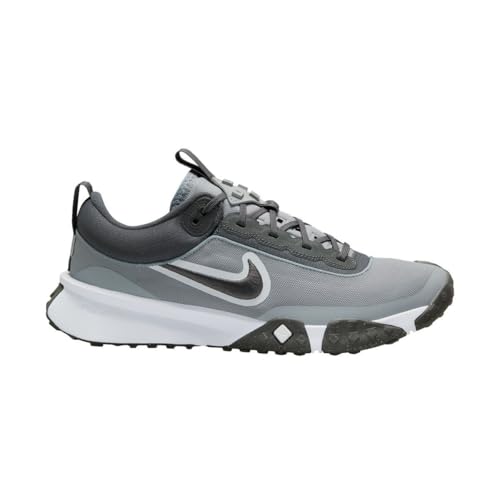
Why Coaches Should Not Wear Cleats
Metal or molded cleats are made for sprinting and sliding, not for standing and walking. On concrete and in a dugout they are uncomfortable and loud, and metal spikes can damage turf and dugout floors. Many leagues and artificial fields also ban them for anyone who is not playing. A coaching shoe gives you stability and cushioning with none of those problems.
Turf Trainers: The Coach Standard
Baseball turf trainers have a flat sole covered in small rubber nubs. They grip grass, dirt, and artificial turf well enough to pivot and push off, yet they feel like a normal athletic shoe on pavement. Most coaches settle on this type because it works at every stage of the day, from field prep to the post game talk.
Look for a cushioned midsole, since you may spend six or more hours standing. A moderate heel to toe drop, a supportive footbed, and a roomy toe box keep legs fresh. Some models add a toe cap for the drag and scuff that comes with throwing batting practice from a knee.
Running and Cross Training Shoes
A good cross trainer is a fair alternative for coaches who work mostly on dry, firm ground. It is light, breathable, and comfortable for walking, and it costs less than baseball specific models. The weakness is traction on wet grass or loose infield dirt, where a smooth sole can slip, so choose a model with a textured outsole.
Umpire and Field Shoes
Umpire style shoes are another option. They are built for hours of standing and crouching, with a protective toe area, a firm midsole, and a clean black look. Coaches who also stand at third base or throw from a bucket often like the extra stability. They tend to be heavier than trainers, so trade weight for support deliberately.
Features That Matter Most
- Cushioning: a thick midsole eases hours on hard ground.
- Outsole grip: small rubber lugs hold on dirt and artificial turf without digging in.
- Breathability: mesh panels keep feet cool on hot afternoons.
- Durability: reinforced toes and stitched overlays survive scuffing.
- Easy cleaning: a smooth upper wipes clear of infield dust quickly.
Weather and Surface Considerations
Early season practices are cold and wet, and a water resistant upper keeps socks dry on dewy grass. Mesh uppers are better for summer tournaments, when feet run hot. If your field has artificial turf, make sure the outsole has short rubber nubs, since long studs can catch and twist a knee. On gravel and concrete walkways, a thicker rubber outsole wears slower and protects the midsole.
Volunteer and youth coaches often forget that they will also carry buckets, ball bags, and bases across the field. A shoe with a stable heel and a firm midsole handles that load better than a soft fashion sneaker.
Fit and Sizing Advice
Try shoes in the afternoon, when feet are slightly swollen, and wear the socks you use on the field. You want a snug heel and midfoot, with about a thumb width of space in front of the longest toe. Walk, turn, and crouch before you decide, because a coach spends more time moving slowly than sprinting.
If you wear an orthotic insole or an ankle brace, bring them along. They change the internal volume of the shoe and may need half a size more room.
Budget and Value
Good coaching shoes cost about $60 to $120. Cheaper pairs often lose cushioning within a season, while premium pairs add lighter foam and more durable overlays that matter mostly for coaches who work every day. A mid priced turf trainer usually offers the best balance, and it can double as a practice shoe for playing catch with the team. Watch for end of season sales, since last year's colors are often discounted with no change in comfort.
Think about total cost over a season, too. If you coach several teams or run camps, a second pair that rotates with the first pays for itself in comfort and in longer life for both pairs.
Care and Replacement
Brush dirt from the outsole after each practice, air the shoes away from heat, and remove the insoles now and then to dry. Rotate two pairs if you coach most days, because foam recovers between wears. Replace the shoes when the cushioning feels flat, the nubs smooth out, or your feet and knees ache after practice.
Common Mistakes to Avoid
- Wearing cleats for coaching and paying for it in sore feet.
- Buying on style alone and ignoring cushioning.
- Choosing a smooth sole for a wet field.
- Skipping the try on with real socks and insoles.
Related Guides
For player footwear, see our guide to best baseball shoes. Coaches comparing options can also read best coaching shoes, best baseball turf shoes, and best shoes for baseball coaches.
Frequently Asked Questions
Can a coach wear regular sneakers on the field?
Yes, on dry ground. A running shoe with a textured sole works for light duty, but turf trainers grip dirt and wet grass better and handle scuffing from kneeling and pivoting.
Are turf shoes better than cleats for coaching?
For most coaches, yes. They are comfortable on concrete, safe on artificial turf, and quiet in the dugout, and they still grip grass well enough for field work.
How should coaching shoes fit?
Snug at the heel and midfoot, with a thumb width of room ahead of the longest toe. Try them with your usual socks late in the day and walk around before deciding.
How long do coaching shoes last?
A good pair lasts one to two seasons of daily use. Rotating two pairs and cleaning dirt off the outsole extends that life.
Do coaches need waterproof shoes?
Only if you coach in wet weather often. A water resistant upper helps on dewy mornings, but waterproof membranes can run warm in summer.
Final Thoughts
Choose a cushioned turf trainer with a grippy, flat sole, confirm the fit with your socks, and care for the shoes between practices. Follow these steps and the best baseball coaching shoes in the product table will keep you comfortable from the first pitch to the last out.


