
Best Barrel Charcoal Grill: Types and Buying Tips (2026)
Disclosure: We may earn a commission when you buy through links on this page, at no extra cost to you. As an Amazon Associate I earn from qualifying purchases. Learn more

Grate area, steel thickness and patio space decide the fit. Compare three barrel types to find the best barrel charcoal grill for your home.
Picture a Saturday cookout where the ribs need room to stretch out, the corn needs a cooler corner, and your patio still needs space for people to sit. That is exactly where a barrel shape earns its keep. Finding the best barrel charcoal grill for your home comes down to three things you can judge before you buy: the space you have, the number of people you feed, and the budget you can live with.
The long drum gives you a wide grate with a clear hot side and cool side, which suits family meals well. This guide walks through sizes, features, and running costs so you can match a barrel grill to your routine. Use the comparison table below to check cooking area and heat control at a glance.


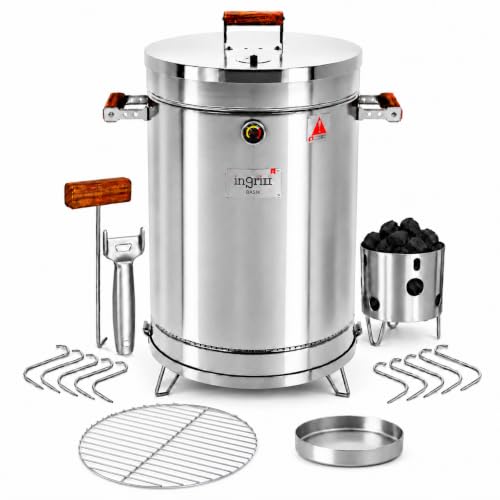


Quick Answer: Barrel Types That Fit Real Homes in 30 Seconds
Most homes do well with one of three barrel setups. A compact barrel suits a small patio and meals for two to four people. A standard barrel with a hinged lid and side shelf suits most families and weekend guests. A larger and heavier barrel suits big groups and long cooks. If you are still weighing barrel models against other styles, our guide to the best charcoal grill options covers the wider field.
Before You Buy: A Quick Checklist for Choosing a Charcoal Grill
Work through the points below in order. Space and routine come first, because a grill that fits your home and your week will get used far more than one bought for features alone.
Size: Match It to Your Space
Measure your patio or deck before you shop, and include the full length with side shelves raised, not just the drum. Leave clear space on every side for airflow and room to lift the lid. A compact barrel fits a balcony corner, while a standard barrel needs a proper patio spot and room for a cover. If floor space is truly tight, a best small charcoal grill may serve you better than forcing a wide barrel into a cramped corner.
Which Type Fits Your Routine
A barrel grill gives you an oblong grate that holds long ribs, whole fish, and rows of burgers with ease. A kettle grill takes less floor space and suits smaller meals. A kamado holds heat for a long time but costs more and weighs far more. A portable grill packs into a car but cooks little at once. If you travel often and cook mostly at parks or campsites, a best portable charcoal grill fits that life better than a barrel that stays home.
Features Worth Paying For and Ones to Skip
Pay for an adjustable charcoal tray, because raising and lowering the coals is the simplest way to control heat without moving food around. Working vents, a hinged lid, a pull out ash drawer, and a lid thermometer all earn their cost in daily use. A sturdy side shelf helps with trays from the kitchen. Skip a rotisserie kit you will rarely use, and lights or timers that add cost but do nothing for the food.
Fuel Type and Running Cost
Briquettes burn at a steady pace and suit most family meals, since the heat stays even for a full cook. Lump charcoal lights fast and runs hotter for searing steaks, but it burns down sooner. Your cost per cook depends on how much charcoal a wide barrel needs, so a compact model costs less to run each week. Store charcoal dry indoors, because damp fuel lights poorly and smokes.
Cooking Area and Heat Control
Judge a barrel by square inches of main grate, not by a gas style BTU rating, because charcoal heat depends on fuel amount and vent settings. Compact barrels offer about 250 to 350 square inches, standard models about 400 to 550 square inches, and large models 600 square inches or more. Plan on roughly 75 square inches per person. A raised rack adds room for buns and vegetables.
Build Materials and Rust Resistance
Thick steel holds heat better and resists warping when the tray runs hot, so check grill weight as a rough guide to metal thickness. A porcelain enamel coat slows rust and wipes clean with less effort. Cast iron grates hold sear marks well but need seasoning and dry storage. Painted thin steel costs less yet shows rust sooner at the legs and ash drawer.
Realistic Budget Ranges
Models under $100 are entry level barrels with thin steel and basic vents, fine for light seasonal use. The range of about $100 to $300 covers most standard family barrels with an adjustable tray and ash drawer. Spending about $300 to $500 buys thicker steel, better wheels, and stronger shelves. Models over $500 add heavy construction and larger grates. Match the tier to how often you grill.
Barrel Types Compared: Choosing by Home and Budget
Instead of chasing a single winner, match the barrel type to your household. The three types below cover nearly every home, and each one trades size, cost, and upkeep in a different way.
Compact Barrel for Small Patios and Couples
A compact barrel suits cooks feeding two to four people on a small patio or balcony. The grate still gives you a hot side and a cool side, so you can sear chops and then finish them gently. Low charcoal use keeps weekly costs down, and the short drum stores under a cover in a corner. The trade off is guest capacity, since a holiday crowd means cooking in batches.
Standard Barrel for Most Family Cookouts
A standard barrel is the sweet spot for a family of four to six plus the odd guest. Look for an adjustable charcoal tray, a hinged lid you can lift with one hand, and a side shelf for trays. The grate holds a full meal at once, so burgers, corn, and peppers finish together. If you plan to smoke ribs or a pork shoulder on weekends, a best charcoal grill with smoker setup shows how added smoking room changes the layout.
Heavier Barrel With Smoking Room for Larger Groups
A larger and heavier barrel suits homes that host eight or more people and enjoy long low cooks. The wide chamber holds heat steady, and split lids on some layouts let you check one side without losing heat on the other. Thick steel and large wheels help when you move it across a yard. Expect higher charcoal use and a higher price, so choose this type only when group size demands it.
Our Selection Process for Barrel Charcoal Grills
We judge barrel grills on cooking area, heat control, build quality, fuel use, assembly effort, and how easy the ash system is to clean. Our notes draw on maker specifications for grate size, tray design, and materials, plus patterns in verified buyer feedback about rust and daily handling. We favor models that real homes can store, move, and maintain without fuss, and we weigh total ownership cost alongside the purchase price.
What We Like and What We Do Not About Barrel Grills
The biggest strength of a barrel is grate layout. Long foods fit without bending or crowding, and the wide chamber makes two zone cooking simple to set up. Most barrels also cost less than a kamado of similar cooking area, and parts such as grates and trays are easy to find. Families who grill twice a week tend to value that mix of room and value.
The trade offs are real. A barrel takes more floor space than a kettle, and thin lids can leak heat and smoke around the edges, which makes long cooks less steady. Wide trays also use more charcoal than a small round grill for a tiny meal. If you want push button ease and no ash at all, comparing charcoal vs pellet grill models will show whether pellet convenience matters more to you than charcoal flavor.
Common Buying Mistakes to Avoid
- Buying a large barrel for a small patio, so the lid cannot open fully and guests must squeeze past a hot drum.
- Ignoring the ash system, so cleanup takes so long after each cook that the grill sits unused.
- Paying for a rotisserie and extra racks you never fit, while skipping the cover that protects the steel you did buy.
- Choosing by grate size alone, so a family that mostly cooks for two burns a full tray of charcoal for every small meal.
- Forgetting storage for charcoal and tools, so fuel ends up damp outdoors and lights badly all season.
Cost of Ownership and Care
Your ongoing costs are charcoal, a cover, replacement grates over time, and the odd handle or wheel. Buying briquettes in larger bags during sales lowers the cost per cook for a grill used weekly. Keep the receipt and warranty details in one place, because tray and grate coverage varies by maker and can save real money.
Care is simple but must be regular. Empty ash once it cools fully, brush the grate while warm, and wipe the drum so grease does not bake on. Oil cast iron grates lightly after cleaning to hold their seasoning. If lighting still feels slow or smoky, our guide on how to start a charcoal grill walks through chimney lighting step by step. Store the grill covered and, if you can, under a roof edge.
Your Questions, Answered
What is the most reliable charcoal grill brand?
Reliability in a barrel grill comes more from support than from a logo. Look for a maker that sells replacement grates, trays, and handles for current models, and that states warranty terms in plain language. A brand with a working parts list will serve you longer than a famous name with no spares. Register the warranty when the grill arrives.
How do you clean a barrel charcoal grill?
Start the next day, when ash is fully cold. Pull the ash drawer and place ash in a metal bin, since stray embers can linger in a wide tray. Scrub the grate with a brush, wash it with warm soapy water if grease has built up, and dry it fully before the cover goes back on. Once a season, check tray rails and vent edges for rust.
Is a charcoal grill worth the extra time compared with gas?
For many homes, yes, because the flavor and the lower purchase price repay the lighting time. A chimney gets coals ready while you prep food indoors, so the wait rarely delays dinner. Gas still wins for a ten minute weeknight cook with no cleanup after. If your schedule leans to quick meals most nights, be honest about that before choosing charcoal as your only grill.
How long does a barrel charcoal grill last?
A thin entry level barrel may serve about three to five seasons, while a thicker steel model kept covered can serve far longer. The firebox area usually decides the lifespan, since heat and ash wear that zone first. Replacing a worn grate or tray can add seasons at modest cost. When the drum rusts through near the legs, replacement is safer than repair.
Are barrel charcoal grills worth it?
They are worth it when you cook long or wide foods often and want a clear hot zone and cool zone on one grate. Ribs, sausage links, and whole fish fit the shape in a way a round grate cannot match. They are less worth it for a solo cook grilling two burgers, since a wide tray still needs a full load of charcoal.
What is the best barrel charcoal grill for a family patio?
For a family patio, choose a standard size barrel with an adjustable tray, a hinged lid, and an ash drawer you can pull out without tilting the grill. That mix handles weeknight dinners and weekend guests without taking over the whole patio. Measure your space first, then pick the largest grate that still leaves room to walk around the grill safely while it is hot.
Final Thoughts
Start with your space and your head count, then let features and budget fall into place. A compact barrel keeps small homes grilling often, a standard barrel covers most family cookouts, and a heavier barrel earns its footprint when big groups are routine. Compare your shortlist against the product table above, and you will land on the best barrel charcoal grill for the way your home actually cooks. Prices and availability can change, so check the product page before ordering.


