
Best Built Gas Grills 2026: Types Compared and How to Choose
Disclosure: We may earn a commission when you buy through links on this page, at no extra cost to you. As an Amazon Associate I earn from qualifying purchases. Learn more

Compare the best built gas grills by type, burner metal, grate material and warranty length, with clear safety checks and honest price guidance.
Gas grills look alike on a store floor: a box, a lid and a row of knobs. The differences that decide your next decade of cooking hide in burner metal, firebox thickness and the way the lid is hung, and they explain why one grill still cooks evenly after ten seasons while another rusts through in three. Shoppers comparing the best built gas grills are really comparing build classes, and the type of gas grill you choose sets most of that build before any badge on the lid enters the picture.
This guide compares the gas types against their closest neighbors first, then works through size, parts and warranty so you can see where the money goes. The comparison table below puts the types side by side, and the sections after it explain which details deserve a higher price.


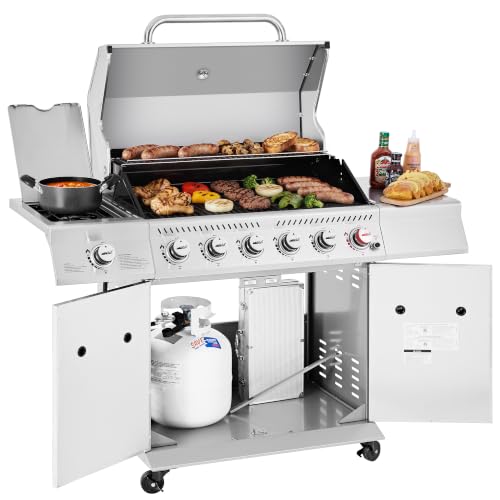
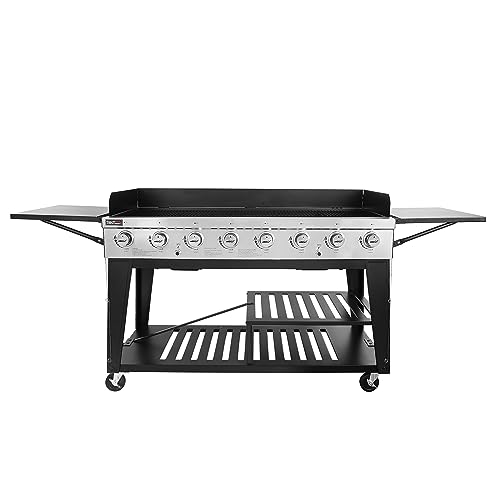

How Built Gas Grills Compare to Other Options
A built gas grill in this guide means a full size grill meant to stay in one place and cook for years, not a disposable seasonal special. Set against its neighbors, its strengths and limits look like this:
| Type | Best For | Pros | Cons | Typical Price |
|---|---|---|---|---|
| Built gas grill | Weekly family cooking | Fast starts, steady heat control, wide range of build quality | Needs a gas supply and seasonal leak checks | about $300 to $2,500 |
| Charcoal grill | Smoke flavor and high sear heat | Low purchase price, very high heat | Slower starts, ash cleanup after every cook | about $100 to $700 |
| Portable grill | Camping, tailgates, tiny patios | Small, light, stores anywhere | Small cooking area, thinner metal, small tanks | about $80 to $350 |
| Vertical smoker | Long low and slow sessions | Deep smoke flavor, small footprint | Slow, narrow temperature range for grilling | about $200 to $900 |
Built Gas Grills vs Charcoal Grills
Charcoal is the flavor benchmark and the patience test. A charcoal grill costs less, sears hotter and adds real smoke, and it asks for lighting time, ash removal and closer attention to vents. A built gas grill starts with a knob, holds a steady temperature for hours and cleans up in minutes, which is why it wins weeknights. Choose charcoal if smoke and ritual are the point of cooking outside; choose gas if the grill must be ready when the family is hungry, and know that many households end up owning one of each, using the gas grill weekly and the charcoal grill when time allows.
Built Gas Grills vs Portable Grills
Portable grills trade build for mobility. Their metal is thinner, their cooking area fits a few burgers, and many run on small disposable canisters, all of which is fine for a campsite or a tailgate. A built gas grill is the opposite trade: heavy, stationary and sized for real meals, with burners and grates that can be replaced as they wear. Shoppers short on space should read our guide to best compact gas grills before assuming small means portable, because compact cart classes keep full size burners in a smaller footprint.
Built Gas Grills vs Vertical Smokers
A vertical smoker is a specialist for long, slow cooking at low temperatures, with stacked racks and a small footprint. It will not sear a steak or cook a fast weeknight dinner, and a gas grill will not match its depth of smoke without help. If low and slow is an occasional project, a smoker box or a pellet tube on a gas grill is an honest compromise. If barbecue is your main hobby, the smoker becomes the primary appliance and the gas grill the backup for everything else.
Who Should Choose Built Gas Grills?
Built gas suits cooks who grill more than they smoke: weeknight dinners, family weekends and anyone who values a grill that is ready in ten minutes and predictable every time. It also suits shared family cooking, because a knob is easier to hand over than a charcoal fire.
Choose another class if smoke flavor is non negotiable, if your rules ban gas on your patio, or if your budget sits at the very bottom of the market, where a simple charcoal kettle is honestly better built than a cheap gas box. Budget shoppers should weigh the field in our guide to best inexpensive gas grills with the build checks below in hand, and anyone furnishing a full outdoor kitchen can compare the wider range in our guide to best outdoor gas grills.
How to Choose the Right Built Gas Grill
Work through size, steel and fuel in that order, because each step cuts the field before the next one starts.
Size First: Burner Count and Cooking Area
Two burners over about 300 to 450 square inches suit couples and small families, three to four burners over about 450 to 650 square inches cover most households with guests, and five or more burners only pay off for regular crowds. Count zones, not just burners: two zones are the minimum for cooking a thick steak and delicate vegetables at once. A side burner is a bonus for sauces, not cooking area, so never let it inflate the size you think you are buying. Measure the patio, the storage corner and any doorway before the grate, because a grill that cannot reach its spot is the wrong size at any price.
Build Quality and Materials: Burner Metal Decides
The burner is the part that decides how long a gas grill lives, and its metal is the best single clue. Stainless steel tube burners are the common middle class: light, replaceable and good for years with cleaning. Cast iron burners are heavier and hold heat well but rust when neglected, while cast brass burners sit at the durable end of the market and usually appear in higher priced builds. Around the burner, look for a firebox of porcelain enamel steel or stainless with a double wall lid, grates of cast iron or thick stainless rod rather than thin coated wire, and a cart frame that does not rack when you push it.
Fuel Within Gas: Propane or Natural Gas
Most buyers start with propane, and our guide to best lp gas grills explains tank sizing and exchange. A plumbed natural gas line never runs out mid cook and costs less per session, but it fixes the grill in one spot and needs professional line work. The two fuels are not interchangeable: orifices and pressures differ, so a conversion only happens with the maker conversion kit for that exact class of grill, fitted properly. Decide this before shopping, because it quietly removes half the shelf from your list.
Grease Management and Cleanup
Grease is the main mess on a gas grill, and good design routes it to a tray or cup you can reach from the front without moving the grill. Avoid builds where grease pools on a flat floor near the burners, because pooled grease is what feeds flare ups. A removable tray with disposable liners turns a messy job into a two minute one. Gas grills make little ash, but dust, leaves and spider webs collect in the firebox and burner tubes, so a cold vacuum and a tube check each season belong in the routine.
Assembly and Warranty
Assembly separates the classes as clearly as steel does. Budget builds arrive flat packed and can take an afternoon with a helper, while higher priced classes arrive partly assembled with the heavy firebox already built. Warranty tells the same story in numbers: compare the separate lengths for burners, grates, firebox and frame instead of the headline figure, because the shortest one is the honest signal. If your current grill can finish the season, our guide to best time to buy gas grills explains when prices usually soften during the year.
Temperature Control and Smart Features
Real control on a gas grill is one knob per burner plus a lid that seals well enough to hold indirect heat. A lid thermometer reads the air at the lid, which is useful for trends and useless for doneness, so a probe thermometer is the upgrade that changes results. Shoppers often compare BTU per square inch as a rough guide, but burner design and grate metal move the food more than the raw figure. WiFi alerts and lighted knobs are pleasant extras; spend on them only after the burner and firebox classes satisfy you.
Safety Rules for Every Gas Grill Session
A gas grill is an outdoor appliance only. Never use one in a garage, tent or enclosed porch, and keep clear space on all sides, about three feet from siding, fences and overhangs as a working minimum, with the manual governing where it says otherwise. Set the grill on a level, stable surface away from dry leaves and deck railings, and keep children and pets out of the cooking zone.
Leak checks are the gas grill habit that matters most. Brush soapy water over the hose, regulator and connections at the start of the season and after every tank change; growing bubbles mean escaping gas, so close the tank valve, do not light the grill, and repair or replace the fitting first. Replace any hose that is cracked or stiff. If a grease fire starts, never use water on it: close the lid to cut off air when safe, turn burners off if you can reach the knobs without reaching over flames, and let an extinguisher or the fire service handle anything that spreads.
Doneness is a temperature, not a color, and juices are not a test. Use a thermometer and follow the official guidance figures, chicken at 165 degrees Fahrenheit and ground beef at 160 degrees Fahrenheit, confirming the current figures before you cook. If you also keep a charcoal grill or smoker, treat its ash with the same patience: at least 48 hours of cooling, then a lidded metal container stored away from the house.
Care and Maintenance Tips
Preheat for 10 to 15 minutes and brush the grates while they are warm, then empty the grease tray before it fills rather than after it overflows. Give cast iron grates a light coat of oil after cleaning, check burner tubes for spider webs and blocked ports each season, and keep the grill covered between cooks. Close the tank valve after cooking, store spare tanks upright outdoors, and never store a tank in a garage or shed. This modest routine is what separates a grill that ages well from one that rusts early.
Built Gas Grills: Your Questions Answered
Can I use a built gas grill on a balcony?
In many buildings, no. Leases, building rules and local fire codes commonly ban gas grills on balconies or require a set distance from walls and railings, and a full size built grill rarely fits those limits or the space itself. Check the written rules before buying, because the answer is legal rather than technical. Where gas is banned, a compact electric class is usually the permitted route, and where gas is allowed, the clearance rules still apply in full.
How often should I clean my built gas grill?
Brush the grates after each cook and empty the grease tray every few cooks, then deep clean once or twice a season. The deep clean adds what daily care misses: scraping carbon from inside the lid, washing the heat plates, and checking every burner port for blockages. Heavy users should add a mid season grease path check, because built up grease, not age, is the usual cause of flare ups and uneven flames.
What type of built gas grill gives the best flavor?
Gas burns clean, so its flavor comes from searing, marinades and the juices hitting hot metal rather than from the fuel. For smoke notes, a smoker box or tube filled with wood chips placed over a burner adds genuine smoke flavor without a second appliance. Charcoal still wins for deep smoke, which is a fuel fact and not a build flaw. Within gas, cast iron grates add stronger sear marks and crust than thin coated grates.
How big of a built gas grill do I need?
Most households are covered by three or four burners over about 450 to 650 square inches, which gives two heat zones and room for guests. Buy for the weekly cook, not the annual party, and borrow or add a portable grill for the rare crowd. Also check the height with the lid open under any shelf or cover, a detail buyers miss until the grill is home. A grill that fits the patio and the routine gets used, and use is the point.
Is a pellet grill worth it?
A pellet grill is worth it as a second appliance if low and slow cooking is a real hobby, because it holds low temperatures for hours with little attention. It is harder to justify as your only grill if most meals are fast and hot, since pellet classes sear less strongly and need power plus a steady pellet supply. Many owners keep the gas grill for weeknights and the pellet grill for weekends, which is a sensible split rather than a compromise.
Final Thoughts
Choose the type first, then judge the individual grill by burner metal, firebox build and warranty split, and only then by size and extras. The product table above gathers the classes in one view, so you can check your shortlist against your patio and budget before visiting a store. Follow that order and the best built gas grills become easy to spot: honest steel, replaceable parts and a maker willing to warrant the burner for years. Add the leak check habit and a thermometer, and the grill you buy this season should still be earning its space many seasons from now.


