Best Portable Charcoal Grill: A Complete Buying Guide
Disclosure: We may earn a commission when you buy through links on this page, at no extra cost to you. As an Amazon Associate I earn from qualifying purchases. Learn more

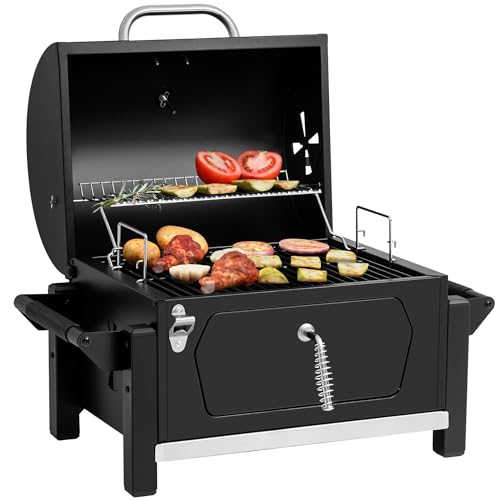
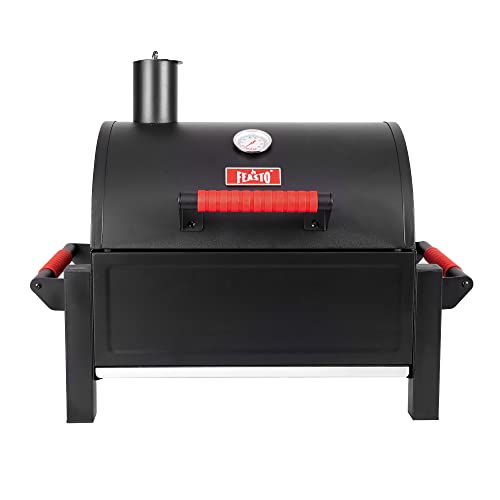
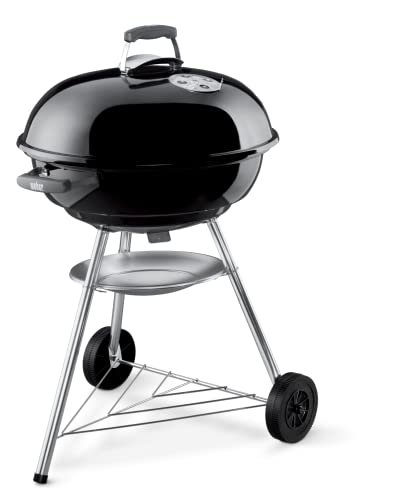
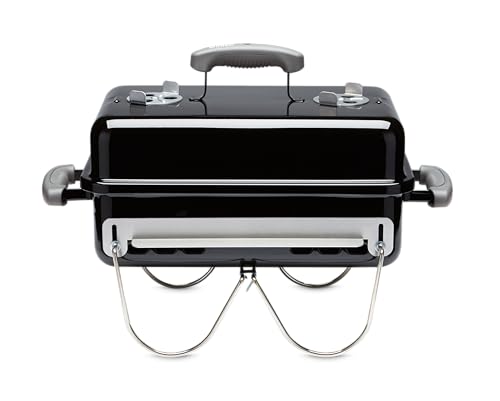
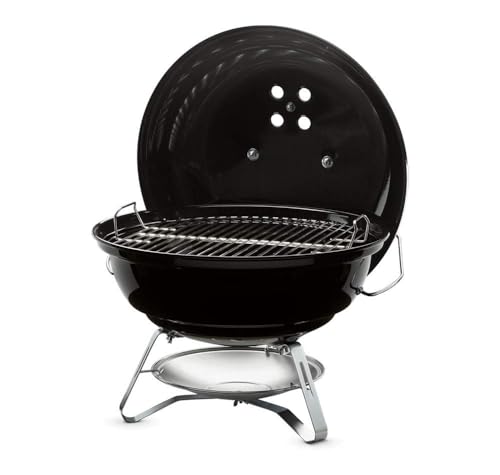
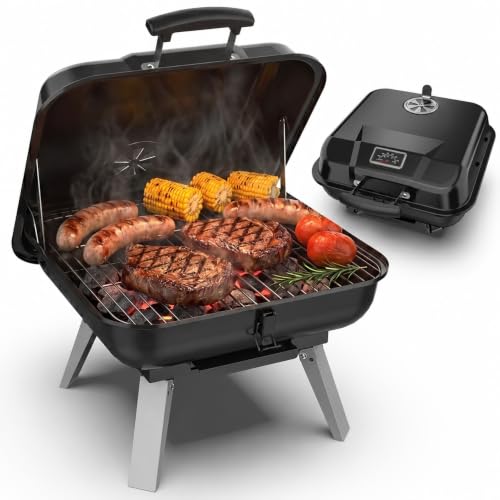
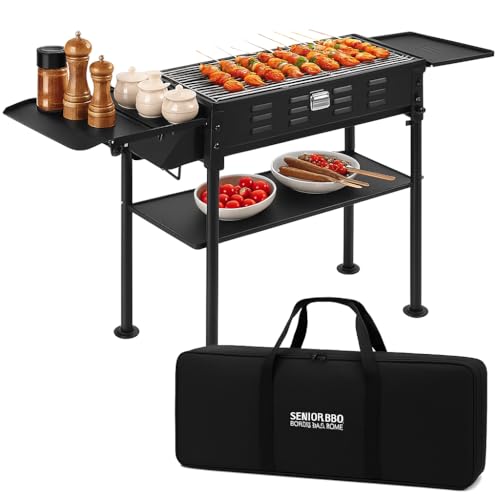
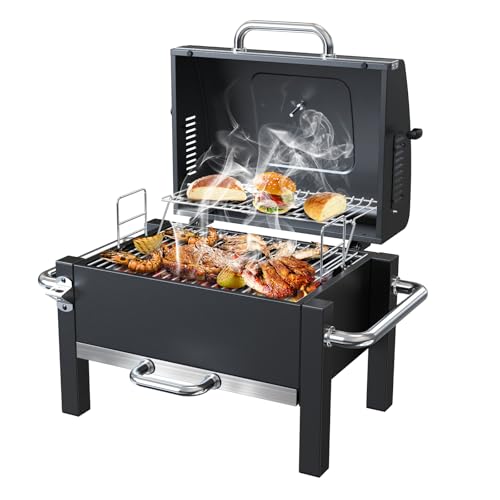
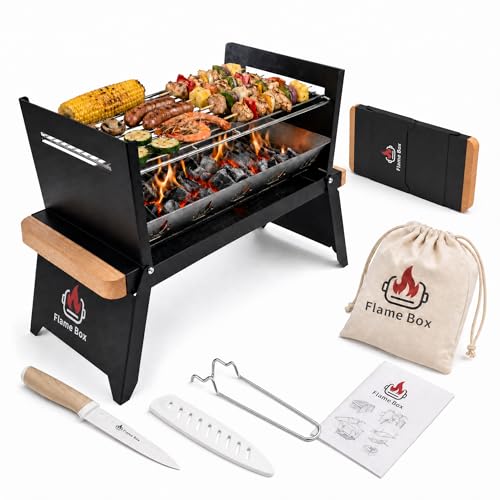
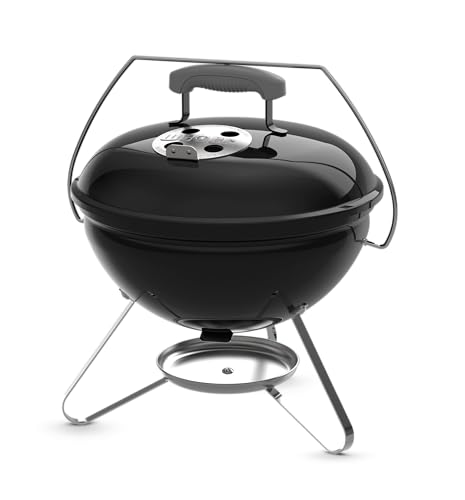
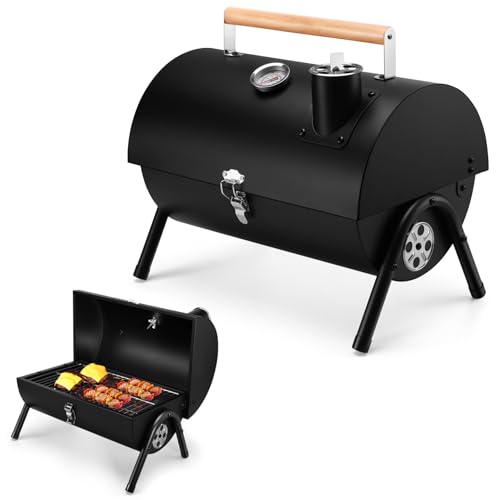

What Actually Makes a Charcoal Grill Portable
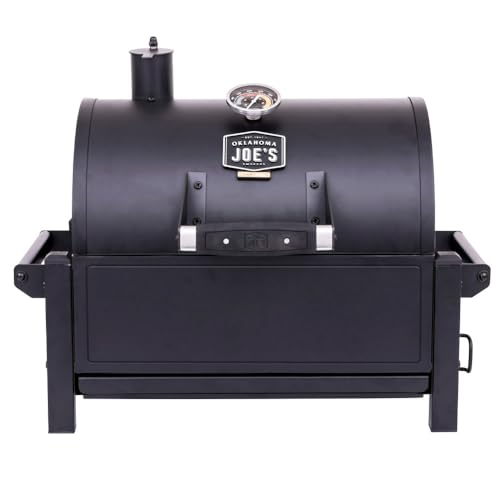
Plenty of grills get labeled "portable" simply because they have handles. A genuinely travel-ready portable charcoal grill needs to survive being loaded into a trunk, carried across a campsite, and set up on uneven ground without falling apart. Weight is the first filter: anything under 25 pounds can be carried one-handed for short distances, while heavier tabletop models are better suited to a single tailgate spot than a hike to a campsite.
Look closely at how the lid closes and locks. Grills built for travel usually include a latch or clip that seals the lid to the base, so ash and grease stay contained during transport instead of coating the inside of a car. Folding legs, a built-in carry handle, and a base that doubles as a lid holder all matter more than cooking surface size once portability becomes the priority.
Material also affects how well a grill holds up to repeated packing and unpacking. Enamel-coated steel resists rust better than bare steel, and cast iron grates hold heat longer but add noticeable weight. A quick gut check: if a grill feels flimsy sitting still in a showroom, it will feel worse after a few trips in the back of a truck.
Airflow, Ash, and Temperature Control On the Go
Vents are the real control panel of any charcoal grill, and they matter even more when the grill is small enough to react quickly to airflow changes. Bottom and top vents work together: opening both feeds the fire oxygen and raises heat, while closing them down starves the coals and cools things off. On compact grills, this happens faster than on a full-size backyard model, so small adjustments go a long way.
Keep both vents wide open while lighting charcoal and during the first fifteen to twenty minutes, until the coals turn mostly gray and ash-covered. That window is what actually builds a solid bed of heat, not just a quick flame. Slamming vents shut too early is one of the most common reasons a portable grill never gets hot enough to sear properly.
An ash catcher or removable ash pan makes cleanup dramatically easier, especially at a campsite where there is no hose or trash service nearby. Let ash cool completely, ideally overnight, before dumping it into a metal container away from anything flammable. Foil-wrapped ash can go in a regular trash bag once it is fully cold, but warm coals have hidden embers more often than people expect.
Sizing a Portable Grill to Your Group
Cooking surface on portable models typically runs from around 150 to 300 square inches, which sounds small until it is compared to how these grills actually get used. A compact grill in the 150 to 200 square inch range comfortably handles two to three people cooking burgers or a few skewers at once. That is plenty for a solo camping trip or a quick lunch stop.
Once a group grows past four or five people, stepping up to a grill closer to 250 to 300 square inches avoids the frustrating cycle of cooking in small batches while everyone else waits. The tradeoff is weight and folded size, since larger cooking grates need a sturdier frame underneath them. Matching the grill to the group it will realistically feed, rather than buying the biggest model available, keeps both setup and packing manageable.
Charcoal Choices for Travel Cooking
Briquettes and lump charcoal behave differently, and that difference matters more in a small firebox with less room to compensate. Briquettes burn at a steady, predictable temperature and hold heat evenly, which makes them forgiving for anyone still learning how a specific grill responds to its vents. Lump charcoal lights faster and burns hotter, but it burns more unevenly, which can be tricky in a compact firebox with limited coal capacity.
For most portable cooking, filling the charcoal basin about two-thirds full is enough for a standard session of direct grilling. Overfilling a small grill wastes fuel and can push flames higher than the cooking grate can safely handle. Packing a chimney starter alongside the grill, rather than lighter fluid, also keeps food from picking up a chemical aftertaste, which is especially noticeable on a small cooking surface close to the fuel.
Where These Grills Really Earn Their Keep
Tailgating is the obvious use case, but the same qualities that work in a stadium parking lot apply almost anywhere space and setup time are limited. A folding portable charcoal grill that locks shut travels well strapped into a truck bed or wedged into a packed trunk without spilling ash everywhere. Beach trips and boat outings favor the lightest, most compact models, since every extra pound gets carried by hand across sand or a dock.
Backyard use matters too, even for people who already own a full-size grill. A small charcoal grill is often faster to fire up for two burgers on a weeknight than lighting a large kettle grill built for feeding a crowd. Campsite cooking adds one more wrinkle: check whether a site allows open charcoal fires at all, since some parks restrict anything other than contained propane appliances during dry seasons.
Common Slip-Ups That Ruin a Portable Cookout
- Packing the grill while ash is still warm, which can scorch a trunk liner or storage bag.
- Skipping a windscreen or sheltered spot, which lets outdoor gusts fight against vent control.
- Using lighter fluid in a tight space, which leaves food tasting like chemicals on a small grate.
- Closing vents too soon after lighting, which stalls coals before they fully ash over.
- Forgetting a heat-safe surface to set the grill on, since folding legs can scorch grass, decking, or a tablecloth.
Most of these mistakes trace back to treating a compact grill like a smaller version of a backyard kettle rather than its own tool with its own quirks. Slower, smaller adjustments to airflow and a little patience during preheat solve the majority of problems before they start.
Frequently Asked Questions
How long does a portable charcoal grill take to heat up?
Most reach cooking temperature in about 15 to 20 minutes once coals are lit and covered in gray ash. Smaller fireboxes with less charcoal often heat slightly faster than larger portable models.
Can a portable charcoal grill be used on a wooden deck?
It can, but only with a heat-resistant mat or pad underneath, since dripping grease and radiant heat can scorch or discolor wood over repeated use.
How much charcoal should go in a small grill?
Filling the basin roughly two-thirds full covers most direct grilling sessions. Overloading a compact firebox wastes fuel without adding usable cooking heat.
Is lump charcoal or briquette charcoal better for travel grilling?
Briquettes burn more evenly and predictably, which suits smaller fireboxes well. Lump charcoal lights faster and burns hotter but needs closer attention.
Are portable charcoal grills allowed at campsites?
It depends on the location and season. Many parks restrict open charcoal fires during dry conditions, so checking site rules ahead of a trip avoids an unusable grill on arrival.
How do you clean ash out of a portable grill?
Let ash cool completely, ideally overnight, then empty it into a metal container away from anything flammable. A removable ash pan speeds this up considerably compared to scraping out a fixed firebox.
What size portable charcoal grill is best for two people?
A cooking surface between 150 and 200 square inches is usually enough for two to three people without needing to cook food in multiple batches.
Packing Up: What to Remember Before You Buy
A good portable charcoal grill comes down to a short list of priorities: manageable weight, a lid that locks for transport, vents that respond quickly, and a cooking surface sized to the group it usually feeds. Everything else, from finish color to extra accessory hooks, is secondary to those basics holding up trip after trip.
Anyone weighing charcoal against other fuel types should also look at how a gas and charcoal combo grill compares for backyard flexibility, or check a reliable meat thermometer to take the guesswork out of cooking on a smaller grate. A breathable grill cover also helps protect a portable unit between trips, since these grills often sit in a garage or shed rather than a dedicated outdoor kitchen.