
Best Barefoot Workout Shoes 2026: Gym Fit Guide
Disclosure: We may earn a commission when you buy through links on this page, at no extra cost to you. As an Amazon Associate I earn from qualifying purchases. Learn more

The best barefoot workout shoes offer ground feel and toe room for gym circuits and training. Learn what to check before you buy.
Barefoot style training promises stronger feet and more natural movement, but it needs a careful start. best barefoot workout shoes explains zero drop soles, wide toe boxes, and thin cushioning, and the comparison table below sets out shoe types so you can transition without injury.
These shoes do not cushion like traditional trainers. They let feet feel the ground, spread toes, and work muscles that cushioned shoes rest. That freedom benefits many lifters and movers, but it also demands patience, since feet and calves need weeks to adapt to new loads.
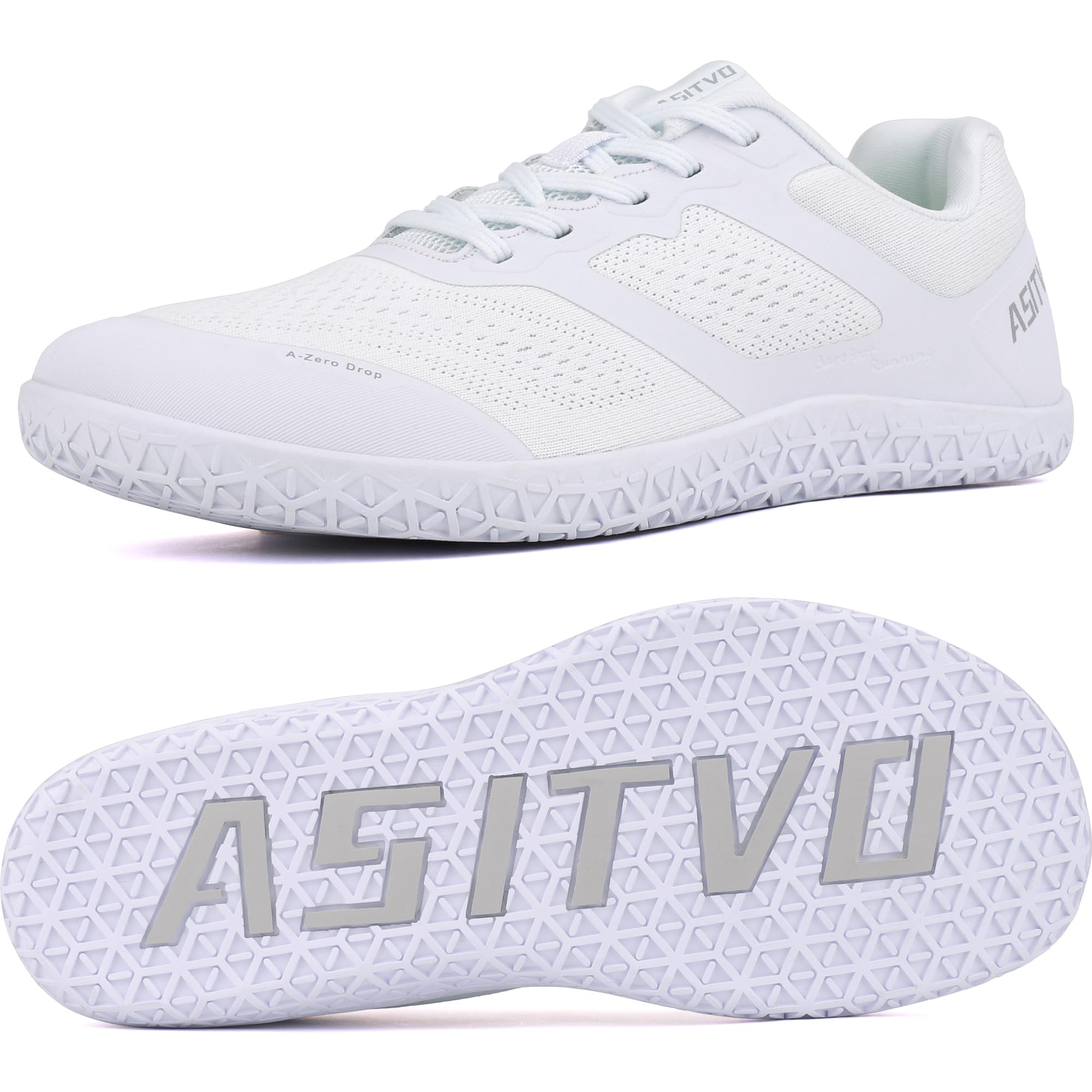

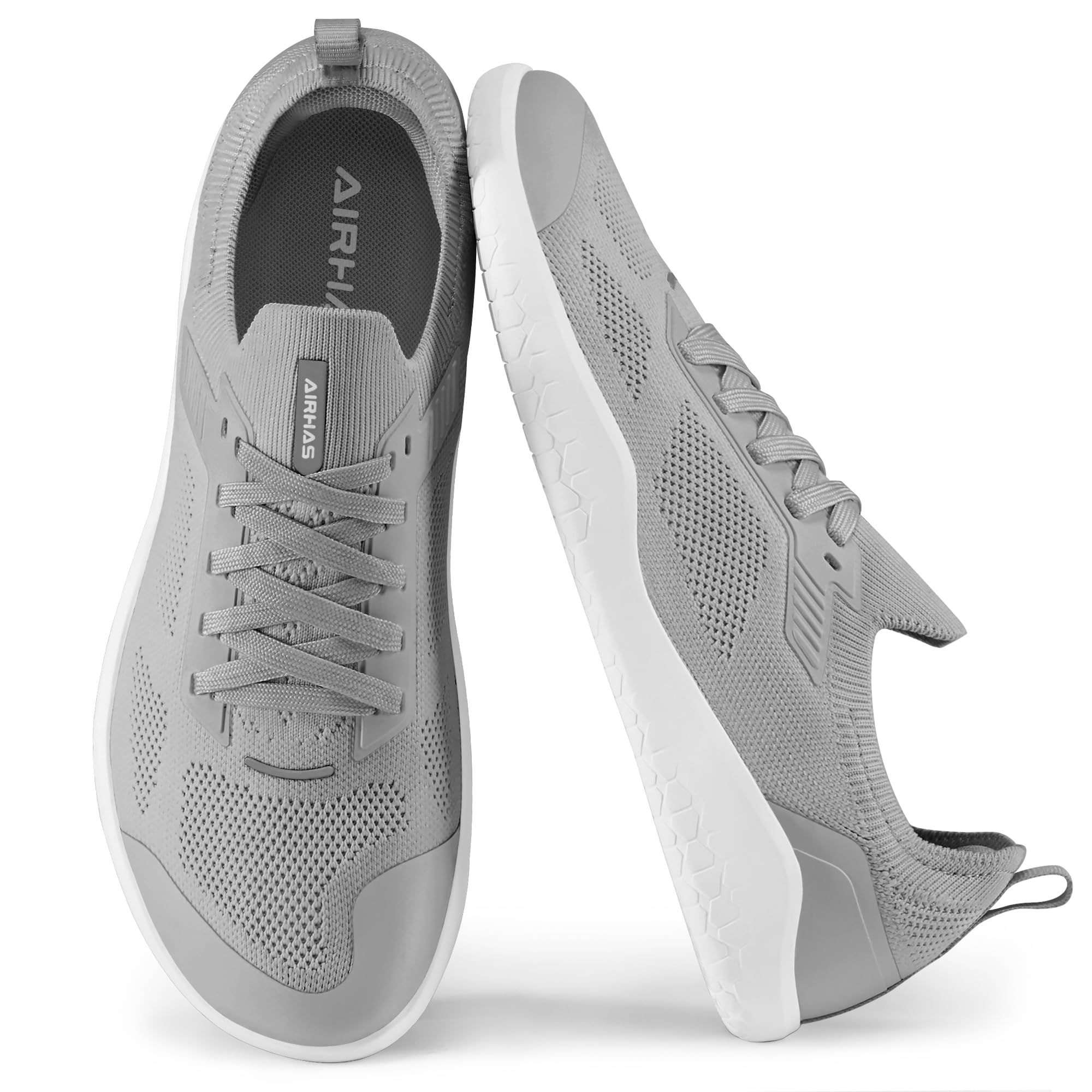


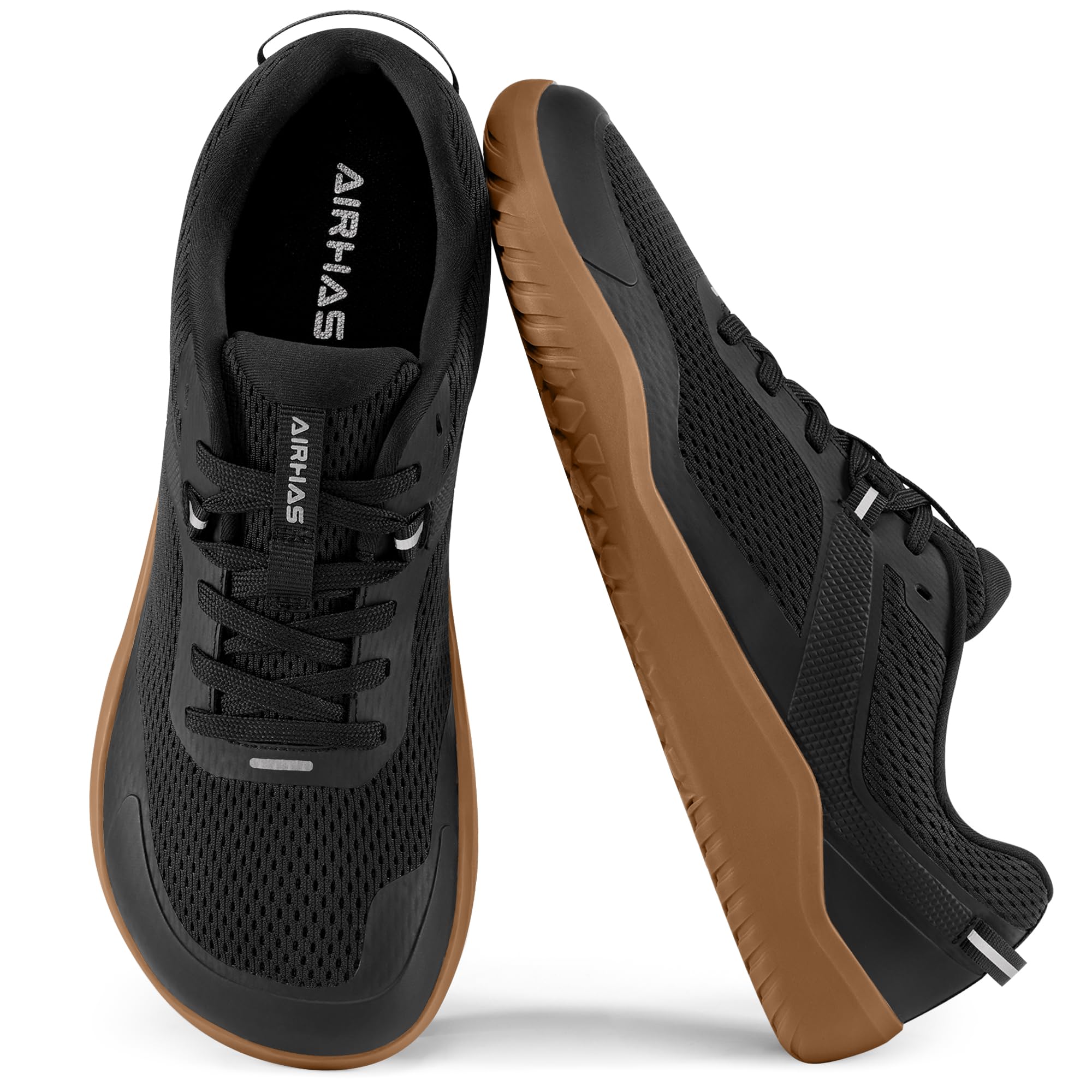
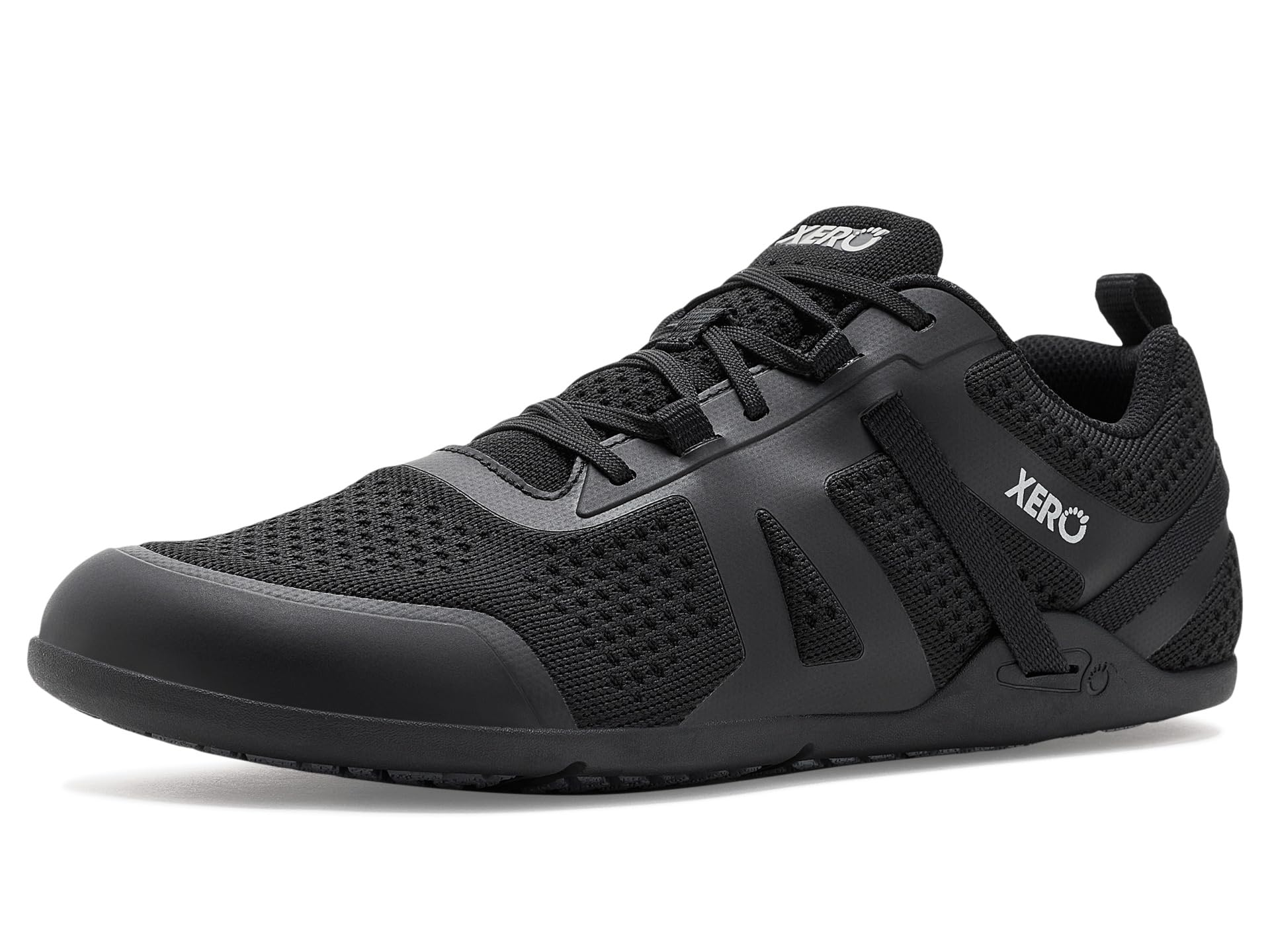


Who Should Try Barefoot Workout Shoes
Barefoot workout shoes suit lifters who want stable ground contact for squats and deadlifts, movers who value balance and foot strength, and people with healthy feet seeking more natural movement. They also suit gym goers who dislike thick, unstable soles under heavy weights, since thin soles keep the foot close to the floor.
They are less suited to runners with no transition plan, people with serious foot conditions, or anyone expecting instant comfort. Transition takes time, and jumping into long runs or heavy sessions in minimal shoes risks calf strain and foot soreness. Talk with your clinician if you have foot pain, diabetes related foot issues, or a history of stress fractures before switching.
- Lifters seeking stable, close to floor contact
- Movers building balance and foot strength
- Gym goers tired of thick, wobbly trainer soles
Key Features That Define Barefoot Shoes
Zero Drop and Thin Soles
Zero drop means heel and forefoot sit at the same height, unlike traditional trainers with raised heels. That flat profile encourages a midfoot strike and a more upright posture, but it also loads calves and Achilles tendons more than raised heels do. Transition slowly, starting with short sessions and low weights, and increase volume only as comfort allows.
Thin soles give ground feel and stability, but they offer little protection from sharp objects or hard impacts. Check sole thickness and grip for your gym floor, since smooth soles slip on polished surfaces. A sole around a few millimetres suits lifting and general training, while thicker minimal soles suit mixed outdoor use.
Wide Toe Box and Flexible Upper
A wide toe box lets toes spread naturally, which improves balance and reduces crowding during lifts and lunges. Shoes that taper sharply at the toes defeat the purpose of barefoot design, even if they claim a minimal label. Check that your toes can spread and wiggle inside the shoe without pressing the sides.
Flexibility matters because a stiff shoe restricts natural foot motion. A good barefoot shoe bends easily at the forefoot and twists with little resistance, while still protecting the sole. Uppers should hold the midfoot securely without squeezing, since a loose shoe slips during lateral moves and a tight shoe restricts circulation.
Transition, Strength, and Warning Signs
Transition over weeks, not days. Start with short gym sessions, walking, and light lifts, and keep traditional shoes for long runs or heavy days during the change. Add foot exercises such as toe spreads, calf raises, and balance work to build strength gradually, and rest if soreness lasts beyond normal muscle fatigue.
Warning signs that need attention include sharp foot pain, swelling, persistent Achilles pain, or numbness. Those signs mean you should stop, rest, and talk with your clinician, especially if pain does not ease within a few days. Barefoot training should feel like gradual strengthening, not like pushing through sharp pain.
Types Compared
Barefoot workout shoes range from ultra minimal to lightly cushioned minimal styles, and each suits a different transition stage. The table below compares them for gym training.
| Type | Suits | Watch Out For |
| Ultra minimal | Experienced users, lifting | Little protection, slow transition |
| Lightly cushioned minimal | Beginners transitioning | Less ground feel |
| Minimal cross trainer | Classes, mixed workouts | Heavier, less flexible |
Ultra minimal shoes give maximum ground feel for experienced minimal users, lightly cushioned minimal shoes ease the transition for beginners, and minimal cross trainers add lateral support for classes and mixed workouts. Choose by experience and workout type, not by minimal claims alone.
Getting Fit and Transition Right
Fit should allow toe spread with a secure midfoot, and sizing often differs from traditional trainers, so measure feet and check maker size guidance. Try shoes with the socks you train in, and test squats, lunges, and balance moves, since walking alone hides fit issues that lifting reveals. A shoe that pinches toes during a squat will cause problems quickly.
Plan transition in stages: short sessions first, then longer sessions, then heavier loads. Keep a training log of soreness and comfort, and step back a stage if pain appears. Patience here protects feet far more than any shoe feature, and most successful transitions take a month or more of gradual change.
Care and Common Mistakes
Barefoot shoes need little care beyond airing after sessions and washing as the maker suggests. Thin soles wear faster on rough outdoor surfaces, so reserve gym shoes for gym floors and use separate shoes for trail running. Check sole wear regularly, since worn grip on polished floors becomes a slip risk.
The biggest mistake is switching fully overnight, which overloads calves and feet that have relied on cushioning for years. Another mistake is choosing fashion minimal shoes with narrow toe boxes, which look barefoot but restrict toes. Judge by toe room, flexibility, and drop, not by marketing labels.
Related Guides
For related choices, see best workout shoes, best workout shoes for men, best barefoot shoes and best barefoot shoes women's.
Frequently Asked Questions
Are barefoot shoes safe for lifting weights?
For many lifters, yes, because thin flat soles give stable ground contact and reduce the wobble that thick cushioned trainers cause under heavy loads. Start with moderate weights while feet adapt, and use proper lifting form, since shoes alone do not prevent injury. If you have foot pain or a medical foot condition, talk with your clinician before switching.
How long does it take to transition to barefoot shoes?
Most people need several weeks of gradual use, starting with short sessions and building volume as calves and feet strengthen. Soreness in calves is common early on, but sharp pain, swelling, or persistent Achilles pain are warning signs to rest and seek advice. Rushing the transition is the most common cause of barefoot training injuries.
Can I run in barefoot workout shoes?
You can run short distances once adapted, but workout shoes are tuned for gym floors and lifting rather than road running, so they may lack the grip and durability for long runs. Build running distance slowly in minimal shoes, and consider road specific minimal shoes for regular running. Keep traditional shoes for long runs during transition.
Do barefoot shoes help flat feet?
They may help some people build foot strength and awareness, but they are not a treatment for flat feet or foot pain, and results vary widely. People with flat feet should start slowly and watch for pain or fatigue, and talk with a clinician or podiatrist if discomfort persists. Supportive insoles and barefoot training suit different needs, so personal advice matters.
What socks work best with barefoot shoes?
Thin, breathable socks that let toes spread work best, and toe socks suit some users by separating toes fully. Avoid thick cushioned socks that fill the toe box and defeat the wide fit. Try shoes with your training socks, since sock thickness changes fit noticeably in minimal shoes. Try shoes with your training socks, since sock thickness changes fit noticeably in minimal shoes with wide toe boxes.
Can I wear barefoot shoes all day?
You can build up to all day wear once feet adapt, but start with short periods and increase gradually, since full days in minimal shoes load feet and calves heavily at first. Comfortable all day wear is a sign of successful transition, not a starting point. Rest if soreness persists, and talk with your clinician about ongoing pain.
Final Thoughts
Barefoot training rewards patience, foot strength work, and honest attention to warning signs. Compare the product table above against your experience level and workout type, and transition in stages rather than all at once.
Choose shoes by toe room, flexibility, and flat profile, not by looks alone. Careful best barefoot workout shoes research, plus a slow transition, usually ends with stronger feet and more stable lifts. If pain persists, talk with your clinician before continuing.


