Best Barefoot Shoes 2026: Complete Beginner Guide
Disclosure: We may earn a commission when you buy through links on this page, at no extra cost to you. As an Amazon Associate I earn from qualifying purchases. Learn more

Learn how wide toe boxes, thin soles and flexible uppers define the best barefoot shoes, and how to choose a pair for daily use.
The best barefoot shoes have a wide toe box, a thin flexible sole and no heel lift, so your feet can spread, bend and feel the ground. They suit walking, light running, gym sessions, smooth trail hikes and everyday wear, and they feel very different from the narrow, cushioned shoes most people grow up in.
This guide explains what separates a true barefoot shoe from a thin looking one, how to compare the options in the product table and how to switch without sore feet.


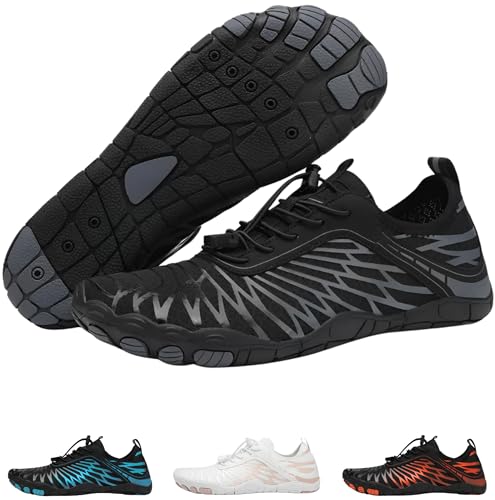


What Makes a Shoe Barefoot
Three traits define the category. The toe box is shaped like a foot, widest at the toes, so they can spread. The sole is thin and flexible enough to fold in your hand. The footbed is level, with zero drop between heel and forefoot. A shoe that is merely lightweight, or one that has a narrow toe box with a thin sole, is not truly barefoot, whatever the label says.
Who Should Buy Barefoot Shoes
They suit people who dislike tight toe boxes, walkers and runners who want better ground feel, and anyone curious about a more natural stride. They also suit travellers, because many pairs are light and pack flat. They are less suited to rough worksites, deep snow or anyone who needs firm arch or ankle support. If you have diabetes, neuropathy or ongoing foot pain, talk with a clinician before switching.
Key Features to Compare
- Toe box width: a truly wide toe box lets toes spread naturally, which is the core difference from conventional shoes.
- Sole thickness: thinner soles give more ground feel. Slightly thicker soles protect against gravel and city pavement.
- Flexibility: the shoe should twist and fold easily. A stiff sole feels like a conventional shoe.
- Drop: zero drop puts heel and forefoot level, which loads the calves more than a raised heel.
- Upper material: breathable mesh suits warm weather, leather and canvas look smarter, and tougher fabrics resist trail wear.
- Closure: laces give precise adjustment, while straps and elastic suit quick on and off.
Types of Barefoot Shoes
Everyday and casual
Plain sneakers, canvas shoes and slip ons with a wide toe box suit walking, errands and the office. Look for a sole that still bends easily.
Running and training
Low, light shoes with a bit more grip and a protective sole suit road, track and gym use. Thin soles need a slow build up in mileage.
Trail and hiking
Deeper lugs, a rock plate and a tougher upper protect feet on dirt, roots and stone while keeping a flat flexible sole.
Five toe shoes
Each toe gets its own pocket, which maximises toe spread and ground feel. Fit needs care and the look is distinctive.
Switching Safely
Start with short walks and let your feet adapt over several weeks. Feet, calves and Achilles tendons all take on more work. Mild soreness that fades in a day or two is normal. Sharp pain, swelling or numbness is not. Alternate with your old shoes at first, add time gradually and build foot strength with toe spreads and short barefoot walks on safe surfaces.
Who Barefoot Shoes Do Not Suit
Some buyers should think twice. If your work needs steel toe caps or slip rated soles, you need certified safety footwear. If you walk mostly on sharp gravel or building sites, a thicker sole or a boot is safer. Anyone recovering from a foot injury, or advised to wear supportive shoes or orthotics, should get a clinician's view before changing. Cold, wet climates also call for insulated styles, because a thin sole conducts cold quickly.
Everyday Uses
Most people start with barefoot shoes for walking and errands, then add gym sessions and easy runs. Office workers choose leather or dark canvas pairs that pass for ordinary shoes. Travellers like how little they weigh and how flat they pack. Parents who spend the day on their feet often notice the roomier toe box first. The right pair is the one you actually wear, so choose a look you are happy with in daily life.
Fit and Sizing
Try shoes in the afternoon, with the socks you plan to wear. Leave a thumb width in front of the longest toe and check that the little toe is not pressed. Walk on a hard floor and up and down stairs. The heel should not slip, but the forefoot should feel roomy. If you are between sizes, choose the larger one and secure the heel with the laces.
Building Foot Strength
Barefoot shoes work best alongside simple habits. Walk barefoot at home on safe floors, practise standing on one leg while brushing your teeth, spread your toes wide and hold for a few seconds, and do calf raises a few times a week. These small drills help feet and ankles cope with the extra movement. Give each change a couple of weeks before you add the next one, and stop any exercise that causes sharp pain.
Budget and Value
Budget pairs cover short walks and gym use well. Higher priced pairs usually add better materials, stronger stitching, more precise sizing and replaceable parts. Check the sole for wear after a season, since thin soles wear faster than thick ones, and consider a second pair so each can dry fully.
Care
Air shoes after use, wash them as the label directs and dry them away from direct heat. Replace them when the sole feels uneven or the upper tears at flex points.
Common Mistakes to Avoid
- Switching to full time barefoot wear in one week.
- Choosing a narrow shoe marketed as barefoot.
- Ignoring ground hazards on rough trails.
- Ordering a size that squeezes the toes.
Related Guides
For specific fits and uses, see best barefoot shoes women's, best men's barefoot shoes, best barefoot running shoes, best barefoot walking shoes and best barefoot hiking shoes.
Frequently Asked Questions
Are barefoot shoes good for beginners?
Yes, if you transition slowly. Start with short walks and build time over several weeks.
Can I run in barefoot shoes?
Many runners do. Build mileage gradually, shorten your stride and aim for a soft landing.
Do barefoot shoes help foot pain?
Some people find a wider toe box more comfortable, but persistent pain needs a clinician check rather than a shoe change alone.
Are they safe on rough trails?
Smooth trails suit thin soles. Rocky trails call for thicker soles, a rock plate and more toe protection.
How do I find the right size?
Measure both feet in the evening, leave room for toes to spread and walk on a hard floor before you commit.
Final Thoughts
Look for a wide toe box, a flexible sole and a level footbed, and change gradually. With those checks, the best barefoot shoes become comfortable, natural feeling everyday footwear. Talk with your clinician if pain persists or any warning sign appears.