
Best Barefoot Shoes Womens 2026: Fit and Style Guide
Disclosure: We may earn a commission when you buy through links on this page, at no extra cost to you. As an Amazon Associate I earn from qualifying purchases. Learn more

The best barefoot shoes womens options have a wide toe box and a thin flexible sole. Learn how to find your fit and ease in gradually.
Barefoot shoes promise a more natural feel, but the right pair depends on how you move. When you look for best barefoot shoes womens options, a shoe for walking to work, a shoe for trail running, and a shoe for gym training are not interchangeable. The comparison table below gives a quick side by side view of the main barefoot styles, so you can match the shoe to your routine.
The core idea is simple: a thin, flexible sole lets your foot feel the ground, a wide toe box lets toes spread, and little or no heel lift keeps your posture closer to natural standing. Those features change how your feet and legs work, so transition matters as much as the shoe itself.
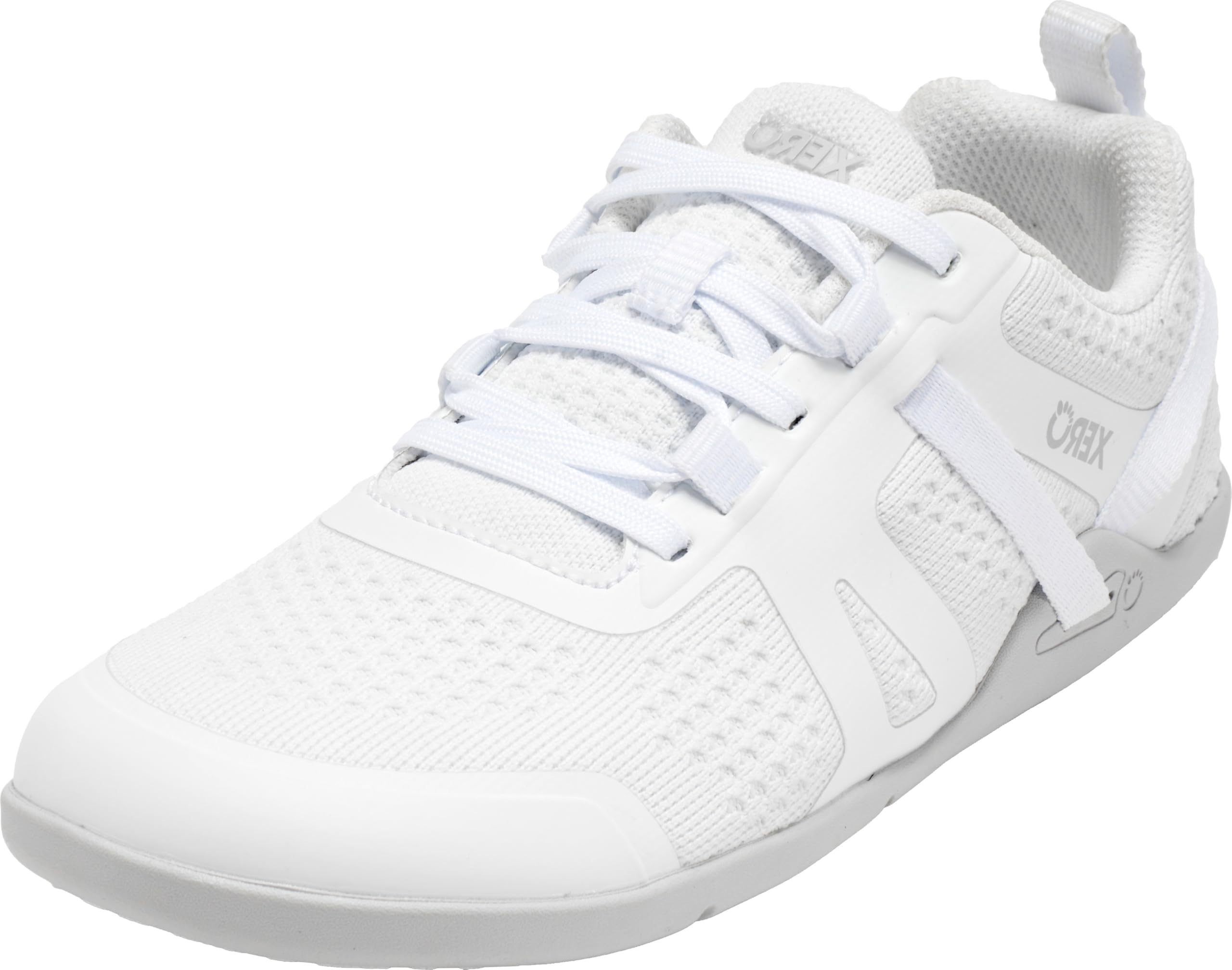
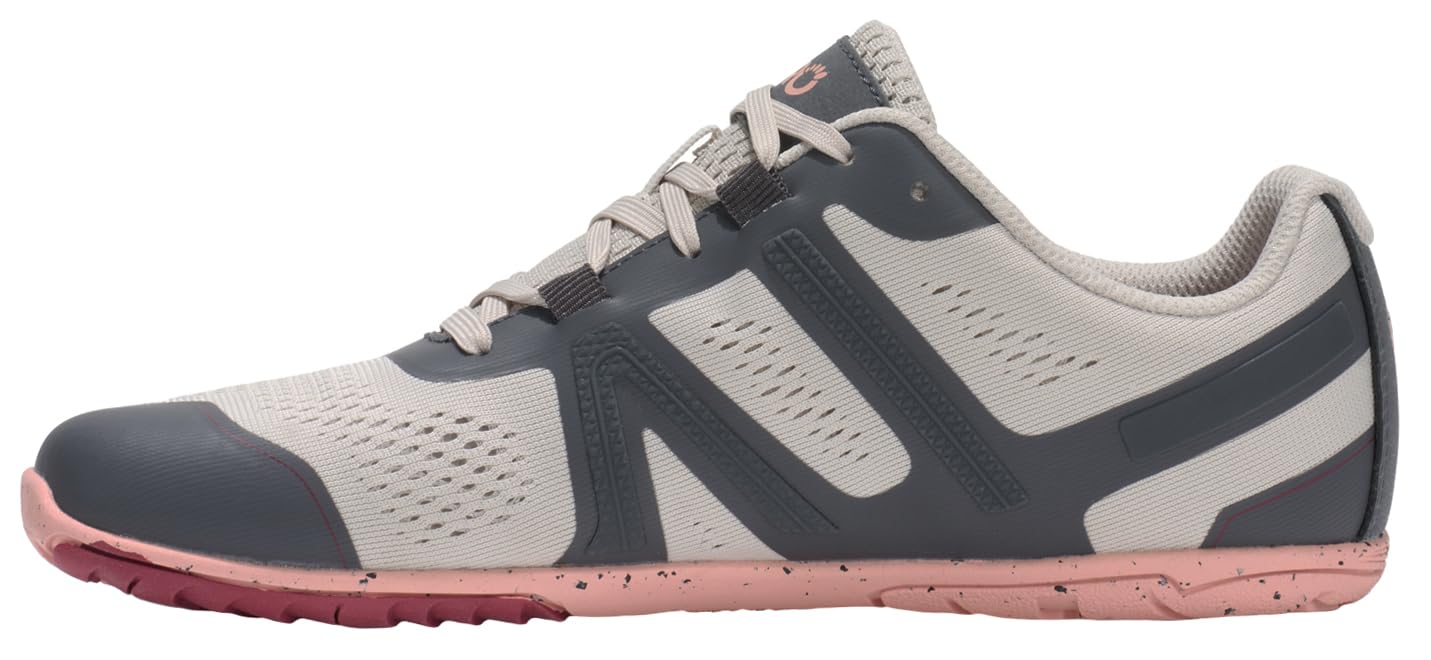
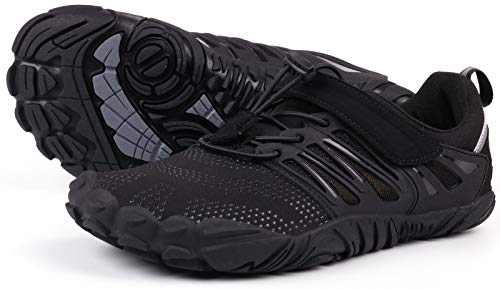

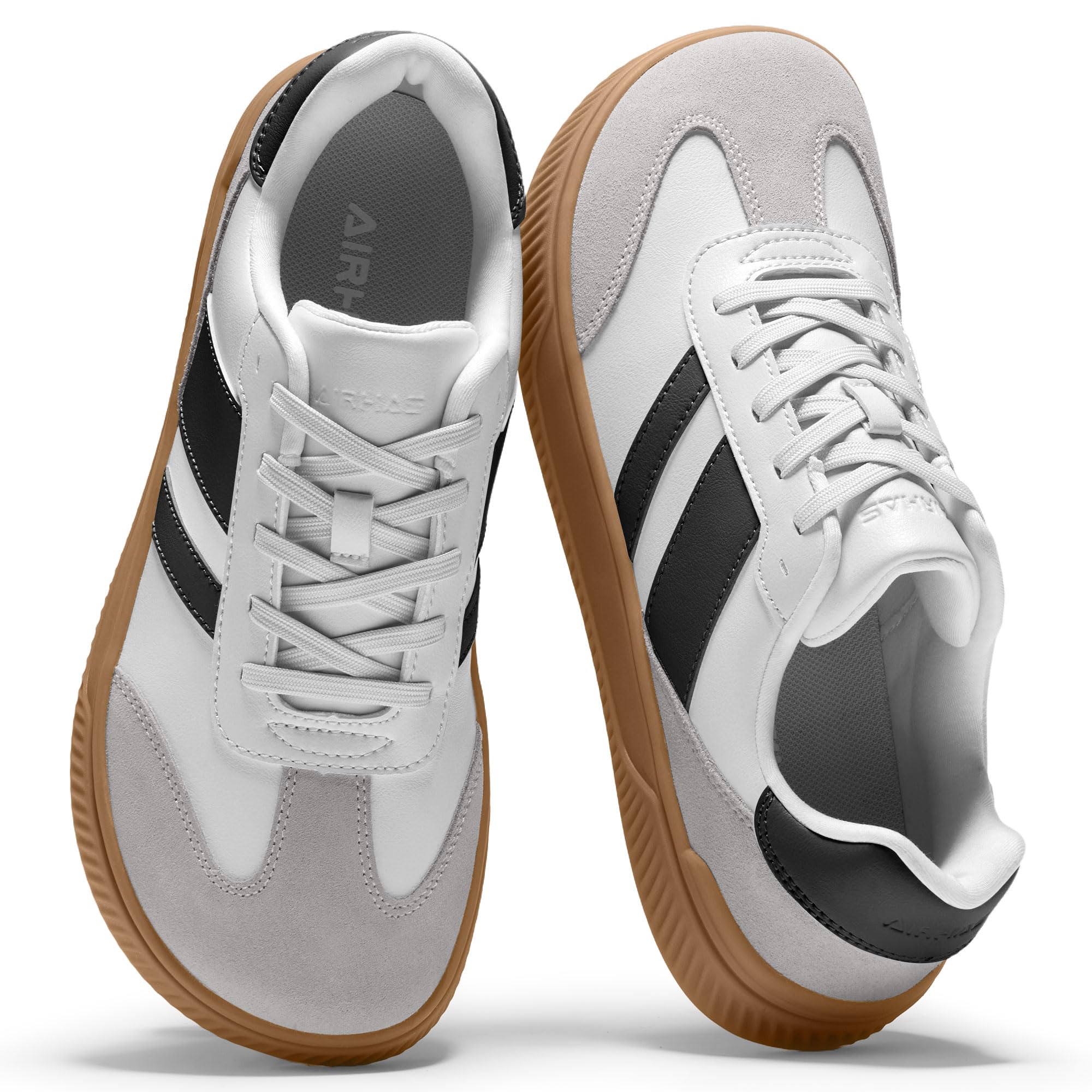
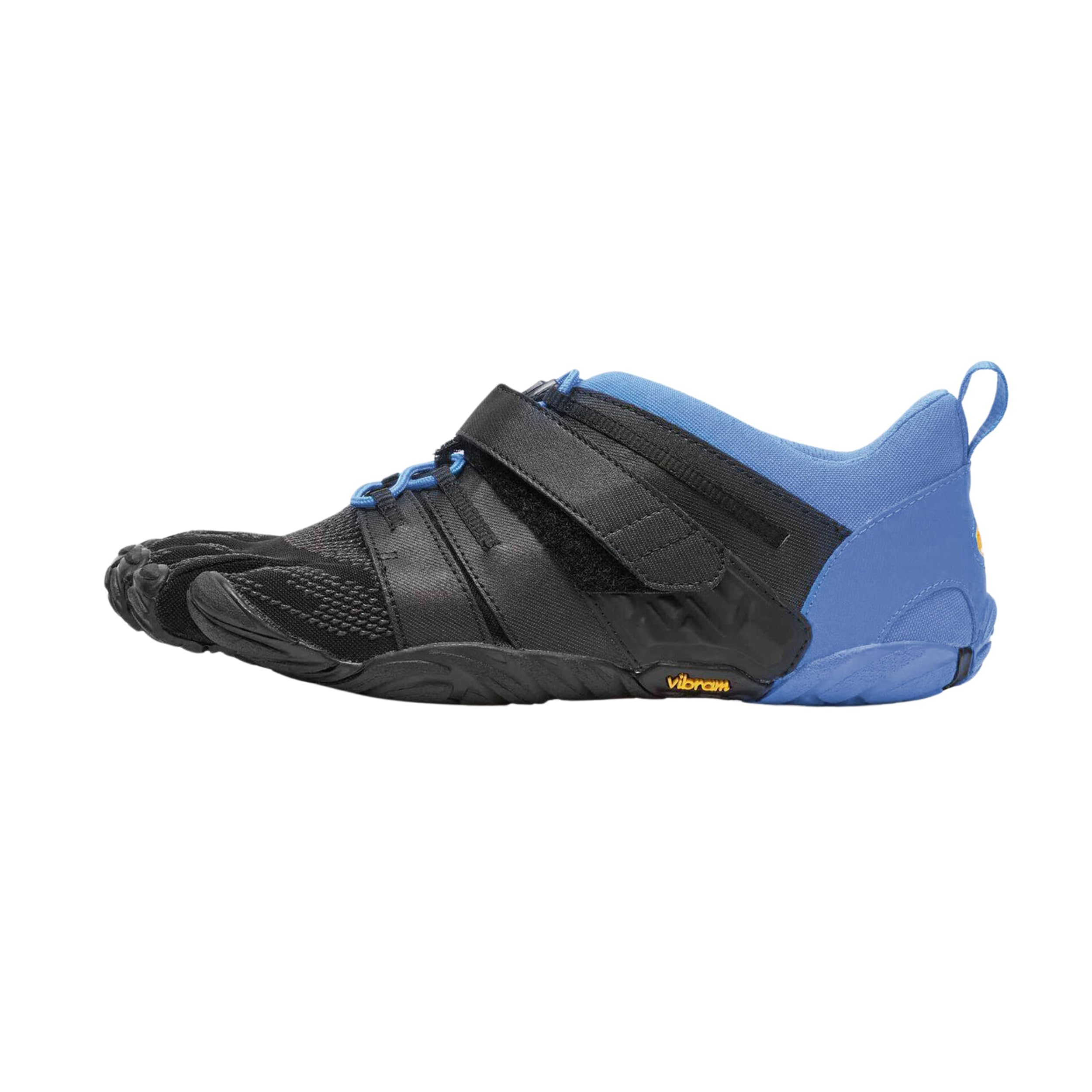
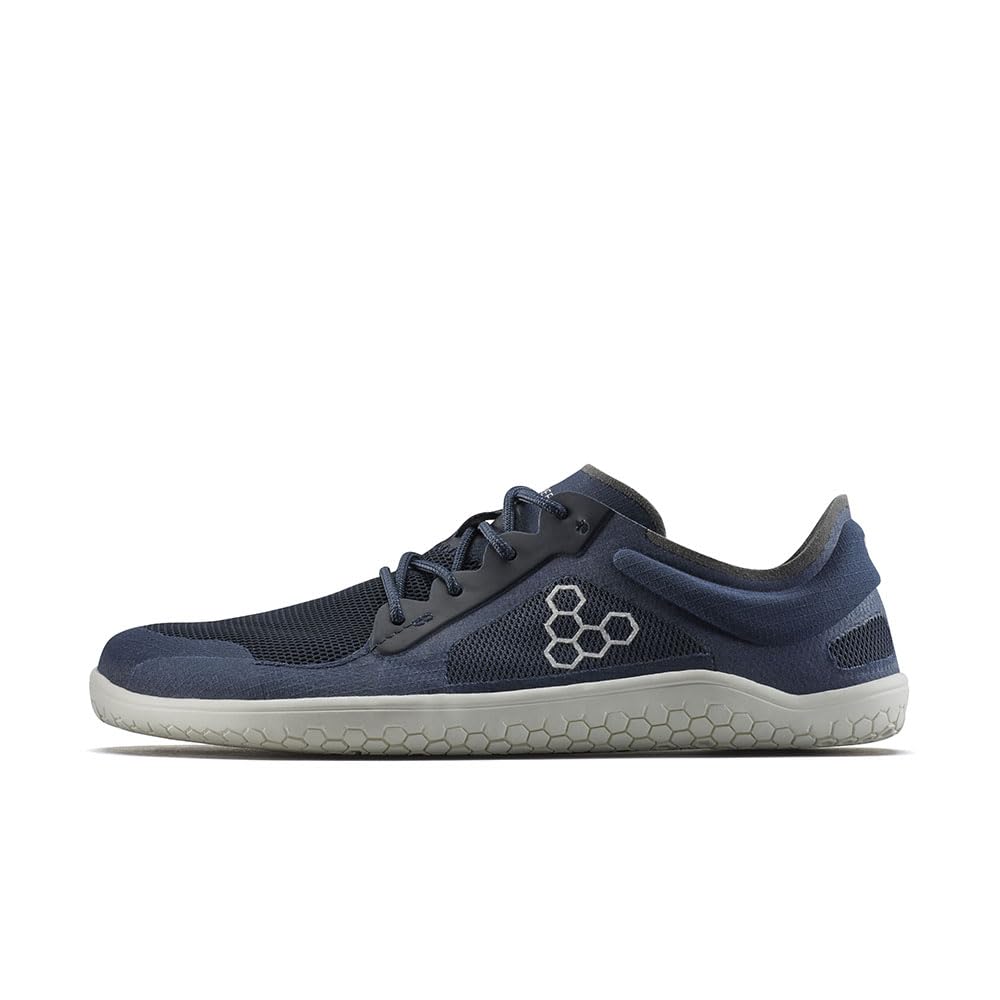
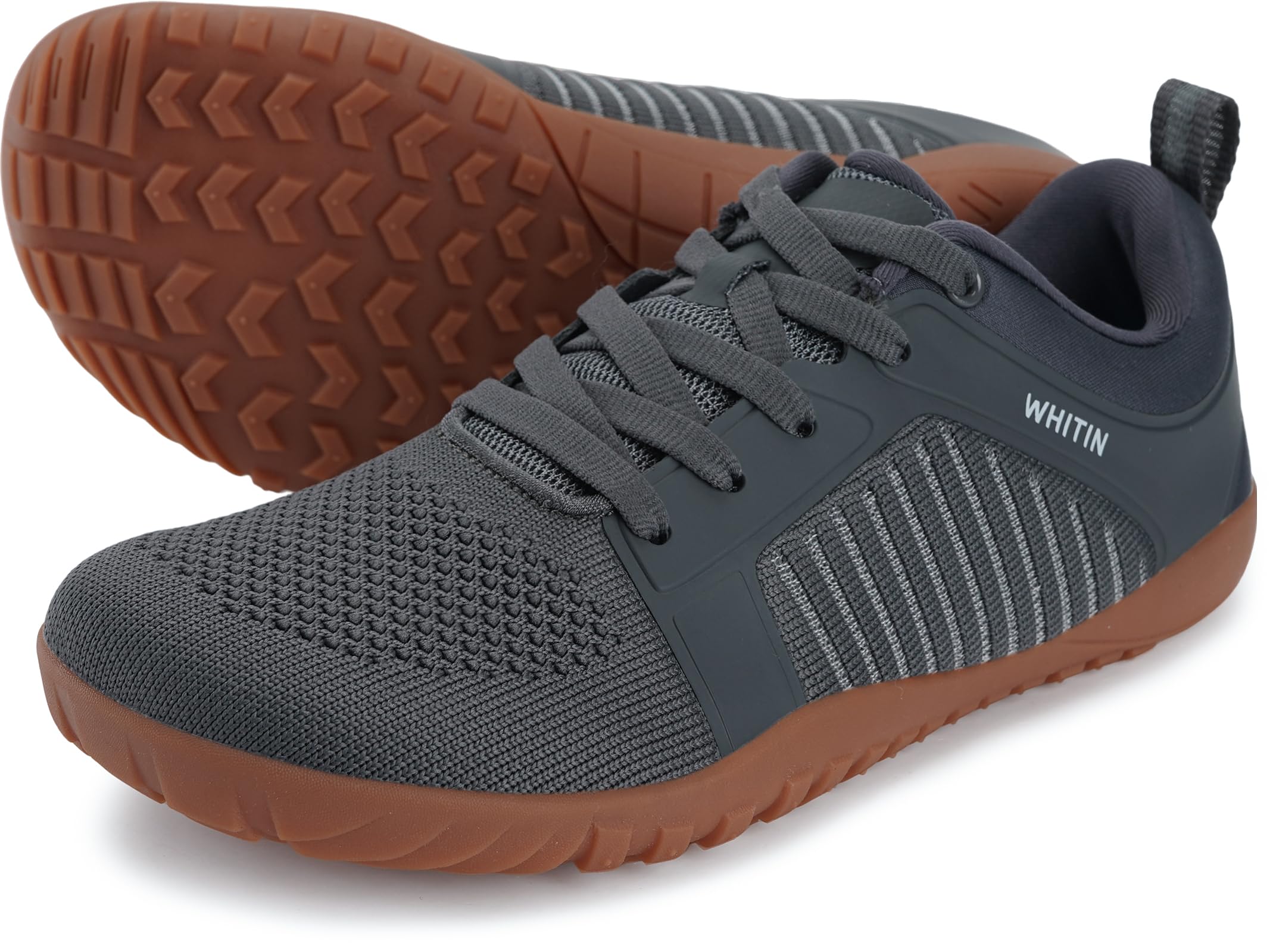
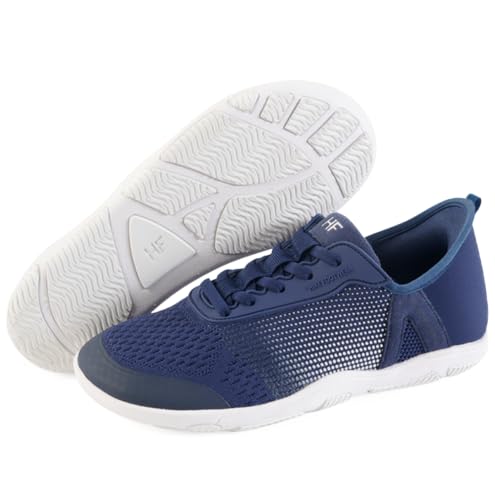
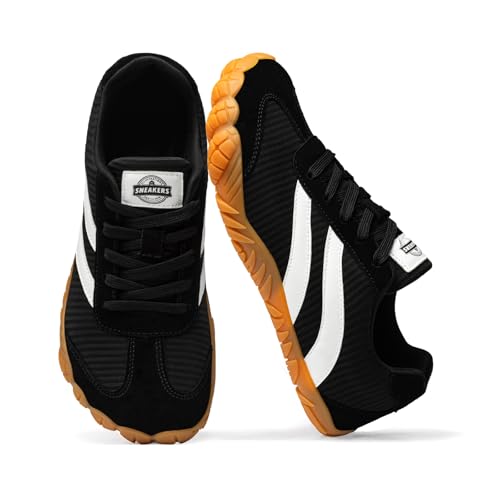
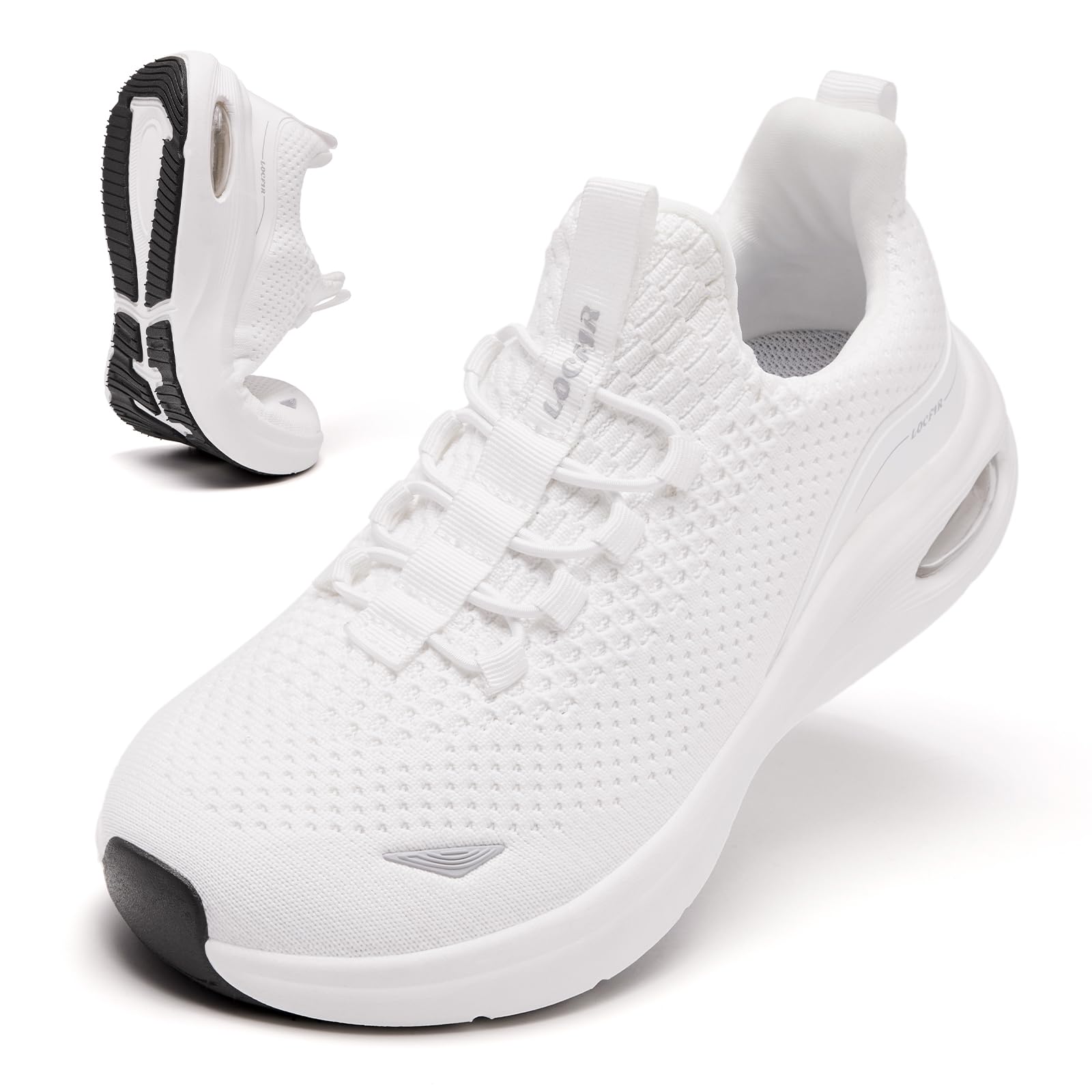
This guide explains sole thickness, ground feel, fit for women, and a safe way to build up wear time. It also explains when a barefoot shoe is a poor choice, such as for long runs on hard ground before your feet have adapted.
Who Should Buy Which Barefoot Style
Everyday walkers do well with a slightly thicker, more cushioned barefoot sole and a closed upper that handles pavement and weather. Look for easy cleaning, a secure heel, and enough grip for wet sidewalks. Comfort for several hours matters more than maximum ground feel for this group.
Runners and trail users need more grip, better drainage, and a sole that protects against sharp ground without becoming stiff. A trail barefoot shoe should still flex and twist easily in your hands, but it should also shed water and hold on loose surfaces. Gym users, by contrast, benefit from a flat, stable sole that keeps the foot close to the floor for lifting and balance work.
Key Features to Compare
Sole thickness is the first number to compare, because it sets ground feel and protection. Very thin soles, around 3 to 5 mm, give strong ground feedback but little protection, while soles around 8 to 12 mm feel more forgiving for city walking. Neither is better in general; the right choice depends on surface, distance, and how adapted your feet are.
Weight, flexibility, and toe box shape come next. A good barefoot shoe bends easily at the forefoot, twists without much resistance, and lets toes lie flat and spread. For women, check the last shape and sizing, since a shoe scaled down from a men last may fit narrow at the heel or long in the toes. Try the shoe with the socks you will actually wear.
Transition Safely: Build Time Gradually
Start with short walks, around 20 to 30 minutes, and alternate barefoot shoes with your usual shoes for the first weeks. Increase time slowly as your feet, calves, and arches adapt, and pay attention to soreness that lasts more than a day. A little calf tightness is common at first, but sharp pain, swelling, numbness, or persistent soreness is a sign to slow down.
Strengthen gradually with simple habits: walk on varied surfaces, practise balance on one foot, and stretch calves and feet after use. If you have diabetes, poor circulation, numbness, foot ulcers, or a history of foot surgery, talk with a clinician before switching to minimal shoes, since reduced cushioning and protection may not suit your needs.
Care, Durability, and When to Replace
Barefoot soles wear faster on rough pavement because they are thin, so check the tread and sole thickness regularly. A sole worn smooth loses grip, especially on wet ground, and a compressed forefoot changes ground feel. Clean uppers according to the maker guidance, dry shoes away from direct heat, and rotate pairs if you wear them daily.
Replace shoes when the sole feels uneven, the upper no longer holds the heel, or ground feel becomes harsh in one spot. A well chosen pair should feel consistent from the first week to the last, and a sudden change in feel is often a sign the shoe has reached the end of its useful life.
Related Guides to Compare
For running specific options, see best barefoot running shoes women's and for warm weather, see best women's barefoot sandals. For general barefoot guidance, see best barefoot shoes. Slippers and bathrobes from the suggestion list were left out because they are not barefoot footwear.
Frequently Asked Questions
Are barefoot shoes good for flat feet?
Barefoot shoes can suit some people with flat feet, because they encourage foot muscles to work, but they are not a treatment for flat feet or arch pain. Start gradually, watch for pain or fatigue, and consider a clinician assessment if pain persists, arches collapse sharply under load, or you notice swelling. Fit and comfort advice here is general only.
How thin should the sole be for a beginner?
Beginners usually do better with a moderately thin sole, around 6 to 10 mm, rather than the thinnest option available. That range gives ground feedback while leaving some protection for pavement and longer walks. You can move thinner later if your feet adapt comfortably and your surfaces allow it.
Can I run in barefoot shoes right away?
It is better not to run your usual distance in barefoot shoes right away, even if walking feels easy. Running loads the foot and calf much harder, so build walking time first, then add short, easy runs on soft ground. Stop and reassess if you feel sharp pain, swelling, or soreness that lasts beyond a day.
Do barefoot shoes need special socks?
Thin socks work best, because thick socks blunt ground feel and can change fit. Some people prefer toe socks to reduce friction between toes, while others go without socks in breathable uppers. Choose what keeps your feet dry and blister free, and test the combination before a long day.
How do I wash barefoot shoes?
Most barefoot shoes clean well with a soft brush, mild soap, and air drying away from radiators and direct sun. Remove insoles if possible, rinse off mud promptly, and avoid machine washing unless the maker clearly allows it. Heat can warp thin soles and shrink uppers, so patience beats a fast dry.
Final Thoughts
Match the shoe to your routine, start with a moderate sole, and build wear time slowly. Check toe room, flexibility, and heel hold, and use the product table above to compare styles before you buy.
Done well, barefoot shoes can feel light, natural, and surprisingly comfortable for daily life. That is the goal when you shop for best barefoot shoes womens options and give your feet time to adapt.


