
Best Barefoot Hiking Shoes 2026: Trail Fit and Transition Guide
Disclosure: We may earn a commission when you buy through links on this page, at no extra cost to you. As an Amazon Associate I earn from qualifying purchases. Learn more

Learn how to match sole protection, grip and toe room when choosing the best barefoot hiking shoes, and how to adapt to the trail safely.
The best barefoot hiking shoes combine a wide toe box, a flat flexible sole, and enough grip and protection for real trails. This guide covers who they suit, which features to compare, the main shoe types, and how to move into them without sore feet.
The product table lists the main options side by side. The sections that follow explain each factor so you can match a shoe to your trails and your feet.
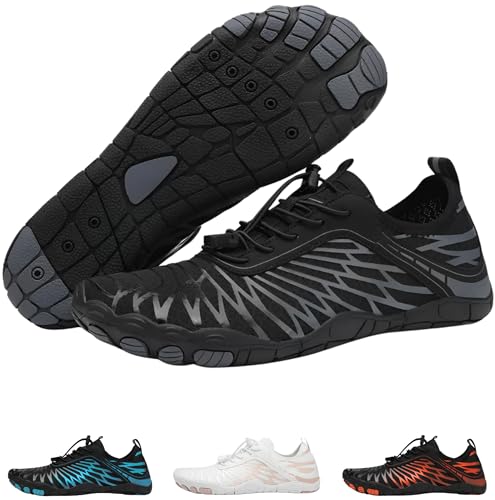
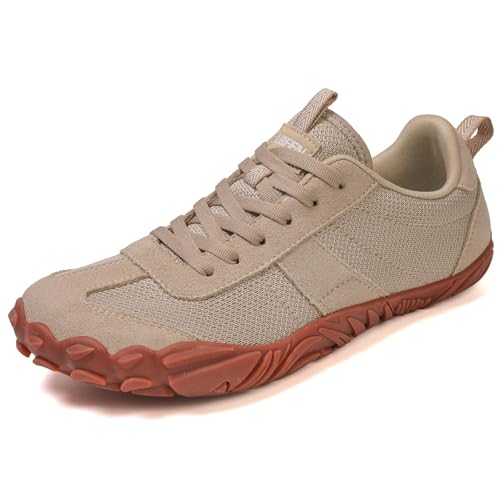

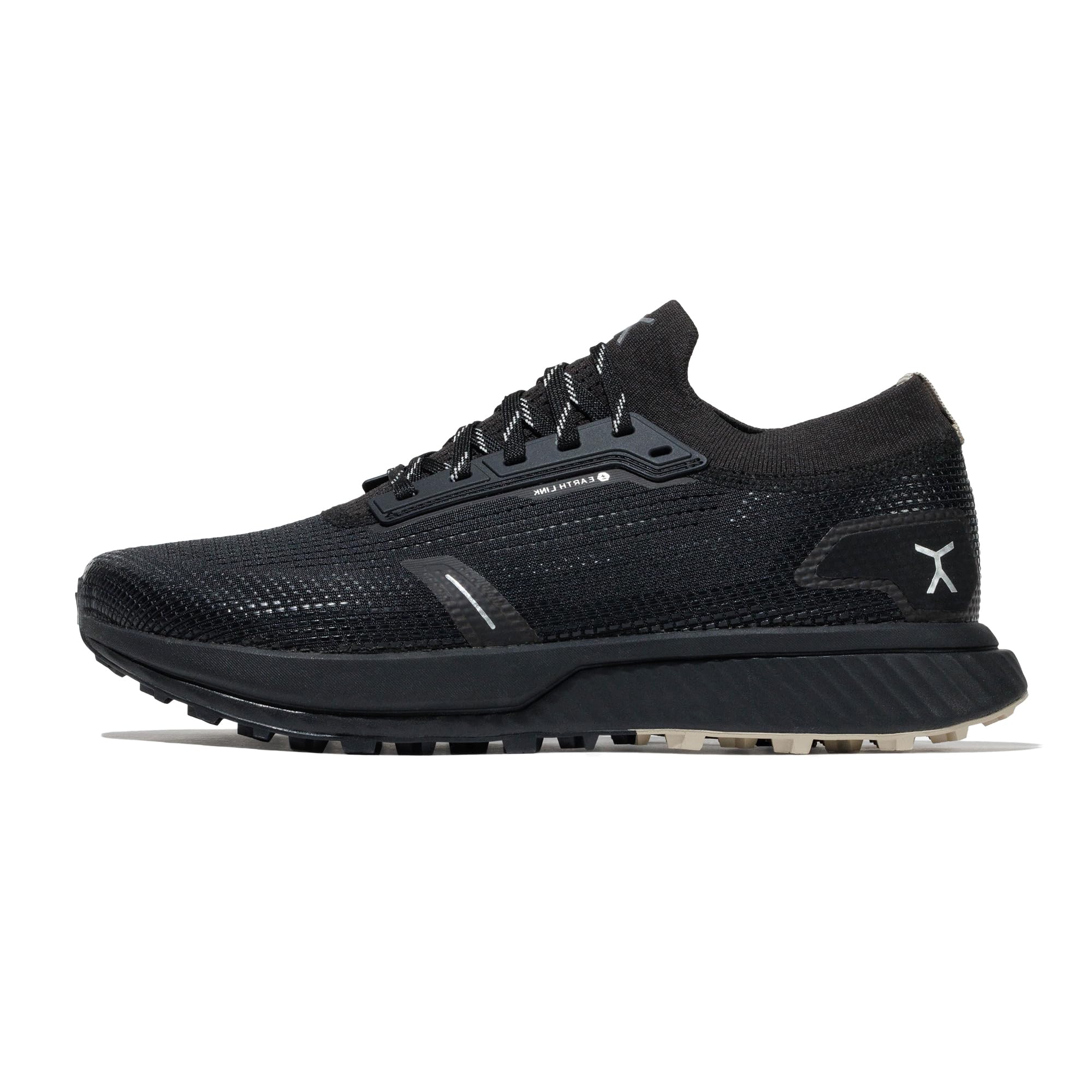
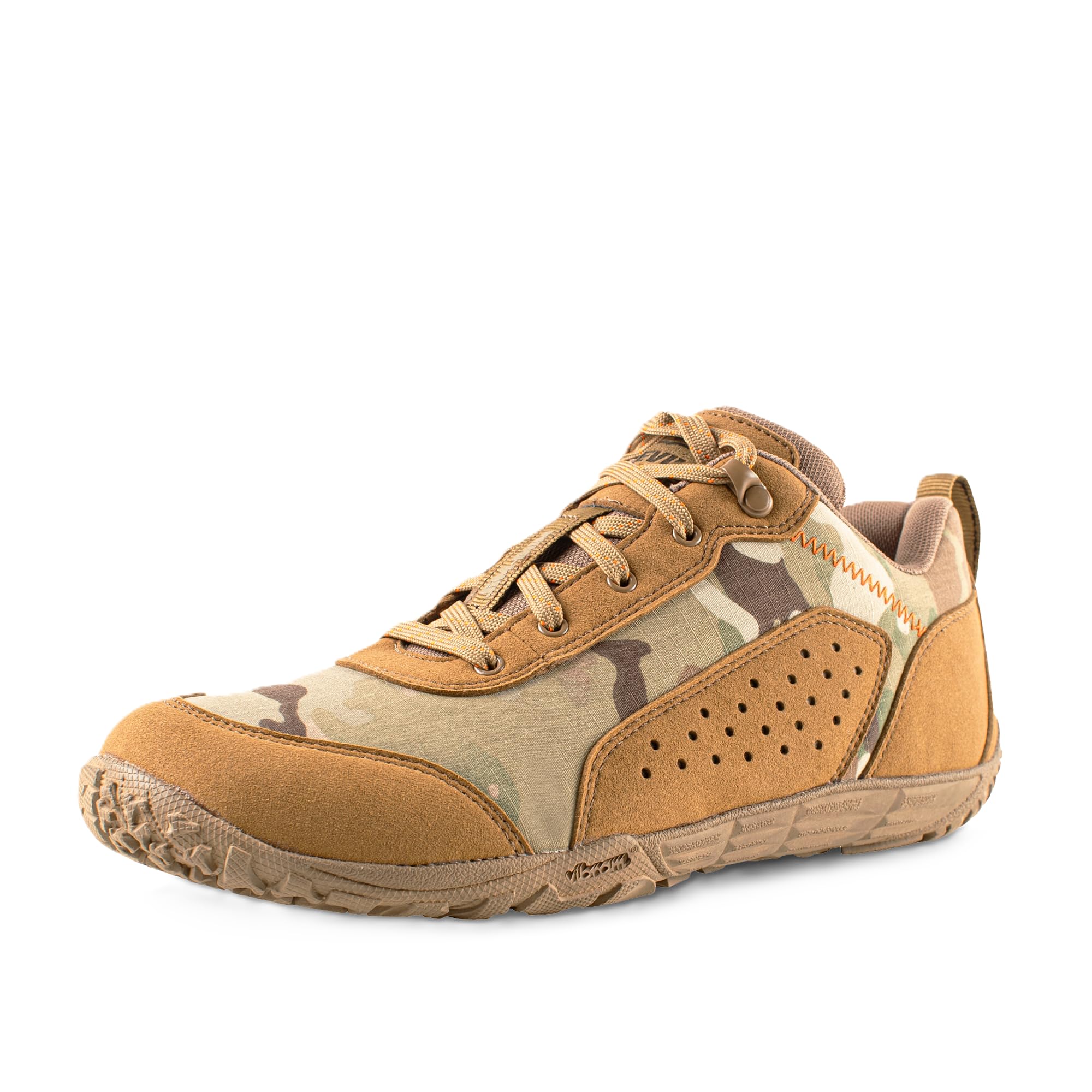
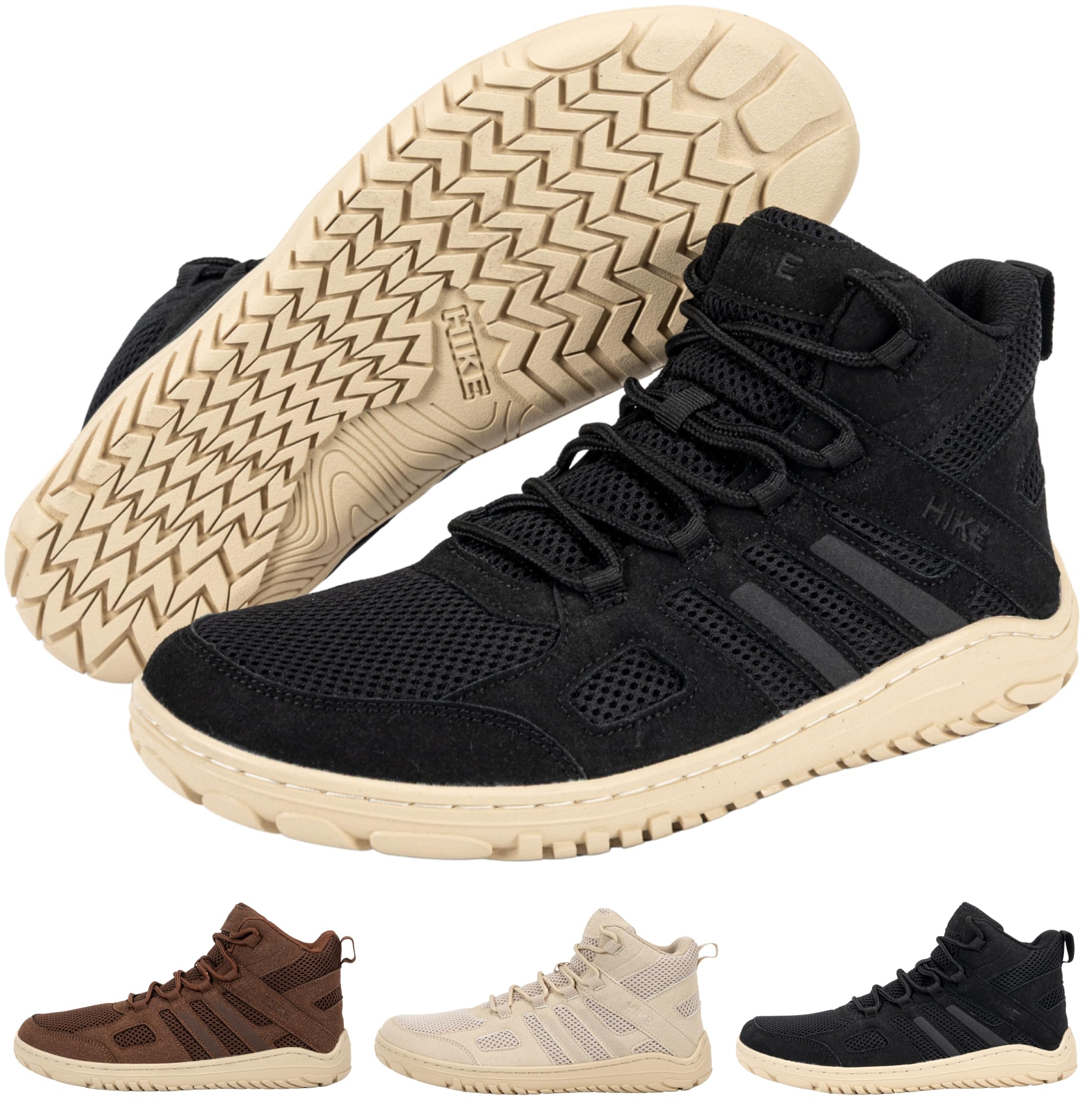
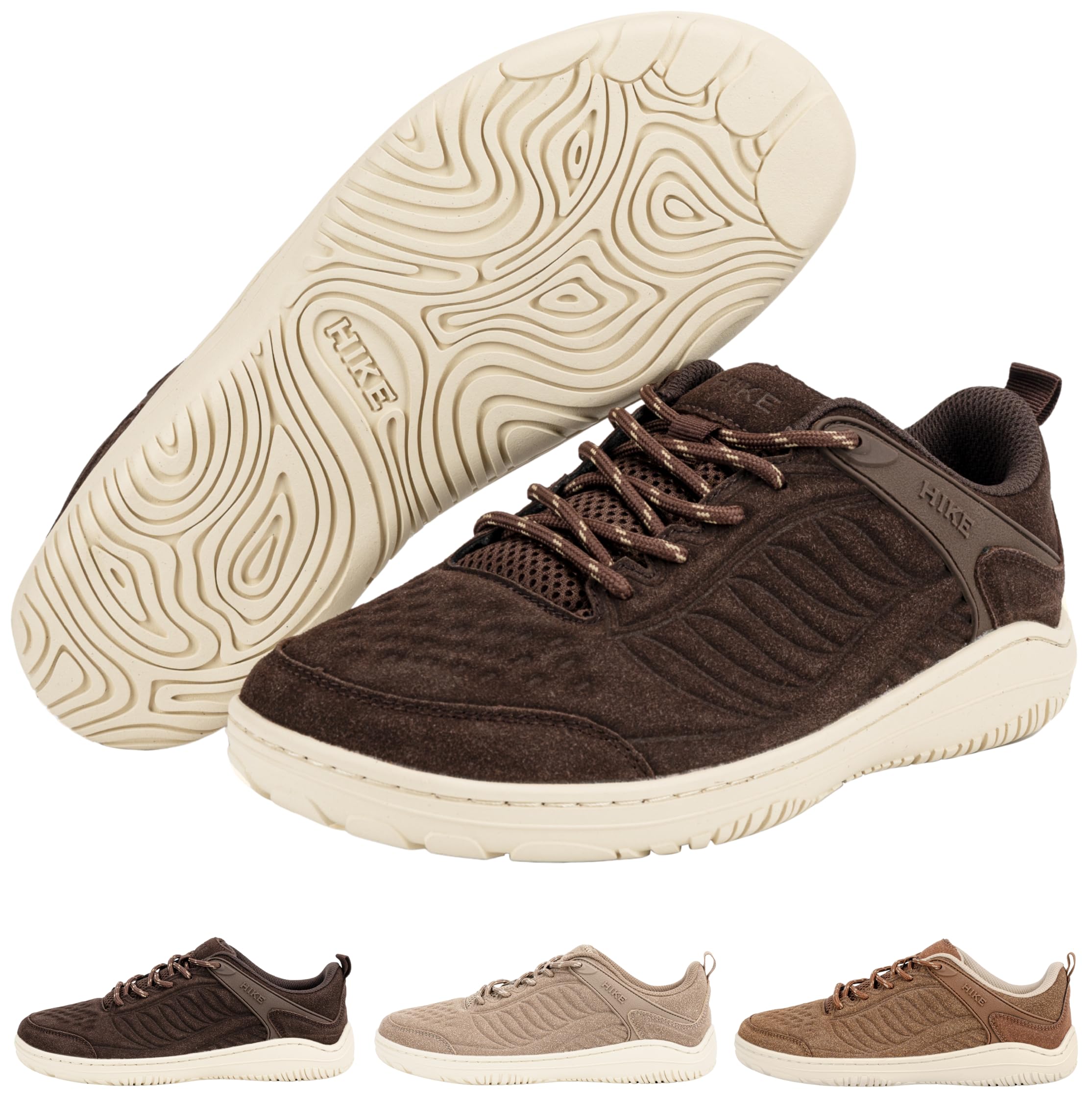


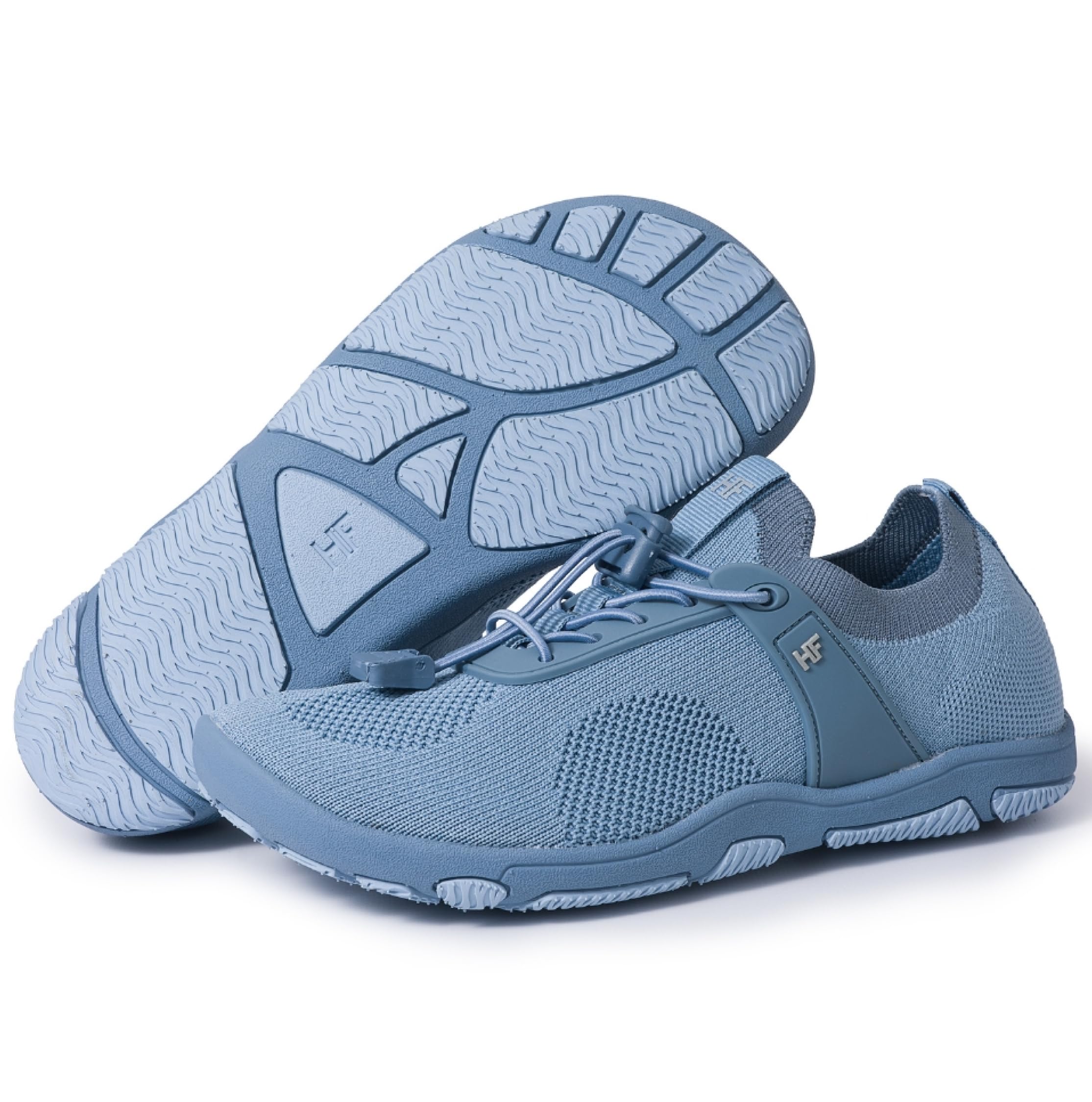
Who Should Buy Which Type?
Hikers curious about natural foot movement
If you want your feet to move more naturally on the trail, a barefoot style shoe offers a wide toe box, a flat sole, and very little cushioning. The idea is to let your foot feel the ground and work its own muscles. Start on short, easy trails and build distance slowly.
Hikers with strong feet and trail experience
Experienced hikers who already walk barefoot at home or wear minimal shoes often adapt faster. Even so, rocky trails demand sole protection and grip, so choose a model with a puncture resistant layer and lugs that hold on loose ground.
Hikers who want a lighter pack feel
Minimal shoes weigh far less than heavy boots, and that lightness can reduce fatigue over long days. The trade off is less ankle support and less insulation, so match the shoe to the trail and the weather rather than assuming lighter is always better.
Key Features to Compare
Zero drop and a wide toe box
Zero drop means the heel and forefoot sit at the same height, which changes how your stride lands. A wide toe box lets toes spread, which helps balance on uneven ground. Try shoes late in the day when feet are slightly swollen, and check that toes do not touch the front on descents.
Sole thickness and protection
A thin sole gives ground feel but offers less protection from sharp rocks and roots. Some models add a thin rock plate that guards against stone bruises without adding much stack height. Decide how much feel you want versus how rough your usual trails are.
Grip and lug pattern
Trail grip comes from rubber compound and lug shape, not from sole thickness alone. Multidirectional lugs grip on climbs and descents, while widely spaced lugs shed mud. Test grip on wet rock and loose gravel before committing to a long hike.
Upper material and drainage
Mesh uppers dry fast after stream crossings, while tougher fabrics resist abrasion from scree. If you hike in wet country, quick drainage matters more than waterproofing, since a waterproof minimal shoe can trap water inside once it gets wet.
Types Compared
Minimal trail runners
Minimal trail runners suit fast hiking on maintained trails, with light weight and good grip. They lack ankle support, so they suit hikers with strong ankles and good trail sense. They dry quickly and pack small.
Barefoot hiking boots
A barefoot style boot adds ankle coverage and tougher uppers while keeping a flat, flexible sole. It suits rougher trails and cooler weather, though it weighs more than a runner. Check that the ankle collar does not restrict the natural ankle motion you wanted.
Barefoot sandals for trails
Trail sandals give maximum airflow and ground feel for warm, dry routes. They expose feet to rocks, sun, and insects, so they suit easy trails rather than scree or dense brush. A secure strap system matters more than style.
Common Mistakes to Avoid
Most problems with minimal hiking shoes come from rushing the switch or buying for looks. These are the traps to avoid.
- Switching too fast: feet and calves need weeks to adapt to minimal shoes. Increase distance gradually and mix in your old shoes at first, or soreness and strain can follow.
- Choosing a narrow fit: a barefoot shoe that squeezes the toes defeats its purpose. Size for toe spread and test on a downhill slope.
- Ignoring sole protection: ground feel is pleasant until a sharp rock bruises the sole. Match protection to the roughest trail you plan to hike.
- Wearing them on every surface: minimal shoes suit trails, but long road miles and cold, wet conditions call for more cushioning or insulation.
Planning for Everyday Use
Break in new barefoot shoes on short walks, then easy trails, watching for hot spots and calf tightness. Strengthen feet with simple exercises such as toe spreads and short barefoot walks on safe surfaces. If you feel sharp pain, swelling, numbness, or pain that lasts more than a few days, stop and talk with a clinician, since foot pain can signal an injury that needs care rather than more miles.
Related Guides
Related guides cover nearby choices: best barefoot hiking sandals for warm, easy trails, best hiking shoes and best hiking shoes for men for conventional fits, best ladies hiking shoes, and best barefoot shoes for everyday wear.
Frequently Asked Questions
Are barefoot hiking shoes safe?
They can be safe for hikers who transition slowly and choose trails that match the shoe. The risks are stone bruises, blisters, and calf or Achilles strain from too fast a switch. Build distance gradually and keep a sturdier pair for rough or cold routes.
How long does transition take?
Most hikers need several weeks of gradual use before long days feel comfortable. Start with short walks, add a little distance each week, and back off if soreness lingers. There is no prize for rushing, and patience protects your feet.
Do barefoot shoes help foot pain?
Some hikers report stronger feet and better balance, but barefoot shoes are not a treatment for foot conditions. If you have persistent pain, numbness, swelling, or a diagnosed foot problem, talk with a clinician before switching. Fit and comfort advice here is general, not medical advice.
What socks work best?
Thin socks preserve ground feel, while slightly thicker socks add blister protection on long days. Choose socks that do not bunch in the toe box. Test the sock and shoe combination on a training hike before a long trip.
Can I hike in winter in barefoot shoes?
Cold ground and snow call for insulation that most minimal shoes lack. Some hikers add warm socks and gaiters for short winter walks, but deep cold and ice usually need insulated footwear. Match the shoe to the season, not only to the philosophy.
Final Thoughts
Match the shoe to your roughest regular trail, size for toe spread, and give your feet weeks to adapt. The best barefoot hiking shoes are the ones that protect you where the ground is sharp and still let your feet move naturally. If you are unsure between two types, pick the one with more grip and sole protection and shorten your first hikes.


