
Best Barefoot Walking Shoes 2026: Comfort and Fit Guide
Disclosure: We may earn a commission when you buy through links on this page, at no extra cost to you. As an Amazon Associate I earn from qualifying purchases. Learn more

The best barefoot walking shoes offer a wide toe box and a thin flexible sole. Learn how to choose a pair and adapt your stride.
The best barefoot walking shoes have a wide toe box, a thin flexible sole and a level footbed, so your foot lands and pushes off the way it would without a shoe. They suit daily walks, errands, travel and long city days, and they ask your feet and calves to do more of the work that cushioning used to do.
This guide explains who they suit, the types you will see in the product table, the features that matter and how to build walking time without soreness.

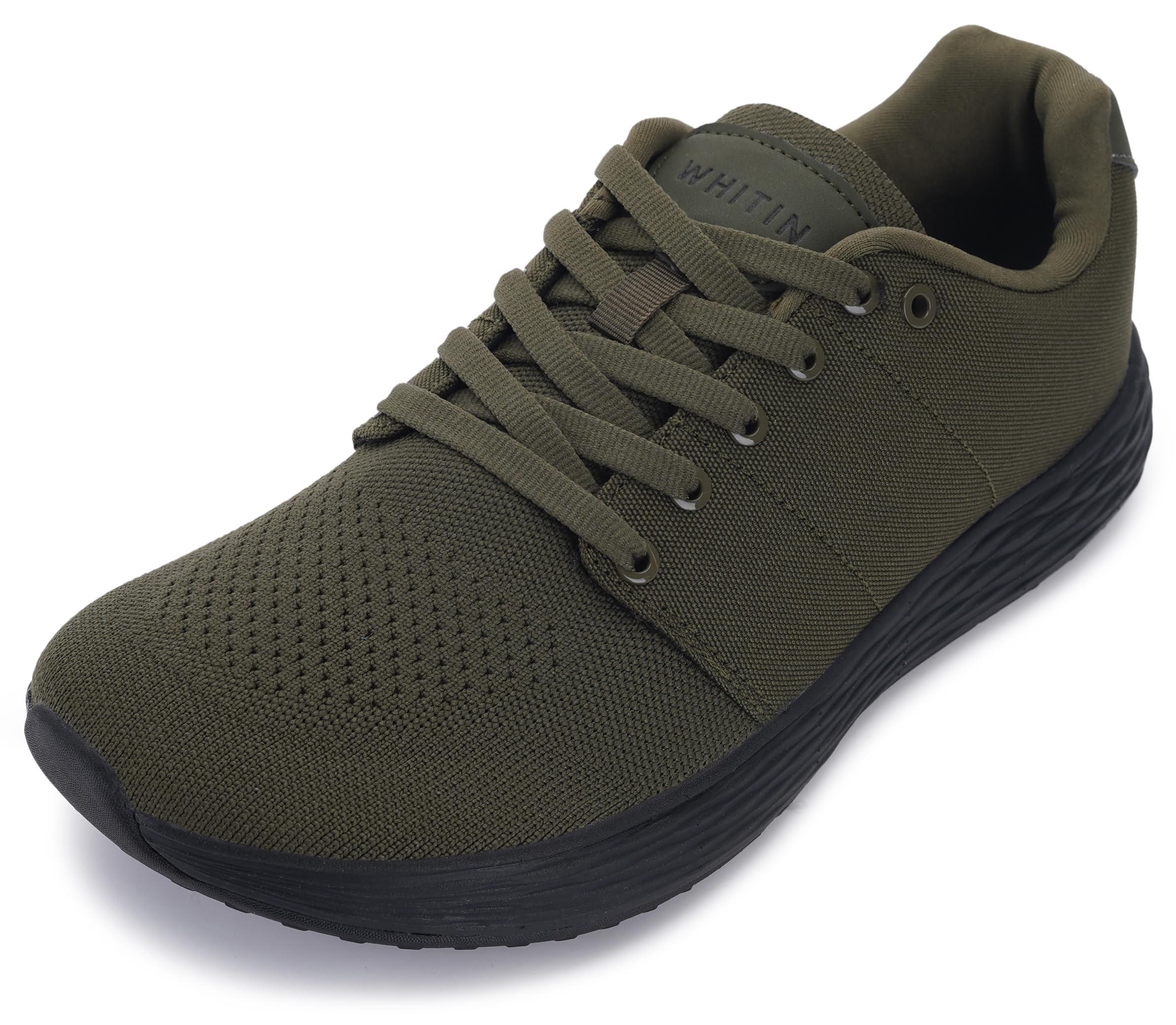

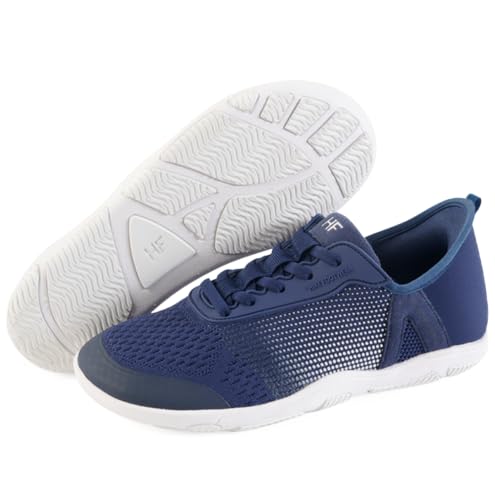
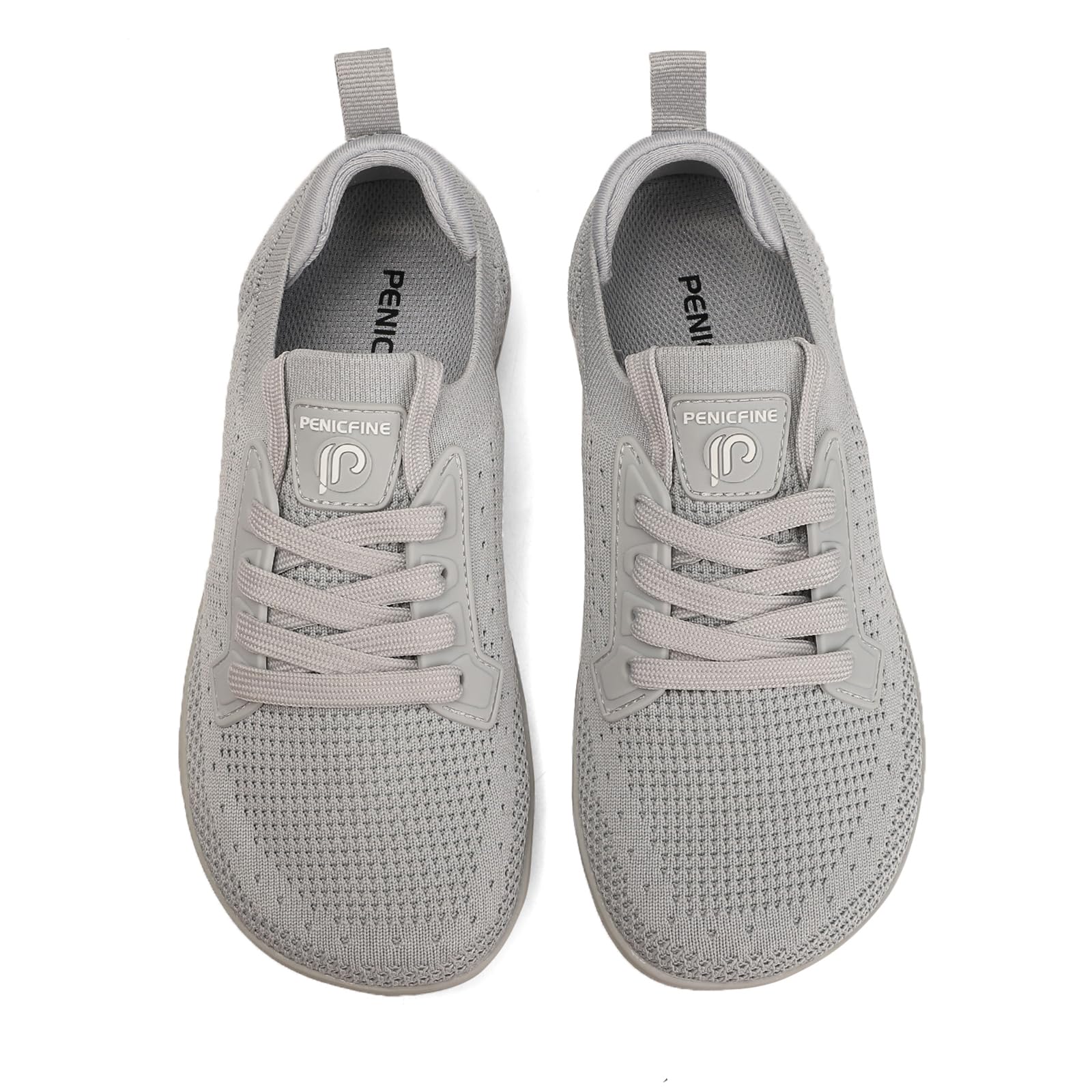

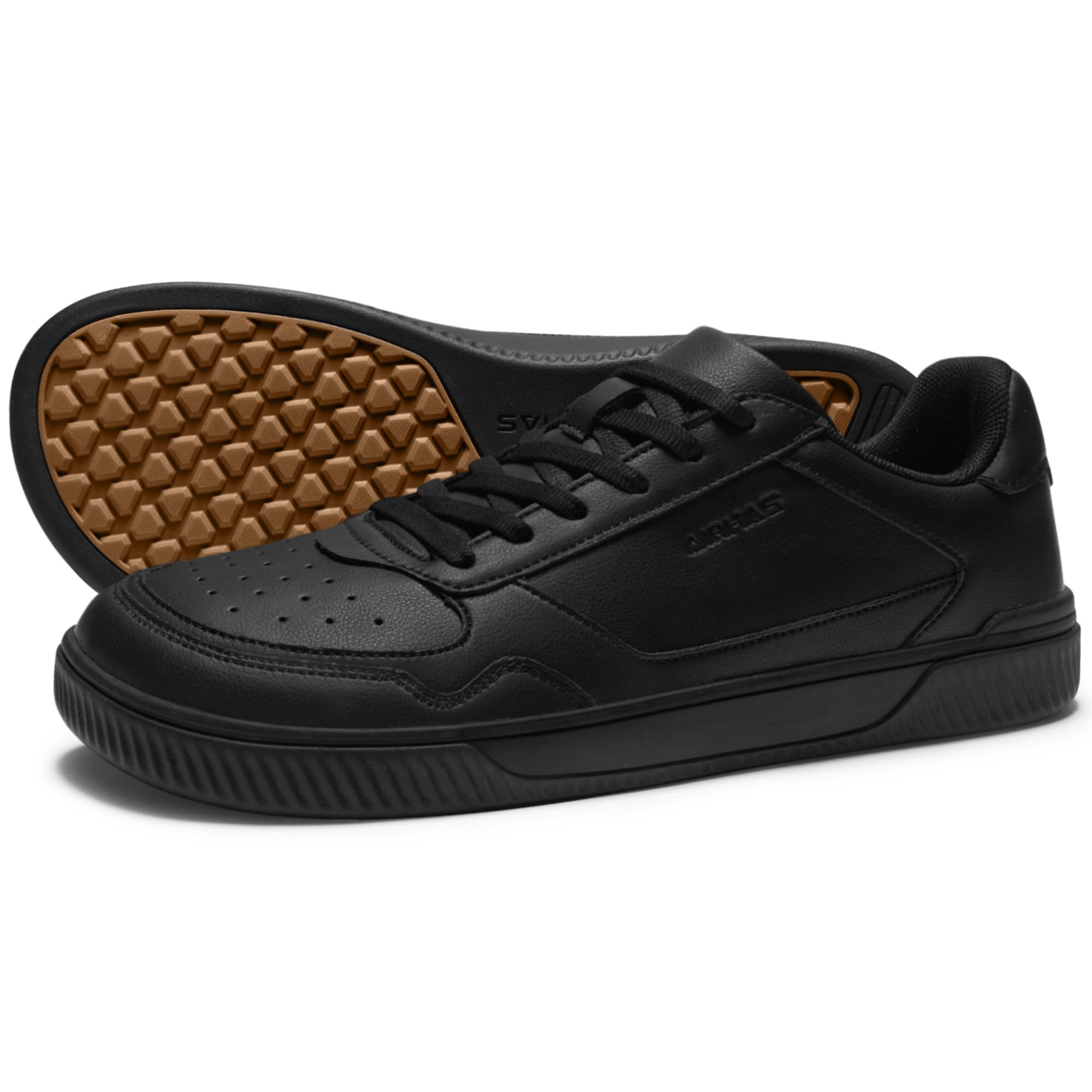
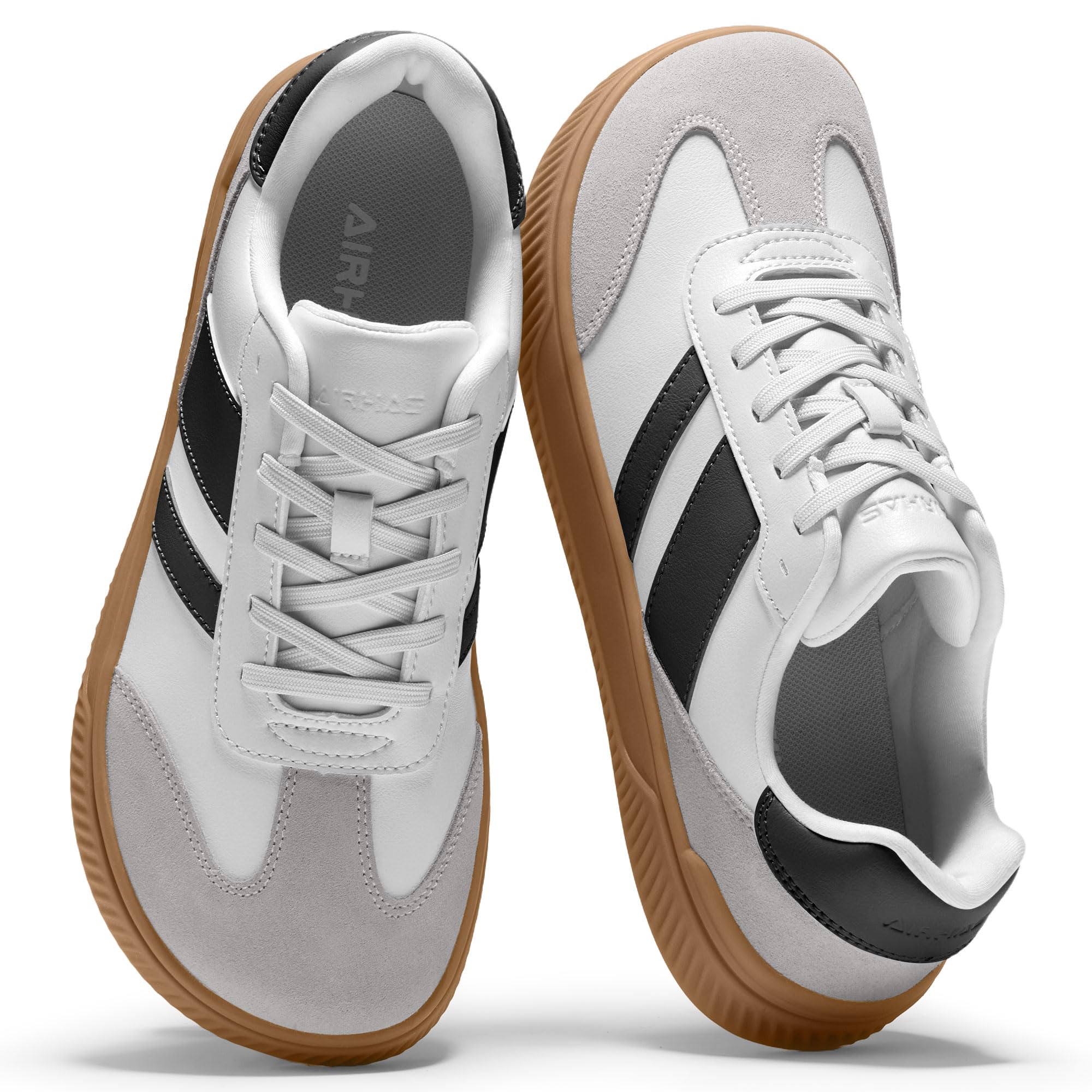


Who Should Buy Barefoot Walking Shoes
They suit walkers who want more ground feel and toe freedom, people who find conventional shoes too narrow, and anyone interested in building foot strength. They also suit travellers who want a light pair that packs flat. They are a weaker choice for people who need firm arch or heel support, for rough worksites, and for deep cold. If you have diabetes, numbness or an ongoing foot problem, talk with a clinician before switching.
Types Compared
Minimal road walking shoes
Thin flexible soles and light uppers for pavements, malls and city walking. They give the most ground feel and the least protection from gravel.
Minimal trail walking shoes
Tougher soles, more tread and sometimes a rock plate for uneven ground, parks and muddy paths.
Casual and dress styles
Leather, canvas and slip on designs with a wide toe box that look like ordinary shoes, for office days and social settings.
Water friendly minimal shoes
Quick drying uppers and drainage for beaches, rivers and wet paths.
How to Compare Barefoot Walking Shoes
- Toe box width: toes should spread naturally without pressing the sides.
- Sole thickness and flexibility: a thin, flexible sole gives feel. Slightly thicker soles are kinder on hard pavement.
- Heel to toe drop: zero drop changes how calves and feet are loaded, so build up gradually.
- Grip: look for a tread that holds on wet pavement and smooth floors.
- Upper and weight: breathable mesh suits warm weather, while leather or canvas looks smarter and handles light rain better.
Building Up Your Walking Time
Start with short walks on soft ground and increase the distance gradually over several weeks. Alternate between your usual shoes and the barefoot pair at first, and rest if your calves or arches feel sore. Mild fatigue is normal. Sharp pain, swelling, numbness or pain that changes your gait is not. Mixed surfaces such as grass, pavement and firm trails help your feet adapt, and simple drills such as toe spreads, calf raises and short barefoot walks at home help build strength.
Fit and Sizing
Leave room for toes to spread and move, and check that the heel stays secure without pressure. Try shoes in the afternoon, with the socks you plan to wear, and walk on a hard floor and up stairs. Thin socks keep ground feel and wick moisture, while thick cushioned socks fill the toe box. If you are between sizes, choose the larger one and secure the heel with laces.
Surfaces and Weather
Barefoot shoes feel best on smooth, predictable ground. City pavement, park paths and indoor floors are easy. Gravel, broken glass and sharp stones call for extra care or a thicker sole. In rain, check that the tread grips wet paint and tile. In cold weather, thin soles lose heat quickly, so consider insulated insoles or a warmer boot style.
Walking Form in Barefoot Shoes
Thin soles reward a quieter, lighter step. Aim to land softly under your body with your foot flat, rather than reaching out and striking on the heel. Shorter strides, relaxed ankles and an upright posture reduce impact, and most walkers find their stride adjusts within a few weeks. If your heels feel sore or your steps sound loud, slow down and think about how your foot meets the ground. Walking barefoot indoors on safe surfaces also helps your feet learn the movement before long outings.
Walking in the City, Parks and Trails
City walking is the easiest place to start because pavement is smooth and predictable, but long days on concrete can tire thin soles. Parks and gravel paths offer varied surfaces that help feet adapt, though loose stones are felt right away. For longer trail walks, a model with a rock plate or slightly thicker sole protects against bruises. Whichever you choose, check the ground ahead and avoid broken glass, hot asphalt in summer and icy patches in winter.
Budget and Care
Budget pairs cover short daily walks. Higher priced pairs add better materials, stronger stitching and more precise sizing. Thin soles wear faster on rough pavement, so check the sole every few weeks and replace the pair when grip fades or the sole wears through. Air shoes after use, wash them as the label directs and dry them away from direct heat.
Common Mistakes to Avoid
- Switching to barefoot shoes for a long walk on day one.
- Ignoring foot pain instead of resting.
- Choosing a narrow shoe marketed as barefoot.
- Buying for a rare occasion instead of for normal use.
Related Guides
See best walking shoes, best walking shoes for women, best walking shoes for men, best barefoot shoes and best shoes for walking all day.
Frequently Asked Questions
Are barefoot walking shoes good for everyone?
No. They suit many walkers but not everyone, especially people with certain foot conditions or those who need firm support. A clinician can advise if you are unsure.
How should I transition to barefoot shoes?
Build up slowly with short walks, rest days and attention to calf soreness and foot fatigue. A gradual change protects tendons and bones.
Can I walk long distances in them?
Some walkers do, but long distances need a gradual build and a sole that suits the surface. Rough trails need more protection.
What should I do about pain during the transition?
Ease back on distance, check fit, and see a clinician if pain is sharp, persistent or comes with swelling or numbness.
How do I choose the right size?
Leave room for toes to spread, check that the heel is secure and try the shoe on a hard floor with your usual socks.
Final Thoughts
Match the type and sole to your usual routes, make sure toes can spread and build walking time patiently. Done well, the best barefoot walking shoes make everyday walking lighter and more natural. Talk with your clinician if pain persists.


