
Best Barefoot Sandals 2026: Fit, Soles and Straps Guide
Disclosure: We may earn a commission when you buy through links on this page, at no extra cost to you. As an Amazon Associate I earn from qualifying purchases. Learn more

Learn how sole thickness, straps and fit shape the best barefoot sandals, and how to adapt your feet for everyday wear.
The best barefoot sandals pair a thin flexible sole with straps that hold the foot securely, so your feet can spread, flex and feel the ground in warm weather. They sit between going barefoot and wearing a closed shoe, and they suit walking, travel, light hiking and relaxed running.
This guide covers the main sandal types, the features that decide comfort and security, and how to ease into minimal footwear without sore feet.


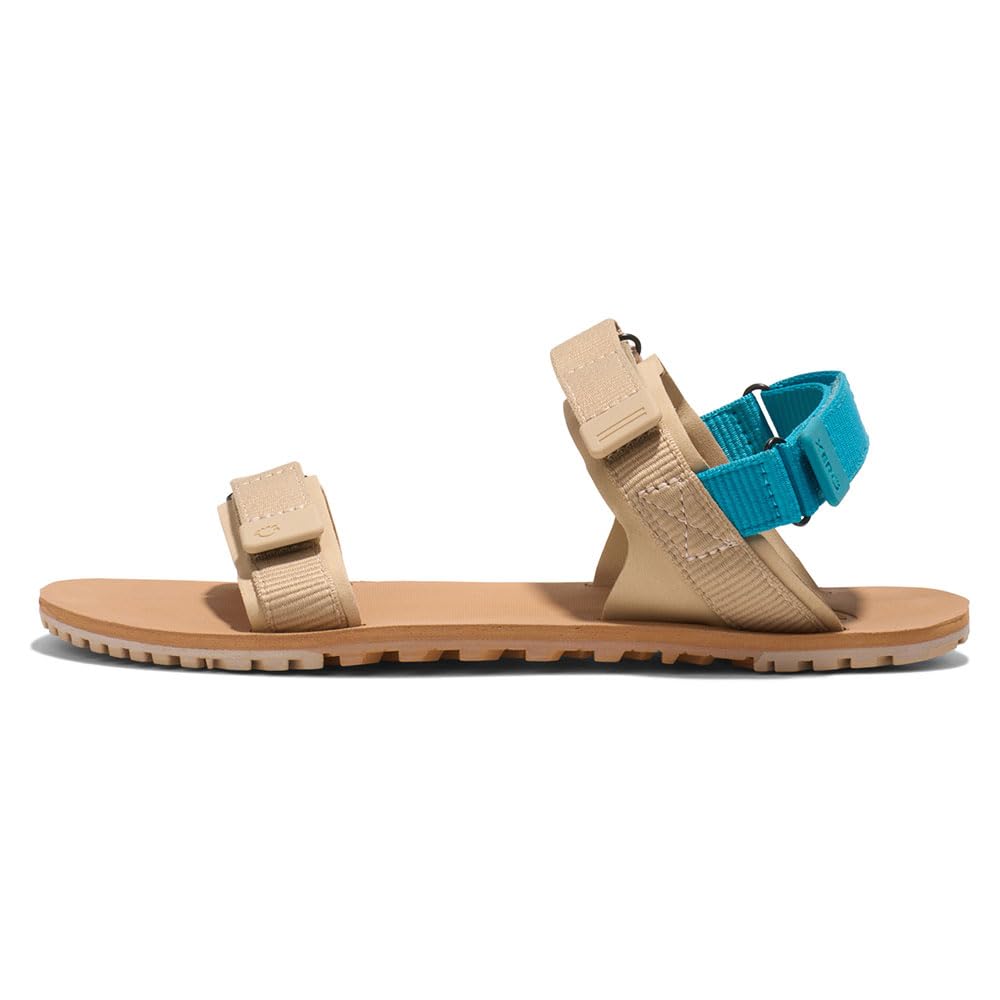


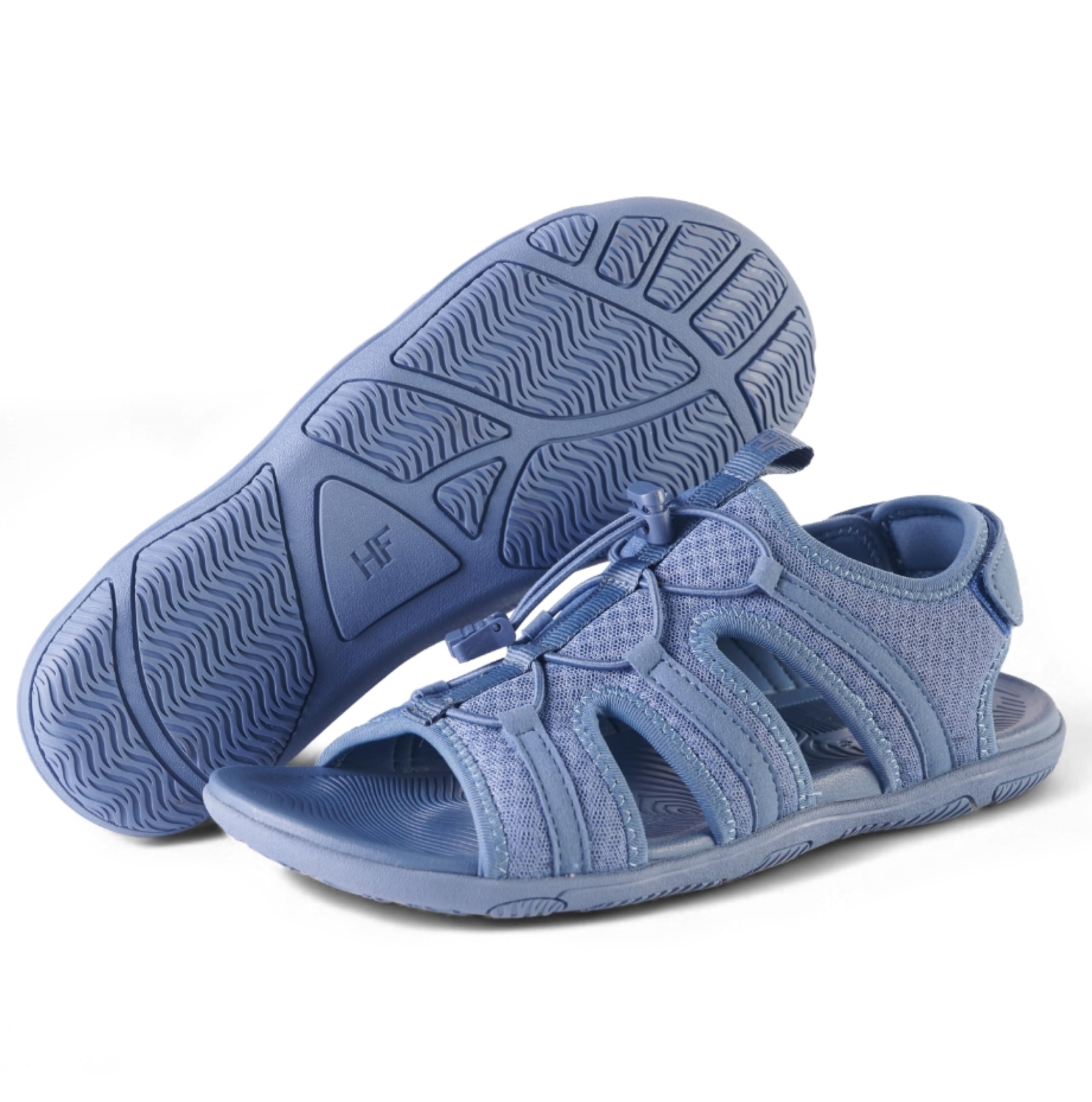
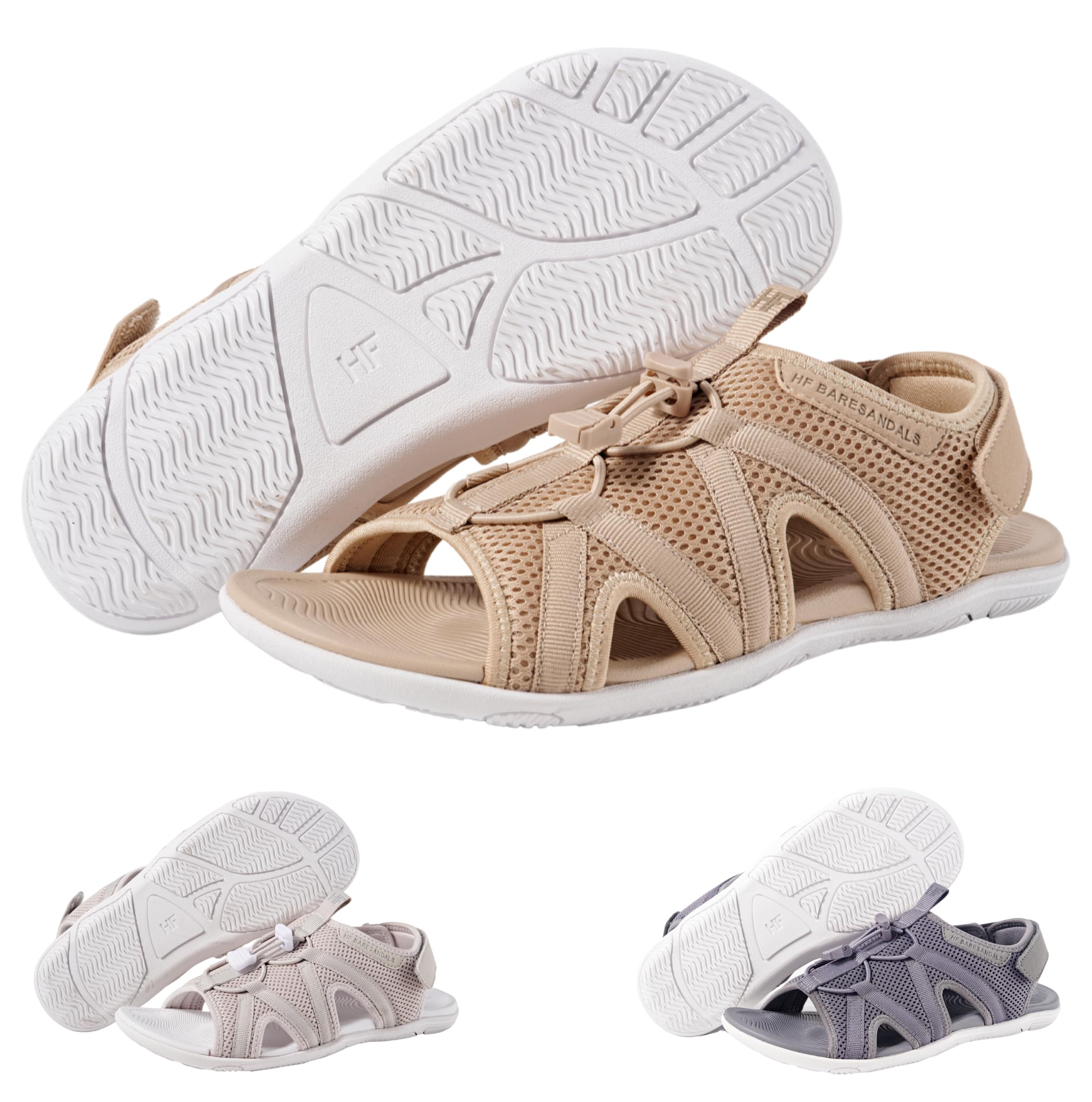
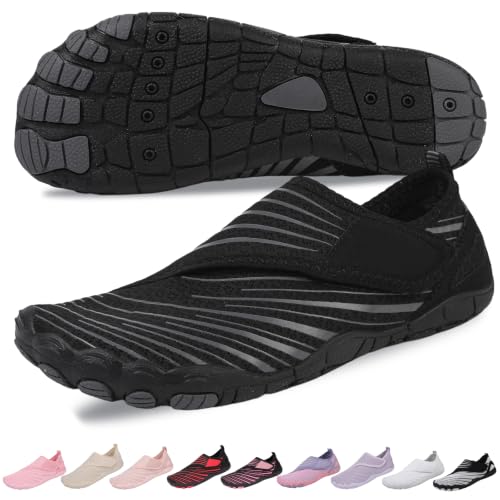
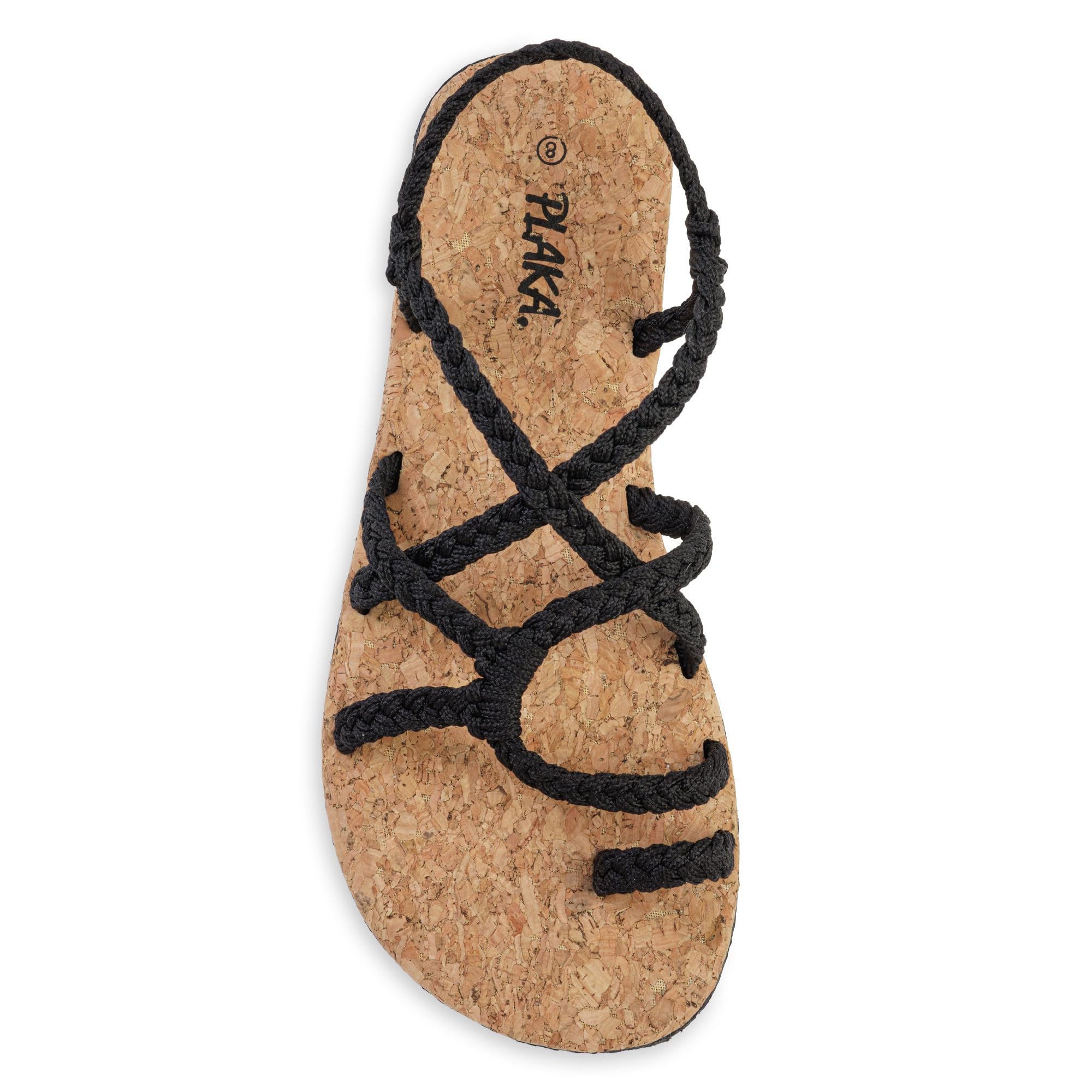
Types Compared
Minimal running sandals
These use a thin sole, often a few millimetres of rubber, with a lacing or strap system that stays put over thousands of strides. They give strong ground feel and need a gradual build up, because calves and Achilles tendons take over work that cushioning used to do.
Barefoot hiking sandals
Hiking versions add a grippier outsole and sturdier straps for uneven ground and stream crossings. They drain and dry quickly and pack light, but they leave toes and the top of the foot exposed to rocks, brush and sun.
Everyday barefoot sandals
Everyday sandals use a flexible sole and simple straps for town, beach and travel. They are the easiest way to start with minimal footwear because the stakes are low on smooth surfaces.
Key Features to Check
- Sole thickness: thinner soles give more ground feel. A few extra millimetres protect against stones and hot pavement.
- Flexibility: the sole should bend and twist easily in your hands. A stiff sole feels like a conventional shoe.
- Strap security: straps must hold the heel and midfoot without rubbing. A loose sandal changes your stride and causes blisters.
- Toe room: toes should lie flat and spread, with a small margin of sole beyond the toes and heel.
- Grip: check the tread for wet floors, rock and mud, depending on where you will walk.
Who Should Buy Barefoot Sandals
They suit people who like warm weather footwear that lets the foot move, travellers who want one light pair that packs flat, and runners or hikers who enjoy a minimal feel. They are less suited to cold or wet weather, cluttered work sites or anyone who needs firm support for a foot condition. If you walk mostly on rough gravel or hot asphalt, choose a thicker sole.
Materials and Construction
Most soles are rubber, sometimes with a thin foam layer for comfort. Firm rubber lasts longer and grips better on rough ground, while softer compounds feel better on smooth floors but wear faster. Straps are usually nylon webbing or cord, which dries quickly and resists stretching. Leather straps look smarter but stay damp longer and need more care. Check how the strap attaches to the sole, because stitched or locked in anchors hold up better than glued tabs.
Barefoot Sandals Compared With Barefoot Shoes
Sandals ventilate better, dry faster after water and let toes spread without any upper to restrict them. Barefoot shoes protect toes and keep out debris, dust and cold, which makes them better for rough trails and cooler days. Many people own both and switch with the season. If you are new to minimal footwear, sandals are an easy first step because their open design gives immediate feedback if a strap is too tight.
Sizing and Fit
Fit sandals while standing, because feet spread under weight. Heel and toes should sit within the sole shape, and the strap should hold the foot without leaving deep marks. Walk on a hard floor and up and down stairs to check for heel slip and rubbing. If you are between sizes, choose the one that keeps the foot centred on the sole.
Easing In
Start with short walks on smooth ground and add time over weeks. Mild calf and foot tiredness is common early on. Sharp pain, swelling or pain that changes how you walk means rest. Simple foot exercises such as toe spreads and calf raises help. Anyone with diabetes, neuropathy or poor circulation should talk with a clinician before switching to minimal footwear.
Using Barefoot Sandals Day to Day
For city days, pick a sole thick enough to handle hot pavement and a strap system you can adjust quickly. For the beach or a pool deck, look for quick drying straps and a sole that grips wet surfaces. For travel, choose a pair that packs flat and works with both short walks and a long day on your feet. Wearing socks with sandals is not needed, but thin toe socks can add warmth on cool mornings without hiding ground feel.
Care
Rinse sandals after sand, mud or sweat and let them air dry away from direct heat, which stiffens straps and soles. Check buckles and strap holes for fraying. Replace them when the tread is smooth or the straps no longer hold their adjustment.
Common Mistakes to Avoid
- Switching to full time minimal footwear in a week.
- Choosing straps that rub or slip on the heel.
- Wearing very thin soles on hot pavement or sharp gravel.
- Ignoring wear on straps before a long trip.
Related Guides
For specific uses, see best barefoot running sandals and best barefoot hiking sandals. For fits, see best women's barefoot sandals and best men's barefoot sandals.
Frequently Asked Questions
Are barefoot sandals safe?
They suit many people when introduced gradually and used on suitable surfaces. They protect less than closed shoes, so watch for sharp objects, hot ground and rough trails.
Can I run in barefoot sandals?
Yes, after a careful build up. Start with short easy runs on smooth surfaces, use a shorter stride and add distance slowly. Rest and seek advice if foot, ankle or shin pain persists.
What sole thickness should I choose?
Beginners usually do well with a slightly thicker minimal sole. Experienced walkers may prefer a thinner one. Rough surfaces call for more protection than smooth pavement.
Do barefoot sandals help foot pain?
Some people find they help comfort and foot strength, while others find they make existing pain worse. Foot shape and health history differ, so go slowly and see a clinician for persistent pain.
Final Thoughts
Pick a sole thickness that fits your surfaces, make sure the straps hold your heel and let your toes spread. With those checks and a patient start, the best barefoot sandals are comfortable, light and easy to live with. Talk with your clinician if you notice persistent pain or other warning signs.


