
Best Barefoot Running Sandals 2026: Road and Trail Guide
Disclosure: We may earn a commission when you buy through links on this page, at no extra cost to you. As an Amazon Associate I earn from qualifying purchases. Learn more

Learn how to fit, choose a sole and build mileage in the best barefoot running sandals, for road or trail running with a natural stride.
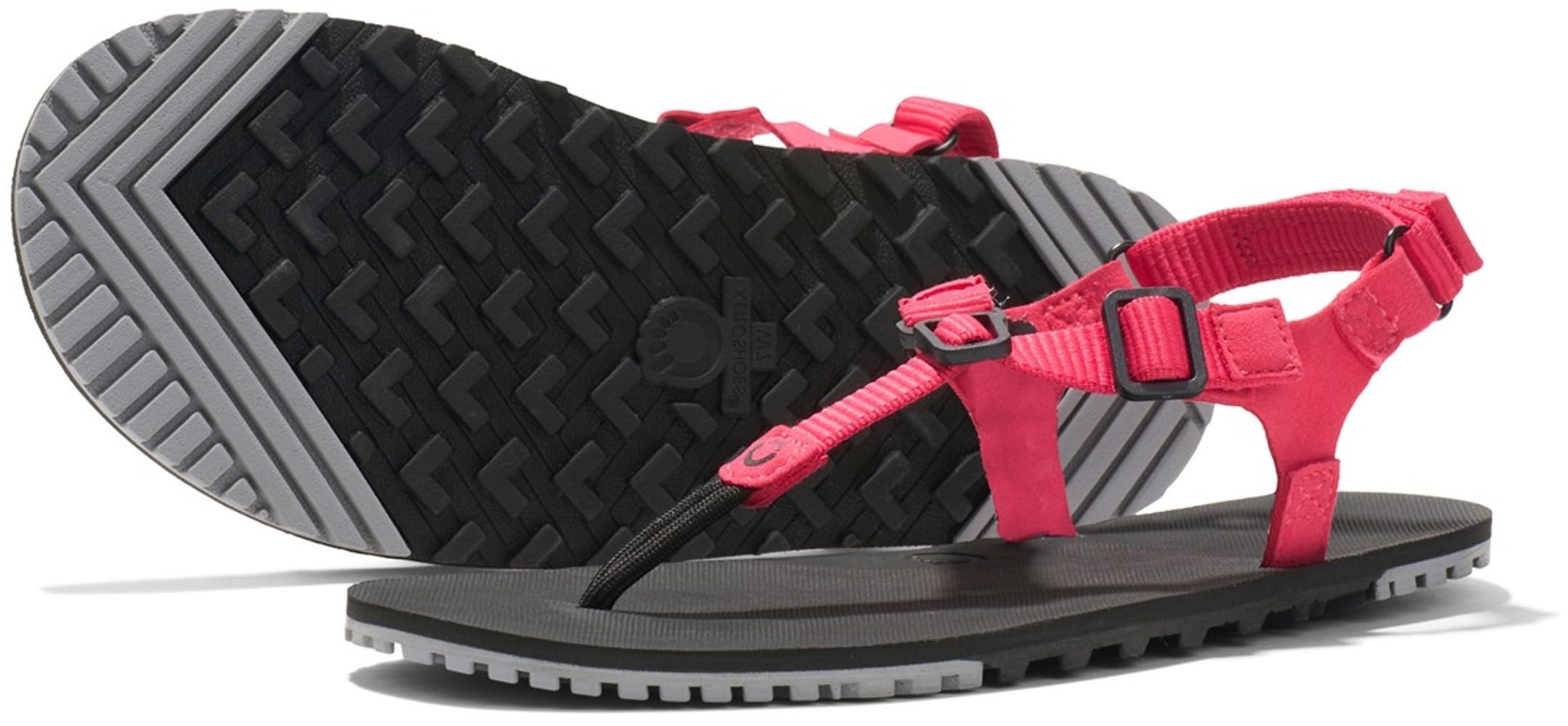
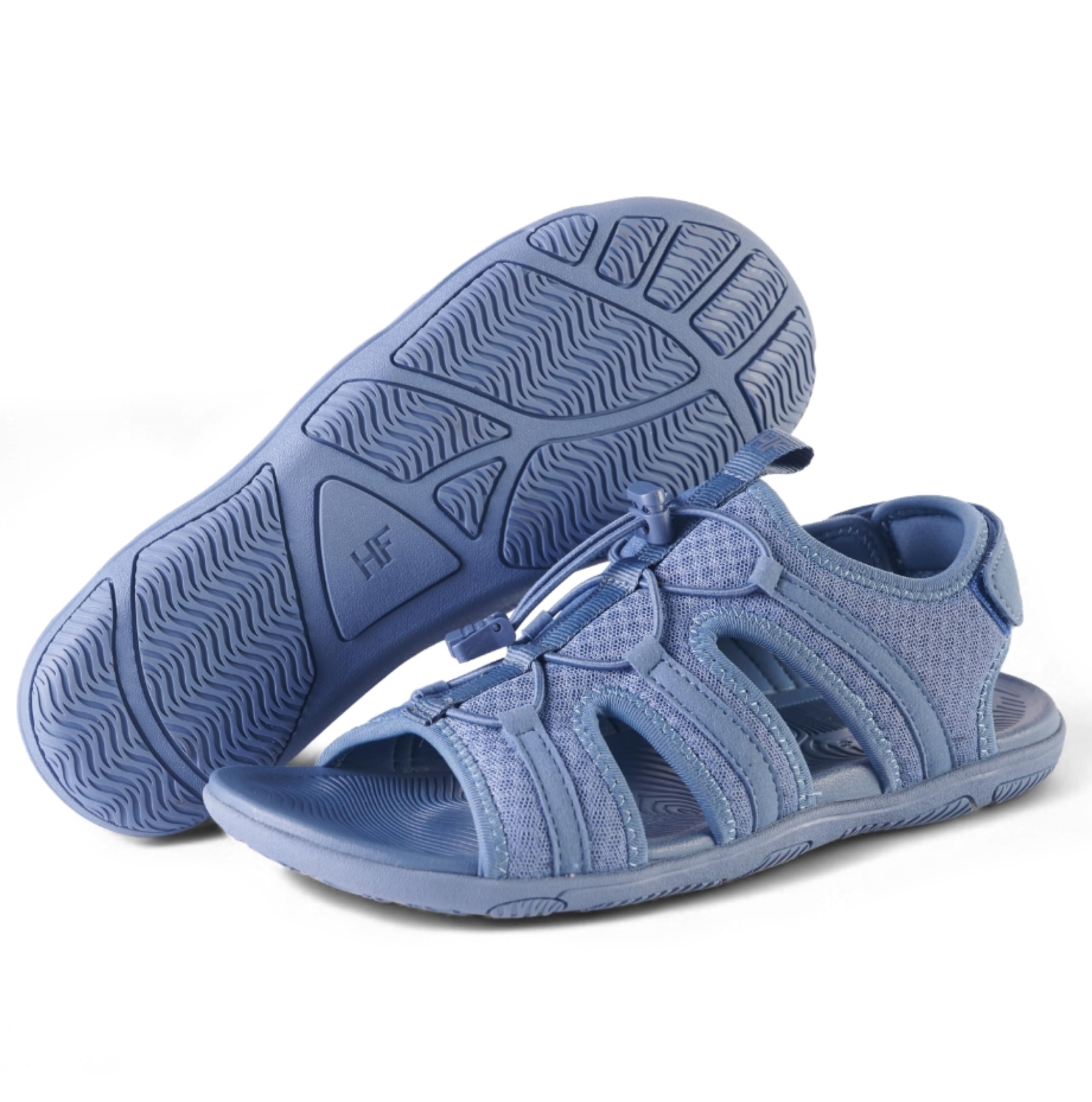
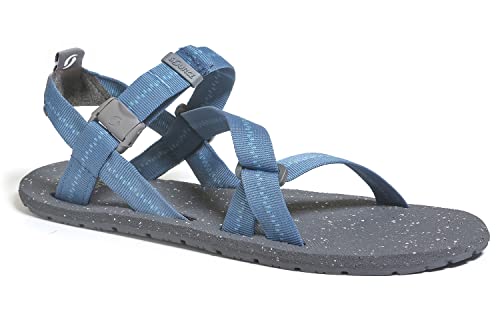
The best barefoot running sandals strip running shoes down to a thin sole and a strap system, letting your feet move naturally while still guarding against road grit and trail debris. Runners choose them for ground feel, lighter weight, and a running form that encourages shorter strides and a midfoot landing. The comparison table below shows the main sandal types so you can compare sole thickness and strap styles.
Running in minimal sandals demands a careful transition, since calves, Achilles tendons, and foot muscles take on work that cushioned shoes used to absorb. This guide explains how to fit running sandals, choose a sole for road or trail, and build mileage without injury, plus the warning signs that mean you should slow down and rest.



Why Runners Choose Minimal Sandals
Minimal running sandals remove heel lift, arch support, and thick cushioning, which lets the foot land and push off naturally. Many runners find that the direct ground feedback encourages a shorter stride and a landing closer under the body, which can reduce overstriding. The light weight also reduces leg fatigue over long runs compared with heavy cushioned shoes.
The trade is that your body must absorb impact through muscle and tendon rather than through foam. That shift is healthy when introduced gradually, but it overloads calves and Achilles tendons when mileage jumps too fast. Minimal sandals suit runners who enjoy form focused training and are willing to rebuild mileage patiently.
Sole Thickness for Road and Trail
Road running sandals often use soles around six to ten millimetres, which balance ground feel with protection from asphalt grit and heat. A thinner road sole feels fast and connected but wears faster on rough pavement, while a slightly thicker sole lasts longer and shields against small stones. Rubber compound matters for road grip in wet conditions, where a sticky compound holds better on painted surfaces.
Trail running sandals need more protection and grip, so soles trend thicker with deeper lugs for mud and loose dirt. A trail sole should still flex by hand, since a stiff sole blocks ground feedback. Match sole thickness to your roughest regular surface rather than to your smoothest, since one rocky section can ruin a run in too thin a sandal.
Strap Systems and Running Fit
Running sandals need straps that hold the foot firmly without rubbing during thousands of strides. Lace systems that wrap the ankle and adjust at several points suit varied foot shapes and let you fine tune tension. Toe post designs feel free but can rub between toes on long runs, so test them on a medium run before committing to a long distance.
Fit sandals while standing and leave a small sole margin beyond toes and heel. Too much overhang trips on uneven ground, while too little leaves toes exposed on downhills. Run a short loop first and check for heel lift, forefoot sliding, and hot spots, since small fit issues grow into blisters over distance.
Transition Plan for New Minimal Runners
Start with short easy runs of ten to fifteen minutes in the new sandals, mixed with your usual shoes for the rest of the session. Add about ten percent to minimal mileage each week, and keep early runs on soft surfaces such as grass or smooth dirt. Calf soreness is common at first, but sharp Achilles pain, swelling, or a limp means you should stop and rest for several days.
Strength work supports the transition, especially calf raises, toe yoga, and single leg balance drills. Keep a log of minimal mileage separate from total mileage so you do not accidentally double your load. Runners with diabetes, neuropathy, stress fractures, or chronic Achilles problems should talk with a clinician before switching to minimal running sandals.
Form Cues That Help Minimal Running
Shorter quicker strides suit minimal sandals, since a stride that lands under the body reduces braking forces on the foot and leg. Aim for a relaxed upright posture with a slight forward lean from the ankles, not from the waist. Let the foot land softly on the midfoot or forefoot rather than reaching forward onto the heel, which jars the leg in thin soles.
Keep arms relaxed and hands unclenched, since tension in the upper body travels down to the stride. Listen to your feet on each run, because ground feedback is the main advantage of minimal sandals and it tells you when form slips. When fatigue makes form collapse, slow down or walk rather than pushing through with poor mechanics.
Care, Wear, and Replacement Timing
Rinse running sandals after muddy or dusty runs and air dry them away from direct heat, which stiffens straps and soles. Inspect straps at buckles and lace holes for fraying, since a strap failure mid run is disruptive and can cause a fall. Check the outsole for smooth patches, especially under the forefoot and heel where wear concentrates.
Replace sandals when grip fades on wet surfaces, when the footbed compresses unevenly, or when straps no longer hold tension. Worn minimal sandals change landing mechanics subtly, which can load tendons unevenly. A fresh pair restores grip and feel, and rotating two pairs extends the life of both while giving each pair time to dry fully.
For everyday minimal footwear, see best barefoot sandals. Runners comparing sandal styles can read best running sandals, while best minimalist running sandals narrows the focus to the most minimal running designs.
Frequently Asked Questions
Are barefoot running sandals safe for beginners?
They are safe when introduced gradually and with attention to pain signals. Beginners should start with very short runs mixed with usual shoes, and build minimal mileage slowly over weeks. Calf and foot soreness is normal early on, but sharp pain, swelling, or limping means stopping and resting. Runners with foot conditions, diabetes, or a history of stress fractures should get clinician advice before switching to minimal sandals.
How do I stop blisters in barefoot running sandals?
Fit is the main defence, since straps that hold the foot without sliding prevent the friction that causes blisters. Test fit on a medium run before long distances, and adjust strap tension at several points rather than cranking one strap tight. Keep feet dry when possible, since wet skin blisters faster, and tape known hot spots before a long run. Any blister that breaks should be cleaned and covered before the next run.
Can I run marathons in barefoot sandals?
Experienced minimal runners do complete marathons in sandals, but only after a long gradual build of minimal mileage and form work. The feet, calves, and Achilles need months to adapt to the load of long distances without cushioning. Road heat, debris, and wet conditions add challenges over marathon distance, so test sandals in race like conditions during training. Most runners should treat a marathon in sandals as a long term goal, not a first minimal target.
Do barefoot running sandals improve running form?
They encourage form changes, since ground feedback rewards shorter strides and landings under the body. That feedback helps many runners reduce overstriding, which is a common source of braking forces. Sandals alone do not guarantee good form, and tired runners can still overstride in minimal footwear. Combine sandals with form drills, gradual mileage, and attention to fatigue, and treat form as a skill to practise rather than an automatic result.
What is the difference between barefoot sandals and minimalist shoes?
Barefoot sandals use a thin sole plus straps and leave the foot open to air, while minimalist shoes enclose the foot with a thin sole and a light upper. Sandals ventilate better and dry faster after water, while shoes protect toes and keep debris out. Sandals suit warm weather and runners who want maximum ground feel, while minimalist shoes suit cold weather, rough trails, and runners who want toe protection without much cushioning.
Final Thoughts
Barefoot running sandals offer a direct, light, and form focused way to run, but they reward patience above all. Fit the straps carefully, choose a sole for your surfaces, and build mileage slowly while listening to calves and feet. Use the product table above to compare road and trail options, then commit to a transition plan rather than a single purchase. The best barefoot running sandals are the ones that let you run naturally, comfortably, and injury free for many miles.


