
Best Barefoot Hiking Sandals 2026: Trail Fit and Grip Guide
Disclosure: We may earn a commission when you buy through links on this page, at no extra cost to you. As an Amazon Associate I earn from qualifying purchases. Learn more

Learn how sole thickness, grip and straps shape the best barefoot hiking sandals, and how to build trail distance without sore feet.
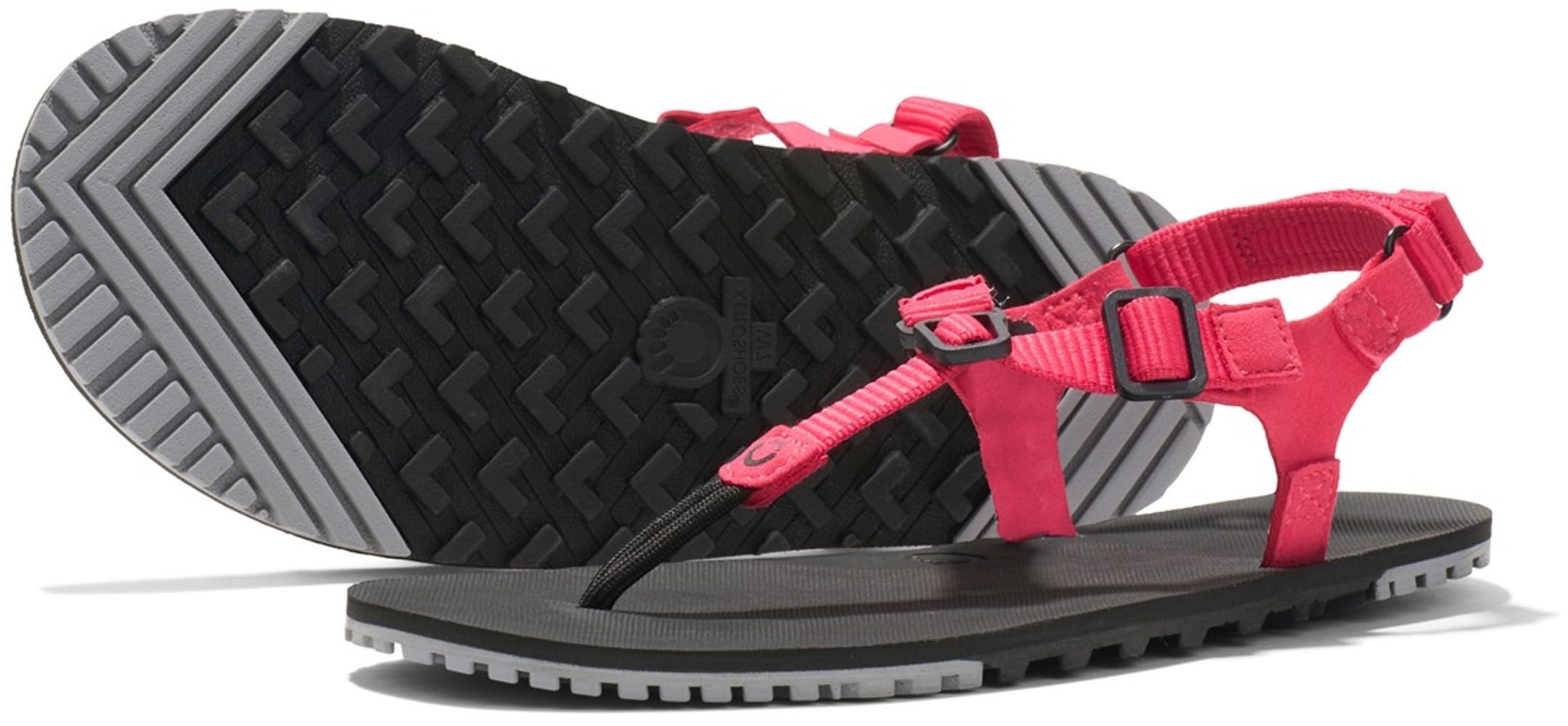
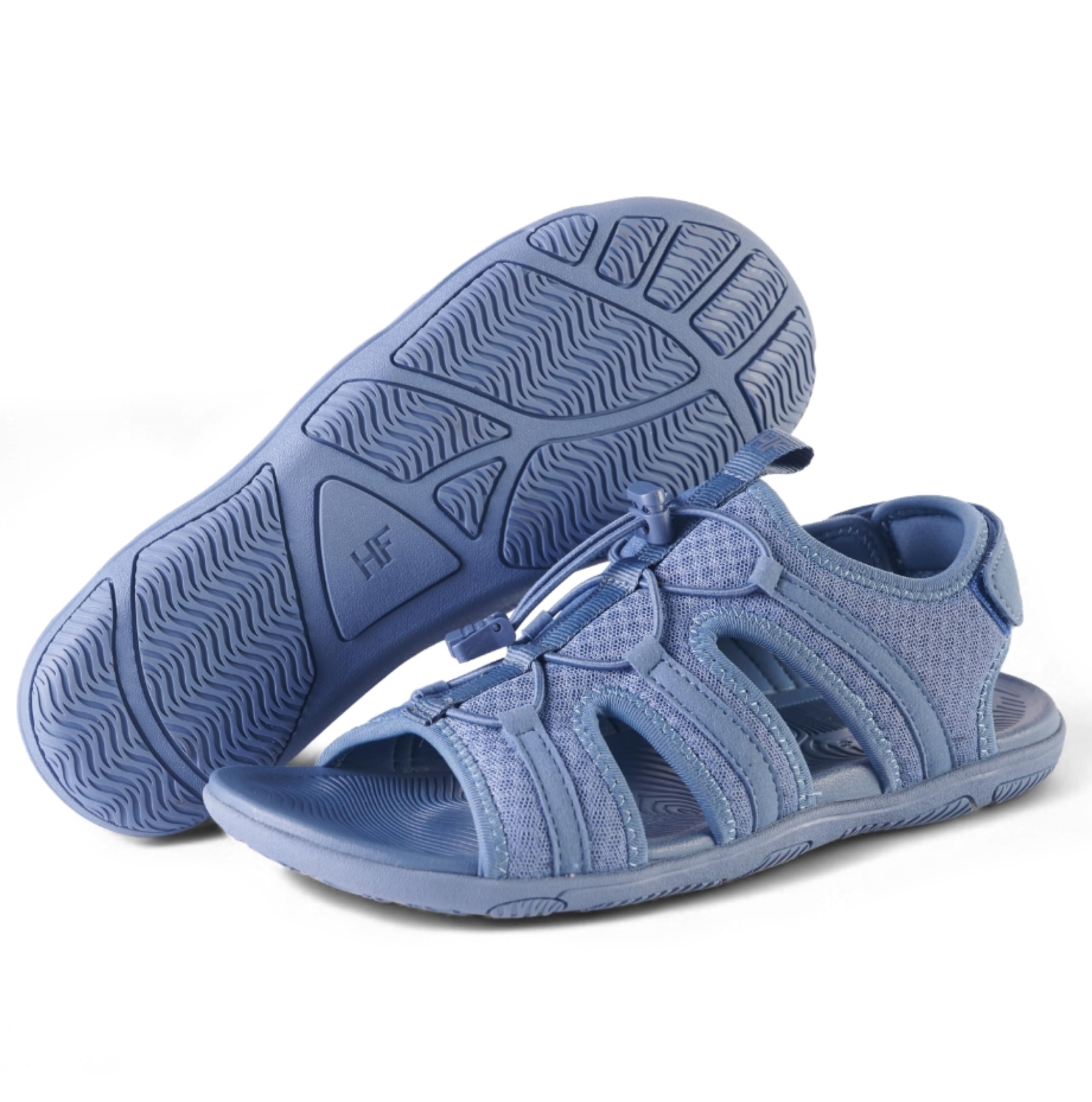
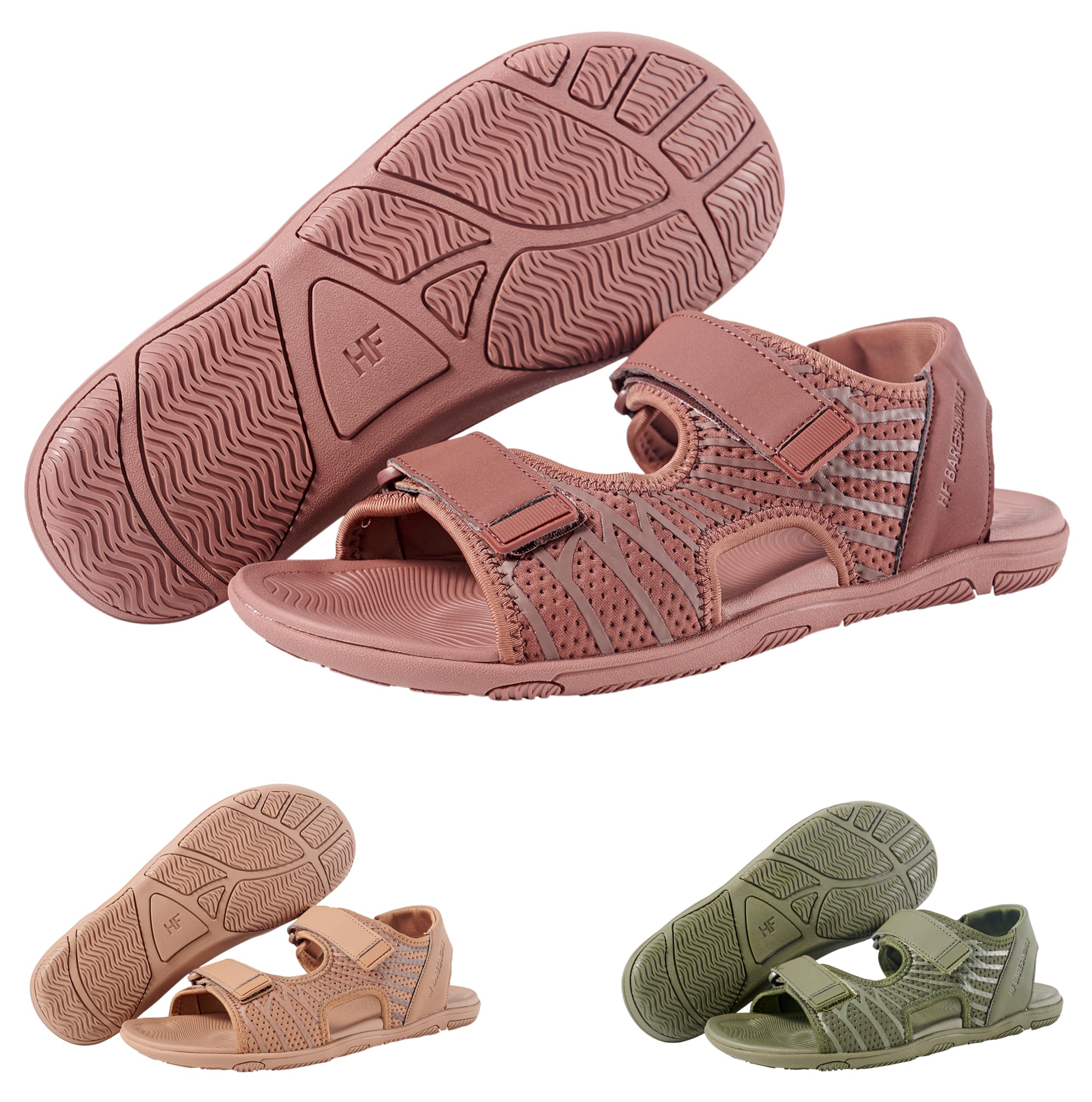
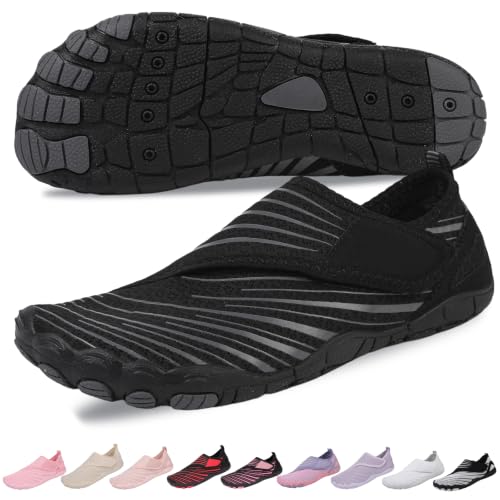
The best barefoot hiking sandals let your feet feel the trail while still protecting them from sharp rocks and rough ground. Minimal sandals use a thin flexible sole, a wide toe box, and a secure strap system to encourage natural foot movement rather than cushioning every step. The comparison table below shows the main sandal styles so you can compare sole thickness and strap designs.
Barefoot hiking is a transition, not just a purchase, and the wrong start leads to sore calves and tired feet. This guide explains how sole thickness and grip affect trail feel, how straps should fit, and how to build distance gradually so your feet adapt without injury. Foot health guidance is included where it matters for hikers with existing foot problems.


What Makes a Sandal Barefoot
A barefoot sandal has a thin sole, usually under about ten millimetres, with little or no arch support and no raised heel. That flat profile lets the foot land naturally and lets toes spread for balance on uneven ground. The sole should flex easily when you twist and bend it by hand, since a stiff sole blocks the ground feedback that barefoot hiking is built on.
A wide toe box matters as much as sole thickness, because toes need room to splay on descents and across rocks. A narrow toe box squeezes the forefoot and defeats the purpose of a minimal design, so check that your toes lie flat and spread inside the sandal shape. Zero drop, meaning heel and forefoot at the same height, keeps posture neutral on long walks.
Sole Thickness, Protection, and Grip
Sole thickness trades ground feel against protection. A very thin sole around four to six millimetres gives the strongest ground feel and suits smooth trails and experienced minimal hikers. A thicker sole around eight to ten millimetres still feels flexible but shields against sharp stones and rough gravel, which suits rougher trails and longer days.
Outsole grip comes from rubber compound and lug pattern rather than thickness alone. Shallow lugs grip dry rock and dirt well, while deeper lugs shed mud and bite on loose descents. A sticky rubber compound grips wet rock better than a hard durable compound, though it wears faster on abrasive trails, so match rubber to your usual terrain.
Straps, Fit, and Foot Security
Strap systems decide whether a sandal stays put on steep descents and river crossings. A toe post plus ankle straps suits many hikers, while a full lace system that wraps the ankle gives finer adjustment for narrow or wide feet. Straps should hold the heel without rubbing the Achilles and hold the forefoot without squeezing the toes.
Fit a barefoot sandal while standing with weight on the foot, and leave a small margin of sole beyond the toes and heel. Too much overhang catches on rocks, while too little leaves toes exposed on descents. Walk on a slope if possible before committing, since downhill fit reveals heel slip and toe pressure that flat ground hides.
Transitioning Safely to Minimal Hiking
Transition gradually, because feet and calves need weeks to adapt to less cushioning and support. Start with short flat walks in the new sandals, then add gentle hills and rough ground over several weeks. Soreness in calves and foot muscles is common early on, but sharp pain, swelling, or pain that changes how you walk means you should stop and rest.
Alternate minimal sandals with your usual hiking shoes during the transition, and keep early hikes short even when you feel good. Strength work for feet and calves, such as toe spreads and calf raises, supports the change. Hikers with diabetes, neuropathy, or a history of foot ulcers should talk with a clinician before switching to minimal footwear, since reduced protection raises injury risk for those feet.
Water, Mud, and Trail Conditions
Barefoot sandals handle water crossings better than shoes because they drain quickly and dry fast. A sandal that drains well avoids the squelching and blister risk of soaked shoes, and quick dry straps stay comfortable after a stream crossing. Check that straps do not stretch badly when wet, since a loose wet strap lets the foot slide on descents.
Mud and loose gravel test strap security and outsole grip together. Deeper lugs shed mud better, while a snug strap system keeps the foot centred when the sandal clogs. After muddy hikes, rinse sandals and let them air dry away from direct heat, since heat stiffens straps and soles over time.
Care, Lifespan, and When to Replace
Rinse sandals after dusty or muddy hikes and air dry them fully before storage. Sunlight degrades straps and rubber over time, so store sandals out of prolonged direct sun. Inspect straps for fraying at buckles and lace holes, since a strap failure on a remote trail is more than an inconvenience.
Replace sandals when the outsole wears smooth in the main contact zones, when the footbed compresses unevenly, or when straps no longer hold adjustment. Worn grip changes footing on wet rock and steep ground, which raises fall risk. A fresh pair restores the grip and ground feel that make barefoot hiking enjoyable rather than tentative.
For everyday minimal options, see best barefoot sandals. Women can compare fits in best hiking sandals for women, while best barefoot hiking shoes covers closed toe minimal hiking. For wet trail days, best hiking and water sandals focuses on drainage and grip.
Frequently Asked Questions
Are barefoot hiking sandals good for long hikes?
They can be, once your feet have adapted to minimal footwear over weeks of gradual use. Experienced minimal hikers cover long distances in thin sandals, but beginners should build distance slowly to avoid calf and foot strain. Rough terrain and heavy packs increase demands on feet, so match sole thickness to trail roughness and load. Take a backup pair on remote hikes until you trust the sandals for full days.
How thick should a barefoot hiking sandal sole be?
A sole between about four and ten millimetres suits most barefoot hikers, with thinner soles giving more ground feel and thicker soles giving more protection. Smooth trails suit the thinner end, while rocky trails and longer days suit the thicker end. The sole should still flex easily by hand at any thickness in this range. Choose by your trail roughness and your adaptation level rather than by the thinnest option available.
Do barefoot sandals help with foot strength?
Minimal sandals encourage foot muscles to work more than cushioned shoes, because the foot moves naturally and toes spread for balance. That added work can build strength over time when distance increases gradually. The benefit disappears if you jump to long hikes too fast, since overloaded muscles and tendons become sore or injured. Pair minimal hiking with gradual mileage and simple foot strength exercises for the best result.
Can I hike in barefoot sandals with flat feet?
Many people with flat feet hike in minimal sandals, but the transition needs care and attention to pain signals. Flat feet may tire faster without arch support, so build distance slowly and watch for arch or ankle pain that persists after a hike. Custom orthotics do not fit most barefoot sandals, so the foot must adapt to working without them. Talk with a podiatrist if you have persistent pain, a foot condition, or a history of foot injury before switching.
How do I keep barefoot hiking sandals from slipping?
Fit straps snugly while standing, with the heel held without rubbing and the forefoot secure without squeezing toes. Lace style systems give finer adjustment than fixed straps for unusual foot shapes. Wet straps can stretch, so recheck fit after stream crossings and tighten as needed. Test the fit on a downhill slope before a long hike, since descents reveal heel slip that flat ground hides.
Final Thoughts
Barefoot hiking sandals reward patience and careful fit. A thin flexible sole, a wide toe box, and a secure strap system give natural movement and trail feel, while a gradual transition protects feet and calves from overload. Use the product table above to compare sole thickness and strap designs, then choose the sandal that matches your trails and your adaptation level. The best barefoot hiking sandals feel like an extension of your feet, letting you read the trail through your soles while staying protected enough to enjoy the walk.


