Best Barbeque Grills to Buy of 2026: Complete Buying Guide
Disclosure: We may earn a commission when you buy through links on this page, at no extra cost to you. As an Amazon Associate I earn from qualifying purchases. Learn more

Compare the best barbeque grills to buy by fuel, cooking area, heat and cleanup, with clear sizing and care guidance to choose the right grill for your home.
Choosing a grill sounds simple until you compare fuel types, sizes, and heat ratings side by side. The best barbeque grills to buy for your home depend on how often you cook, how many people you feed, and how much time you want to spend on cleanup. This guide walks through each decision in plain terms so you can narrow your choices with confidence.
Start with the comparison table below to see sizes and fuel types at a glance. Then use the sections that follow to match a grill to your space, your cooking style, and your budget before you spend anything.




Who Should Buy Which Barbeque Grill?
Most buyers fit one of three patterns. Finding yours early saves time because it rules out whole categories at once and points you toward the features that matter most for your meals.
Backyard Hosts Who Cook for Groups
You cook for family gatherings and game days. You need a wide cooking area, a warming rack for finished food, and enough burner power or charcoal space to keep batches moving. A larger gas or pellet model suits you best because it holds steady heat while you serve.
Flavor Focused Cooks Who Love Smoke
You care most about deep smoke flavor and you enjoy tending a fire. Charcoal and pellet cooking reward patience with rich results on ribs, brisket, and pulled pork. You will accept longer startup times and more cleanup in exchange for that flavor. Look for good airflow control, a tight fitting lid, and room for indirect heat so you can cook low and slow.
Busy Cooks Who Want Fast Starts
You grill on weeknights and you want dinner ready without a long wait. Gas and electric models start in minutes and let you adjust heat with a dial. You will trade some smoke flavor for speed and simple cleanup. A compact two or three burner gas grill often fits your life best if you usually cook smaller amounts.
How to Choose a Barbeque Grill: Buying Guide
The product table above gives you a quick shortlist, but the details below decide whether a grill still feels right after a full season of use. When you compare the best barbeque grills to buy for your own routine, these are the points that separate a good match from a costly mistake.
Fuel Type
Gas lights fast and gives precise control, which makes it ideal for weeknight cooking. Charcoal takes longer to light but reaches very high heat and adds classic smoke flavor. Pellet grills burn wood pellets and hold a set temperature with little attention. Electric models need only an outlet, so they suit places where open flame is not allowed. Pick the fuel that matches your patience and your flavor goals.
Cooking Area and Capacity
Cooking area is listed in square inches and it tells you how much food fits at once. About 400 to 500 square inches handles burgers for a family of four plus sides, while 600 square inches or more serves larger groups without constant batching. Count the primary cooking area separately from the warming rack, because the rack keeps food warm rather than cooking it fully. More space also means more fuel used on small meals, so size for your usual group first.
Fuel Cost and Availability
Think about what each cookout will cost you over time. A standard propane tank fuels many gas grill sessions and swaps easily at most stores, while charcoal is sold in bags that you store dry at home. Pellets cost more per pound and work best when you buy in larger bags. Electric grills simply add a modest amount to your power use. Choose a fuel you can buy nearby, because running out mid cook is frustrating.
Heat Output and Temperature Range
Heat output is often shown in BTU, but the number matters most when you compare it with cooking area. A grill with modest BTU on a small surface can still sear well, while a large grill needs more total power to stay hot with the lid open. For smoking, check that the grill can hold about 225 degrees Fahrenheit for hours. For steaks, you want strong direct heat for a good sear. A built in lid thermometer helps, though a separate meat probe gives more accurate readings.
Portability and Footprint
Measure your patio, deck, or balcony before you shop and leave clear space around the grill for safe movement. Large cart models with sturdy wheels move easily for storage but take real floor space. Smaller portable grills fold or have removable legs, which suits camping and tight balconies. Check the weight as well, because a grill you cannot move alone will stay wherever it first lands.
Ash, Grease Management, and Cleanup
Cleanup design shapes how often you will actually grill. Charcoal models with a removable ash catcher empty in seconds, while basic pans need careful scooping once cool. Gas and pellet grills rely on a grease tray or cup that catches drips. Look for trays you can reach from the front and grates you can lift out for washing. Cast iron grates hold heat well for a sear, but they need oiling to prevent rust.
Assembly and Warranty
Most full size grills arrive in parts and take one to two hours to build with basic tools, so read the manual fully before you start and keep fasteners sorted. Check what the warranty covers, because burners, grates, and the firebox often carry different terms. Longer coverage on burners matters most for gas models, since burners face direct flame and grease. Save your receipt and register the grill if the maker offers it.
Types of Barbeque Grills
Each type below cooks the same foods in a different way. Use this overview to confirm your fuel choice before you focus on size and price.
Charcoal Grills
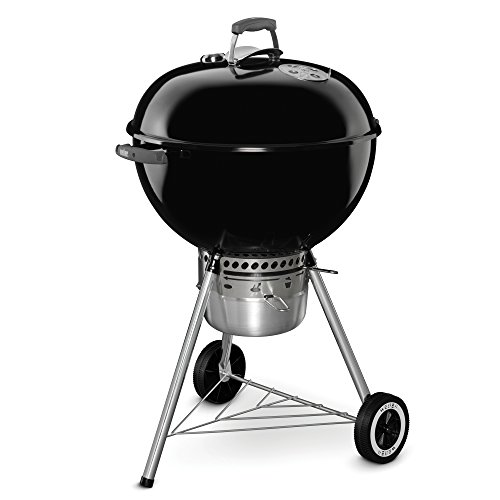
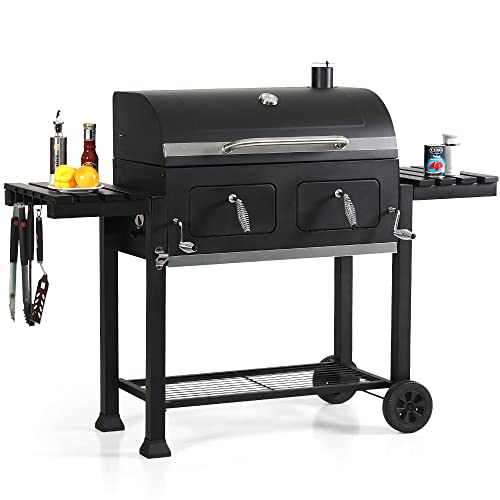
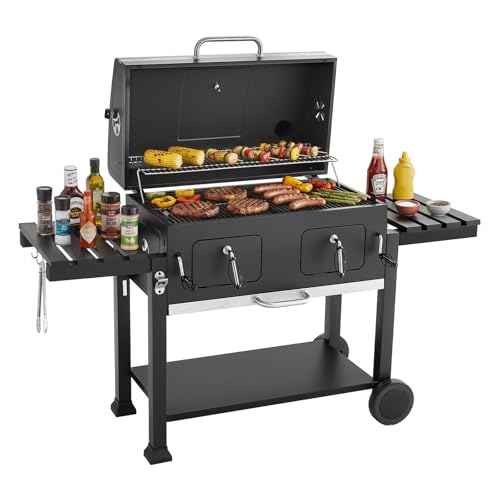
Charcoal grills burn briquettes or lump charcoal in a firebox under the grate. They deliver high heat and true smoke flavor at a lower purchase price than most other types. The trade off is time, since coals need about 20 to 30 minutes to ash over before cooking. If flavor comes first, see our guide to the best coal grills for models built around coal cooking.
Pellet Grills and Smokers
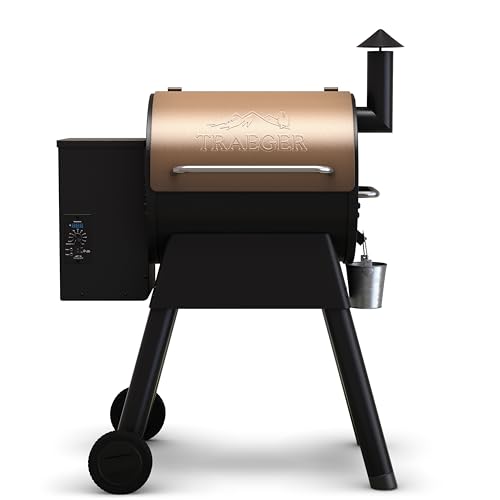
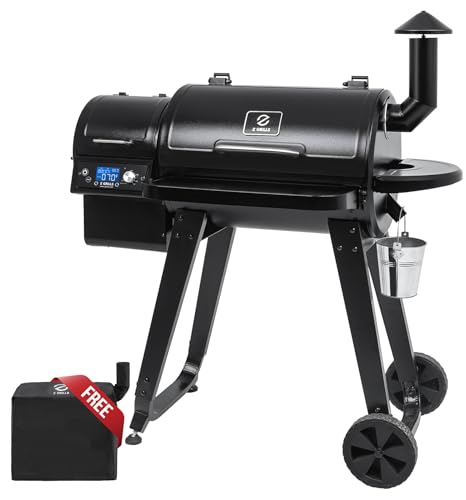
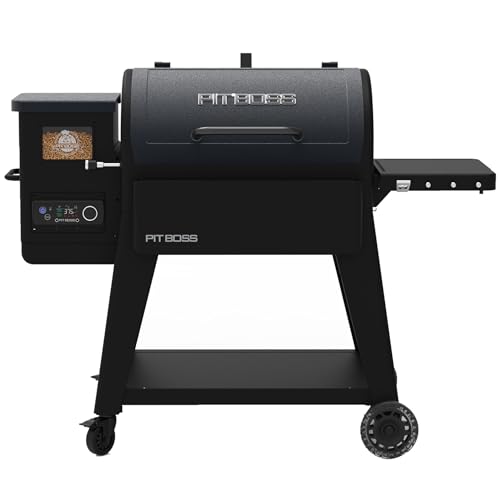
Pellet grills and smokers feed wood pellets from a pellet hopper into a small fire pot with an auger and a fan. A controller holds your set temperature, so long cooks need little watching. They excel at low and slow smoking and gentle roasting, though most reach only moderate sear heat. Expect a higher price and a need for outdoor power.
Gas Grills
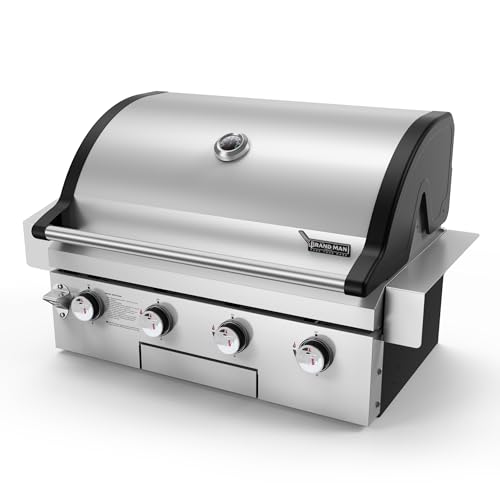
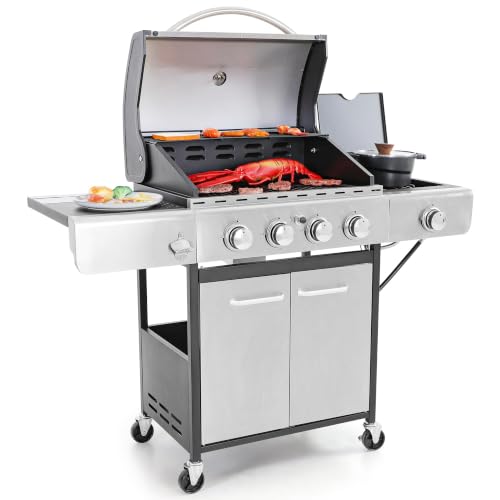
Gas grills burn propane or natural gas through tube burners under flavor bars or plates. They start with a push button igniter and reach cooking heat in about 10 minutes. Heat zones let you sear on one side and finish food gently on the other. To compare burner layouts, see our guide to the best gas barbeque grills.
Picking the Right Barbeque Grill for Different Uses
Some buyers want one grill that does two jobs. The two options below serve that need in different ways, and each asks for a little extra space and budget.
Best Combo Barbeque Grills
The best combo barbeque grills pair two fuel sources in one unit, most often gas on one side and charcoal on the other. Judge a combo by whether each side is large enough to cook a full meal on its own, because a cramped side becomes a novelty you stop using. Also check that each side has its own lid and gauge, and plan extra patio space for the wider frame.
Best Pellet Barbeque Grills
The best pellet barbeque grills stand out for steady temperature control, generous hopper size, and reliable smoke at low settings. A larger pellet hopper lets you smoke through a long afternoon without refilling. Look for a controller that holds heat within a narrow range. For a hard sear, finish meat in a hot cast iron pan. WiFi controls are a bonus, not a must.
How to Make Your Barbeque Grill Last Longer
A grill that is cared for cooks better and lasts for many seasons. These habits take little time and they protect the parts that wear out first, such as grates, burners, and igniters.
- Preheat the grill for 10 to 15 minutes before cooking so grates get hot enough to release food cleanly and burn off residue from the last cook.
- Clean the grates while they are still warm with a stiff brush or a ball of foil held in tongs, then wipe them with a lightly oiled cloth.
- Cover the grill whenever it sits outdoors, and check under the cover each month for rust spots you can sand and touch up early.
- Check gas connections with soapy water each season, and replace any hose that bubbles, cracks, or feels stiff.
- Empty ash and grease only when fully cool, and store charcoal and pellets in sealed dry containers so fuel lights well next time.
Once a year, do a deeper clean. Remove the grates and heat plates, scrape the firebox, and clear burner ports with a soft brush so flames burn evenly. If you use liquid propane most of the time, see our guide to the best lp grills for care notes specific to tank fed models.
Frequently Asked Questions
Can I use a barbeque grill on a balcony?
You can use a barbeque grill on a balcony only if your building and local fire rules allow it. Many apartment buildings ban charcoal and full size propane grills on balconies, while small electric models are often permitted. Keep any grill away from walls and railings and never leave it unattended. When in doubt, ask your building manager in writing before you buy, because the answer decides which fuel you can own.
What type of barbeque grill gives the best flavor?
A charcoal barbeque grill gives the strongest classic smoke flavor, with pellet models close behind. Charcoal and burning wood create compounds that coat food as it cooks, which gas flames alone do not produce. Gas grill owners can add a smoker box filled with wood chips to gain some of that flavor. Marinades, rubs, and resting meat properly matter just as much, so treat fuel as one part of flavor.
Is a pellet barbeque grill worth the cost?
A pellet barbeque grill is worth the cost if you smoke food often and value steady temperatures without watching a fire. The controller holds heat for hours, which makes brisket and ribs far less stressful. It is harder to justify if you only grill burgers a few times each summer, because a simple gas or charcoal model costs less and starts faster. Factor in pellet costs too.
How often should I clean my barbeque grill?
You should clean your barbeque grill grates after every cook and do a deeper clean every few months. Brushing warm grates takes a minute and stops buildup from turning into sticky residue that flavors food badly. Empty the grease tray whenever it looks half full, because pooled grease can flare up and scorch food. A seasonal deep clean also lets you spot rust and worn igniters early.
How long should a good barbeque grill last?
A good barbeque grill should last about 5 to 10 years with regular care, and sturdy models can serve longer. Life span depends on materials, how often you cook, and whether the grill stays covered between uses. Among the best barbeques grills, replaceable parts such as burners and grates extend service life because you can swap worn pieces instead of replacing the whole unit.
Final Thoughts
Start with fuel, then size the cooking area for your usual group, then check heat range and cleanup design. Those four choices matter more than extra burners or decorative trim. Timing can help your budget too, so see our guide to the best time to buy grills before you order. Compare your shortlist with the product table above, and if you want a broader view of styles, see our guide to the best bbq grills as a final check. Choose the best barbeque grills to buy for your space and routine, and your first cookout will feel easy.