
Best Barbecue Cookers: What Actually Matters Before You Buy in 2026
Disclosure: We may earn a commission when you buy through links on this page, at no extra cost to you. As an Amazon Associate I earn from qualifying purchases. Learn more
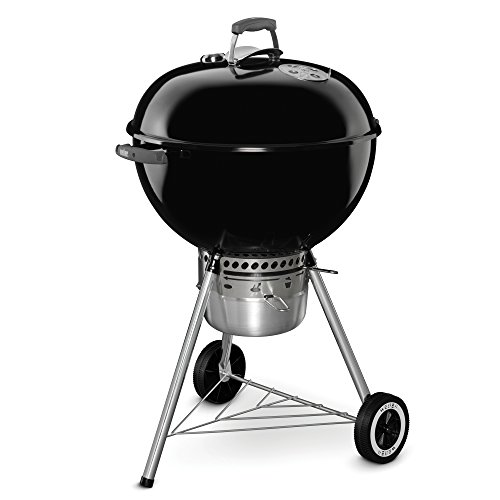
Choose the best barbecue cookers by fuel, cooking area, build, and cleanup, with price tiers for any yard and group size.
Barbecue cookers all promise great flavor, but the differences that decide your weekends are practical ones: how steady the heat stays, how much food fits, and how hard cleanup feels afterward. This guide gives you a clear checklist for judging the best barbecue cookers on the specs that change results, not on marketing claims. Work through the criteria first, then use the comparison table below to sort models by type and size.
By the end you will know which fuel suits your patience, how much cooking area your group truly needs, and which warning signs should send you back to shopping.
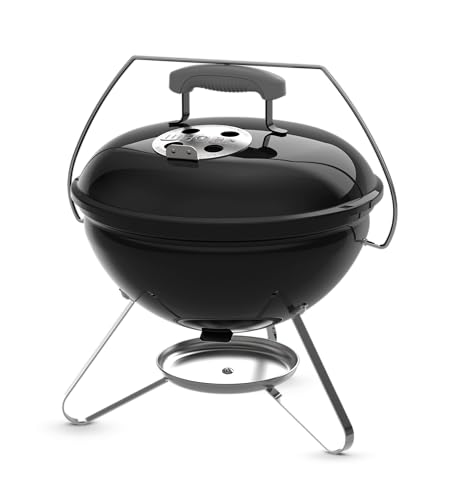
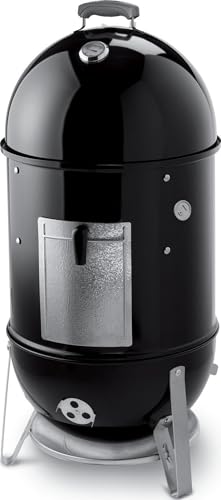
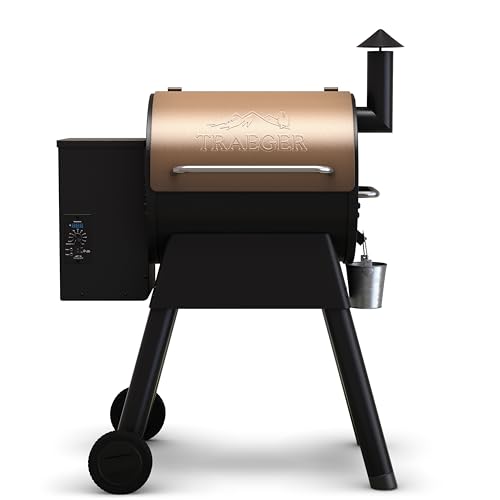
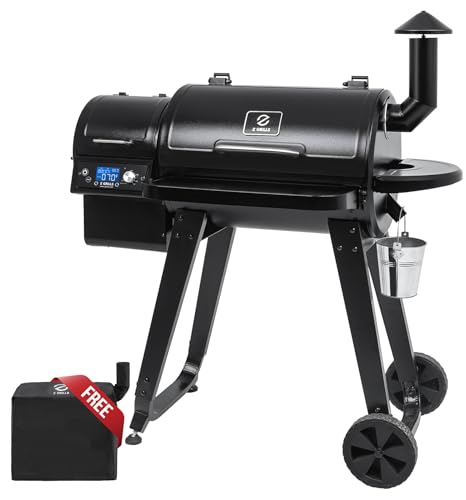
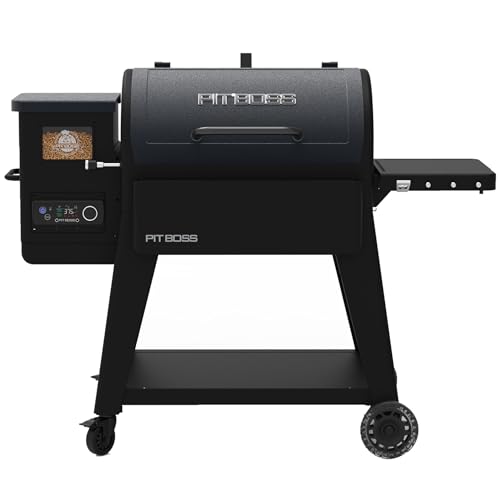

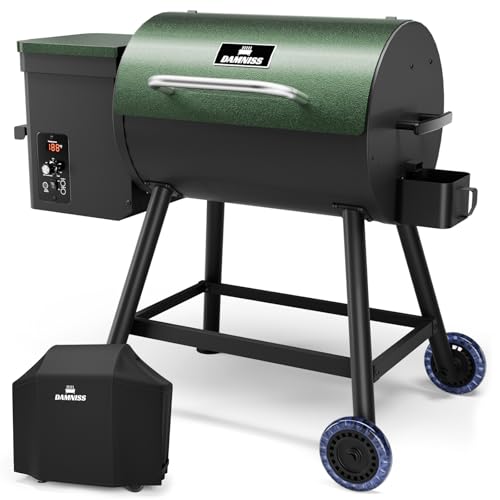
How to Evaluate Barbecue Cookers
Think of the six criteria below as a scoring sheet. A cooker that does well on fuel fit, build, and heat control will serve you happily even if it lacks fashionable extras.
Fuel Type (Gas, Charcoal, Pellet, Electric)
Fuel shapes flavor, effort, and running cost more than any other choice. Charcoal gives the deepest smoke flavor and the highest searing heat, but it asks for lighting time and ash handling. Gas lights instantly and holds steady temperatures with a dial, which suits weeknight cooking, though the smoke character is milder. Pellets automate temperature control and add gentle wood smoke, at the cost of electricity and ongoing pellet purchases. Electric models work where open flame is banned, such as some balconies, but they sear the weakest. Match fuel to your patience first, because a cooker you find tedious simply gets used less.
Build Quality and Materials
Build quality decides whether a cooker survives three seasons or ten. Look for a thick steel body that feels heavy for its size, since thin metal loses heat and warps near the firebox. Stainless steel in grade 304 resists rust far better than lower grades, and porcelain coated cast iron grates hold heat for strong sear marks while resisting sticking. Check the lid fit by closing it and looking for gaps that leak smoke and heat. Hinges, handles that stay cool, and sturdy legs or locking casters all signal a maker that sweated the details you will touch every cook.
Ash, Grease Management, and Cleanup
Cleanup design decides how often you cook, because nobody repeats a chore they dread. Charcoal models should have a removable ash catcher or a sweep system that empties without tipping the cooker. Grease needs a managed path into a tray or cup you can reach and empty, since pooled grease causes flare ups and rancid smells. Smooth interior surfaces and grates that lift out easily make a five minute wipe realistic. A practical know how point: line a removable grease tray with foil before long cooks, and cleanup becomes a lift and toss job instead of a scraping session.
Assembly and Warranty
Expect about one to three hours of assembly for most freestanding cookers, and judge the manual as much as the metal: clear diagrams and labeled hardware predict a calm afternoon. Warranty terms reveal where a cooker is weak. Burners and fireboxes should carry at least five years of coverage on better models, while a one year warranty on the whole unit is a budget signal. Note whether coverage includes rust through on the body, because surface rust wording leaves the expensive failures unprotected. Keep the receipt and a photo of the serial plate, which speeds any claim.
Heat Output and Temperature Range
Heat specs only matter when read correctly. For gas models, total BTU divided by cooking area tells you more than the headline number; roughly 80 to 100 BTU per square inch supports strong searing. For barbecue, though, the low end matters just as much: a good cooker should hold about 225 degrees Fahrenheit for hours so ribs and brisket cook low and slow without constant tending. Pellet models with a PID controller hold set temperatures within a narrow band, which is why they suit overnight cooks. Whatever the fuel, two zone capability, meaning a hot side and a cooler side, gives you control that raw power cannot.
Cooking Area and Capacity
Cooking area is measured in square inches, and the primary grate is the number that counts; warming racks add holding space, not true cooking space. As a guide, about 300 to 400 square inches handles burgers for a family with room to move food around, while 500 square inches and up suits parties and large cuts like whole briskets. Think in meals, not inches: a cooker that fits twelve burgers at once feeds a typical gathering in two batches. Vertical smokers use tall racks to fit more food in a small footprint, which helps on narrow patios where floor space is the real limit.
Three Price Tiers That Pass the Checklist
Instead of chasing named models, judge each price tier in the product table above against the checklist. The tiers below describe what your money should deliver at each level.
The Overall Sweet Spot Tier
At around $400 to $800, cookers should deliver thick steel or quality stainless parts, cast iron grates, a real grease system, and temperature control you can trust for low and slow cooking. This tier suits the household that cooks most weekends and wants one machine for both grilling and smoking. Expect warranties of five years or more on burners and fireboxes. The typical trade off is size: you get family capacity, not party capacity. For most buyers this tier ends the search, because it passes every checklist item without paying for commercial scale.
The Value Tier
At around $150 to $400, you can still cook excellent food if you choose carefully. Prioritize a solid body, a decent ash or grease system, and a lid that seals, and accept thinner grates and simpler controls. Kettle style charcoal models are the classic value play because the design is proven and parts are cheap. Shoppers who love charcoal should also read our guide to the best charcoal barbecue grills for a deeper look at that fuel. The trade off is longevity: plan on cover discipline and eventual grate replacement to stretch the years.
The Compact Tier
Compact cookers at around $100 to $350 trade cooking area for a footprint that fits balconies and small patios, with primary areas often near 200 to 300 square inches. Judge them on stability, since a tall narrow cooker that wobbles is unsafe around kids and pets. Tabletop and small vertical designs work best here. Heat control matters more, not less, in a small cooker, because food sits closer to the fire. If local rules ban open flame, an electric compact model may be the only legal option, so confirm building rules before you buy anything.
Quick Buyer Checklist
- Does the fuel match the time and effort you will honestly give each cook?
- Can the cooker hold about 225 degrees Fahrenheit steadily for low and slow recipes?
- Is the primary cooking area large enough for your usual group in two batches or fewer?
- Does grease drain into a tray or cup you can reach and empty easily?
- Is the body steel thick and the lid seal tight when you close it?
- Do burners or the firebox carry at least five years of warranty on midrange models?
- Will the cooker fit your patio with safe clearance from walls, rails, and overhangs?
- Can you buy replacement grates, igniters, and covers for this style easily?
Red Flags to Watch For
- Vague heat claims. A listing that shouts a huge BTU number but hides cooking area is steering you away from the real comparison.
- No temperature gauge or a toy one. A missing or wildly inaccurate lid thermometer makes low and slow cooking guesswork.
- Very short warranty. Ninety days of coverage on a fire exposed product signals the maker expects early failures.
- Unreachable grease paths. If you cannot see how grease leaves the cooker, it will pool, flare, and smoke.
- Flimsy legs and lids. A cooker you can flex by hand in the store will warp faster once real heat cycles begin.
Thick steel, tight lids, and heavy grates are the quality signals to look for across every cooker type.
Tips to Get the Most From Your Barbecue Cooker
Preheat 10 to 15 minutes before cooking so grates are hot enough to sear and release food cleanly. Clean grates while warm with a stiff brush or a ball of foil held in tongs, because residue comes off in seconds before it hardens. Cover the grill between uses and check for rust each season, touching up small spots before they spread. A meat probe thermometer removes the guesswork from thick cuts; pull food by temperature, not by the clock, and your results will steady immediately.
Safety belongs in every routine. Cook outdoors only, with ventilation around the cooker, since charcoal and gas both produce carbon monoxide that must never build up in a garage or tent. Keep children and pets clear of hot surfaces, and let ash cool fully in a metal container before disposal.
Frequently Asked Questions
What type of barbecue cooker gives the best flavor?
Charcoal gives the strongest classic barbecue flavor because burning charcoal and dripping juices create smoke that gas cannot fully copy. Pellets come second, with a cleaner wood smoke that many people prefer for poultry and fish. Flavor also depends on wood choice: fruit woods taste mild and sweet, while oak and hickory taste bolder. If flavor ranks first and time ranks second, charcoal wins; if you want smoke flavor with set and forget control, pellets are the practical answer.
How big of a barbecue cooker do I need?
Most households need about 400 to 500 square inches of primary cooking area. That space fits a family dinner plus sides, or party burgers in two reasonable batches. Cook for crowds monthly and 600 square inches earns its patio space. A measuring trick: count the burgers your group eats, multiply by about 16 square inches each, and add a third for moving food around. Buying one size up is cheaper than buying twice, but two sizes up wastes fuel on every small cook.
How long should a good barbecue cooker last?
A good barbecue cooker should last about seven to twelve years, and premium builds can pass fifteen. Life depends on steel thickness, cover use, and whether burners and grates get replaced as wear parts instead of condemning the whole unit. Coastal air shortens life, so rinse salt spray off exterior surfaces. The firebox and lid are the parts that must survive; budget for one grate replacement midlife and the math favors a quality cooker strongly.
How often should I clean my barbecue cooker?
Brush grates after every cook while they are still warm, empty ash and grease after every few cooks, and do a deep clean once or twice a season. Ash left in the bottom absorbs moisture and turns corrosive, which quietly eats steel from the inside. Grease trays need attention before they overflow, not after. A five minute routine per cook is the whole secret; cookers rarely die from cooking, they die from sitting dirty and wet between cooks.
Can I use a barbecue cooker on a balcony?
You can only use a barbecue cooker on a balcony if your building rules and local fire code allow it, and many apartments ban charcoal and gas outright. Electric models are the usual permitted option. Keep any cooker well clear of railings, siding, and stored items, and never leave it unattended. When rules are unclear, ask the building manager in writing before buying; a cooker you cannot legally light is the most expensive kind.
Is a pellet grill worth it?
A pellet grill is worth it if you value steady temperatures and long unattended cooks. The PID controller feeds pellets as needed, so brisket and pork shoulder hold low temperatures for hours with little tending. The trade offs are price, pellet costs, and dependence on electricity. Pellet smoke flavor is gentler than charcoal, which some people love and some find mild. If your cooking is mostly fast weeknight grilling, the extra cost buys convenience you will rarely use.
Wrapping Up
Decide by fuel fit, temperature control, and cooking area, in that order, and most listings sort themselves. Build quality and cleanup design then tell you how many years that choice will last. When you compare the best barbecue cookers against this checklist and the product table above, you buy once and cook happily for a long time.

