
Best Bang for Your Buck Hardtail Mountain Bike: Everything to Know Before Your First Purchase for 2026
Disclosure: We may earn a commission when you buy through links on this page, at no extra cost to you. As an Amazon Associate I earn from qualifying purchases. Learn more

Frame fit, brakes, gearing and fork decide value. A first-time guide to the best bang for your buck hardtail mountain bike.
Buying your first trail bike feels confusing because every listing leads with a different number. A best bang for your buck hardtail mountain bike is not the cheapest bike on the page, and it is not the one with the longest parts list either.
It is the bike that fits you, stops safely, shifts cleanly on climbs, and leaves room to grow. This guide walks from the basics to a confident choice, using the product table as your shortlist.
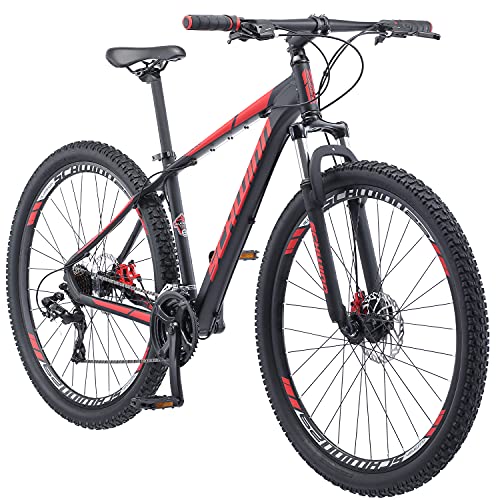


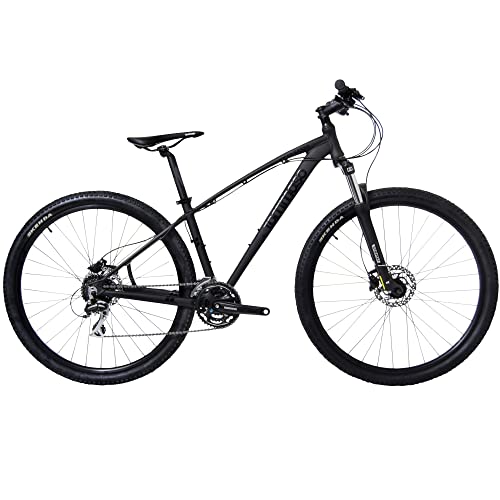

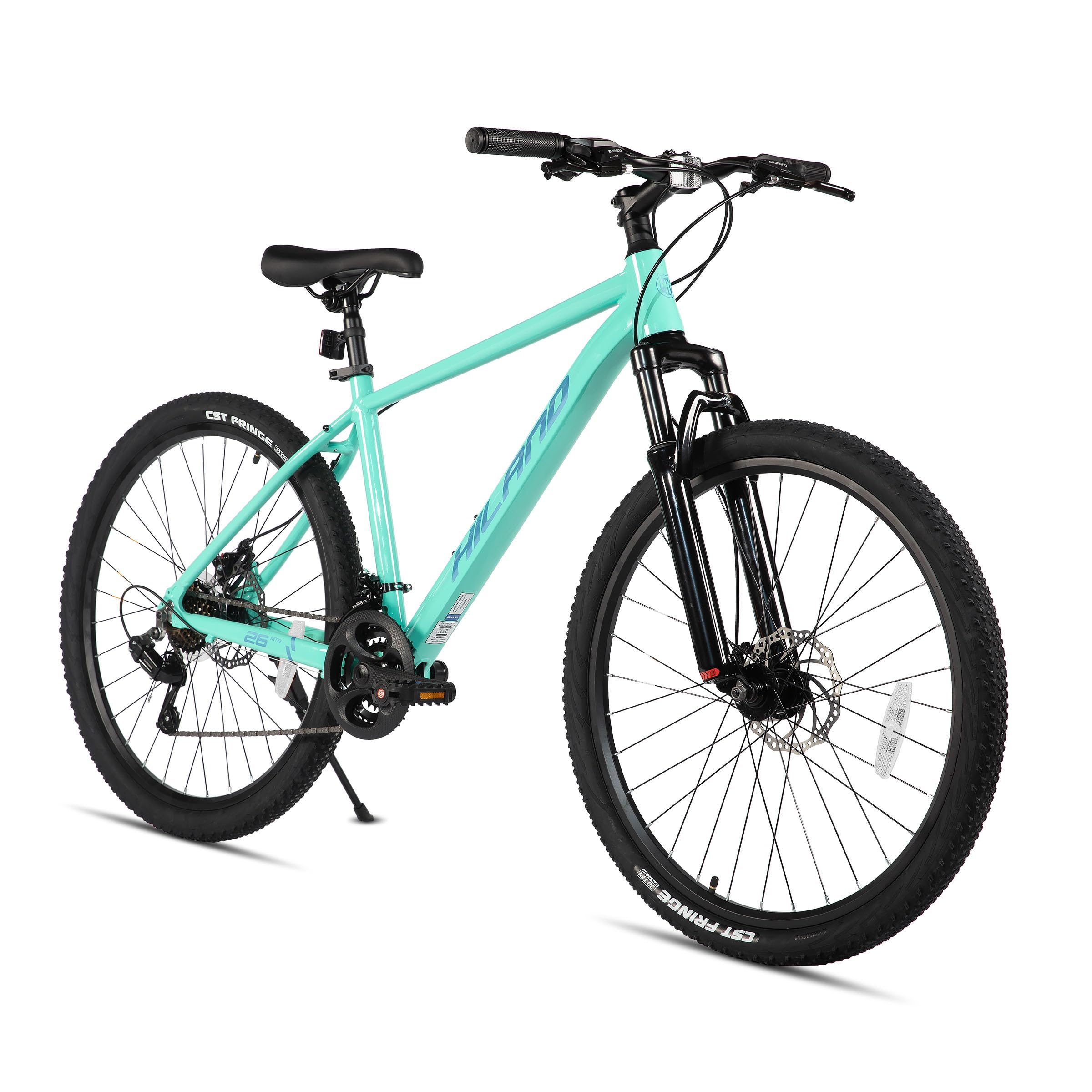


Hardtail Basics for First Time Buyers
A hardtail has suspension at the front fork and a rigid rear end. With no rear shock or linkage, it is lighter, simpler, and cheaper to maintain than a full suspension bike at the same price. On climbs it feels direct, because your pedaling does not get absorbed by rear suspension movement.
The trade off is comfort and control on rough descents. The rear tire follows the ground through your legs, so you learn to stand, bend your knees, and let the bike move under you. For smooth trails, gravel paths, and moderate singletrack, that is a fair and even enjoyable bargain.
Key terms are simple. Travel is how far the fork can compress, usually 100 to 130 mm on value hardtails. Gearing describes your range for climbing and cruising. Tubeless tires run without inner tubes, using sealant instead, which lowers pressure and reduces punctures.
Key Specs Explained in Plain English
Features That Matter in a Value Hardtail
Value on a hardtail concentrates in four places: hydraulic disc brakes, a modern wide range drivetrain, a fork with an air spring, and wheels that can run tubeless. Those parts decide safety, climbing ease, and comfort on every ride. Frame material matters too, and aluminum is the normal sweet spot at this price. Spend on those areas before paying extra for cosmetic finishes or a dropper post you can add later, although a dropper is a welcome bonus.
Bike Type and Riding Style
Match the bike to the trails you will actually ride most weeks. Cross country bikes favor light weight and efficient pedaling for longer distances and smoother paths. Trail hardtails add slacker geometry, wider tires, and more fork travel, which feels calmer on descents and roots. Aggressive hardtails suit steep, technical ground but can feel slow on flat routes. If your riding mixes pavement and dirt roads, look for tire clearance and gearing that still cruise comfortably on the road home.
Sizing and Fit
Correct size matters more than any component upgrade. Use the maker size chart with your height as a start, then check standover height, which is the gap between you and the top tube when you stand over the bike. You want clear space, not contact. Reach, the distance to the bars, should let you ride relaxed with a slight bend in your elbows. If you fall between sizes, shorter riders often prefer the smaller frame for control.
Riders comparing general trail models as well as hardtails can see the best bang for buck mountain bike for a wider view of frame types and price bands.
Wheel Size and Tires
Most adult hardtails now use 29 inch wheels, which roll over roots and rocks more smoothly and hold speed well. Smaller 27.5 inch wheels accelerate quickly, feel playful, and suit shorter riders or tighter trails. Tire width around 2.2 to 2.6 inches balances grip and speed for mixed trails. Tubeless ready rims and tires are worth seeking, because lower pressures improve traction and comfort, and sealant closes many small punctures while you ride.
Drivetrain and Gearing
A single chainring up front, called a 1x setup, is the clear value choice for beginners. It removes the front shifter, shifts in one simple sequence, and keeps the chain more secure on rough ground. Look for a wide range cassette, for example a low gear that lets you spin up steep climbs without standing and straining. Ten, eleven, or twelve speeds can all work well. Smooth, reliable shifting from established component families matters more than chasing the highest gear count.
Weight and Components Upgrade Path
A value hardtail often weighs about 28 to 34 lb depending on size and parts. Lighter feels better on climbs and when lifting the bike onto a rack, but durability should come first at this budget. Choose a frame with modern standards, such as a tapered head tube and thru axles, so future forks and wheels remain easy to find. The smartest later upgrades are usually tires, contact points like saddle and grips, and a dropper post.
One more practical check is axle and brake standard support at your local shop. Common standards mean pads, rotors, tires, and small parts are in stock when you need them, which keeps a value bike riding instead of waiting weeks for a rare part to arrive by mail.
Rookie Mistakes to Avoid
- Buying by price alone. A very cheap bike with weak brakes and a heavy coil fork costs more to fix than it saves.
- Choosing the wrong size. A bargain in the wrong size is never a bargain, because fit affects control and comfort daily.
- Ignoring brake type. Mechanical disc brakes work, but hydraulic brakes give stronger, easier stopping with less hand effort.
- Forgetting the extras budget. Reserve money for a helmet, pump, spare tube or plugs, and basic tools.
- Skipping the test feel. Even a short parking lot ride reveals reach, saddle comfort, and shifting problems.
Getting Started: Setup and First Use
Start with safety and fit before your first trail. Set tire pressure within the range printed on the tire, lower for dirt grip and higher for pavement, and check it before every ride because tires lose air slowly. Set saddle height so your knee keeps a slight bend at the bottom of the pedal stroke. Check that both brakes stop the wheels firmly and that the lever for the rear brake sits where your right hand expects it.
Then do a short, easy ride near home. Practice shifting under light pedaling, braking with one or two fingers, and standing over bumps. Clean and lube the chain every 100 to 200 miles, or sooner after wet and dusty rides, using a cloth and a bike specific lubricant. If anything feels loose, noisy, or unsafe, have a local shop inspect it before you head further out.
If budget stretches further and your trails are very rough, compare the value case in the best bang for buck full suspension mountain bike before you decide that a hardtail cannot meet your needs.
Hardtail Questions Answered
What features matter most in a value hardtail mountain bike?
Hydraulic disc brakes, a 1x wide range drivetrain, and an air fork matter most. Together they give you safe stopping, simple climbing gears, and a fork you can adjust for your weight with a shock pump. Add tubeless ready wheels as the next priority. Those four items shape every ride, while paint, saddle style, and small weight differences are easy to change later if you wish.
Hardtail or full suspension for beginners?
A hardtail is usually the better first buy for beginners on smooth to moderate trails. It costs less for the same quality of brakes and drivetrain, needs less maintenance, and teaches good line choice. Full suspension helps on steep, rocky descents and long rough days, but at low prices it often means heavier frames and weaker parts elsewhere. Start with your real trails, not the hardest trail you can imagine.
How much should a first time buyer spend on a hardtail?
Around $600 to $1,200 is the usual range where value hardtails become genuinely trail ready, with stronger brakes and better forks. Below that range, bikes can suit paths and light dirt but often carry heavy parts that limit growth. Above it, gains shift toward lighter wheels, droppers, and finer suspension. Set your total budget first, including helmet and tools, then choose the best fitting bike that remains inside it.
Can I add upgrades later?
Yes, and a hardtail is a good base for gradual upgrades. Tires, saddle, grips, and pedals are the easiest and cheapest changes, followed by brakes, a dropper post, and wheels. Check the frame standards first (axle type, head tube, bottom bracket) so future parts fit, and see the best bang for buck mountain bike guide for how upgrades change the value picture.
What size bike do I need?
Start with the size chart for your exact model, using your height and inseam, because sizing varies between brands. Stand over the frame in your riding shoes and confirm clear standover space. On a short ride, you should reach the bars without locking your elbows, and your knees should not feel cramped at the top of the pedal stroke. Between sizes, smaller usually feels easier to control for newer riders.
Wrapping Up
Fit first, then brakes, gearing, and fork. That order protects both your budget and your enjoyment, and it makes the product table above easy to read. When you find a best bang for your buck hardtail mountain bike that meets those tests, you will have a bike that invites you to ride more, not one that asks for upgrades before the second trail.


