
Best Bang for Buck Mountain Bike 2026 Value Guide
Disclosure: We may earn a commission when you buy through links on this page, at no extra cost to you. As an Amazon Associate I earn from qualifying purchases. Learn more

Value mountain bikes reward smart spending on frame, fork, and drivetrain. Learn where to spend, where to save, and how to spot a bargain that lasts.
Finding the best bang for buck mountain bike means spending money where it changes the ride and saving where it does not. A good frame, a reliable fork, and a drivetrain that shifts cleanly under load matter far more than flashy paint or a long list of minor parts. The product table shows the main value approaches so you can see which trade suits your trails.
This guide focuses on where value hides in a mountain bike and where cheap parts cost more later. You will learn how to judge a frame, what fork performance really means at a value price, and which upgrades are worth planning from the start. The goal is a bike that rides well on day one and stays reliable after a season of real trails.
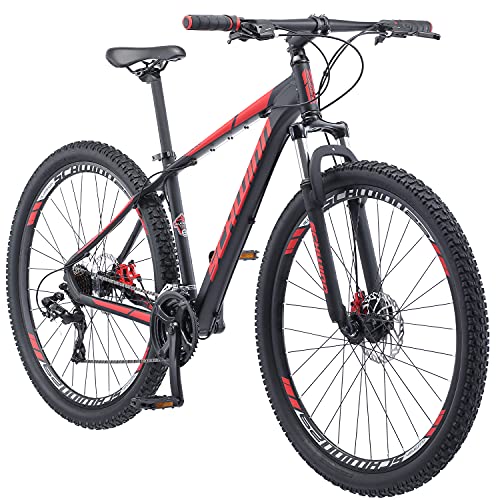
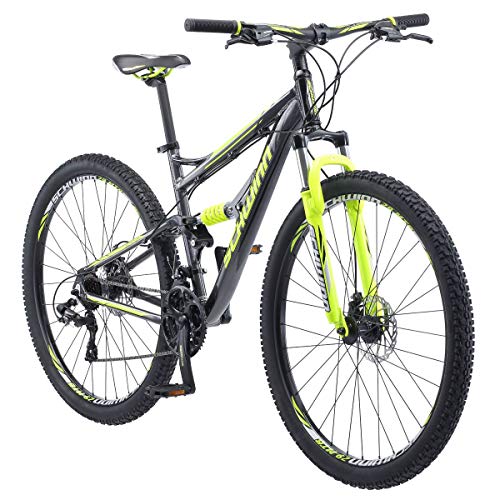


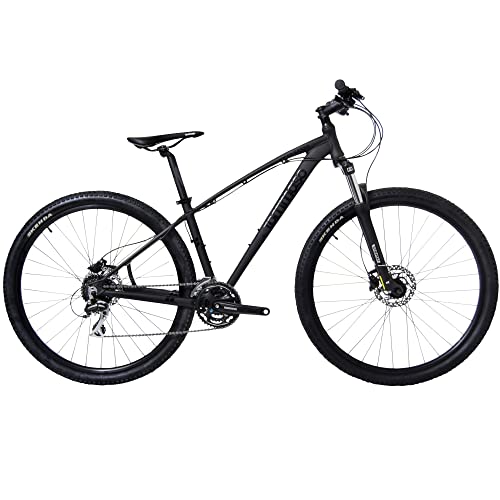
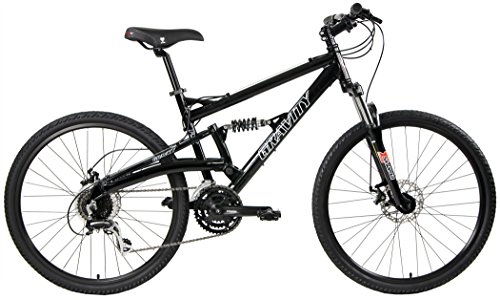


Where the Money Should Go First
The frame is the part you cannot upgrade later, so it deserves the largest share of attention. A well made aluminium frame with modern geometry, a tapered head tube, and internal cable routing gives a stable base that accepts better parts over time. Geometry matters more than weight at a value price, since a slack head angle and a longer reach make descents calmer without adding cost.
The fork comes second, because it controls traction and comfort on rough ground. An air sprung fork lets you set sag for your weight, while a basic coil fork suits lighter riders but feels harsh for heavier riders. A fork with a lockout helps on climbs, but damping quality matters more than the lockout lever itself, so prioritise a fork that stays composed over repeated bumps.
Drivetrain and Brakes That Last
A simple single-chainring drivetrain with a wide range cassette shifts reliably and removes the front derailleur, which is one less part to adjust. At a value price, a ten or eleven speed setup from a major maker usually shifts better than a twelve speed setup built to a lower standard. Check that the derailleur has a clutch, since a clutch keeps the chain on over rough ground.
Brakes deserve care because they decide safety on descents. Hydraulic disc brakes offer better modulation and less hand fatigue than mechanical discs, and they need less frequent adjustment. Rotor size matters too, with larger rotors giving more stopping power for heavier riders or long descents. Budget for brake pads as a consumable and learn to check pad wear regularly.
Wheels, Tires, and Contact Points
Wheels on value bikes often use heavier rims and basic hubs, and that is an acceptable place to save at first. A tubeless ready rim lets you convert later for lower pressures and fewer punctures, which improves grip more than a lighter rim alone. Check that the hubs use standard axle sizes so future wheel upgrades fit without adapters.
Tires change ride feel more than most parts, and the stock tires on a value bike may suit hardpack rather than your local trails. A grippier front tire and a faster rolling rear tire balance control and speed for mixed trails. Saddle, grips, and pedals are personal contact points, so plan to swap them if the stock parts do not fit your hands, feet, or riding position.
Hardtail Value Versus Full Suspension Value
A hardtail gives more component quality per dollar because the budget goes into frame, fork, and drivetrain rather than a rear shock and linkage. Hardtails climb efficiently and teach line choice, which suits smoother trails and riders building skills. They also need less maintenance, since there are no pivot bearings or rear shock seals to service.
Full suspension at a value price can work when the suspension design is simple and the shock is a known model with parts support. The trade is lower grade drivetrain and brakes for rear comfort, so weigh how rough your trails really are. If your local trails are rocky and fast, rear suspension may be worth the component compromise, but for most mixed trails a good hardtail rides better per dollar.
Sizing, Fit, and the Test Ride
Frame size decides comfort and control more than any component upgrade. Stand over the bike, check reach to the bars, and sit on the saddle to judge whether your knees and back feel neutral. A bike that is slightly small can be adjusted with a longer stem, but a bike that is too large is hard to fix and feels unstable on descents.
Test ride on terrain similar to your local trails when possible, not just around a car park. Shift through the full cassette under pedalling load, brake from speed, and ride over rough ground to feel the fork. Note any rattles, missed shifts, or brake rub, since those issues suggest setup problems that a good shop should fix before delivery.
Running Costs and Smart Upgrades
Value bikes still need regular care, and a small maintenance habit protects the parts you paid for. Clean the drivetrain after muddy rides, check chain wear with a gauge, and replace the chain before it wears the cassette, since a worn chain costs far more in cassette and chainring replacements. Keep suspension seals clean and service the fork on the maker schedule.
Upgrade in order of ride impact: tires first, then contact points, then brakes, then wheels. Each step improves a specific weakness rather than chasing weight savings. Keep a note of part standards such as axle size, headset type, and bottom bracket standard so future upgrades fit without guesswork or extra adapters.
For the closest value comparisons, see best bang for your buck hardtail mountain bike. If rear suspension appeals, best bang for buck full suspension mountain bike weighs the trade, and best mountain bike for your buck rounds out the value picture.
A Final Check Before You Order
Before ordering, confirm frame size with the maker chart and, when possible, a test ride on terrain like your local trails. Check that the fork has the adjustment range for your weight, that brakes are hydraulic rather than mechanical, and that the derailleur has a clutch for chain retention. A quick parts check online for the exact fork and shock models shows whether seals and spares are easy to find, which protects long term value.
Budget for the first upgrades you are likely to want, such as tires suited to your trails and contact points that fit your hands and feet. A value bike that needs immediate brake or tire replacement costs more than its sticker price suggests, so factor those items into the total. A shop assembly and first service add value for new riders, while experienced riders can save by setting up the bike themselves.
Frequently Asked Questions
How much should I spend on a value mountain bike?
A useful value range sits around the price where the frame, fork, and drivetrain all come from established makers rather than unbranded parts. Below that range, forks and brakes often disappoint and cost more to replace. Above that range, gains become smaller and more about weight than ride quality. Spend enough to get hydraulic brakes, a clutch derailleur, and an air sprung fork or a good coil fork, then upgrade tires and contact points over time.
Is a hardtail better value than a full suspension bike?
Yes, for most riders at a value price, because the budget goes into better frame, fork, and drivetrain parts instead of a rear shock and linkage. Hardtails climb well, need less maintenance, and teach good line choice. Full suspension suits very rough trails, but at a low price the suspension and the component compromises can cancel each other out. Choose full suspension only when your trails are consistently rocky and fast.
What size mountain bike should I buy?
Start with the maker size chart for your height and inseam, then check reach and stand over height in person when possible. Reach matters more than stand over height for modern geometry, since it sets how stretched you feel on descents. A slightly smaller frame feels playful and easy to move, while a larger frame feels stable at speed. Test ride both sizes around your usual terrain if you fall between sizes.
Can I upgrade a cheap mountain bike over time?
Yes, when the frame uses standard parts and modern geometry. Tires, saddle, grips, pedals, and brakes upgrade easily and improve the ride noticeably. Wheels and drivetrain upgrades cost more but fit when axle, headset, and bottom bracket standards match. A frame with odd standards or very dated geometry limits upgrades, so check those details before buying a bike you plan to improve gradually.
Do I need tubeless tires on a value mountain bike?
Tubeless tires are worth considering when your rims and tires are tubeless ready, since lower pressures improve grip and sealant seals small punctures on the trail. The conversion needs sealant, valves, and some patience on first setup, but running costs stay low afterwards. If your rims are not tubeless ready, good inner tubes and sensible pressures still ride well, so treat tubeless as a later upgrade rather than a must have.
Final Thoughts
Value in a mountain bike comes from a sound frame, a composed fork, and brakes and gears that work every ride. Spend where the ride changes, save on parts you can upgrade later, and size the bike carefully before you commit. Use the product table above to compare the value approaches, then choose the build that matches your trails and your maintenance habits. The best bang for buck mountain bike is not the cheapest bike on the list, but the one that still rides well after a full season of trails.


