
Best Bang for Buck Full Suspension Mountain Bike by Budget: Smart Picks for 2026
Disclosure: We may earn a commission when you buy through links on this page, at no extra cost to you. As an Amazon Associate I earn from qualifying purchases. Learn more

Learn how to find the best bang for buck full suspension mountain bike with clear budget tiers, key features, sizing help, and total cost tips.
Full suspension bikes span a huge price range, from basic trail models to race level machines that cost as much as a used car. Paying more does not always mean you ride better, and paying too little can mean heavy parts, weak brakes, and suspension that holds you back. This guide shows you where money matters most when you shop for a best bang for buck full suspension mountain bike and where you can save without regret.
You will compare budget tiers, learn which parts deserve your dollars, and see how to size and set up a bike for your trails. The product table gives you a quick starting point, then the sections that follow explain how to read those specs with confidence.
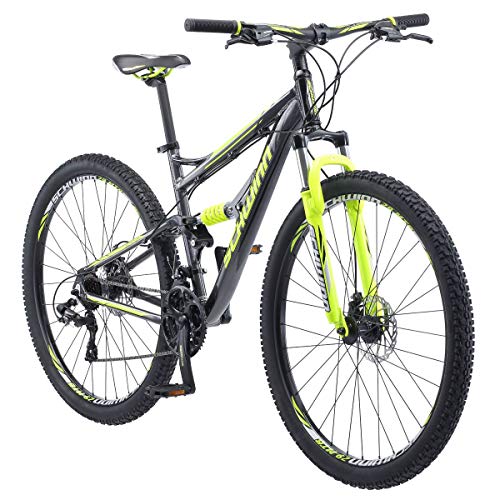
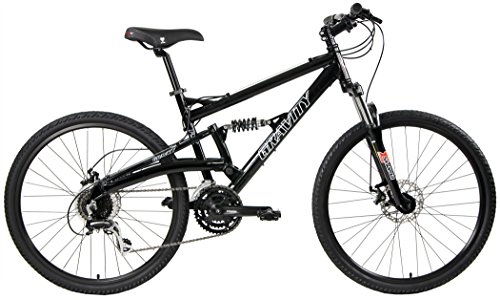
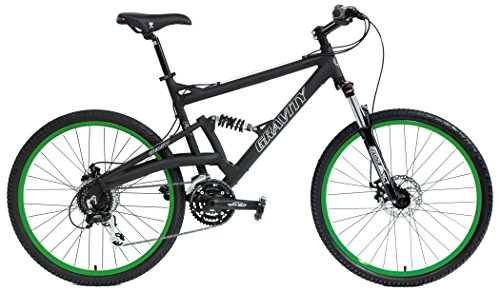


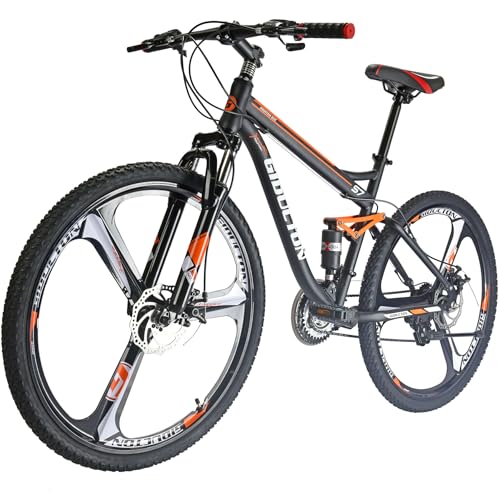


Budget Tiers at a Glance
Think of value in tiers rather than single models. Each tier below describes what that budget usually buys, who it suits, and what trade off you accept. Use the product table to see how current options line up with these tiers, then match the tier to your terrain and how often you ride.
Budget Tier
The budget tier, often around $800 to $1,500, suits new trail riders and riders returning after a long break. You usually get an aluminum frame, a basic air fork or a coil fork, and a simple rear shock with limited adjustment. Brakes are hydraulic disc brakes on most value models now, which is a real safety plus. The trade off is weight and a drivetrain with wider gaps between gears. For smooth trails and moderate climbs, this tier can be plenty of fun if fit and tire choice are right.
Midrange Tier
The midrange tier, often around $1,500 to $3,000, is where most riders find the best balance of price and trail feel. Frames stay aluminum but get better shaping, internal cable routing, and a dropper post on many builds. Suspension moves to air springs front and rear with rebound control, and tires often arrive tubeless ready. You also see stronger wheels and a wider range drivetrain that climbs with less strain. If you ride weekly and want a bike that grows with your skills for several seasons, start your search here.
Premium Tier
The premium tier, often around $3,000 to $5,000 and above, suits experienced riders who ride steep, rocky, or fast terrain often. Carbon frames appear, along with lighter wheels, more adjustable suspension, and brakes with stronger bite and better heat control. Small details improve too, like sealed bearings and cleaner cable routing. The trade off is cost, not just to buy but also to replace worn parts. Pay this much only when you can feel the gain on your trails and you plan to keep the bike for many years.
What Your Money Gets You at Each Price Tier
Price alone tells you little. Two bikes at the same price can spend money in very different places. The notes below help you judge where a build puts its budget and whether that matches your riding.
Budget Tier: What to Expect
Expect an aluminum frame, about 120 to 140 mm of travel, and parts chosen for durability over low weight. A coil fork can feel harsh on small bumps, so an air fork at this price is a strong value sign. Check that the bike has hydraulic disc brakes, a clutch rear derailleur if possible, and tires with real knobs for dirt. Skip fancy extras like remote lockouts if they come at the cost of brakes or tires. Your money should go to safety and control first.
Midrange Tier: The Sweet Spot for Most Buyers
At this level you should expect air suspension front and rear, a dropper post, tubeless ready rims, and a drivetrain with one front ring and a wide range cassette. Geometry gets more modern too, with a slacker head angle for calm descents and a steeper seat angle for better climbing position. Weight drops enough that long climbs feel less tiring. This tier also tends to hold resale value better because the parts are current and service is widely available at local shops.
Premium Tier: When Spending More Pays Off
Premium money buys refinement you feel on rough ground: suspension that stays smooth deep into travel, brakes that stay firm on long descents, and wheels that hold speed without flex. Carbon can reduce vibration and weight, though a well made aluminum frame can ride just as well for many people. Look for adjustable compression, quality bearings, and tires suited to your soil. If your trails are mostly smooth, this tier offers little extra speed for the cost.
Features Worth Paying For and Ones to Skip
Use this section as a filter. Pay for parts that change control, comfort, and safety. Save on cosmetic extras and on travel or gear range you will never use on your home trails.
Bike Type and Riding Style
Match travel and geometry to your riding style first. Cross country bikes with about 100 to 120 mm travel climb fast and suit smooth, rolling trails. Trail bikes with about 130 to 150 mm travel suit the widest range of riders and terrain. Enduro bikes with about 160 mm travel favor steep descents but feel slow on flat ground. If most of your riding is on gravel paths or pavement, a full suspension trail bike is more bike than you need, and a simpler hardtail will feel quicker and cost less to maintain.
Wheel Size and Tires
Most value trail bikes use 29 inch wheels, which roll over roots and rocks with less effort and hold speed well. Smaller 27.5 inch wheels feel quicker to turn and can suit shorter riders or very tight trails. Tire width around 2.3 to 2.6 inches gives a good mix of grip and rolling speed for trail use. Tubeless setup is worth paying for because it lets you run lower pressure for grip and reduces flat tires from thorns and sharp stones. Carry a small plug kit and learn to use it at home before you need it on the trail.
Suspension and Travel
Suspension quality matters more than travel numbers alone. An air fork and air shock let you set sag for your weight, which is the single most useful setup step you can learn. Aim for about 25 to 30 percent sag for trail riding, measured while standing in your normal riding position. Rebound should be fast enough that the wheel follows bumps, but slow enough that the bike does not bounce you off the saddle. If a budget build forces a choice, pick better suspension action over extra travel you rarely use.
Features That Matter in a Value Full Suspension Bike
Value here means control per dollar. Prioritize hydraulic disc brakes with rotors around 180 mm, a dropper post with at least 125 mm of drop for most sizes, and a drivetrain with low gears easy enough for your steepest climb. Frame size and reach matter more than a small weight saving, so use the maker sizing chart and your inseam and arm length. Also check standover height and whether the frame has room for a water bottle, a simple detail that affects every ride.
If you are comparing nearby value searches, our guide to the best bang for buck mountain bike covers hardtail options too. For the lowest entry cost, see the best inexpensive full suspension mountain bike guide before you decide how low you can go without giving up safe brakes.
Long Term Costs to Factor In
The purchase price is only part of ownership. Budget for a helmet, gloves, a floor pump, a mini tool, a spare tube, and tire sealant in the first month. Each season you may need a chain, brake pads, and fresh sealant, and suspension service is due about once a year for regular riders. Tires are a wear item too, often lasting one to two seasons depending on soil and mileage. A bike that costs a bit more but uses common parts and has a clear warranty can cost less over three years than a cheap bike with hard to find parts. Keep receipts and record service dates in a simple note on your phone.
FAQs
What features matter most in a value full suspension mountain bike?
Brakes, suspension setup, and fit matter most. Strong hydraulic brakes and air suspension you can set for your weight change every ride, while small weight savings do not. Add a dropper post and tubeless tires next. Also confirm the frame has standard parts sizing, because easy service protects value when you later sell or upgrade the bike.
What size bike do I need?
Start with the maker size chart using your height and inseam, then check reach and standover. You should be able to stand over the frame with a small gap and reach the bars without locking your elbows. If you fall between sizes, the smaller size usually feels easier to handle on tight trails, while the larger size feels calmer at speed. A short parking lot ride can confirm brake lever reach and saddle position.
How much should I spend on my first bike?
Most first time trail riders do well in the budget to lower midrange tiers, around $1,000 to $2,000, plus gear and basic tools. Spending less often means heavy parts and weak brakes that limit learning. Spending much more makes sense only if you already ride often and know your terrain. Leave room in the budget for a helmet, a pump, and a first service visit after the break in period.
How often does a full suspension bike need service?
Plan on a basic check before each ride (tire pressure, brakes, bolts) and a suspension service about once a year for regular riders. Pivot bearings, shock seals, and fork lowers wear faster than the parts on a hardtail, so cleaning after muddy rides pays off.
Hardtail or full suspension for beginners?
Full suspension helps beginners on rocky and root filled trails because the rear wheel keeps contact and the ride feels less harsh. A hardtail costs less, weighs less, and teaches smooth line choice on gentle trails. Choose based on your ground: if your local trails are mostly smooth dirt, start with a hardtail and save money. If rocks and roots are normal, full suspension will feel safer and more forgiving.
Our Verdict
For most riders, the midrange tier gives the best mix of air suspension, strong brakes, a dropper post, and tubeless ready wheels without premium cost. Budget riders should protect brakes and fit above all else, and premium buyers should pay only for gains they can feel on steep ground. When you are ready, compare the product table above and choose your best bang for buck full suspension mountain bike by tier, fit, and trail type first.


