Best Band Saws under 1000 by Budget: Smart Picks for 2026
Disclosure: We may earn a commission when you buy through links on this page, at no extra cost to you. As an Amazon Associate I earn from qualifying purchases. Learn more

Compare the best band saws under 1000 at every price point. Learn what you get at budget, midrange, and premium levels and where spending more pays off.
Band saws under the thousand dollar mark range from light benchtop models for craft work to serious 14 inch floor standing machines that can resaw wide boards for furniture. That spread is exactly why budget planning matters: the best band saws under 1000 for a scrollwork hobbyist and for a cabinet maker are very different machines. This guide shows what each price tier really delivers, which features deserve your money, and where a cheaper saw quietly costs you more later.
Scan the comparison table below for cut capacity, motor size, and price across the tiers. Then read on for the trade offs behind those numbers, plus the safety and ownership costs that spec sheets never mention.

What to Look For at Each Budget
Budget Profile
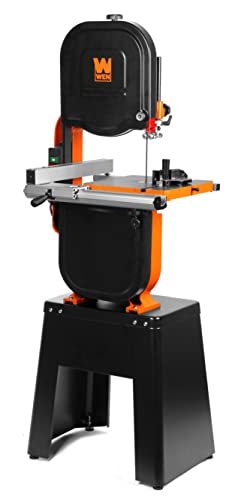
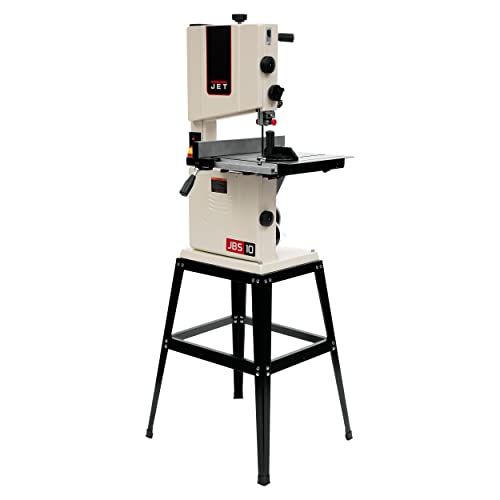
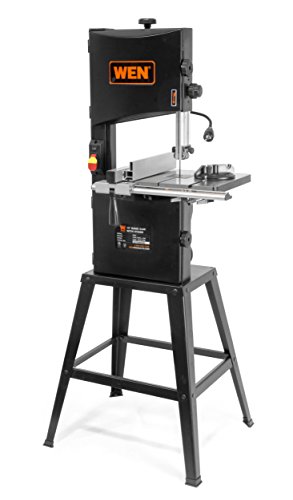
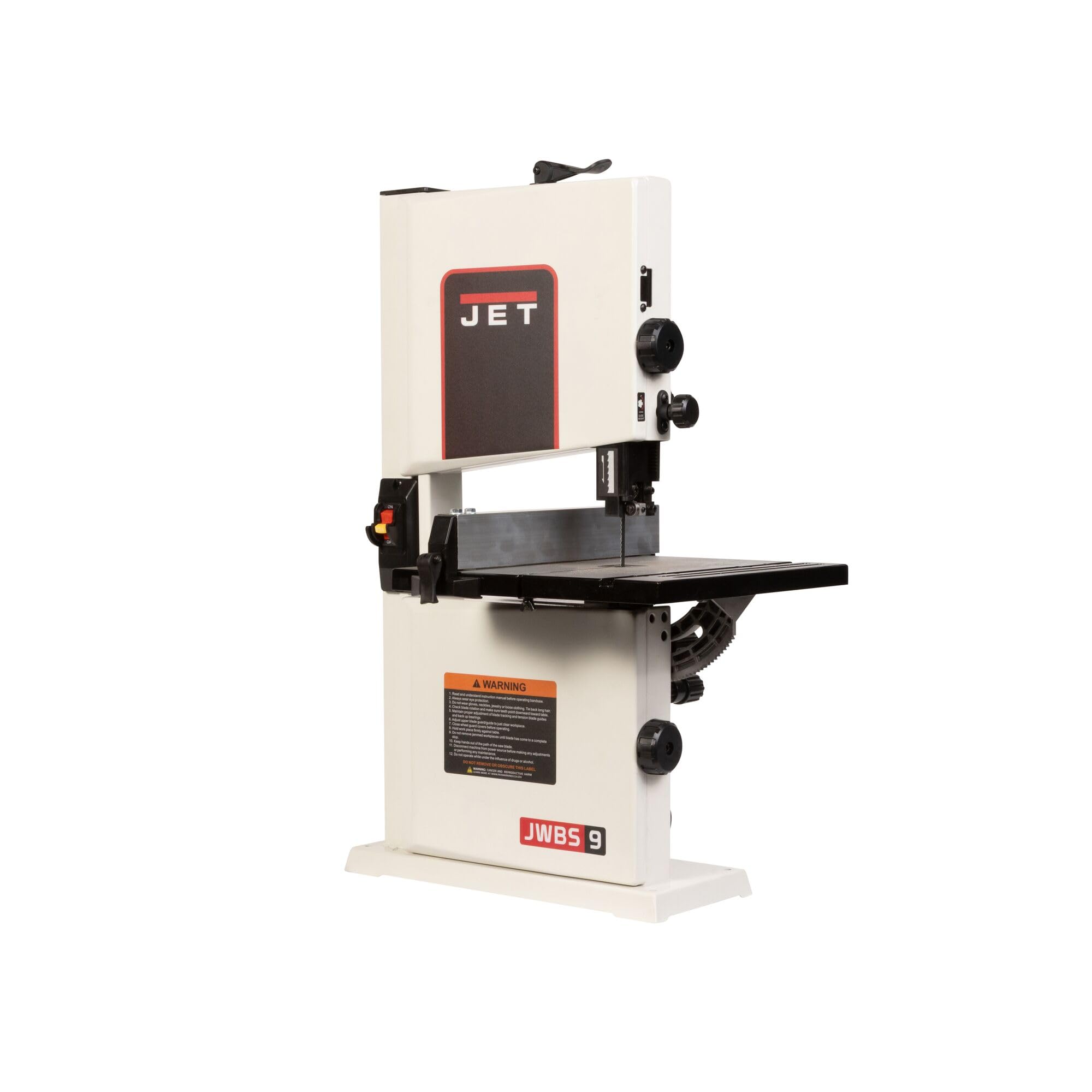
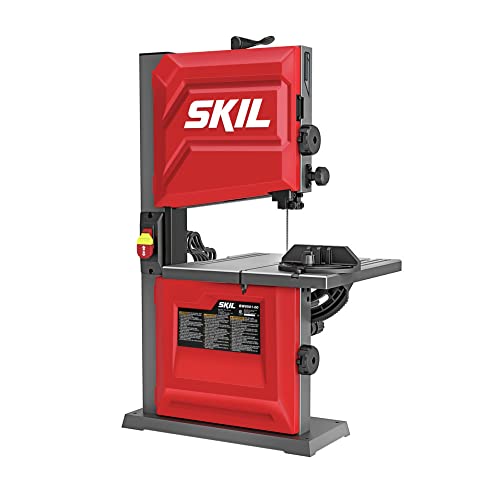
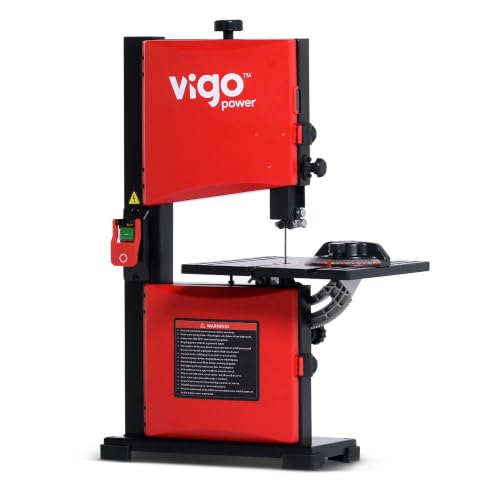
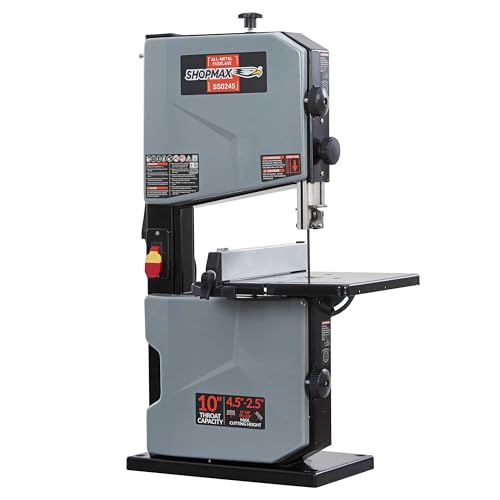
The budget profile to look for, at around $250 to $450, is a 9 or 10 inch benchtop saw with a motor around one third to one half horsepower. This profile handles craft wood, thin stock, curves in material up to about 3 or 4 inches thick, and general shop trimming with ease. Prioritize a rigid frame, a table that tilts smoothly and locks firmly, and blade guides that adjust without tools. What you accept at this tier is limited resaw height and slower cutting in dense hardwood. For apartment workshops and occasional projects, that trade is sensible and leaves money for good blades.
Midrange Profile
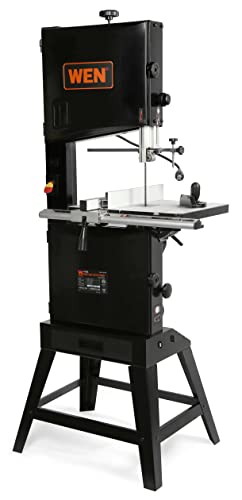
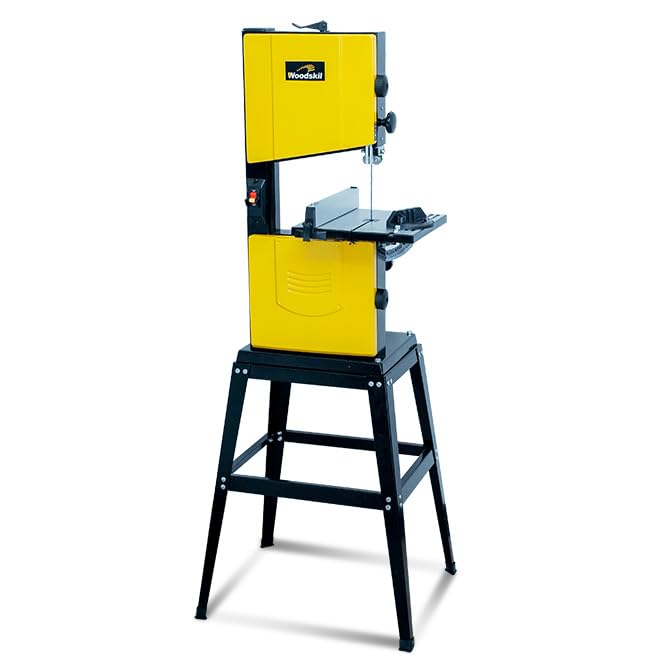
The midrange profile, around $450 to $700, is either a premium 10 inch benchtop saw or an entry level 14 inch floor model, and it is the sweet spot for most home woodworkers. Look for about 6 inches of resaw capacity, a cast iron or heavy steel table, a fence that locks parallel without fuss, and a motor near three quarters to one horsepower. Dust collection improves markedly at this tier, as do bearing guides over basic blocks. This profile covers furniture parts, bandsaw boxes, and light resawing, and most owners keep a saw like this for a decade.
Premium Profile
The premium profile just under the cap, around $700 to $1000, buys a full featured 14 inch saw built for resawing and daily use. Expect 12 to 13 inches of resaw height on riser equipped or tall frame designs, a motor of one to one and a half horsepower, a tall resaw fence, quick release blade tension, and a foot brake or fast blade stop on some models. Steel and cast iron construction keeps vibration low, which shows up as cleaner cuts and less fatigue. Buy this tier if wide boards, veneer making, or bowl blanks are weekly work rather than rare ambitions.
What Your Money Gets You at Each Price Tier
Budget Tier: What to Expect
Budget saws cut well within their limits and struggle honestly outside them. Frames are lighter, tables are often aluminum rather than cast iron, and fences may need careful setup before each critical cut. Blade changes are slower and guides are simpler, so expect more tuning time. Shoppers with very light needs can also compare the best band saws under 300 to see how far the lowest tier stretches. The budget tier suits crafts, toys, and model work, and it teaches good technique without a painful price if your interests move on.
Midrange Tier: The Sweet Spot for Most Buyers
Midrange money buys capacity and calm: enough throat and resaw height for real furniture stock, motors that do not bog down in oak, and tables heavy enough to stay put. This is also where worthwhile fences, miter gauges, and effective dust ports become standard rather than rare. Many buyers cross shop the best band saws under 500 before settling here, and the extra spent usually shows up in frame stiffness. If you expect woodworking to remain a serious hobby for years, anchor your budget in this tier and buy blades with what remains.
Premium Tier: When Spending More Pays Off
Premium tier spending pays off in three concrete ways: resaw capacity for wide stock, power for dense hardwoods, and refinement that makes setup faster every single session. Quick tension release protects blades between uses, tall fences support veneer cuts, and heavy wheels with good tires track blades more truly. None of this changes what a band saw is, but all of it changes how often you reach for it. If your projects already strain a smaller saw, upgrading within this tier costs less than owning two disappointing machines in a row.
Features Worth Paying For (and Ones to Skip)
What You Can Realistically Get Under $1000
Under this budget you can realistically get excellent cut quality, genuine resaw ability, and durable construction, but not everything at once in the largest sizes. Expect to give up industrial three phase power, 20 inch throat capacity, and premium carbide guides as standard equipment. Never economize on blade quality, frame rigidity, or a fence you can trust, because those three decide cut results daily. Do economize on bundled extras like work lights and mobile bases, which you can add later for around $30 to $80 when a real need appears.
Weight, Ergonomics, and Vibration
A band saw should feel calm in use, with controls you can reach without leaning over the blade path. Heavier cast iron tables and wheels damp vibration, leaving cleaner cut surfaces and less sanding afterward. Benchtop models earn their place in small shops, but bolt or clamp them to a sturdy stand, because a saw that walks during a cut is unsafe and inaccurate. Check wheel access and tension knob size with gloves off in the store if you can. Tool free guide adjustments sound minor until your tenth blade change, when they save real time and patience.
Corded vs Cordless (Battery Platform)
For stationary woodworking band saws in this price range, corded power is the only realistic choice, and that is a strength. A corded motor delivers full torque indefinitely, with no batteries to charge, cool, or replace at high cost. Cordless band saws do exist, but they are compact metal cutting tools for plumbers and electricians, built to cut pipe and conduit on job sites, not to resaw maple at a bench. They belong to a different category entirely. If a listing mixes the two, read carefully, and choose the corded stationary saw for any wood project you have in mind.
Durability and Brushless Motors
Stationary band saws use induction motors rather than the brushless motors of cordless tools, and induction motors are famously durable, often running for decades with nothing more than an occasional belt check. Durability in this category comes from frame casting quality, wheel bearings, tire condition, and guide hardware that holds settings under vibration. A simple, heavy saw from a maker with stocked spare parts will outlast a feature packed lightweight saw every time. Before buying, confirm that tires, belts, and guide bearings for that model are sold separately, because those wear items decide the true service life.
Long Term Costs to Factor In
The purchase price is only the start of ownership. Budget for two or three quality blades in different widths and tooth patterns, since one blade cannot curve tightly and resaw well; blades run around $15 to $40 each. Add a push stick set, a fence upgrade if the stock fence disappoints, dust collection fittings, and occasional replacement tires and guide bearings over the years. Electricity costs are modest for a tool that runs minutes at a time. Warranty length matters, because a motor or casting fault in year two can erase the savings of a cheaper saw. Owners planning a broader shop build out often compare companion tools such as the best hybrid table saws under 1000 to keep capacities matched across the shop. Finally, respect basic safety from day one: keep the blade guard set just above your stock, use push sticks for narrow cuts, wear eye protection, and unplug the saw before every blade change.
Frequently Asked Questions
Can you get a good band saw under $1000?
Yes, this budget covers genuinely good saws, including 14 inch models that resaw furniture stock and last for decades. The key is matching capacity to your projects rather than chasing the largest numbers. A well tuned midrange saw with a sharp, correct blade cuts better than a premium saw with a dull general purpose blade. Spend the last part of the budget on blades and setup tools, and the machine will perform at its full potential from the first week.
Is a brushless motor worth it?
In this category the question mostly does not apply, because stationary band saws use induction motors, which are quiet, powerful, and extremely long lived without brushes or electronics. Brushless motors shine in cordless portable tools where battery efficiency decides run time. If you see brushless advertised on a small portable saw, you are looking at a metal cutting job site tool, not a woodworking machine. Judge stationary saws by horsepower, wheel size, and frame weight instead of motor marketing terms.
Corded or cordless: which is better for DIY?
Corded is better for DIY woodworking in almost every case, because the saw stays in one place near an outlet anyway and corded power never fades mid cut. For deeper background on wood specific models, see our guide to the best wood band saws after you settle your budget. Cordless portability only helps for cutting pipe or stock far from power. A homeowner gains nothing from batteries here except cost, weight, and one more charger on the bench.
Can I use batteries across brands?
No, battery platforms are brand specific, and adapters are a poor idea for high draw tools. The good news is that this question disappears with a corded stationary saw, which runs on any standard outlet for as long as you care to work. If your shop already includes cordless tools for drilling and driving, keep those platforms for handheld work. Your band saw budget then goes entirely into capacity and build quality instead of cells and chargers you will never use at the bench.
What specs matter most for home projects?
Resaw height, throat capacity, and motor power matter most, in that order for furniture work. Resaw height decides the widest board you can slice, throat capacity limits the width of curved work, and power decides how dense a wood you can feed without slowing. After those, weigh table size, fence quality, and dust port diameter. A practical know how tip: buy the blade for the job before judging any saw, because most disappointing first cuts trace back to the wrong tooth pattern, not the machine.
The Bottom Line
Decide your tier by the thickest and widest stock you truly plan to cut, then insist on frame rigidity, an honest fence, and money left over for proper blades. Compare the finalists in the product table above against those three tests. Chosen that way, the best band saws under 1000 stop being a gamble and become the calm, capable center of a home workshop for years.