Best Band Saws under 500 in 2026: Which Type Is Right for You?
Disclosure: We may earn a commission when you buy through links on this page, at no extra cost to you. As an Amazon Associate I earn from qualifying purchases. Learn more

Benchtop or portable? Compare the best band saws under 500 by type, capacity and price, and pick one that matches your projects.
Band saws at this budget come in shapes that look similar in photos yet do very different jobs, which is where most buyers get stuck. This guide compares the main types side by side so you can match the best band saws under 500 to the material, cut size, and workspace you actually have.
You will see what each type does well, where it falls short, and what your money realistically buys under this ceiling. Start with the comparison table below, then read the type that fits your projects most closely before you compare motor specs.


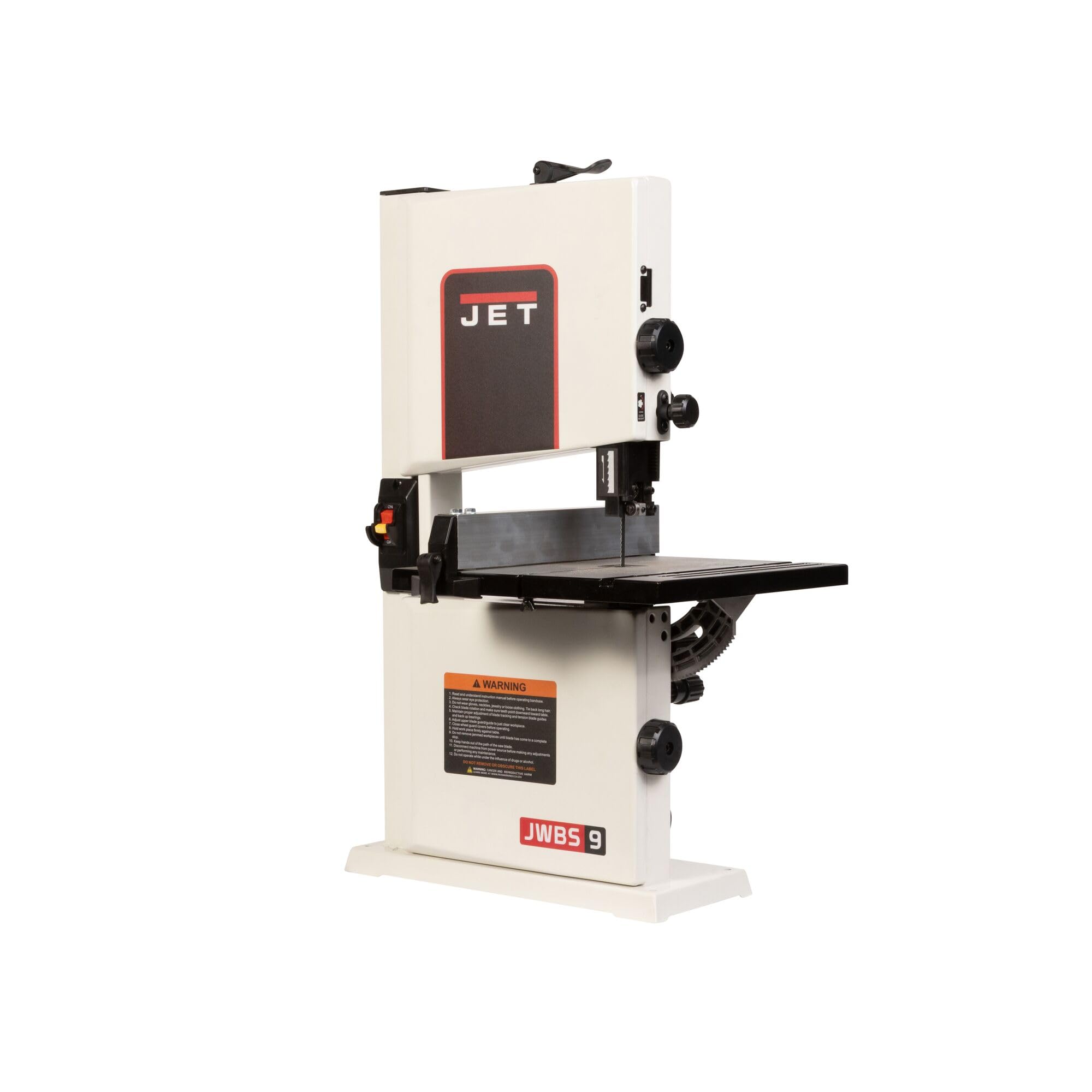

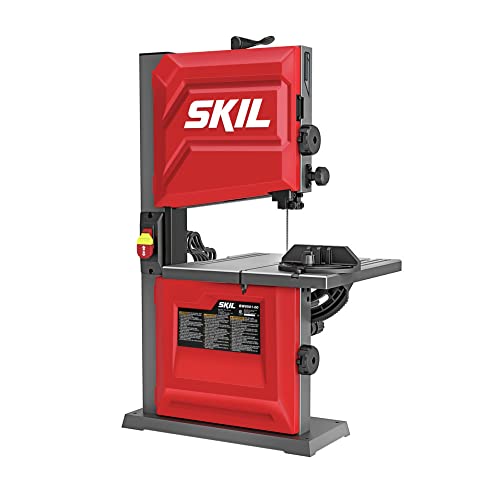
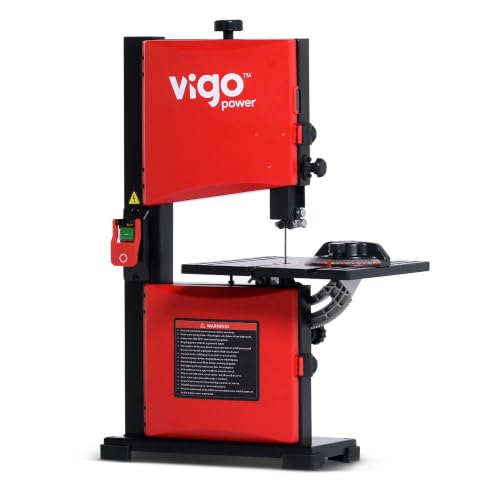
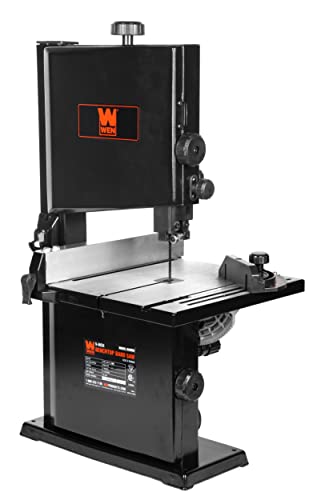
Types of Band Saws Compared
Under $500, the market splits into portable handheld saws that cut metal and pipe, and stationary benchtop saws that cut wood curves and resaw thin stock. A handheld saw has no throat or table, while a benchtop saw is limited by its throat width and cutting height. Price alone tells you none of this, so judge each type by the work in your shop, not by the motor number on the box.
Cordless Battery Tools
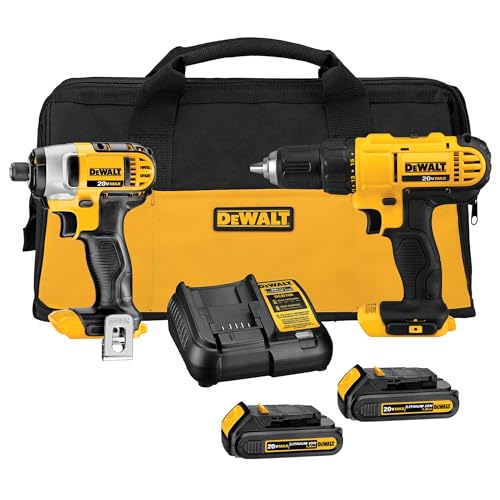
Cordless portable band saws run a loop blade between two wheels inside a handheld frame, and you bring the tool to the work. They shine for cutting conduit, strut, rebar, and pipe overhead or on site, where running a cord is awkward. The limits are cutting capacity, usually around 2.5 to 5 inches depending on frame size, and runtime on thick stock. Choose this type if mobility matters more than table based woodwork.
Corded Tools
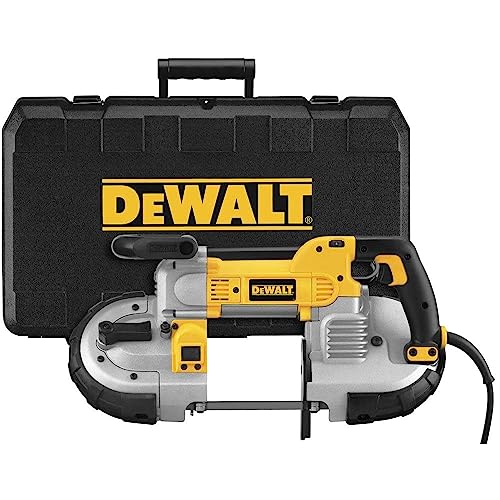
Corded portable band saws work the same way but plug in for steady power at a lower tool only price, since no batteries or charger are included in the cost. Corded benchtop models also live in this group, using a table and a vertical blade for wood. Corded tools suit a fixed workbench where an outlet is always close. The trade off is simple: you gain consistent torque and lower cost, and you lose freedom to move around large material or a job site.
DIY/Homeowner Tools
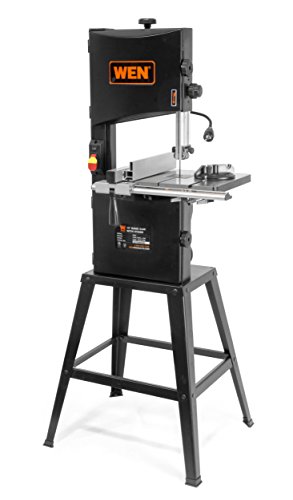
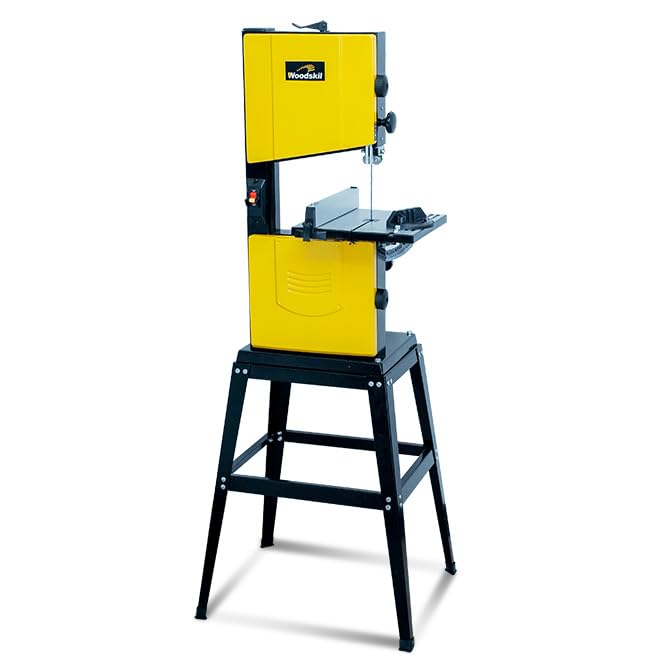
For most home woodworkers, this means a benchtop saw with a 9 or 10 inch wheel size, a small tilting table, and a motor suited to softwood, plywood, and modest hardwood curves. These saws handle craft projects, toy making, and light resaw work within their cutting height, often around 3.5 to 6 inches. They are not built for thick beams or daily production work, but they fit on a bench, store on a shelf, and cost well within this budget.
Compact Tools
Compact models shrink either format: smaller handheld frames for tight spaces between pipes, or mini benchtop saws for very small craft work. They are easy to store and carry, and they start cuts with less intimidation for new users. The cost of the small size is capacity, since throat width, cutting height, and blade choices all narrow. Buy compact only when your projects are genuinely small, not as a cheaper stand in for a full benchtop saw.
If your budget later grows, the step up in throat size and resaw height is covered in our guide to the best band saws under 1000, which helps you judge whether the extra capacity is worth it for your project list.
Cordless Battery Tools vs Corded Tools: Which Should You Choose?
Choose cordless if you already own batteries on a matching platform, work away from outlets, or cut overhead where a cord becomes a snag hazard. Choose corded if the saw will live at one bench, if you cut thick stock for long sessions, or if you want the lowest price for steady power. On cutting speed, a good corded model holds blade speed under load more evenly, while modern cordless models feel close on thin metal and only fall behind on long, heavy cuts. For benchtop wood saws the question answers itself, since nearly all are corded at this price. The deciding factor is where the work happens, not which power source sounds more modern.
How to Choose the Right Band Saw
After type and power source, a short list of specs decides whether a saw feels capable or frustrating. Work through the points below in order, and be honest about the thickest material you cut in a normal month. Buying for a rare, extreme job usually leaves you with a saw that is awkward for everything else.
What You Can Realistically Get Under $500
Around $150 to $300 buys a sound 9 inch benchtop saw or a solid corded portable saw with basic guides and a work light on some models. Around $300 to $500 buys a larger 10 inch benchtop saw, better blade guides, a fence, and stronger motors, or a cordless portable kit with batteries included. What gets cut at this budget is floor standing size, large resaw height, and premium guide systems. Do not save money on blade quality or basic safety parts to chase a bigger motor number.
Durability and Brushless Motors
On cordless portable saws, a brushless motor generally runs cooler, lasts longer, and holds speed better under load, which matters on thick metal. On benchtop saws, durability shows up instead in wheel alignment, guide bearings, table flatness, and a frame that does not flex during a cut. Whatever the type, a saw that tracks a blade true at low tension will outlast a stronger saw that vibrates. Check blade availability in your size before buying, since an unusual blade length can strand an otherwise good saw.
Safety Features
Look for a fully covered blade path with only the working section exposed, a secure blade guard you can adjust close to the work, and a switch that is hard to bump on by accident. On portable saws, a blade stop that halts quickly after you release the trigger adds real protection. Always wear eye and hearing protection, unplug or remove the battery before blade changes, let the blade stop fully before clearing offcuts, and never reach across a moving blade. If a cut feels forced or the blade twists, stop, back out, and rethink the setup rather than pushing harder.
Corded vs Cordless (Battery Platform)
Battery platform matters more than small voltage differences, because batteries rarely work across brands. If you own 18 volt or 20 volt tools from one maker, a cordless saw on that same platform can cost far less to run, since you may need only the bare tool. Corded saws avoid that lock in entirely and never pause for a charge. A practical know how rule is to count your batteries honestly: one small battery shared across many tools will not carry a hungry saw through a long cutting session.
Tighter budgets change the order of these priorities. If you are comparing entry options, our guide to the best band saws under 300 shows which features usually survive at that lower ceiling and which ones drop away first.
Choosing Band Saws for Your Situation
Best Band Saws under 200
At the level of best band saws under 200, expect a basic 9 inch benchtop saw for light woodwork or a corded portable saw without extras. Judge this tier on three things only: true blade tracking, a table that locks firmly at square, and standard blade sizes you can replace easily. Skip large capacity claims here, cut thinner stock in slower passes, and put the money you save toward two good blades in different tooth counts for wood and general use.
Care and Maintenance Tips
Keep blades clean and sharp, since a dull blade wanders, overheats, and forces you to push, which is when accidents happen. Release blade tension on benchtop saws that will sit unused for weeks, brush dust off wheels and guides, and check guide bearings for smooth spin. Wear eye and hearing protection for every cut, let the tool do the work at its own feed rate, and store portable saws with the blade guarded. A blade that has kinked, lost teeth, or been pinched hard should be replaced, not straightened and reused.
FAQs
Can you get a good band saw under $500?
Yes, you can get a good band saw under $500 for home woodwork or portable metal cutting. This budget covers well made benchtop saws for curves and light resaw work, plus capable portable saws from major tool platforms. What it does not cover is floor standing size or production duty. Match the type to your work first, and this price range will feel generous rather than limiting.
Can I use batteries across brands?
No, you generally cannot use batteries across brands, because mounts, electronics, and chargers differ by platform. A few adapters exist, but they can affect fit, balance, and warranty coverage, so they are a poor base for a new purchase. If battery cost matters, choose a cordless saw that shares the platform you already own, or choose corded and skip the battery question entirely.
Corded or cordless band saws: which is better for DIY?
For most DIY users with a fixed bench, corded is better value, since power is steady and the price is lower for the same cutting ability. Cordless wins when your projects happen around the house or on site, away from outlets. Many home shops settle this by starting corded for the benchtop saw and adding a cordless portable later only if metal cutting on site becomes common.
What specs matter most for home band saw projects?
Cutting capacity matters most: throat width and cutting height on a benchtop saw, or frame capacity on a portable saw. Next come blade guides that adjust easily, a table or shoe that stays square, and a motor that holds speed in your thickest usual stock. Tooth count on the blade you fit matters as much as the saw itself, so budget for at least two blades from the start.
Is a brushless motor worth it on a band saw?
A brushless motor is worth it on a cordless portable saw you use often, because it holds speed under load and usually extends both runtime and motor life. For occasional cuts, a brushed cordless or any sound corded model does the same work for less money. On benchtop saws, spend first on guides, table quality, and blades, since those change cut quality more than motor type at this price.
The Bottom Line
Decide the type first, portable for metal and site work or benchtop for wood at a bench, then let capacity and blade guides rank your short list. Keep safety parts and blade quality off your savings list, and be realistic about the stock you cut most weeks. Compare your finalists in the product table above, and you will land on the best band saws under 500 for your shop with no wasted capacity and no missing features.