Best Band Saws under 300: A First Time Buyer's Guide for 2026
Disclosure: We may earn a commission when you buy through links on this page, at no extra cost to you. As an Amazon Associate I earn from qualifying purchases. Learn more

Shopping for the best band saws under 300 for the first time? Learn the terms, compare options, and avoid rookie mistakes with this easy guide.
Buying your first band saw feels confusing because the spec sheets mix wheel size, throat depth, blade width, and motor power into one long list. This guide slows all of that down. It explains the best band saws under 300 dollars in plain language, starting with what the tool actually does and ending with the few specs that decide whether a saw fits your projects.
You do not need shop experience to follow along. By the end you will know what capacity you need, which features help a beginner cut safely and accurately, and where this budget forces trade offs. Use the comparison table below to check the basics, then read on for the details behind each number.
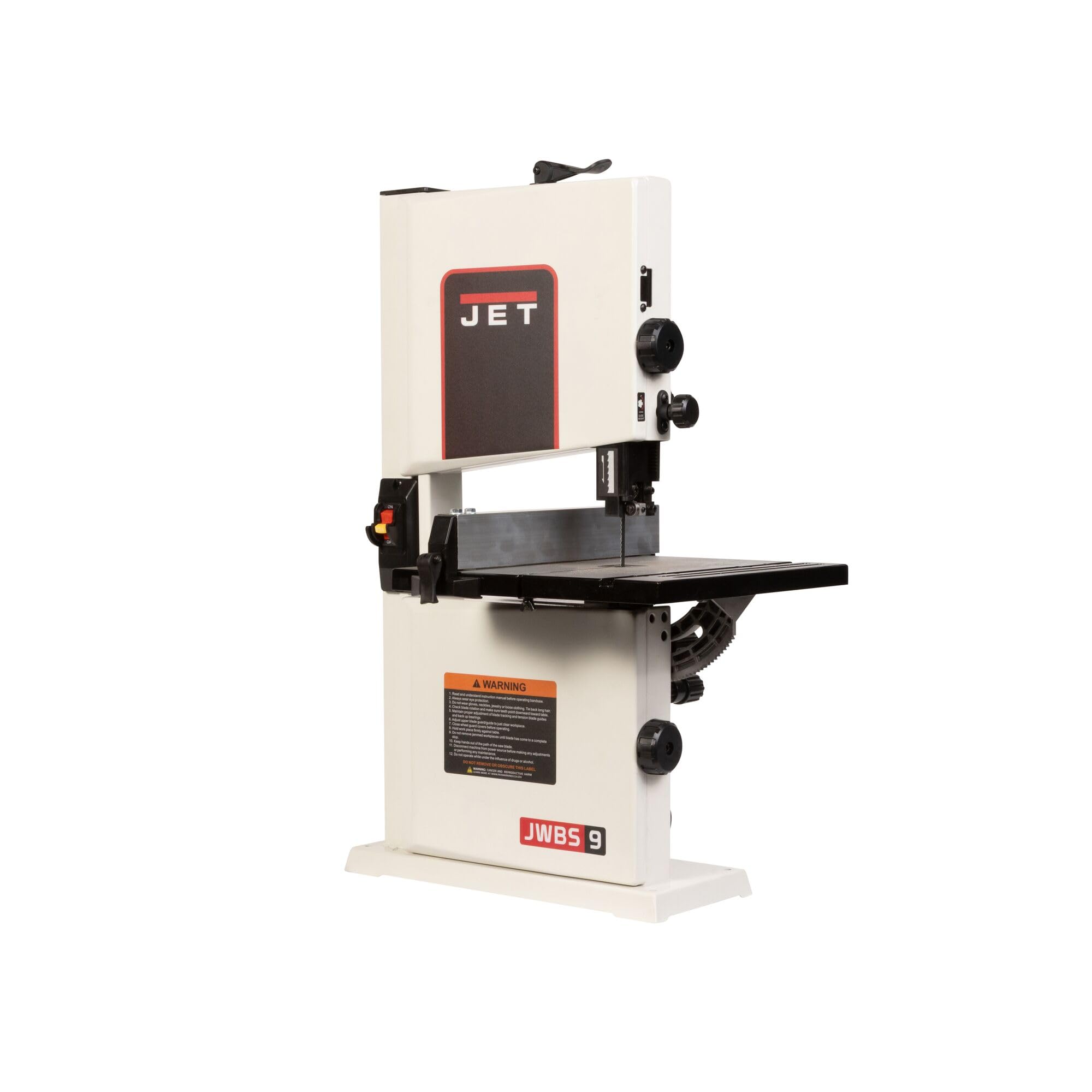
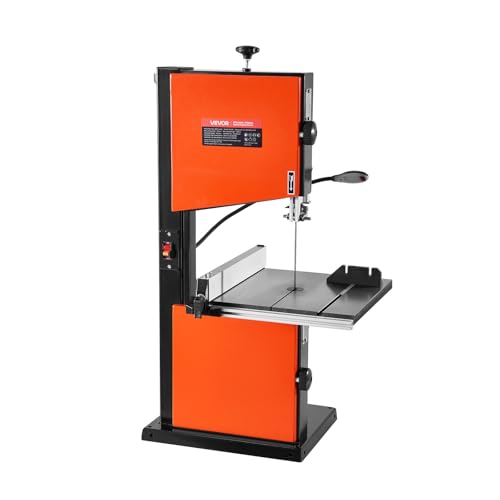
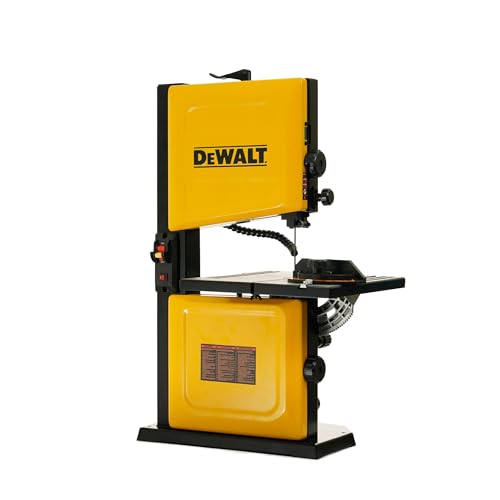
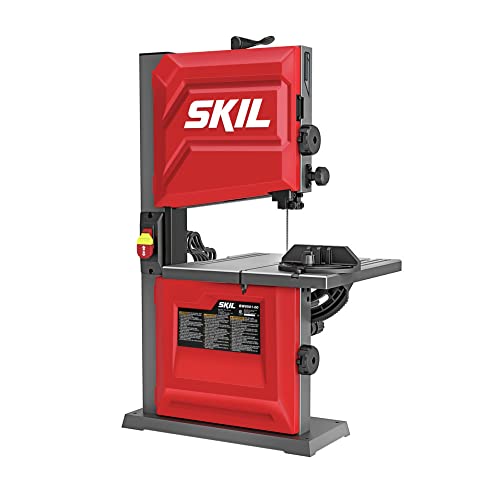
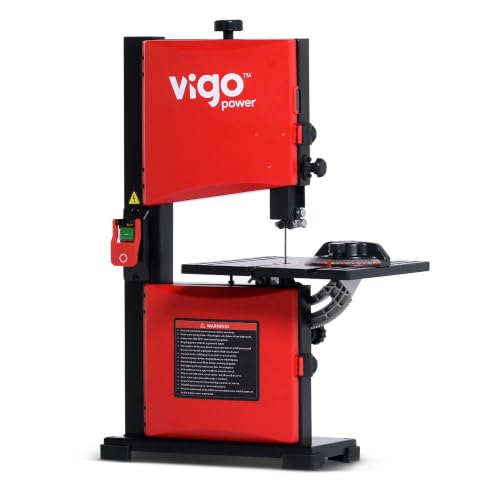
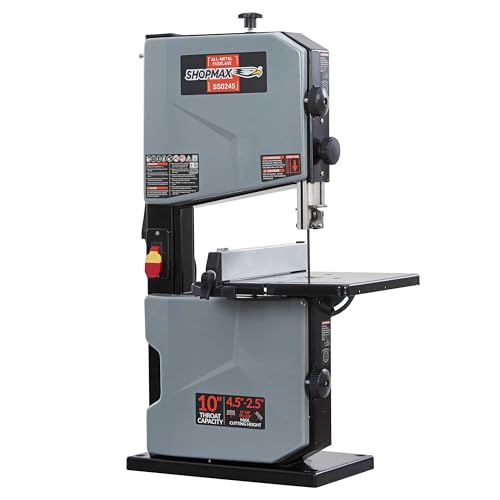
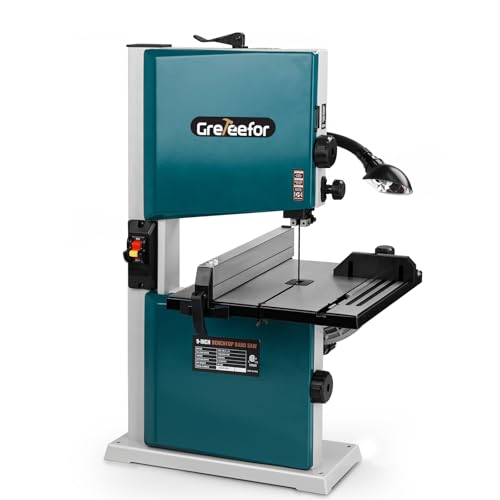

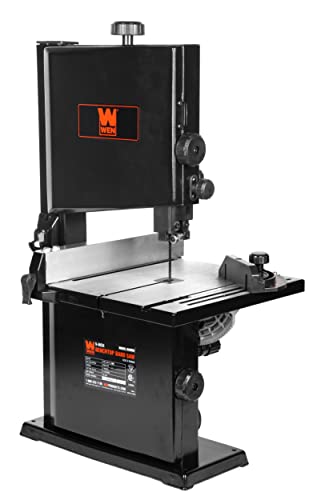

Band Saws 101: The Basics
A band saw cuts with a long, thin blade formed into a continuous loop. Two wheels, one above the work table and one below it, keep that loop moving in one direction, straight down through the wood. Because the blade only ever moves downward, the saw feels calm and controlled, and it rarely kicks material back toward you the way some spinning blade tools can.
That steady cutting action makes a band saw the tool many woodworkers reach for when cutting curves, rounded shapes, and thick stock that needs to be sliced thinner, a job called resawing. It also handles straight cuts well with a fence in place. Common beginner terms include throat, which is the distance from the blade to the frame and sets the widest board you can pass through, and resaw capacity, which is the thickest board you can slice upright. Blade guides sit above and below the table and keep the thin blade from twisting as you feed the work.
Key Specs Explained in Plain English
What You Can Realistically Get Under $300
At this budget, expect a benchtop saw with wheels around 9 to 10 inches, a small steel or cast table, and a motor sized for hobby work in pine, plywood, and modest hardwood. That is genuinely useful for boxes, toys, small furniture parts, and craft projects. What gets trimmed at this price is frame rigidity, resaw height, and dust collection quality. Do not save money by accepting a wobbly table, poor blade guides, or a fence that will not lock square, because those parts decide cut quality every single day. Spend the savings instead on good blades, which matter more than extra motor claims.
Corded vs Cordless (Battery Platform)
Most band saws in this price range plug into the wall, and for a fixed shop saw that is a real advantage. Corded power never fades mid cut, costs less, and suits longer sessions at the bench. Cordless band saws exist, but they are usually compact handheld models built for cutting pipe and metal stock on job sites, not furniture work on a table. If you already own batteries from a major 18 volt or 20 volt platform, a cordless tool can share them and save money. For a first workshop saw, though, choose corded unless portability is the whole point of the purchase.
Capacity and Working Range
Capacity is the spec that should drive your choice, because a saw that cannot fit your board cannot do the job at any price. Throat depth on benchtop models usually runs about 9 inches, which limits how wide a curve you can swing around the blade. Cutting height, often around 3.5 to 6 inches on small saws, limits the thickness you can resaw. Check the table size too, since a tiny table makes long boards awkward to support, and look at table tilt, commonly up to 45 degrees, if you plan angled cuts. Match these numbers to the largest project you realistically expect in the next two years, not to a dream project you may never build.
Accuracy and Control Features
Accuracy on a band saw comes from setup and guides more than from electronics. Look for blade guides that adjust without tools or with simple knobs, a blade tension indicator you can actually read, and a tracking window so you can center the blade on the wheels. A sturdy rip fence and a miter gauge slot add control for straight and angled cuts. Variable speed matters mainly if you will cut both wood and metal, since metal needs much slower blade speeds. A work light and a visible blade guard round out the useful list. If you think you will outgrow this class quickly, reading about the best band saws under 500 shows what the next budget step adds in capacity and frame strength.
Accessories Included
Check the box contents before you compare prices, because a cheap saw plus needed extras can cost more than a better equipped one. Most saws include one general purpose blade, a miter gauge, and sometimes a basic fence. That starter blade is fine for learning, but plan on buying one or two quality blades matched to your work, such as a wider blade for resawing and a narrow blade for tight curves. A stand is rarely included with benchtop models, so budget for a sturdy bench space. Also confirm the dust port size matches your shop vacuum hose, or plan on a simple adapter.
Durability and Brushless Motors
Durability in this class comes from the frame, the wheels, and the guide hardware rather than from motor labels. A saw that flexes under blade tension will wander in the cut no matter how strong the motor sounds. Cast or well braced tables, metal guide blocks or bearing guides, and smooth wheel tires all signal a tool built to stay in tune. Brushless motors appear mainly on cordless models, where they add runtime and reduce maintenance, and they are worth having there. On a corded benchtop saw, proven guide design and a rigid frame matter far more than motor marketing, so weigh those first.
Rookie Mistakes to Avoid
- Buying by motor power alone. Horsepower claims vary widely between brands, while capacity and guide quality decide what you can actually cut well.
- Ignoring blade choice. One do everything blade does nothing well. A blade that is too wide cannot turn your curves, and one that is too narrow will wander during resawing.
- Skipping the test cut setup. New owners often cut immediately without checking blade tension, guide spacing, and fence alignment, then blame the saw for drift that a ten minute setup would have fixed.
- Forcing the feed. Pushing hard bends the thin blade sideways and ruins the line. Steady, gentle pressure gives straighter and safer cuts.
- Forgetting the next budget step. If your projects already need deep resawing, compare the best band saws under 1000 before buying twice, since a floor standing saw serves that work far better.
Getting Started: Setup and First Use
Start by reading the manual fully, then mount the saw firmly so it cannot walk across the bench. Fit the blade with the power unplugged, set tension until the blade feels taut with a slight spring when pressed sideways, and adjust the guides so they sit just behind the blade teeth. Spin the wheels by hand to confirm the blade tracks in the center before you ever switch it on.
For your first cuts, use soft scrap wood and simple gentle curves. Wear eye and hearing protection every time, keep the blade guard lowered close to the work, and let the tool do the work by feeding slowly. Plan your curve so your hands never cross in front of the blade, and use a push stick for small pieces. A calm first session teaches you more than any spec sheet.
Frequently Asked Questions
Can you get a good band saw under $300?
Yes, for hobby scale woodworking you can. Saws at this price cut curves, small parts, and modest resawing jobs well once they are set up carefully with a sharp blade. The limits are size and rigidity, not basic usefulness. If your typical work is boxes, crafts, and small furniture, this budget is a sensible starting point rather than a compromise you will regret.
Can I use batteries across brands?
No, batteries almost never transfer between brands. Each maker uses its own battery shape, contacts, and electronics, so a battery from one platform will not fit a tool from another. Adapters exist but can void warranties and may lack proper protection circuits. This is one more reason a corded saw suits a first workshop: it removes the platform question from the purchase entirely and keeps the full budget in the saw itself.
Is a brushless motor worth it?
On a cordless tool, usually yes, because brushless designs run longer per charge and need less upkeep. On the corded benchtop saws that dominate this budget, the question rarely arises, and it should not drive your decision. Guide quality, frame rigidity, and blade condition change your results far more. Spend attention and money there first, and treat motor type as a minor detail at this price.
What specs matter most for home projects?
Cutting height and throat depth matter most, because they decide which boards physically fit the saw. After that, look at guide quality and fence sturdiness, since those control accuracy on every cut. Table size matters if you work with longer stock. Motor size ranks last for typical home projects in softwood and plywood, where a modest motor with a sharp, correct blade cuts cleanly and calmly.
Corded or cordless: which is better for DIY?
Corded is better for nearly all home workshop use. A bench saw stays in one place, so the cord is no burden, power stays constant through long cuts, and none of your budget goes to batteries and chargers. Cordless makes sense only when the saw must travel to the work, such as cutting pipe or stock at a remote site. For a garage or basement shop, plug in and put the savings toward better blades.
The Bottom Line
Keep your decision simple: match the capacity to your real projects, insist on solid guides and a table that locks firmly, and budget for two good blades from day one. Those three choices matter more than any headline spec. The product table above pulls the current options together so you can compare capacity and features at a glance. For most first time buyers, the best band saws under 300 dollars are the honest benchtop models that do those basics well, and one of them can serve a home shop happily for years.